
Articles


Where to Stay in Cork: Best Areas, Hotels and Boutique Stays
TRAVEL GUIDE
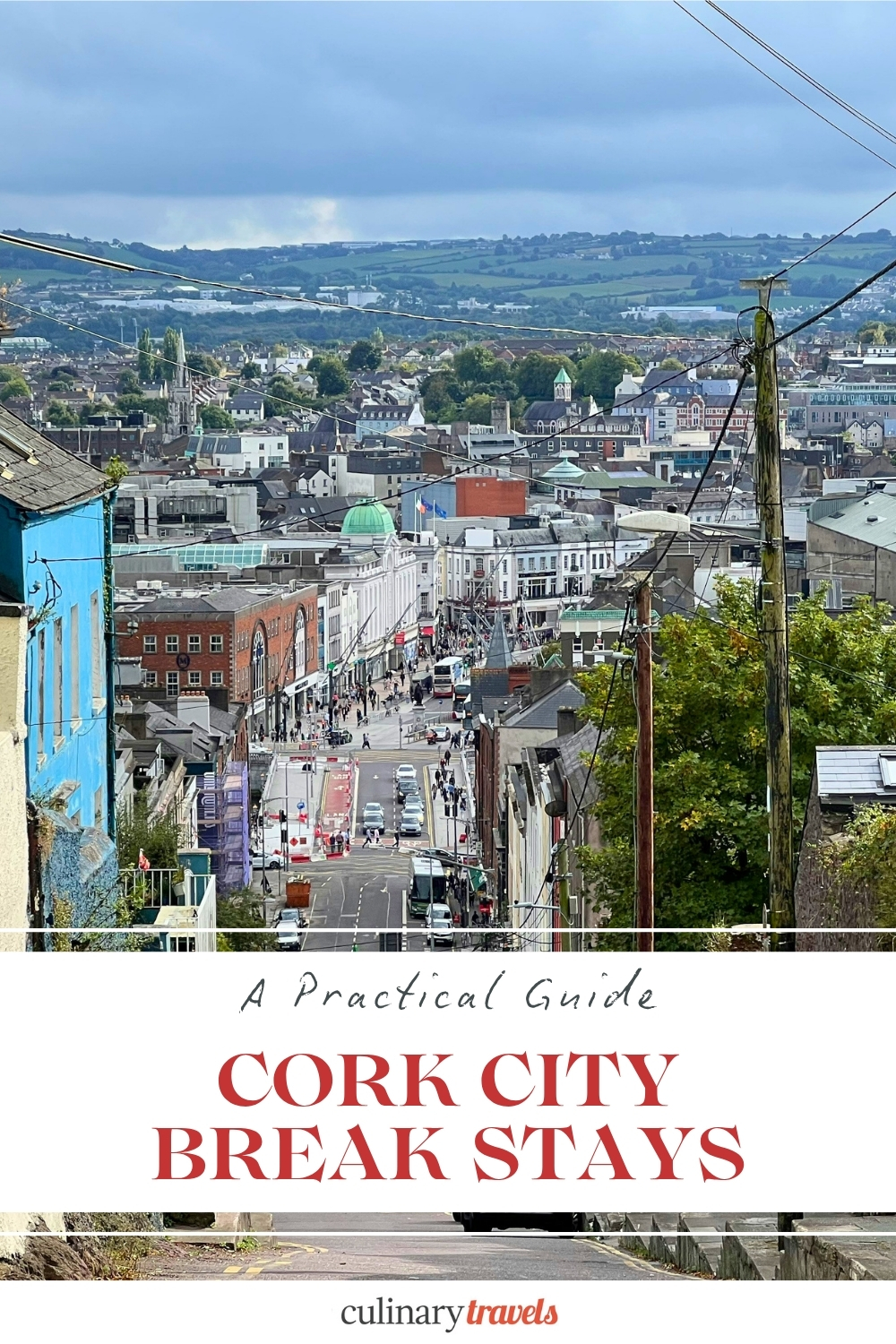
Where you stay will shape the rhythm of a Cork trip: South Mall and the Victorian Quarter put markets, pubs and restaurants within easy walking distance, while riverside hotels, hilltop retreats and garden spas trade some centrality for space, views and calm. This guide compares the city’s best areas and hotels by the kind of stay they suit.
Some articles on Culinary Travels may contain affiliate links, meaning I may earn a small commission at no extra cost to you. I only recommend places, experiences and products that fit the editorial tone and standards of the publication.
Photograph: Fáilte Ireland
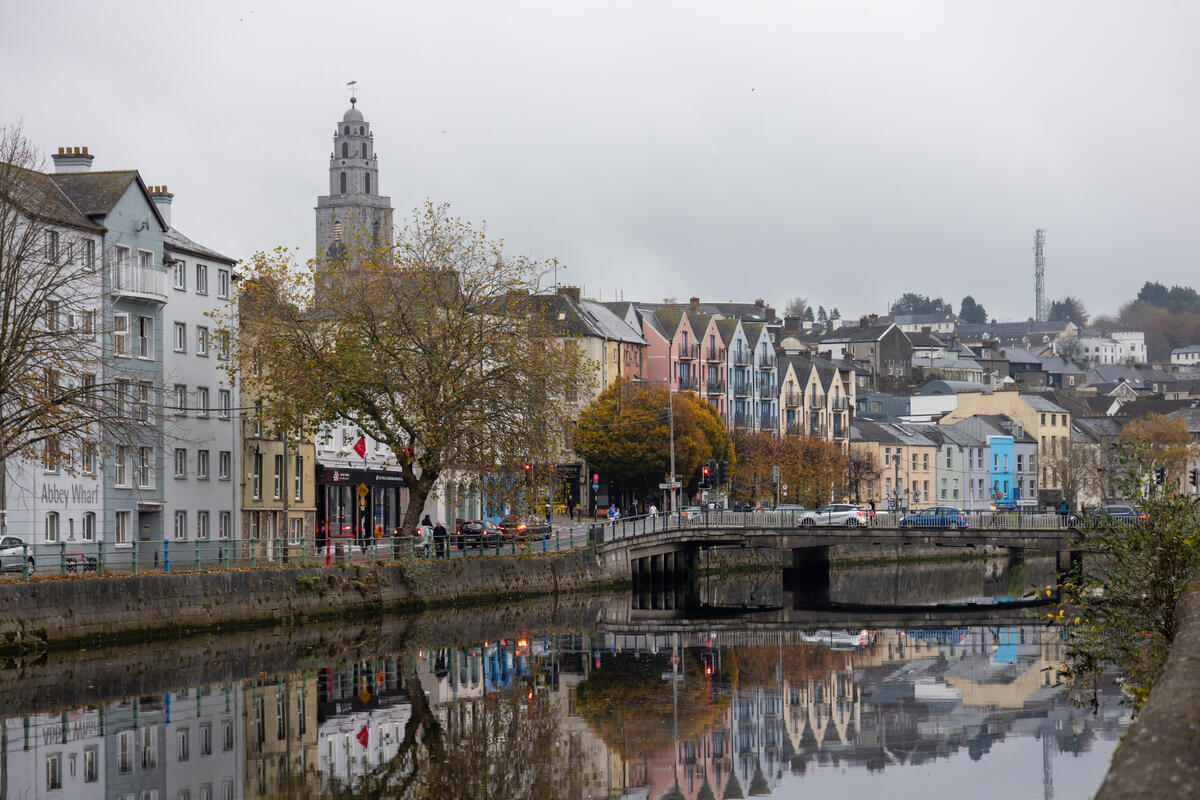
Choosing where to stay in Cork depends on the kind of trip you want. If it is your first visit, staying close to the city centre, South Mall, the English Market or the Victorian Quarter makes life wonderfully easy. You can walk to pubs, cafés, galleries, markets and the River Lee without having to think too much about taxis, buses or parking.
But Cork is not a city where one area suits everyone. Some travellers will want a grand historic hotel in the heart of the city. Others will prefer a design-led base near Kent Station, a five-star retreat tucked behind garden walls, or somewhere quieter with parking, spa facilities and easier access to wider County Cork.
In this guide
1. Quick answer: where to stay in Cork
2. Best areas to stay in Cork
3. Best hotels and boutique stays in Cork
4. Where to stay in Cork for first-time visitors
5. Where to stay in Cork for food lovers
6. Where to stay in Cork without a car
7. Where to stay in Cork with parking
8. What about Cork Airport and Little Island?
9. FAQs
Quick answer: where to stay in Cork
For a first visit to Cork, the city centre, South Mall, the Victorian Quarter and the more central stretches of the River Lee are usually the easiest places to stay. You will be close to the English Market, St Patrick’s Street, Cork Opera House, galleries, cafés, restaurants and many of the city’s best pubs.
For historic city-centre atmosphere, consider The Imperial Hotel on South Mall. For Victorian Quarter character and rail convenience, look at The Metropole Hotel on MacCurtain Street. For a design-led stay with rooftop dining, The Dean Cork at Horgan’s Quay is a strong choice.
For five-star calm close to the city, Hayfield Manor is one of Cork’s classic luxury options. For riverside stays, look at The River Lee or The Kingsley, depending on whether you want a culture-led city base or more of a spa-and-parking option. For elevated views and a destination-hotel feel, The Montenotte brings a different side of Cork into the mix, while The Address Cork is worth considering for a quieter St Luke’s base with Victorian character. For spa facilities, gardens and easier parking outside the busiest streets, The Maryborough Hotel & Spa in Douglas works well.
For a wider look at current availability, compare stays across Cork city centre, the Victorian Quarter, Horgan’s Quay, the River Lee and quieter bases just outside the city below. Prices and availability can shift around festivals, concerts, graduation weeks and busy weekends, so it is worth checking your dates before narrowing the search too far.
Best areas to stay in Cork
Cork city centre and South Mall
For many first-time visitors, Cork city centre and South Mall are among the easiest places to stay. You are close to the English Market, St Patrick’s Street, restaurants, bars, shops, galleries and many of the main city sights, which means you can spend less time planning logistics and more time simply wandering.
South Mall is a particularly good base if you want a central location with a more polished, historic feel. From here, you can walk to the English Market, Nano Nagle Place, Cork Opera House and plenty of cafés and pubs without needing a car.
Best for: first-time visitors, city breaks, food-led weekends, culture, shopping, walkability.
The Victorian Quarter and MacCurtain Street
The Victorian Quarter is one of Cork’s most useful bases if you are arriving by train or want to stay somewhere with a strong neighbourhood feel. MacCurtain Street has restaurants, bars, cafés and live music venues, while Kent Station is close by for rail travellers.
This area works well for visitors who want to be close to the centre but not necessarily in the main retail district. It has a slightly more local, evening-friendly feel, with easy access to Cork’s food, drink and cultural scene, especially if you like being able to wander out for dinner, a cocktail or a pint without over-planning the evening.
Best for: rail arrivals, food and drink, live music, couples, city breaks without a car.
Horgan’s Quay and Kent Station
Horgan’s Quay is one of Cork’s more contemporary bases, with easy access to Kent Station, the River Lee and the city centre. It suits travellers who like a modern, design-led hotel, good transport links and a base that feels connected to Cork’s newer urban developments.
This is a particularly practical area if you are arriving by train, planning a short city break, or want somewhere with a more modern hotel feel than the city’s older historic properties. It is still close enough for Cork city wandering, but the atmosphere is a little different from South Mall or MacCurtain Street: more contemporary, convenient and polished than old-Cork character.
Best for: design-led stays, rail arrivals, contemporary hotels, short city breaks, rooftop views.
Western Road, University College Cork and the River Lee
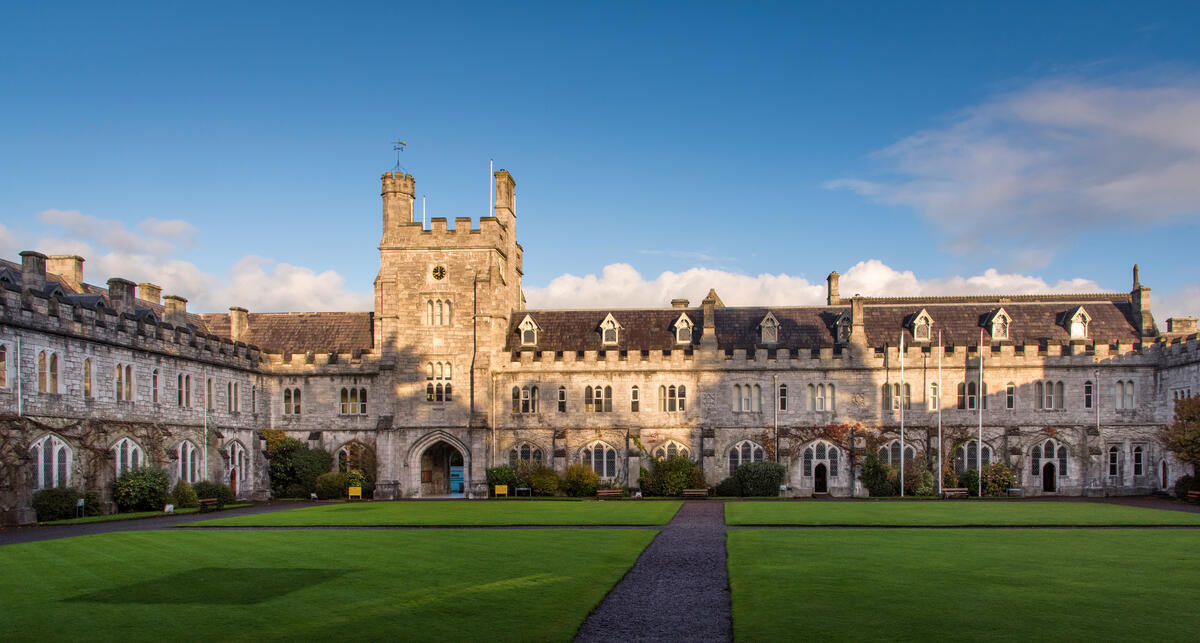
The area around University College Cork, Fitzgerald Park and the western side of the River Lee works well if you want a slightly softer base while still being close to the city. It is useful for visitors who want riverside walks, university architecture, leafy streets, galleries and easy access back into the centre.
Photograph: Chris Hill / Fáilte Ireland
This side of the city can be a good compromise if you want Cork within reach but do not necessarily want to sleep right in the busiest part of town. It has a more spacious, campus-and-river feel than South Mall or the Victorian Quarter, while still keeping the city’s cafés, pubs, restaurants and cultural stops close enough for an easy weekend.
It also suits travellers who want spa facilities, river views, parking or easier access towards the west of the city, especially if your plans include University College Cork, Fitzgerald Park, the Mardyke, or a slower stroll along the river rather than a packed city-centre itinerary.
Best for: quieter city stays, riverside walks, UCC, Fitzgerald Park, spa hotels, returning visitors.
The Montenotte, The Address and elevated city views
If you want a quieter base above the city, the elevated side of Cork around The Montenotte, Middle Glanmire Road and St Luke’s is worth considering. This part of Cork gives you a different perspective on the city, with views back across the rooftops, a calmer feel than the busiest central streets and a more retreat-like style of stay.
It is not quite as walk-out-the-door central as South Mall, MacCurtain Street or Horgan’s Quay, so it suits travellers who are happy to use taxis, drive, or plan their evenings a little more carefully. In return, you get space, views and a stronger sense of escape while still being close to Cork city.
This is a good option if you like the idea of being near the action during the day, but slightly removed from it at night. It works especially well for couples, special occasions, business travellers, or anyone who wants Cork with a little more breathing room.
Best for: views, quieter stays, design-led hotels, business travel, couples, special occasions.
Douglas and quieter bases outside the centre
If you are travelling by car, planning day trips, or want spa facilities and parking, it can make sense to stay just outside Cork city centre. Douglas is a practical option for travellers who want the city within easy reach but prefer more space, gardens and an easier driving base.
This is less ideal if your priority is walking out to pubs every evening, but it works beautifully for a slower, more restorative Cork break. It is also a good fit if your plans include places beyond the city itself, such as Fota, Midleton, East Cork, West Cork or the coast.
For travellers who like the idea of spending the day in Cork city, then retreating somewhere quieter for dinner, spa time or a proper night’s sleep, this kind of base can make a lot of sense.
Best for: parking, spa breaks, garden hotels, couples, relaxed weekends, exploring wider County Cork.
Best hotels and boutique stays in Cork
The Imperial Hotel, South Mall
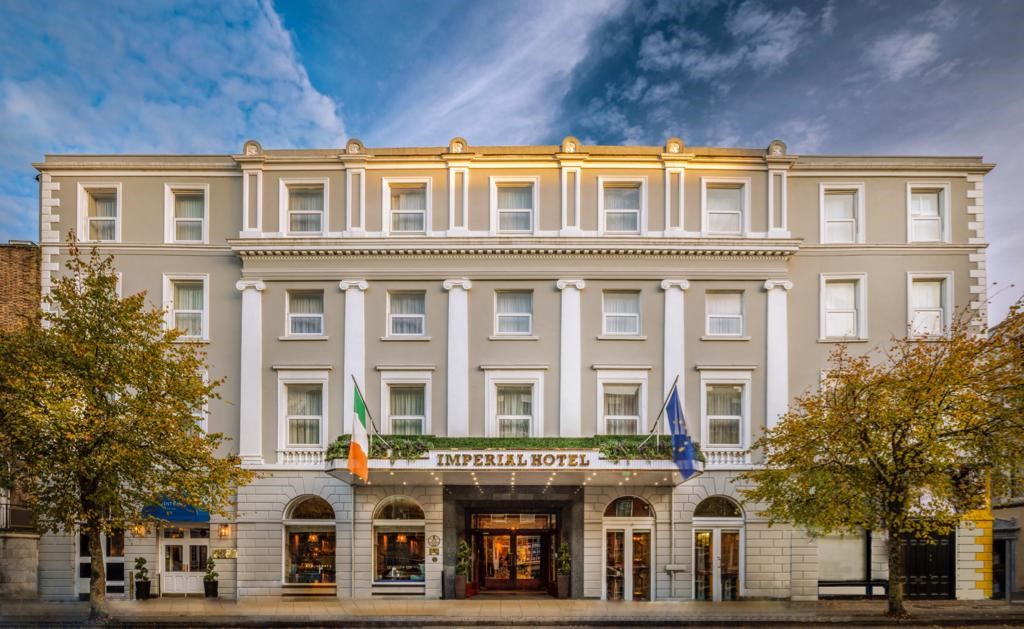
Known as the “Grande Dame of Cork”, The Imperial Hotel is one of the city’s great historic places to stay. Dating back to 1813, it sits on South Mall in the heart of Cork city, close to the main shopping streets, business district, restaurants, galleries and cultural attractions.
Photograph: The Imperial Hotel
This is a particularly good choice for first-time visitors who want to be right in the thick of things without losing that sense of occasion. The English Market, Nano Nagle Place, Cork Opera House and St Patrick’s Street are all within easy reach, while Kent Station is around a five-minute drive or 20-minute walk away.
What makes The Imperial work so well is that it feels properly rooted in Cork. It is not just a convenient city-centre hotel, though it is certainly that. It has the kind of layered history that gives a stay more texture: Frederick Douglass spoke at The Imperial during his 1845 visit to Cork, Michael Collins spent his final night here before travelling west to Béal na Bláth, and the hotel continues to lean into that heritage through spaces such as the Frederick Douglass Lounge and the Michael Collins Suite.
For food-focused travellers, Helena’s Restaurant brings a botanical, elegant dining room to the city-centre setting, while Fitzgerald’s Bar offers cocktails, wine and live music in a more glamorous evening space. Lafayette’s Café adds a daytime option for coffee, pastries, lunch or afternoon tea, which is useful if you want a slow start before heading out into the city.
There is also Escape Spa, making The Imperial a good fit for travellers who want Cork’s shops, markets, pubs and galleries on the doorstep, but still like the idea of coming back to somewhere polished, historic and quietly indulgent at the end of the day.
Best for: historic stays, city-centre luxury, first visits to Cork, spa breaks, cultural weekends.
Check current rates and availability for The Imperial Hotel.
The Metropole Hotel, Victorian Quarter
For a stay with Cork history built into the walls, The Metropole Hotel is one of the city’s landmark addresses. Open since 1897, it sits on MacCurtain Street in the Victorian Quarter, a neighbourhood known for independent cafés, restaurants, bars, live music and easy access to the city centre.
This is a particularly good choice if you are arriving by rail, with Kent Station around five minutes away on foot, or if you want to explore Cork without relying on a car. St Patrick’s Street, the English Market, Shandon and Cork Opera House are all within easy reach, making The Metropole a practical base for a first-time city break as well as a more culture-led stay.
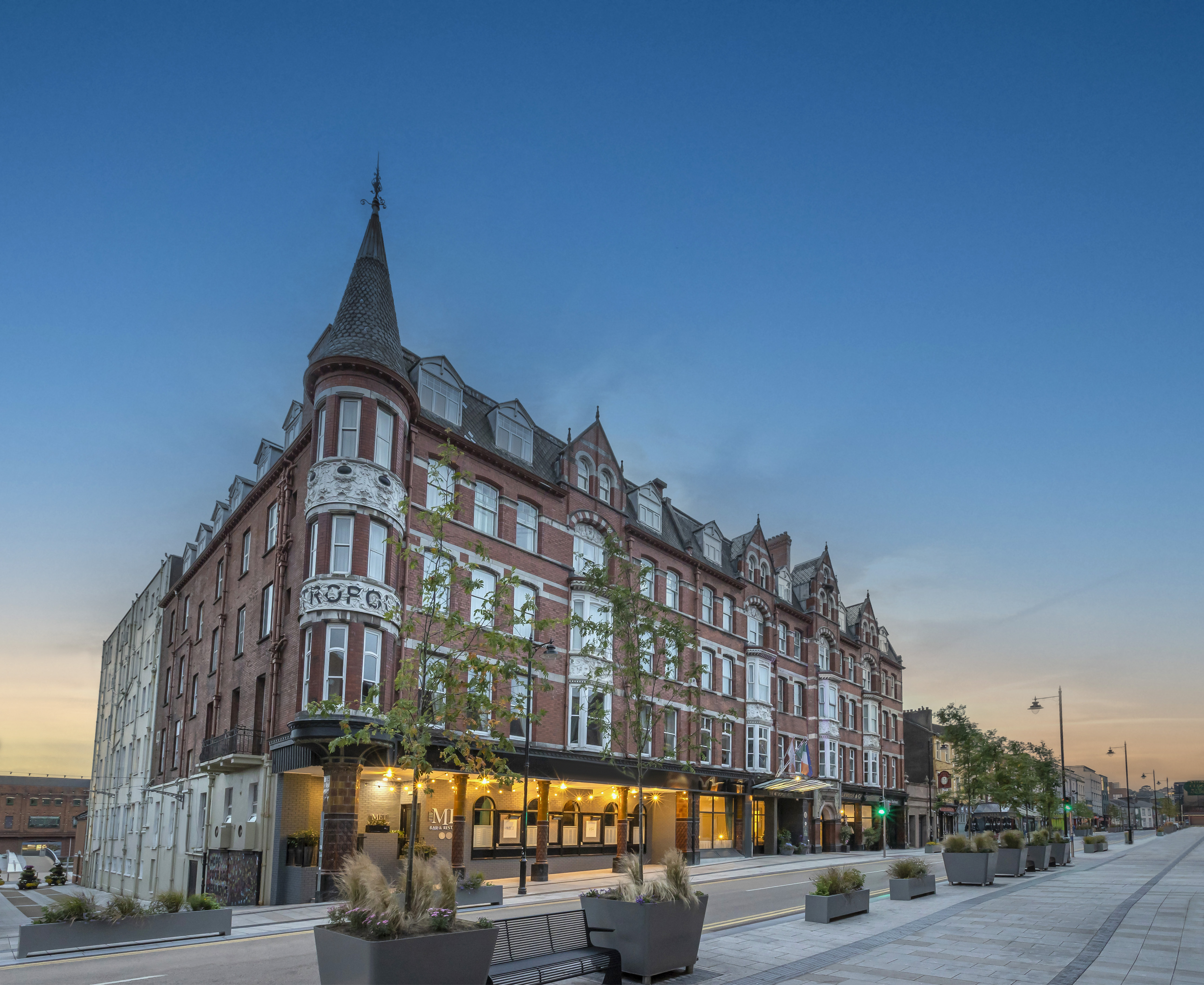
Photograph: The Metropole Hotel
What I like about The Metropole as a Cork base is that it gives you a slightly different feel from the more polished South Mall hotels. You are still close to the centre, but MacCurtain Street has its own rhythm: good food, evening drinks, live music, independent places to call into and that useful sense of being just outside the busiest shopping streets.
The hotel combines heritage architecture with contemporary guest facilities, and recent investment has focused on the ground floor, ballrooms and food and drink spaces. The updated lobby offering gives guests coffee, pastries and light lunch by day, before shifting into cocktails, spritzes and sharing plates in the evening.
Food is part of the current story too. Under Executive Head Chef Eoghan O’Flynn, the hotel’s dining is being shaped around local produce, contemporary Irish hospitality and Cork’s wider food culture. That makes it a natural fit for food-focused travellers who want to stay close to the city’s restaurants, markets and cultural life, but still have a strong hotel base to return to.
Best for: Victorian Quarter atmosphere, rail arrivals, walkable city breaks, historic stays, cultural weekends.
Check current rates and availability for The Metropole Hotel.
The Dean Cork, Horgan’s Quay
For a Cork stay with more city buzz than country-house hush, The Dean Cork brings a bold, design-led energy to Horgan’s Quay. Opened in 2020 as The Dean brand’s first expansion beyond Dublin, the hotel sits in a seven-storey building overlooking the River Lee, close to Kent Station and well placed for exploring the city.
Inside, it leans into contemporary boutique-hotel style: Irish art, statement details, Smeg fridges, Marshall speakers and a sense of personality that makes it feel less like a standard city hotel and more like part of Cork’s creative scene. There are more than 100 rooms, ranging up to The Dean Penthouse, which comes with two oversized ensuite bedrooms, freestanding copper bathtubs, a private bar and panoramic city views.
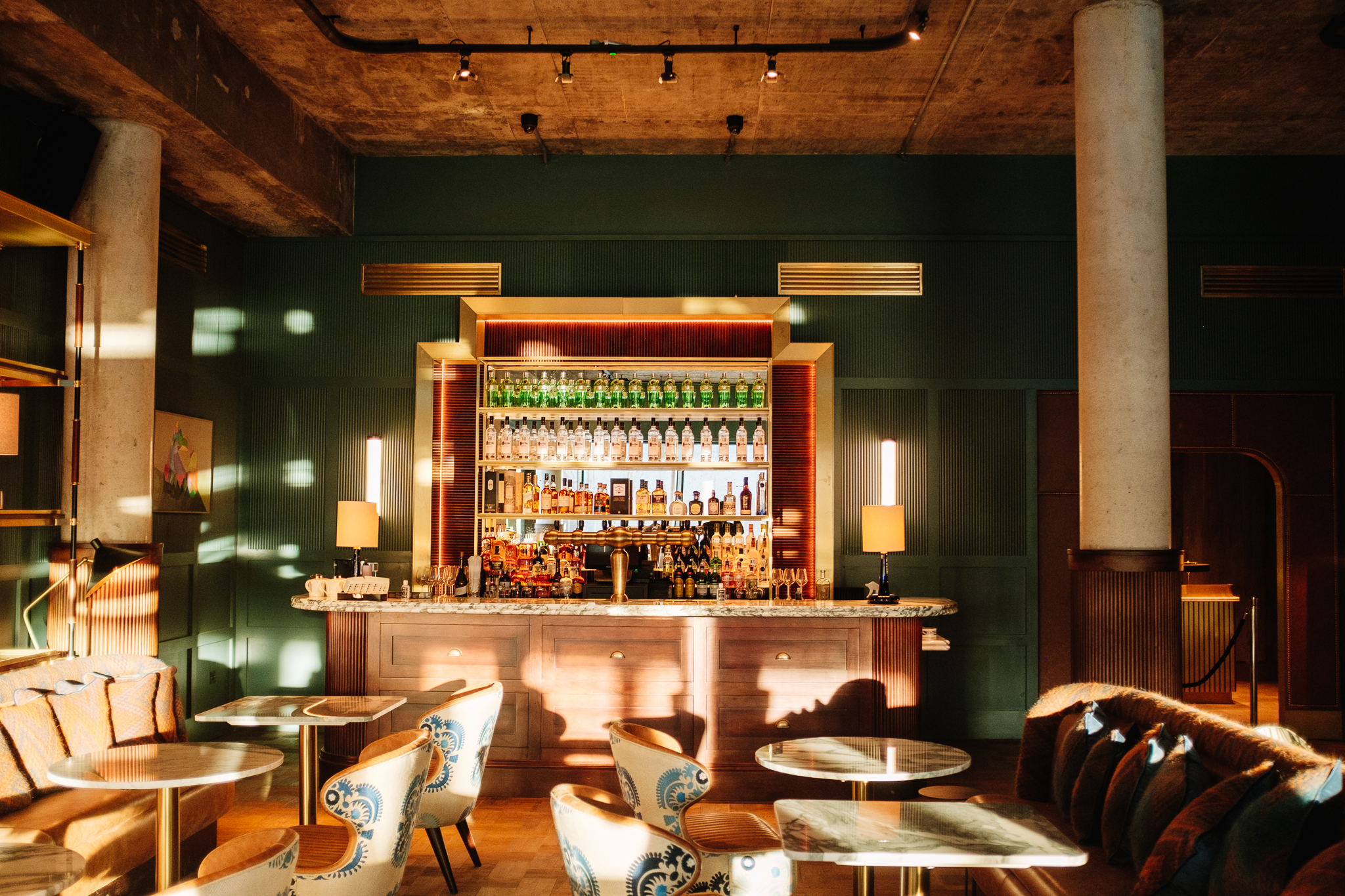
Photograph: The Dean Cork
This is not the pick if you are looking for old-Cork grandeur or a hushed manor-house escape. It is much better suited to travellers who want design, music, rooftop views, strong food and drink, and the sense that the hotel itself is part of the weekend rather than just somewhere to sleep.
The real food-led draw is Sophie’s Rooftop Restaurant & Bar on the sixth floor. With 360-degree views, two outdoor terraces and a menu built around seasonal ingredients, local producers, artisan cheeses and seafood, it is the kind of hotel restaurant that works even if you are not staying overnight. For a short Cork break, that is useful: you can arrive by train, check in, and still feel like you have landed somewhere with a bit of occasion.
There is also POWER, the hotel’s wellness and fitness space, with gym facilities, sauna, steam room and heated relaxation pool. That combination of location, rooftop dining, design and wellness makes The Dean a strong choice for rail arrivals, couples, friends’ weekends, or anyone who wants Cork’s food, nightlife and culture close at hand without sacrificing hotel personality.
Best for: rooftop dining, design-led stays, rail arrivals, stylish weekends, contemporary Cork.
Check current rates and availability for The Dean Cork.
Hayfield Manor, near University College Cork
Set within walled gardens just minutes from Cork city centre, Hayfield Manor is Cork’s classic five-star retreat: elegant, quiet and polished, with a strong food and drink offering woven through the guest experience. It sits close to University College Cork and the western side of the city, so you are still within reach of Cork’s restaurants, pubs, galleries and river walks, but the mood is much more country-house calm than city-centre buzz.
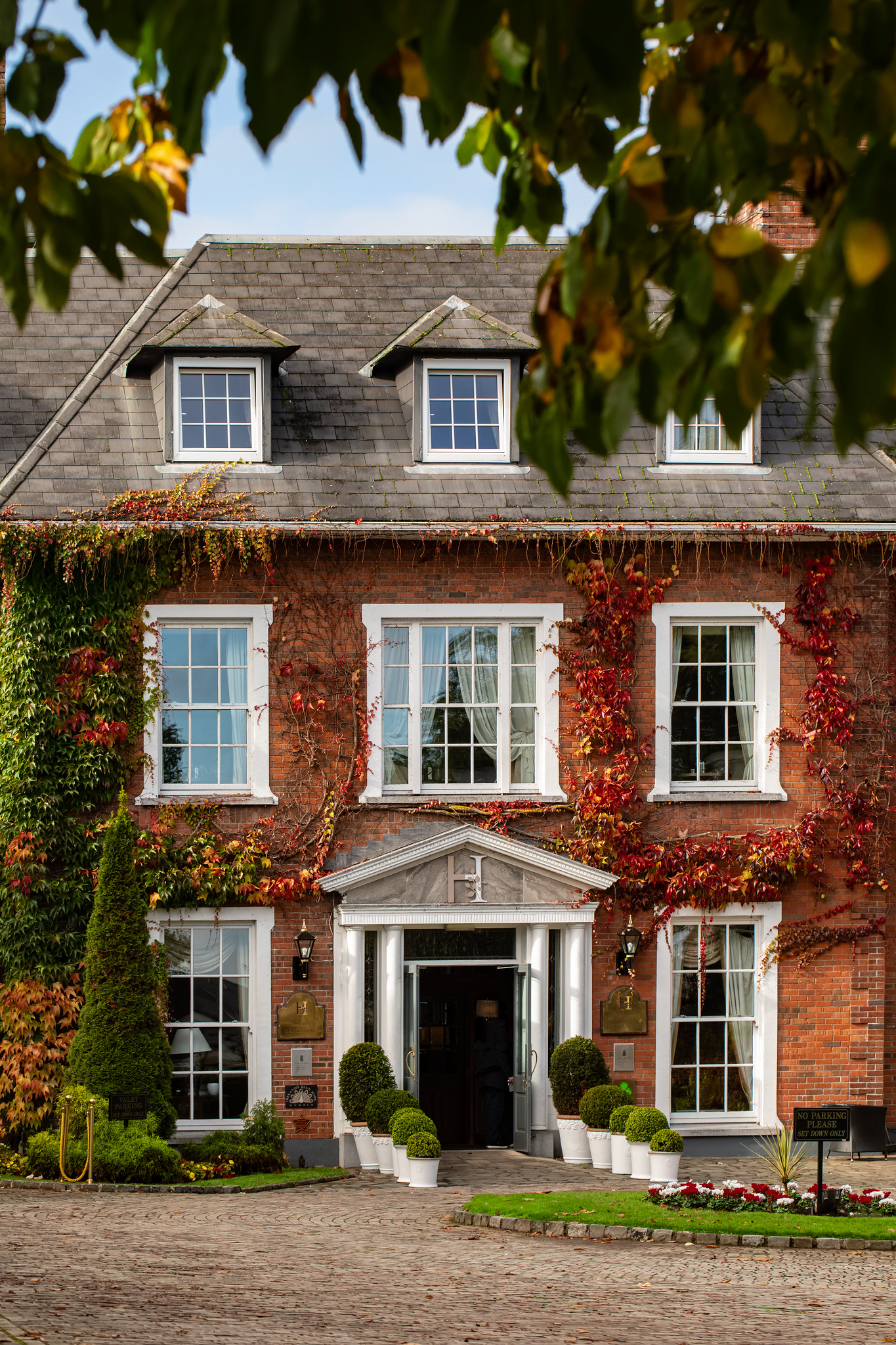
Photograph: Hayfield Manor
This is the one to book if you want Cork without the bustle at bedtime. The hotel has the feel of a private manor house, with landscaped gardens, attentive service and a sense of calm that makes it particularly well suited to special occasions, couples’ weekends and slower luxury breaks. It is not the obvious choice if you want to wander out to pubs late into the evening, but it is a lovely fit if you want dinner, spa time, gardens and a proper exhale at the end of the day.
Food is a major part of the appeal. Orchids Restaurant offers a more refined contemporary Irish dining experience, while Perrotts Garden Bistro gives guests a more relaxed option. Bloom, set in the gardens, adds a lighter, brighter space for brunch, lunch or drinks, which helps the hotel feel like somewhere to linger rather than simply use as a base.
Hayfield Manor also offers a range of guest experiences with a strong gourmet thread, including oyster shucking with Champagne, Irish soda bread making, cheese and whiskey pairing and smoked salmon tasting. Those details matter, because they make the hotel feel properly connected to the kind of food-led Cork trip readers of Culinary Travels are likely to be planning.
There is a proper spa angle too, with The Beautique Spa offering Elemis and GROUND Wellbeing treatments, five treatment rooms, an indoor heated pool, steam room and outdoor Jacuzzi. If The Imperial is the polished city-centre choice, Hayfield Manor is the softer, slower version of Cork luxury: close enough to the city, but deliberately removed from the rush.
Best for: five-star stays, gourmet breaks, spa weekends, special occasions, garden setting.
Check current rates and availability for Hayfield Manor.
The River Lee, Western Road
Set on the banks of the River Lee, The River Lee is one of Cork’s strongest choices if you want a city stay with a little more breathing room. It works particularly well for travellers who want easy access to the centre while also being close to University College Cork, Fitzgerald Park, the Glucksman and riverside walks.
This is a good option if you like the idea of Cork city being close at hand, but do not necessarily want to sleep right in the busiest streets. Western Road has a softer feel than South Mall or MacCurtain Street, with the river, campus architecture, green space and culture all shaping the mood of the stay.
The hotel is entering a new chapter, with The Doyle Collection preparing to unveil a comprehensive refurbishment. The redesign is being positioned around Cork’s cultural life, Southern Ireland’s coastal landscape and Irish craft heritage, with a transformed room collection and eight new luxury suites.
Those details make The River Lee one to watch if you are planning a future Cork stay as well as an immediate city break. The new interiors are being described through natural textures, Irish craft references and colours drawn from the surrounding landscape, which should give the hotel a more distinctive Cork identity rather than a generic city-hotel feel.
Food and drink are already a strong part of The River Lee’s appeal. The River Club Bar & Terrace offers all-day dining and riverside cocktails, while The Grill Room focuses on locally sourced steaks, seafood and seasonal produce in a teal-panelled dining room that has long been part of Cork’s hotel dining scene.
There is also a wellness angle, with a new partnership with KINS bringing an advanced facial suite to the first floor, alongside the hotel’s gym and swimming pool. For travellers who want Cork city close by, riverside calm within reach and a hotel that is actively investing in its next chapter, The River Lee is a very useful base.
Best for: riverside stays, culture-led breaks, design updates, UCC, Fitzgerald Park, food and cocktails, quieter city-centre access.
Check current rates and availability for The River Lee.
The Kingsley, Western Road
Also set on the banks of the River Lee, The Kingsley is a strong choice if you want a Cork city stay with space, river views and easier practicalities than some of the more central hotels. It sits just outside the busiest city-centre streets, with good access to University College Cork, Fitzgerald Park, cultural attractions and routes out towards wider County Cork.
The hotel has a contemporary four-star feel, with a range of guestrooms and suites, many overlooking the River Lee. It works especially well for travellers who want a comfortable base with a little more breathing room, whether for a relaxed city break, a spa weekend, a special occasion or a business stay.
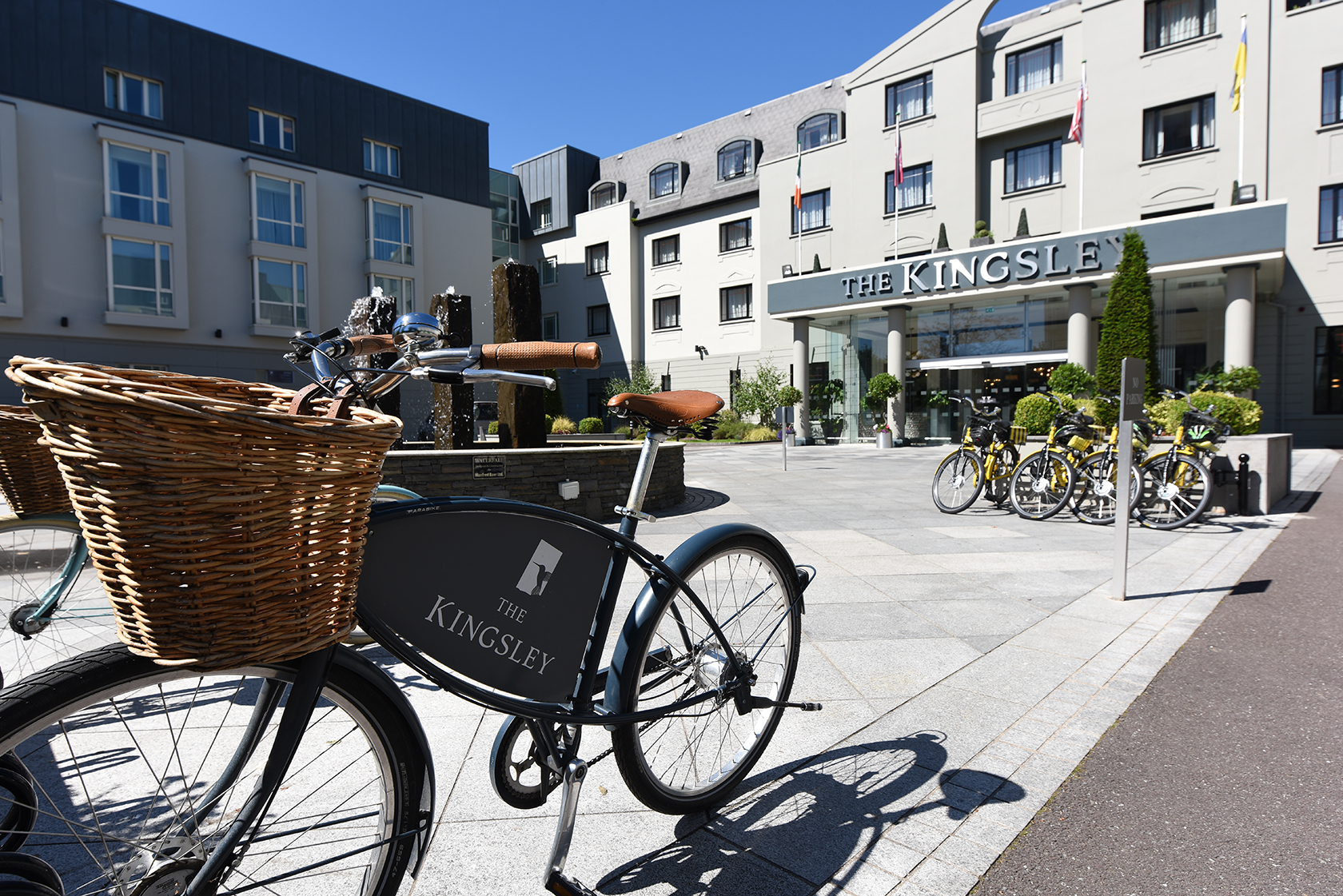
Photograph: The Kingsley
Where The River Lee leans more culture-led and city-riverside, The Kingsley feels like the more practical wellness choice. It gives you Cork within easy reach, but with more of the things that make a stay feel easy: river views, spa facilities, leisure space and complimentary on-site parking.
The spa and leisure facilities are a major part of the appeal. The Kingsley has an indoor swimming pool, outdoor riverside hydrotherapy pool, thermal suite, treatment rooms and a fully equipped health club, making it one of the better Cork options if wellness is part of the trip rather than an afterthought.
There are also four food and drink outlets on site, which makes it a practical choice if you want dinner, drinks or a relaxed meal without always heading back into the city centre. That is especially useful if you are combining Cork city with day trips, travelling for work, visiting University College Cork, or simply prefer a hotel where you can slow the pace down once you are back for the evening.
Best for: riverside stays, spa breaks, parking, UCC, couples, corporate travellers, special occasions and relaxed Cork city breaks.
Check current rates and availability for The Kingsley.
The Montenotte, Middle Glanmire Road
If you want the hotel itself to feel like part of the Cork experience, The Montenotte brings something different to the guide. Set above the city on Middle Glanmire Road, this privately owned urban resort has views across Cork city and harbour, giving it a more elevated, destination-hotel feel than the more central city stays.
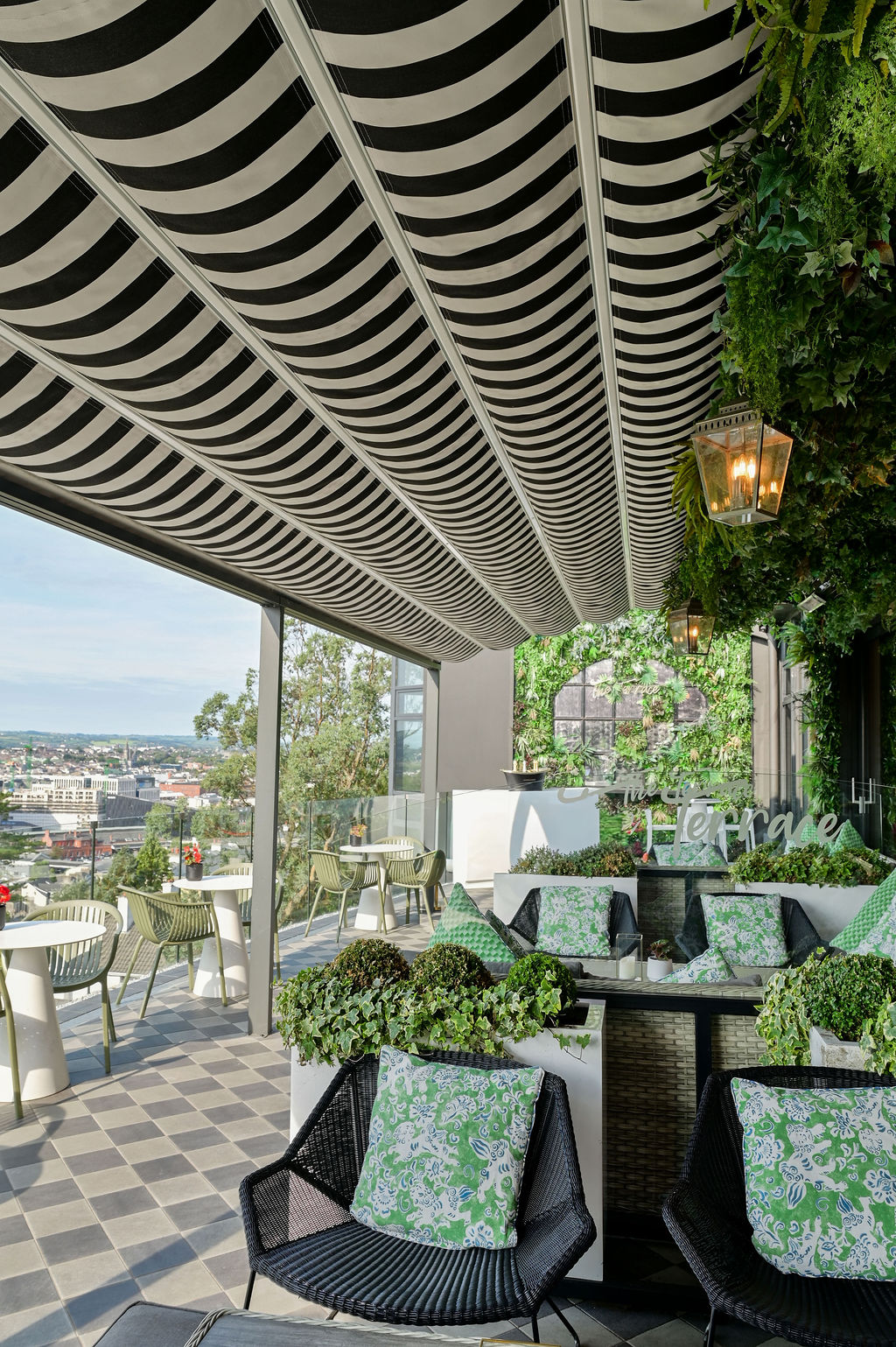
Photograph: The Montenotte
This is not the place I would choose if the priority is stepping straight out into the busiest pubs and restaurants. It is much more suited to travellers who want views, design, cocktails, spa time and that sense of arriving somewhere with its own little world. You are still close to Cork city, but the mood is more retreat above the rooftops than classic walkable city-centre base.
The hotel is built within a former 18th-century residence and now combines that heritage with contemporary design, bold interiors, Irish art and a strong sense of theatre. There are hotel rooms and private self-catering residences, along with the newer Woodland Suite Experience, which adds five-star Woodland and River Suites set away from the main hotel.
Food and drink are a major part of the appeal. Panorama pairs city views with a lively restaurant setting, while Panorama Terrace works for drinks above the city. The Glasshouse, set within the hotel grounds, adds a more distinctive cocktail-bar experience, with a glass-fronted design, pink terrace and drinks inspired by the surrounding Victorian sunken gardens.
The Montenotte also has a strong wellness and leisure offer, including Bellevue Spa, The Salt Room, Motion Health Club, a 20-metre pool, sauna, steam room, jacuzzi and gym. The in-house Cameo Cinema gives the hotel another point of difference, especially if you want a stay that feels more like a full weekend escape than simply somewhere to sleep.
That is really where The Montenotte earns its place in a Cork accommodation guide. It is not just selling a bed for the night; it is offering views, restaurants, art, cocktails, wellness, cinema and a more designed way to experience the city. For a special occasion, romantic weekend or slower Cork break, that makes a lot of sense.
Best for: city views, design-led stays, destination-hotel feel, cocktails, spa breaks, couples, special occasions.
Check current rates and availability for The Montenotte.
The Address Cork, St Luke’s
Set on Military Hill in St Luke’s, The Address Cork is a good option if you want a quieter base above the city with a sense of history, views and easier practicalities than staying right in the busiest central streets. The red-brick Victorian building dates from the 1870s, and the hotel has been refurbished as part of The Address Collective.
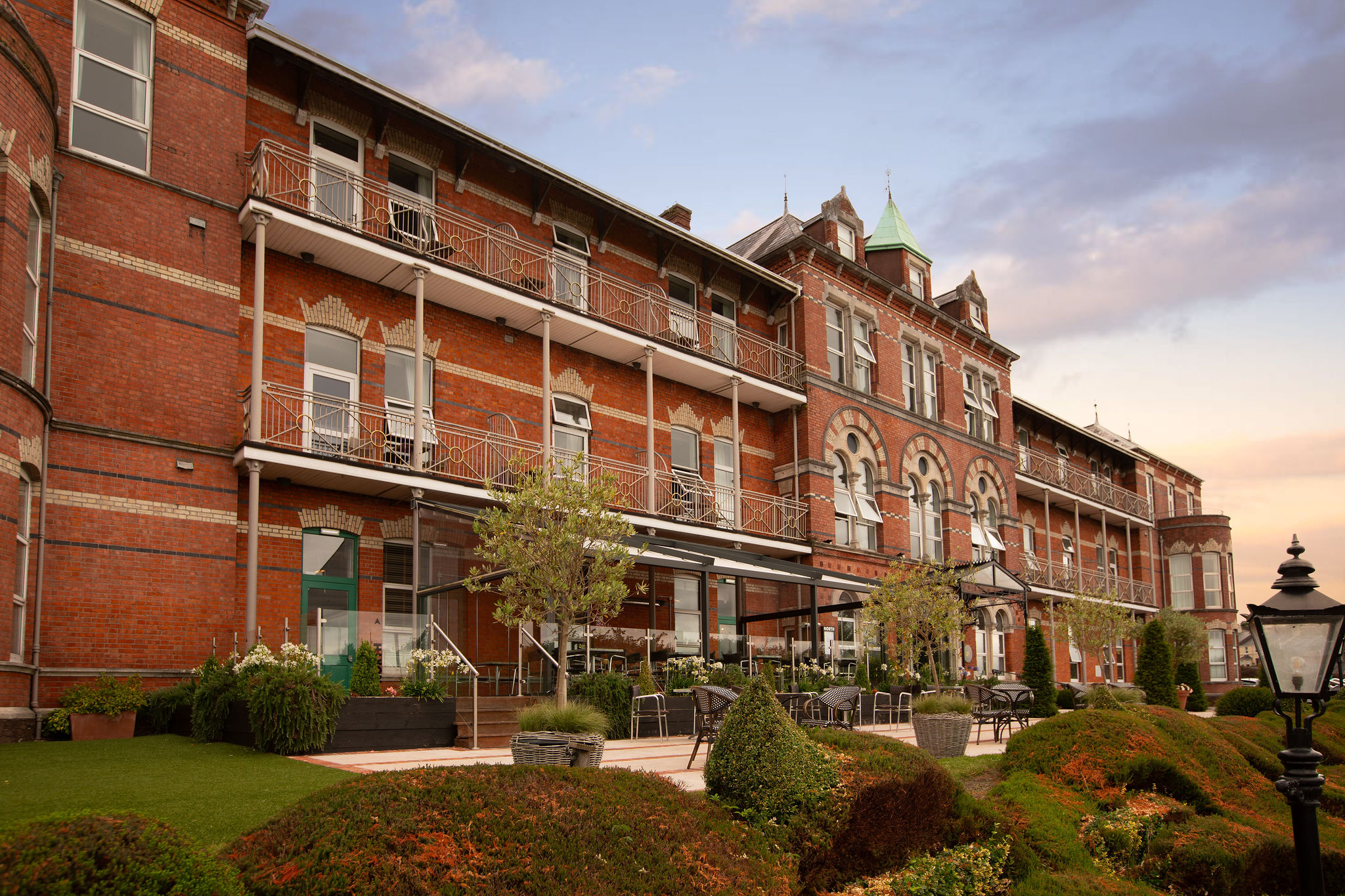
Photograph: Naomi Vance (Vance Studios for The Address Collective)
This is not quite as walk-out-the-door central as South Mall, MacCurtain Street or Horgan’s Quay, so it suits travellers who are happy to plan their evenings a little more carefully. In return, you get a more elevated setting, a calmer feel and a useful base for business or leisure stays.
What works here is the balance between character and practicality. The Address has more of a historic, residential feel than Cork’s most central hotels, but it is still close enough to the city for restaurants, pubs, shopping and cultural stops. It is a good fit if you like the idea of seeing Cork from slightly above the bustle, rather than being right in the middle of it.
The hotel has a fully equipped gym and a food and drink offering through North, its restaurant, which focuses on modern Irish cooking and locally sourced ingredients. There are also complimentary parking spaces available on a first come, first served basis, which adds to the practical appeal if you are driving, though spaces cannot be reserved in advance.
For travellers choosing between The Montenotte and The Address, I would think of The Montenotte as the more destination-hotel, design-and-leisure choice, while The Address feels a little more understated: Victorian character, elevated views, and a calmer base above the centre.
Best for: elevated city stays, Victorian character, quieter Cork breaks, business travellers, views, drivers who do not need guaranteed parking, and a more relaxed base above the centre.
Check current rates and availability for The Address Cork.
The Maryborough Hotel & Spa, Douglas
Set in Douglas, around 10 minutes from Cork city and Cork Airport, The Maryborough is a good choice for travellers who want Cork within easy reach but would rather wake up somewhere quieter than the city centre. The hotel combines an 18th-century mansion with a contemporary extension, so the feel is less urban crash pad, more relaxed house-hotel escape.
This is not the place to choose if your dream Cork weekend involves stepping straight out into old pubs every evening. It is much better suited to travellers who want space, gardens, spa time, parking and a gentler pace, while still being close enough to dip into the city for markets, restaurants, culture and day trips.
The gardens are a major part of the appeal, particularly if you book one of the rooms or suites with a veranda or balcony overlooking the grounds. There is complimentary parking too, which makes it a practical base if you are planning to explore beyond the city, including East Cork, West Cork, Fota, Midleton or the wider coast.
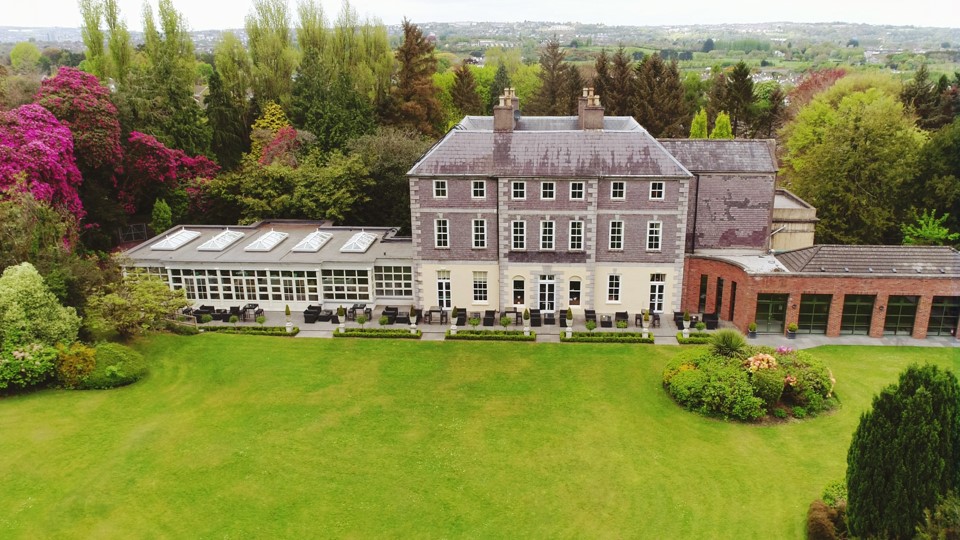
Photograph: The Maryborough Hotel & Spa
Food is part of the draw here as well. Bellini’s Restaurant serves European and traditional flavours in a contemporary dining room and holds 2 AA Rosettes, while Bellini’s Bar works for cocktails or a lighter bite. Afternoon tea is served in The Drawing Room, adding to the sense that this is a hotel for slowing down rather than simply sleeping between sightseeing stops.
The ESPA spa, pool and leisure facilities make The Maryborough especially suited to couples, spa breaks, relaxed weekends, or anyone who wants a softer landing after a busy day in Cork city. There is an indoor pool, sauna, steam room, Jacuzzi and gym, so it works well if you want wellness to be part of the stay rather than a quick add-on.
For a food-led Cork break, I would think of The Maryborough as the quieter counterpoint to the city-centre hotels. You sacrifice some walkability, but gain gardens, parking, spa facilities and a more restorative base for exploring Cork at your own pace.
Best for: spa breaks, couples’ weekends, garden views, parking, quieter Cork stays, wider County Cork exploring.
Check current rates and availability for The Maryborough Hotel & Spa.
Where to stay in Cork for first-time visitors
For a first visit to Cork, I would usually start with the city centre, South Mall, the Victorian Quarter or Horgan’s Quay. These areas keep you close to the places most visitors want to see first: the English Market, St Patrick’s Street, Cork Opera House, Shandon, Nano Nagle Place and the River Lee.
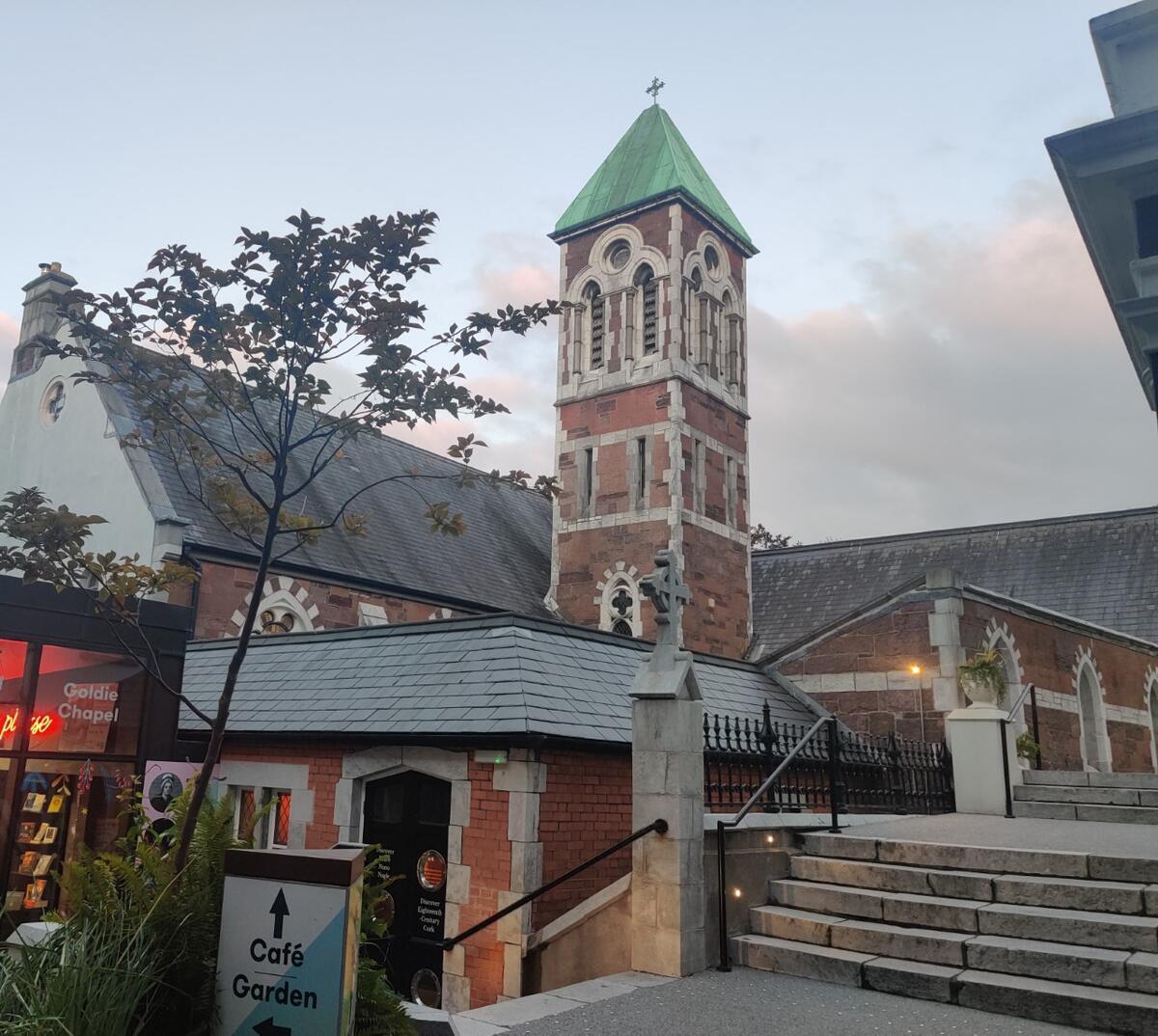
Photograph: Eileen Coffey / Fáilte Ireland
They also make Cork feel easy, which matters on a short city break. You can walk to breakfast, wander through the city, stop for a pint, book dinner without worrying too much about taxis, and get a proper feel for the city’s food, pubs and culture in a short amount of time.
The Imperial Hotel is the strongest choice for classic city-centre convenience and historic atmosphere. It works especially well for a first Cork city break because the location is hard to beat: South Mall feels central, polished and close to everything without losing that old-Cork sense of occasion.
The Metropole Hotel is a good alternative for travellers arriving by train or anyone drawn to the Victorian Quarter. MacCurtain Street has plenty of restaurants, bars and cafés, while Kent Station is close by and the main city centre is still within easy walking distance.
The Dean Cork works well for a more contemporary first stay. Its Horgan’s Quay location is useful for rail arrivals, Sophie’s Rooftop gives you an immediate food-and-drink angle, and the hotel has a more modern, design-led feel than Cork’s heritage properties.
For a first visit with a softer pace, The River Lee is worth considering too. It keeps you close to the city while giving you riverside walks, easy access to University College Cork and Fitzgerald Park, and a little more breathing room than the busiest central streets.
If you are planning a first Cork trip without a car, I would keep things simple: choose somewhere walkable, give yourself time to wander, and avoid overloading the itinerary. Cork is a city that rewards pottering as much as planning.
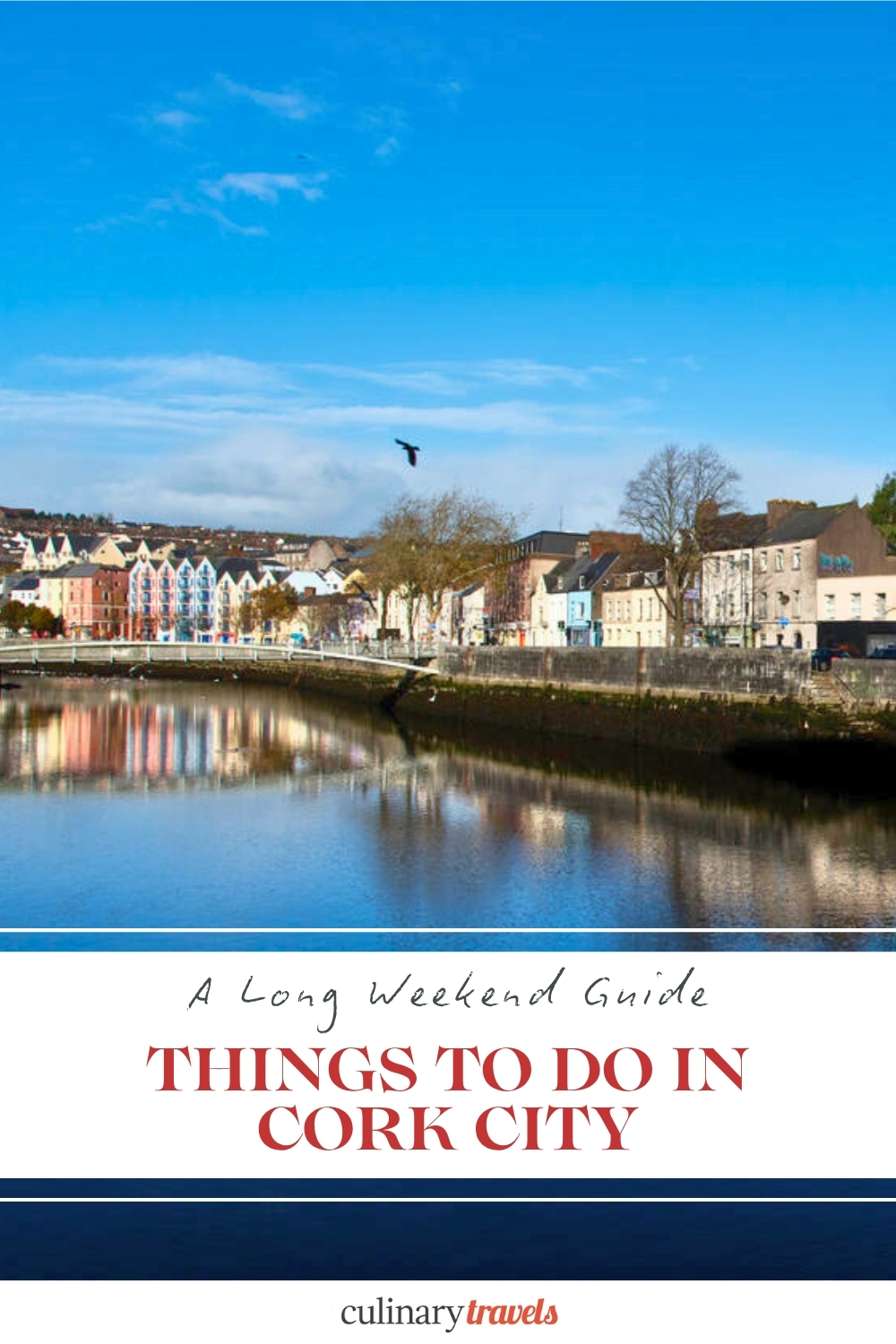
For a full weekend plan, pair your hotel choice with my Cork long weekend guide, which covers food, pubs, markets, culture and realistic day trip ideas.
Where to stay in Cork for food lovers
If food is one of the main reasons you are visiting Cork, I would choose your hotel based on how you like to eat when you travel. Do you want to walk out to pubs, markets and restaurants? Do you want a hotel with a strong dining room of its own? Or do you want a slower, more indulgent stay built around afternoon tea, cocktails, spa time and dinner without too much rushing around?
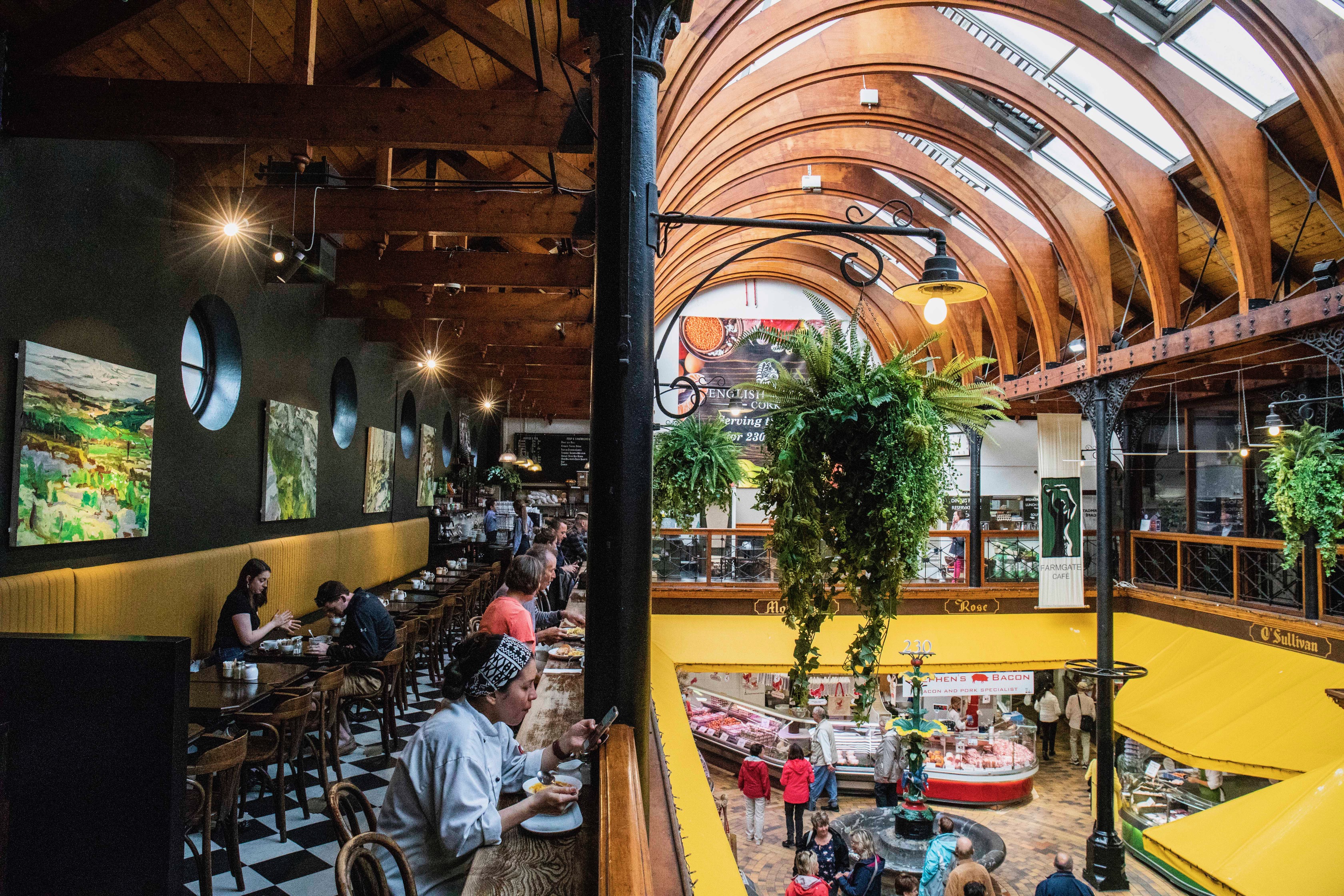
Photograph: Clare Keogh
For a first food-led Cork city break, The Imperial Hotel is hard to beat. Its South Mall location puts you close to the English Market, cafés, pubs, shops and restaurants, while the hotel itself gives you several food and drink options: Helena’s Restaurant, Fitzgerald’s Bar and Lafayette’s Café. It is a particularly good choice if you want a classic Cork base with plenty within walking distance.
The Metropole Hotel is another strong option for food lovers, especially if you want to be close to MacCurtain Street and the Victorian Quarter. This area has a lively food and drink feel, with restaurants, bars, cafés and music nearby, while the hotel’s own food offering is being shaped around local produce and contemporary Irish hospitality.
For rooftop dining and a more modern city-break feel, The Dean Cork works well. Sophie’s Rooftop Restaurant & Bar is the obvious draw, with city views, terraces and a menu built around seasonal ingredients, local producers, cheeses and seafood. It is a good fit if you want your hotel restaurant to feel like part of the Cork night out rather than just somewhere convenient to eat.
For a more luxurious food-led stay, Hayfield Manor is one of the strongest choices. Orchids Restaurant, Perrotts Garden Bistro and Bloom give guests several ways to eat on site, while the hotel’s gourmet experiences, such as oyster shucking with Champagne, Irish soda bread making, cheese and whiskey pairing and smoked salmon tasting, make food feel woven into the stay rather than tacked on.
The River Lee is a good riverside choice if you want hotel dining, cocktails and easy access back into the city. The River Club Bar & Terrace works for all-day dining and drinks by the water, while The Grill Room focuses on locally sourced steaks, seafood and seasonal produce. It is a good compromise if you want a strong hotel food and drink offer without moving too far away from the city itself.
If you want a hotel that feels like a destination in itself, The Montenotte brings a strong food-and-drink angle through Panorama, Panorama Terrace and The Glasshouse. It is less of a walk-out-to-everything base, but it works beautifully if you want views, cocktails, dinner and a more designed hotel experience.
For a quieter food-and-spa break outside the city centre, The Maryborough Hotel & Spa is worth considering. Bellini’s Restaurant, Bellini’s Bar and afternoon tea in The Drawing Room make it a good choice if you want a relaxed hotel-led stay rather than a weekend built entirely around city wandering.
Some Cork hotels are better chosen for parking, spa facilities, views or convenience than for food alone, and that is fine too. If eating out is the main point of the trip, I would stay central or close to MacCurtain Street. If the hotel is part of the treat, Hayfield Manor, The Montenotte, The River Lee or The Maryborough make more sense.
This guide focuses on where to stay. Once you have chosen your base, use my full guide to where to eat in Cork to plan neighbourhood cafés, seafood, vegetarian dining, international kitchens, afternoon tea and restaurants worth booking. If the Market itself is high on your list, my detailed guide to Cork’s English Market covers what to eat and buy, its traditional foods and history, Farmgate Café and practical tips for visiting.
Where to stay in Cork without a car
You do not need a car for a Cork city break, especially if you stay in the city centre, Victorian Quarter, Horgan’s Quay or along the more central parts of the River Lee. Cork is compact in the areas most visitors are likely to use, and many of its best food, pub, shopping and cultural stops can be reached on foot once you choose the right base.
That said, walkable does not always mean flat. Cork has its fair share of hills, so comfortable shoes are a better idea than anything too optimistic, especially if your plans take you up towards Shandon, St Luke’s or Patrick’s Hill.
For travellers arriving by train, The Metropole Hotel and The Dean Cork are two of the most practical choices. The Metropole is close to Kent Station and places you on MacCurtain Street, with restaurants, bars and cafés nearby. The Dean Cork, at Horgan’s Quay, is also well placed for the station and suits travellers who want a more contemporary hotel with rooftop dining on site.
For classic city-centre convenience, The Imperial Hotel is hard to beat. Its South Mall location puts you close to the English Market, St Patrick’s Street, Cork Opera House, Nano Nagle Place and plenty of pubs and restaurants. If you want to arrive, drop your bags and spend most of the weekend on foot, this is one of the easiest bases.
The River Lee is also worth considering without a car, particularly if you like the idea of riverside walks, University College Cork, Fitzgerald Park and slightly more breathing room while still being close to the city. It is not quite as central as South Mall, but it still works well for a walkable Cork stay.
If you are not hiring a car, I would think more carefully before choosing Douglas, airport hotels or business-district bases such as Little Island. They can be useful for specific trips, but they are less convenient if your main aim is to wander Cork’s pubs, cafés, markets and evening streets without planning transport each time.
Best choices without a car: The Imperial Hotel, The Metropole Hotel, The Dean Cork and The River Lee.
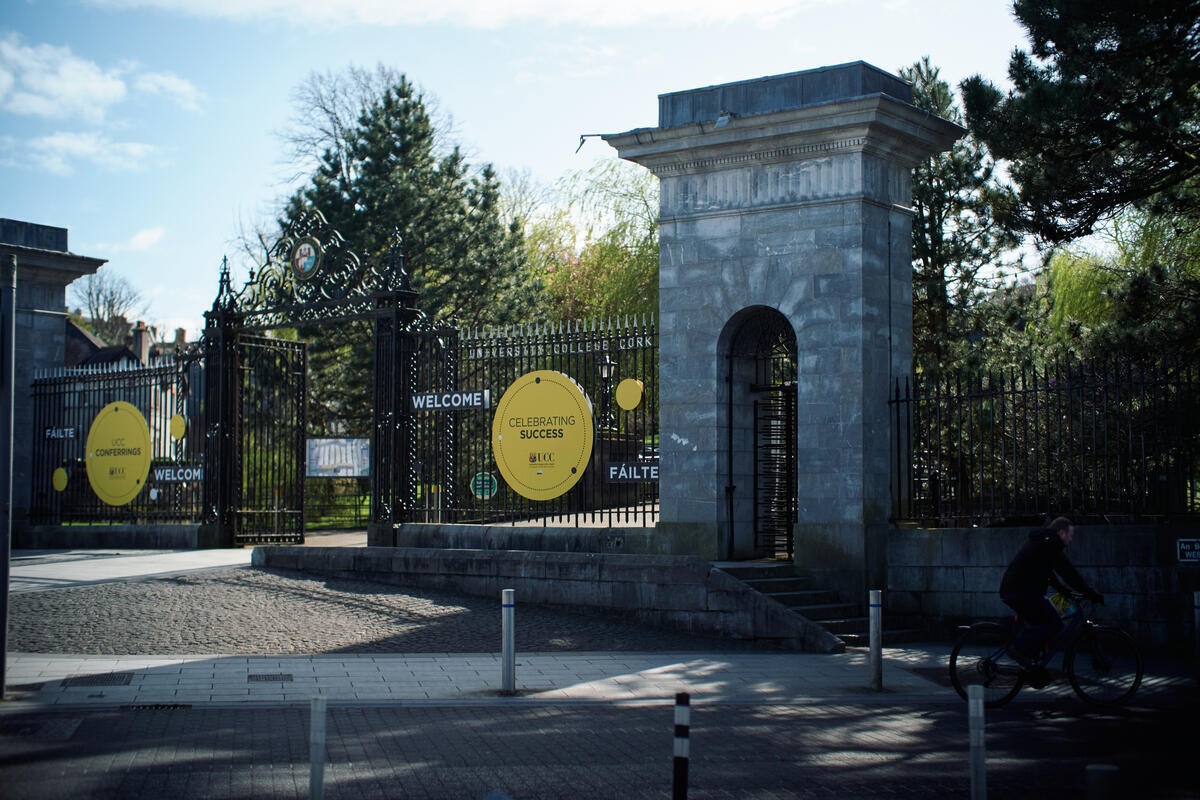
Photograph: Islander / Fáilte Ireland
Where to stay in Cork with parking
If you are bringing a car to Cork, or planning to hire one for day trips, it is worth thinking carefully about where you stay. Cork city itself is very walkable once you are settled, but parking can be more of a consideration in the most central areas, particularly around busy weekends, events and peak travel dates.
For the easiest parking-friendly stays, I would look first at hotels just outside the busiest city-centre streets. The Maryborough Hotel & Spa in Douglas is a strong choice if you want gardens, spa facilities, complimentary parking and easier access towards wider County Cork. It works especially well if your trip includes places like Fota, Midleton, East Cork or West Cork as well as time in the city.
The Kingsley is another useful option if you want to stay along the River Lee with parking, spa facilities and good access to University College Cork, Fitzgerald Park and routes out of the city. It gives you a softer, more spacious base than the most central hotels while still keeping Cork city within easy reach.
The Montenotte and The Address Cork are also worth considering if you are driving and want views, character and a quieter base above the city rather than a purely city-centre stay. They are less walk-out-the-door central than South Mall or MacCurtain Street, but that trade-off may be worth it if you want easier practicalities and a calmer feel. At The Address Cork, parking is complimentary but available on a first come, first served basis, so it is useful rather than guaranteed.
If you prefer to stay right in the centre, The Imperial Hotel, The Metropole Hotel, The Dean Cork and The River Lee may still work, but check the hotel’s current parking arrangements before booking. Central Cork hotels can be brilliant for walking, food and evening atmosphere, but parking is not always as simple as pulling up outside and forgetting about the car for the weekend.
If you are flying into Cork and planning to explore beyond the city, hiring a car can make sense for places such as Kinsale, Blarney, Fota, Midleton or parts of West Cork. For a city-only break, though, I would usually skip the car and choose a walkable base instead. Comfortable shoes will probably do more for your Cork weekend than a set of car keys.
Compare car hire options for Cork.
Best choices with parking: The Maryborough Hotel & Spa, The Kingsley, The Montenotte and The Address Cork.
What about Cork Airport and Little Island?
If you are arriving late, leaving early, travelling for work, or need quick access to business areas outside the city, it may make sense to look at hotels near Cork Airport or Little Island. These areas can be practical for specific trips, especially if convenience, parking or road access matters more than being able to walk out to pubs, cafés and restaurants.
For a first Cork city break, though, I would usually choose the city centre, South Mall, the Victorian Quarter, Horgan’s Quay, Western Road or one of the more characterful hotel bases above. They give you a much better feel for Cork’s food, pubs, markets, river walks and evening atmosphere.
Airport and business-district hotels absolutely have their place, but they are not the strongest choice if your main aim is to experience Cork as a city. Use the booking search tool above to compare current availability if location and convenience matter more than neighbourhood character.
FAQs
What is the best area to stay in Cork for a first visit?
For a first visit to Cork, the city centre, South Mall, the Victorian Quarter and Horgan’s Quay are usually the easiest areas to stay in. They keep you close to the English Market, St Patrick’s Street, Cork Opera House, pubs, cafés, restaurants and the River Lee, so you can get a good feel for the city without needing a car.
Is Cork city centre a good place to stay?
Yes, Cork city centre is a very good place to stay, especially if you want to walk to food, pubs, shops and cultural sights. South Mall is particularly useful if you want a central, polished base with historic hotels and easy access to the English Market and the wider city centre.
Where should I stay in Cork without a car?
If you are visiting Cork without a car, look at the city centre, South Mall, the Victorian Quarter, Horgan’s Quay or the more central riverside areas. The Imperial Hotel, The Metropole Hotel, The Dean Cork and The River Lee are all useful options for travellers who want to explore mostly on foot.
Where should I stay in Cork with parking?
If parking matters, look slightly beyond the busiest central streets. The Maryborough Hotel & Spa, The Kingsley, The Montenotte and The Address Cork are all useful options if you want parking, more space, spa or leisure facilities, and easier access to wider County Cork. Always check current parking arrangements before booking, as some hotel parking is limited or available on a first come, first served basis.
What is the best area to stay in Cork for food and pubs?
For food and pubs, I would focus on the city centre, South Mall, the Victorian Quarter and Horgan’s Quay. These areas keep you close to the English Market, MacCurtain Street, restaurants, cocktail bars, old pubs and easy evening wandering. The Imperial Hotel, The Metropole Hotel and The Dean Cork are especially useful food-led bases.
Is it better to stay in Cork city or outside the centre?
For a first Cork city break, I would usually stay in or close to the city centre. You will get a much better feel for Cork’s food, pubs, markets, culture and evening atmosphere. Staying outside the centre can work well if you have a car, want spa facilities, need parking, or are using Cork as a base for day trips.
Should I stay near Cork Airport?
Staying near Cork Airport can be practical if you are arriving late, leaving early or travelling for work. For a leisure trip, though, I would usually choose a more central or characterful base instead, so you can enjoy Cork’s restaurants, pubs, markets and cultural sights more easily.
Is Cork walkable for a weekend break?
Yes, Cork is very walkable for a weekend break if you choose the right base, especially around the city centre, South Mall, the Victorian Quarter and the River Lee. That said, walkable does not always mean flat. Cork has its fair share of hills, so comfortable shoes are a better idea than anything too optimistic, especially if your plans take you up towards Shandon, St Luke’s or Patrick’s Hill.
Where should I stay in Cork for a luxury break?
For a luxury or more elevated Cork break, consider The Imperial Hotel for historic city-centre elegance, Hayfield Manor for five-star garden calm, The Montenotte for destination-hotel style, The Address Cork for Victorian character above the city, or The Maryborough Hotel & Spa for a quieter spa stay outside the busiest central streets.
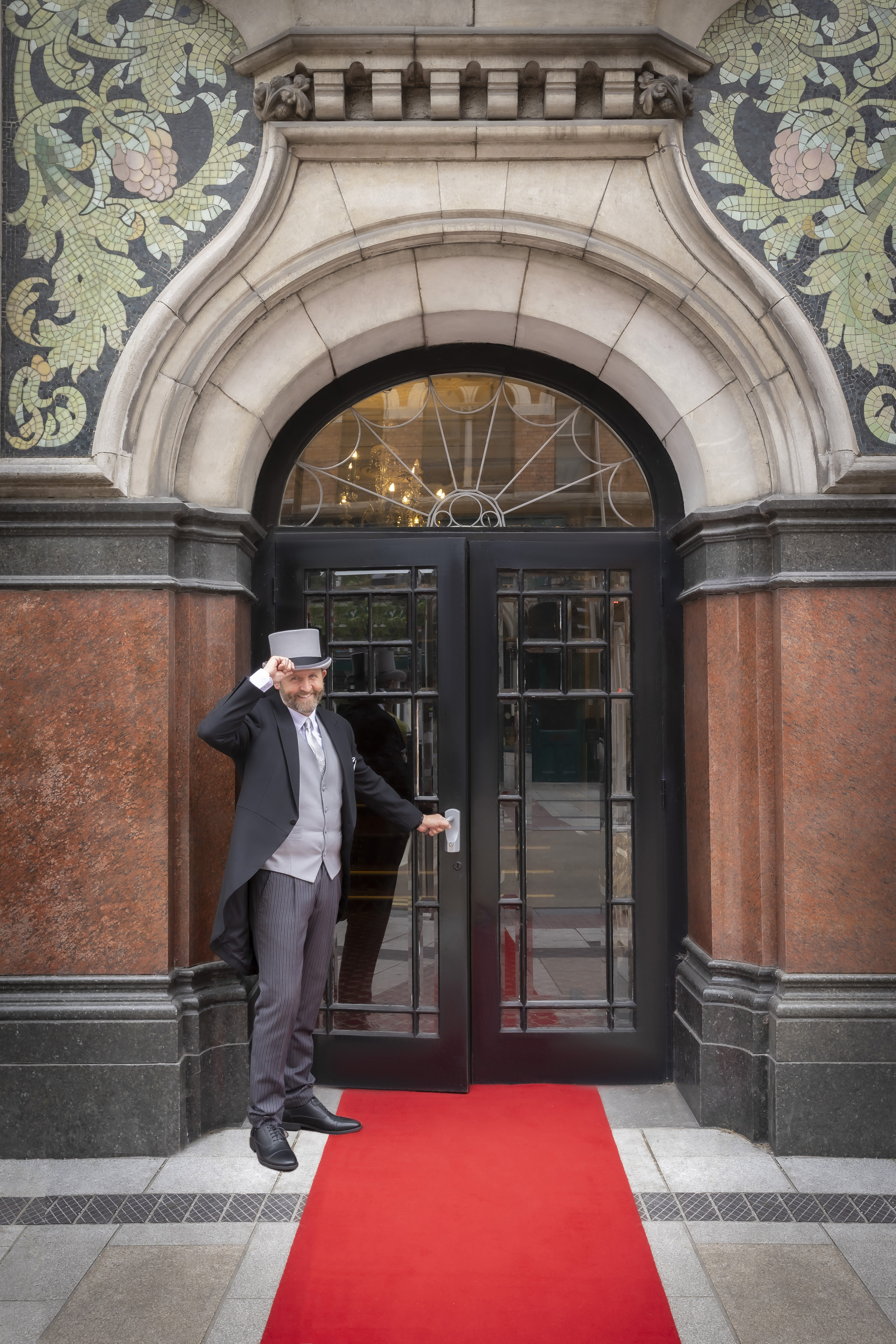
Photograph: The Metropole Hotel
Final thoughts
For a first Cork city break, I would usually choose somewhere central, walkable and full of character. South Mall, the Victorian Quarter, Horgan’s Quay and the more central stretches of the River Lee all make good bases, depending on whether you want historic atmosphere, food and pubs, rail convenience, riverside calm or a more design-led stay.
If you are planning a slower or more indulgent trip, Cork also has plenty of hotels that feel like part of the experience rather than just somewhere to sleep. Hayfield Manor, The Montenotte, The Address Cork, The Maryborough and The Kingsley all bring something different to the mix, from garden retreats and city views to spa facilities, parking and a quieter base outside the busiest streets.
The best place to stay in Cork really comes down to how you want the trip to feel. For a short first visit, stay close to the centre and let the city unfold on foot. For a longer stay, a spa break, or a trip that includes day trips into wider County Cork, it can be worth choosing somewhere with more space, parking or easier road access.
This Cork accommodation guide will be updated as hotels refresh, new places open and the wider Cork series grows. For now, start with where you want to wake up, then build the rest of your trip around food, pubs, markets, river walks and the kind of Cork weekend that gives you a reason to come back.
Plan the rest of your time in Cork
Once you have chosen where to stay, start shaping the wider trip with my Cork long weekend guide, which brings together pubs, markets, culture, walkable city-centre planning and realistic day trip ideas.
Then plan your meals with the detailed guide to where to eat in Cork, covering neighbourhood cafés, seafood, international kitchens, hotel dining and restaurants worth booking. For one of the city’s essential food stops, my in-depth guide to the English Market in Cork covers what to eat and buy, traditional Cork foods, the Market’s history, Farmgate Café, opening hours and practical visiting tips.
Future Cork guides will go deeper into the city’s old pubs and local stout, along with nearby trips to Cobh, Kinsale, Blarney, Fota, Midleton, West Cork and the coast. For now, choose the base that best suits your trip, keep enough time for the city itself and let Cork give you a reason to come back.
Stay in Touch
Culinary Travels publishes destination guides, seasonal recipes, and food-led travel features from the UK and beyond.
Follow for new articles and updated travel resources:
Instagram | X | Facebook | Pinterest
Newsletter
Receive new guides, recipes, and occasional travel planning notes by email: Subscribe here
Reader feedback and local recommendations are always welcome via the contact page.
©2026 Culinary Travels. Culinary Travels is written and edited by Georgina Ingham | Website designed by The Smarter Web Company
What Our Followers Say
"A highly complimentary article ... showcasing why the English Market remains one of Ireland's premier food destinations"
Cork City Council via Facebook
"Our list of things to do in Cork has just expanded hugely thanks to Culinary Travels."
Triskel Art Centre Cork, via Twitter
“Tried this last night and it was delicious!”
Reader feedback via Pinterest, Yangzhou Fried Rice Recipe
"Oh yum!!! I could eat one or two right now!"
Sami Tamimi, via Instagram, on Ma’amoul Cookies
"Georgina was great to work with, quick to respond, and is a excellent content writer - would highly recommend"
Nick S - Get Blogged
“A simple no-knead dough transformed into beautiful, rustic rolls.”
Reader feedback via Pinterest, No-Knead Ciabatta Rolls Recipe