
Articles


A Long Weekend in Cork: Food, Pubs, Markets and Coastal Day Trips
TRAVEL GUIDE
Cork is compact enough for a long weekend but far too characterful to rush. This food-led three or four-day guide brings together the English Market, old pubs, riverside walks, cultural landmarks, central places to stay and one carefully chosen day trip.
Some articles on Culinary Travels may contain affiliate links, meaning I may earn a small commission at no extra cost to you. I only recommend places, experiences and products that fit the editorial tone and standards of the publication. Update note: This guide was originally published in June 2020, fully rewritten in June 2026 to reflect current visitor information, travel insights and a more considered way of exploring the city.
Photograph: Luke Myers (Fáilte Ireland)
“It’s always Cork first and Ireland second.” The Roy Keane line has become one of those very Cork sayings: half joke, half civic manifesto. It captures something visitors quickly notice about the city. Cork is not trying to be a smaller Dublin, a quick stop before Kerry, or a convenient place to pass through on the way west. It has its own rhythm, language, humour, food culture and confidence. Spend a long weekend here and you start to feel why locals talk about “town” with the kind of affection usually reserved for family.
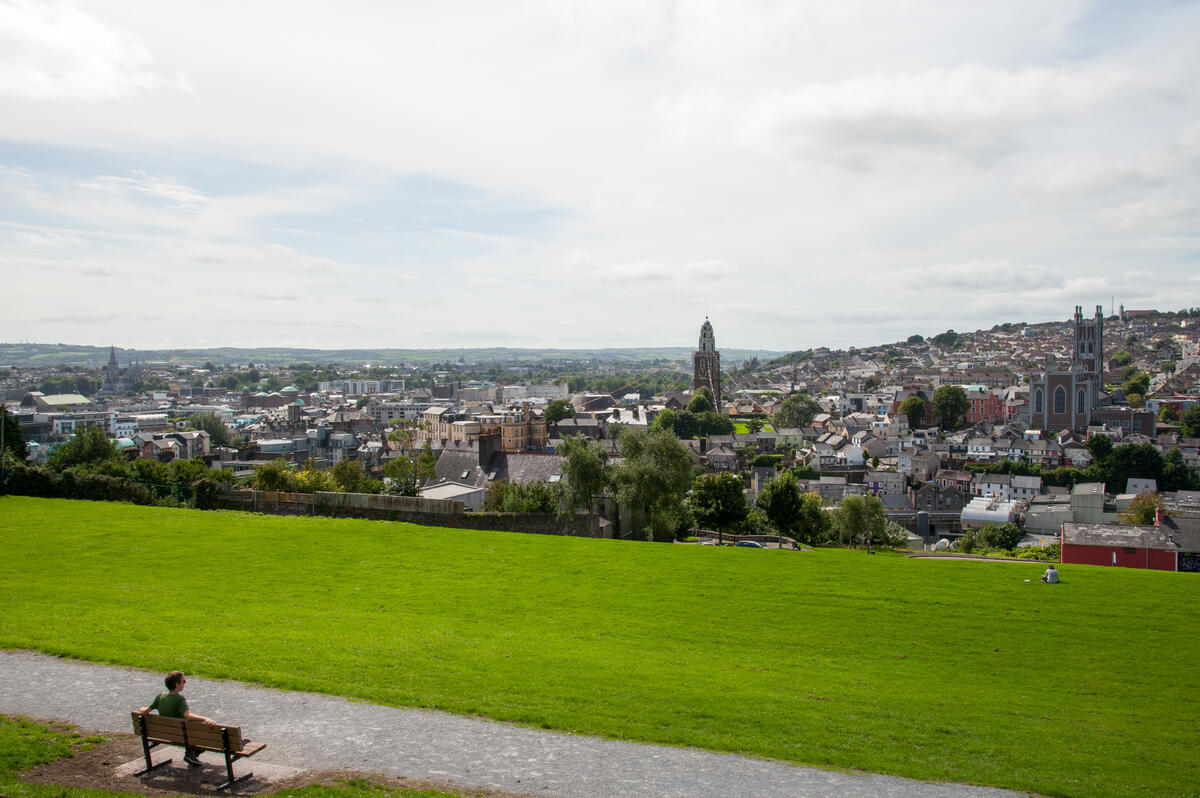
Cork City sits on an island between two channels of the River Lee, with bridges, quays, hills and older streets giving the centre a shape that feels compact but layered. It is a city made for wandering slowly: through the English Market in the morning, along the river when the light is good, up towards Shandon or Bell’s Field when you want a view, and into a proper Cork pub when the weather inevitably decides to have opinions.
This guide is designed for a food-led long weekend in Cork, with the city kept firmly at the heart of the trip. It is not an attempt to squeeze the whole county into three or four days. Cork, the county, is far too generous for that. Instead, this is a practical way to explore Cork City well, with time for markets, pubs, culture, independent cafés, local food, riverside walks and one easy day trip if you have an extra day to spare.
In this guide
1. Quick answer: how to spend a long weekend in Cork
2. Map of Cork city sights, food stops and day trips
3. Why Cork works so well for a long weekend
4. What makes Cork different?
5. How many days do you need in Cork?
6. Where to stay in Cork
7. A food-led long weekend itinerary for Cork
8. Where to eat and drink in Cork
9. Best pubs and bars in Cork
10. Things to do in Cork city
11. Best day trips from Cork
12. Practical tips for planning a Cork weekend
13. FAQs about visiting Cork
14. Final thoughts on spending a long weekend in Cork
Quick answer: how to spend a long weekend in Cork
For a first visit, Cork works best as a three or four-day city break. Spend your arrival day getting your bearings around the River Lee, MacCurtain Street, the city centre and the quays. Use your first full day for the English Market, Shandon, the Cork Butter Museum and proper Cork pub culture. Keep another day for Nano Nagle Place, St Fin Barre’s Cathedral, Elizabeth Fort, UCC, Fitzgerald Park, the Cork Public Museum and one of the city’s hilltop views. If you have a fourth day, choose one easy day trip to Cobh, Kinsale, Blarney, Fota or Midleton.
Stay central if you can. South Mall, the city centre, MacCurtain Street, the Victorian Quarter and the area around Kent Station are all useful bases for a Cork weekend, keeping you close to markets, restaurants, cafés, pubs, shops, cultural venues and transport links. For a fuller comparison of areas, hotel styles, walkability and parking, see my guide to where to stay in Cork.
The biggest mistake is trying to treat Cork City and County Cork as the same trip. You can absolutely use the city as a base for a day trip, but the long weekend works better when Cork City remains the main event. Give the city time to do what it does best: feed you well, send you up a hill, pull you into a conversation, and make you wonder why you did not stay longer.
Map of Cork city sights, food stops and day trips
Use the map below to get a sense of how Cork’s city sights, food stops, pubs and easiest day trips sit together. The main focus is Cork City, with a few nearby options marked for anyone adding one extra day beyond the city.
Why Cork works so well for a long weekend
Cork is one of those cities that rewards a slower pace. It is compact enough to explore without over-planning, but characterful enough that a long weekend never feels thin. The centre is shaped by the River Lee, with streets, bridges, quays, markets, theatres, churches, galleries, cafés and pubs all sitting within a relatively walkable area. You can cross from a food market to a Georgian church, from a riverside walk to a small cinema, or from a historic pub to a hilltop view without the day needing to become an endurance test.
That said, Cork is not completely flat. The city centre itself is easy to navigate, but some of Cork’s best views and most atmospheric older streets involve a climb. Patrick’s Hill is famous for a reason, and the walk towards Bell’s Field will remind you quickly that Cork is a city built with gradients as well as bridges. Comfortable shoes matter here. So does leaving enough space in the day to stop, look around, and recover with coffee, a pint of Murphy’s, or whatever the weather has decided you deserve.
For a first-time visitor, the city works especially well because it offers several different versions of Cork in one trip. There is the food city, anchored by the English Market and shaped by spiced beef, butter, seafood, local produce, cafés, restaurants and independent food businesses. There is the pub city, with old bars, local stout, conversation, trad music and a deep sense of atmosphere. There is the cultural city, with venues such as Triskel Arts Centre, Cork Opera House, The Everyman, Nano Nagle Place and St Peter’s Cork. Then there is the riverside city, all bridges, quays, slopes and glimpses of the Lee.
Cork also has the advantage of being a strong base without demanding that you leave it. Cobh, Kinsale, Blarney, Fota and Midleton are all realistic day-trip options, but the city itself is not just somewhere to sleep between excursions. A good Cork weekend keeps the centre at the heart of the visit, then adds one nearby escape if time allows.
Photograph: Clare Keogh
What makes Cork different?
One of the quickest ways to misunderstand Cork is to describe it only as Ireland’s second city. Technically, yes, it is smaller than Dublin. Spiritually, it is having none of that. Cork has always carried itself with a particular kind of confidence: playful, stubborn, self-aware and deeply local. It is there in the way people talk about going into “town”, in the loyalty to local stout, in the pride around the English Market, and in the sense that Cork is not waiting for anyone else to validate it.
The city’s geography helps shape that feeling. Cork City grew around the River Lee, with its centre sitting on an island between two channels of the river. Bridges are part of daily movement here, not just scenery. The quays give the city openness, while the hills pull the eye upwards. You feel the harbour history, the food-trade history, the butter history, and the way older commercial streets sit close to cultural spaces, pubs and newer independent businesses.
Food is central to that identity. Cork is not a place where food feels added on for visitors. The English Market remains one of the city’s defining civic spaces, while the wider food culture reaches into cafés, restaurants, fishmongers, butchers, cheesemongers, bakeries, food festivals, local producers and pub sandwiches. Spiced beef, seafood, butter, farmhouse cheese, local stout and serious coffee all belong to the story.
The pub culture is just as important. Cork pubs are not simply places to drink; they are places to listen, talk, sit, observe and absorb the city at room temperature. The best ones do not need to shout for attention. They have low light, polished wood, regulars, stories, old habits, good staff, and a feeling that the city has been passing through them for generations.
Cork’s friendliness is often talked about anecdotally, but it has also been recognised more formally. Tourism Ireland welcomed the news that Cork was voted the second friendliest city in Europe by readers of Condé Nast Traveller in 2023. Rankings come and go, of course, but in Cork’s case the description feels less like a marketing line and more like something visitors often notice for themselves.
What makes Cork different, then, is not one single landmark or one must-see street. It is the combination of food, humour, hills, river light, cultural spaces, pub talk, local pride and a city centre that still feels lived in. Cork is not a place to tick off too quickly. It is a place to settle into, even if you only have a long weekend.
For a quick visual sense of Cork’s island city centre, this Cork City video gives a useful feel for the streets, bridges, quays and compact geography that shape a weekend here.
How many days do you need in Cork?
Three days is enough for a good first taste of Cork City, especially if you are arriving from elsewhere in Ireland or flying directly into Cork Airport. With two nights, keep the trip city-focused. Spend one day around the English Market, Shandon, the Cork Butter Museum and the city centre, then use your second day for culture, river walks, hills, galleries, shops, cafés and pubs.
A long weekend of three nights is better. It gives you time to arrive without rushing, spend two full days exploring Cork City properly, and still add one easy day trip if you want to see more of the surrounding area. Cobh, Kinsale, Blarney, Fota and Midleton are all realistic options, depending on whether you want harbour history, coastal food, gardens, wildlife, or whiskey heritage.
Four days is ideal if you want the trip to feel generous rather than squeezed. Cork rewards a bit of looseness. It is the kind of city where you might plan to spend twenty minutes in the English Market and still be there an hour later, or stop for one drink in an old pub and find yourself staying because the room has its own gravity.
If you have a week, think beyond Cork City and build a wider County Cork trip. West Cork, the beaches, the harbour towns, the islands, food producers and coastal drives deserve more than being tacked onto the end of a city break. For this guide, the focus is deliberately tighter: Cork City first, with one day trip if time allows.
Where to stay in Cork
For a first Cork weekend, stay as central as you can. The city is very walkable by distance, but choosing the right base makes a real difference, especially if you want to move easily between the English Market, restaurants, pubs, shops, cultural venues, the River Lee and transport links.
The best areas for a first visit are the city centre, South Mall, MacCurtain Street, the Victorian Quarter, and the area around Kent Station. These keep you close to the places you are most likely to use on a short trip, while still giving you a sense of Cork’s different moods: polished Georgian streets, busy shopping areas, riverside walks, old pubs, independent cafés and restaurant-lined evenings.
South Mall and the city centre
South Mall is one of the most convenient places to stay if you want a polished, walkable Cork base. It places you close to the English Market, Grand Parade, St Patrick’s Street, Oliver Plunkett Street, the river, shops, restaurants, pubs and cultural stops. It is especially useful if you want to explore mostly on foot and return easily to the hotel during the day.
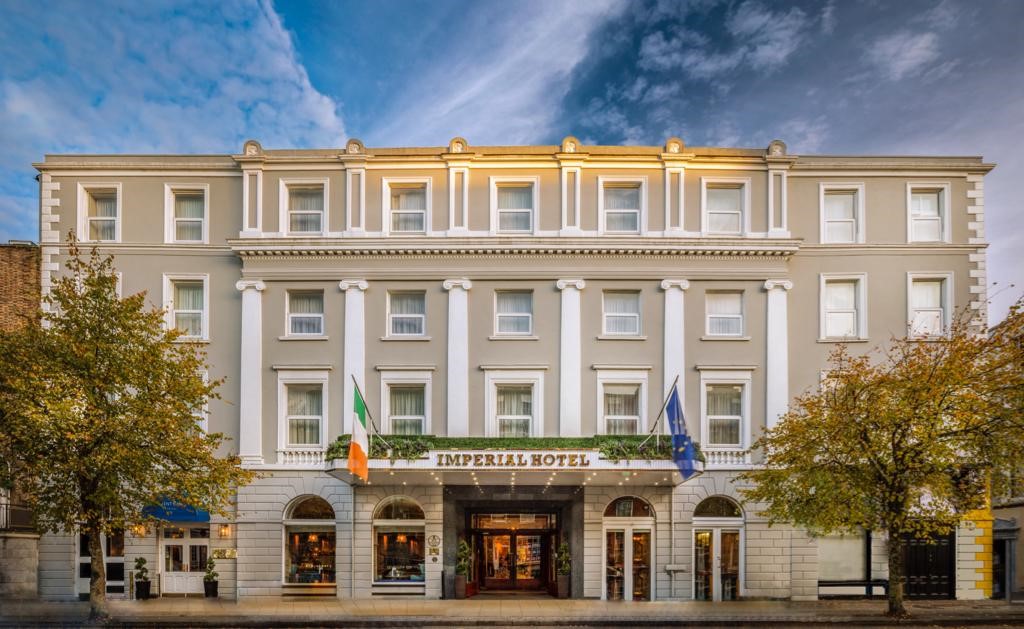
The Imperial Hotel Cork is a natural fit for this kind of trip. I have stayed there several times myself over the years, and have always enjoyed the splendid level of care, warmth and service. It has the sense of a proper city hotel: historic, polished and central, but still very Cork in its hospitality. Its South Mall location makes it particularly useful for a food-led weekend, with the English Market, cafés, restaurants, shops and old pubs all within easy walking distance.
The Imperial also works well if you want the weekend to feel like a treat rather than simply somewhere to sleep. The hotel’s food, drink and spa offering make it suited to visitors who want a comfortable city base with a little occasion built in. Check current rates at The Imperial Hotel Cork.
Photograph: The Imperial Hotel
MacCurtain Street and the Victorian Quarter
MacCurtain Street and the wider Victorian Quarter are excellent for visitors arriving by train, as Kent Station is close by. This area has become one of Cork’s strongest bases for restaurants, cafés, bars, theatre, music and evening atmosphere, while still being an easy walk across the river into the main city centre.
The Metropole Hotel is one of the most distinctive options in this part of the city. Open since 1897, it sits on MacCurtain Street in the heart of the Victorian Quarter, close to Kent Railway Station, The Everyman, Cork Opera House, independent cafés, restaurants, bars and the city centre. It works especially well for rail travellers, food-focused weekends, culture-led city breaks and visitors who want a historic hotel with a strong sense of place.
The hotel combines heritage architecture with contemporary guest facilities, and recent refurbishments have updated the ground floor and ballroom spaces while retaining the character of the building. Its newer food and drink offering includes artisan coffee, pastries, light lunches, cocktails, spritzes and sharing plates, making it useful not only as a base but as part of the MacCurtain Street/Victorian Quarter experience. Check current rates at The Metropole Hotel.
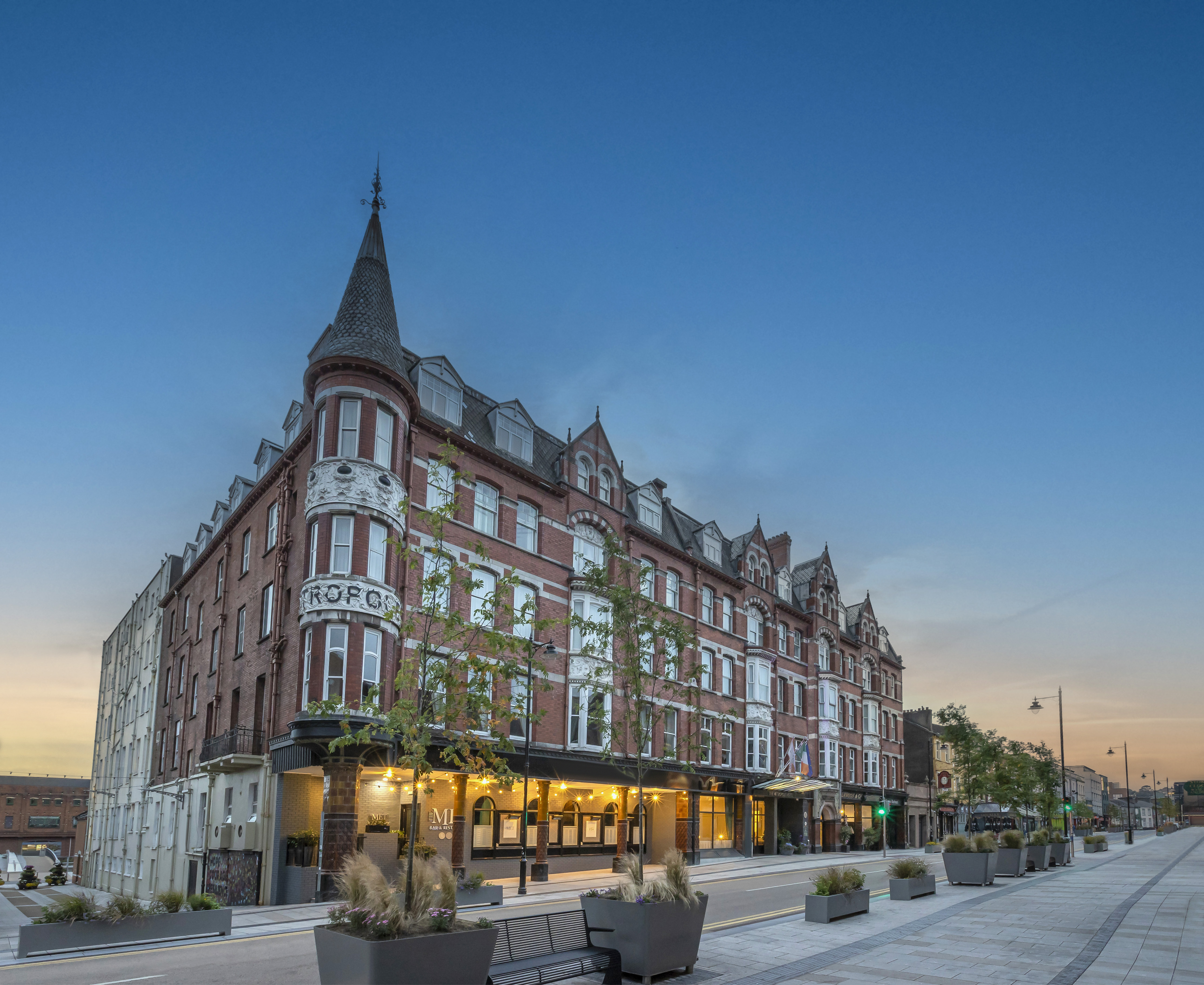
Photograph: The Metropole Hotel
Other central Cork hotel options
If The Imperial or The Metropole do not suit your dates, budget or preferred style, it is worth comparing other central Cork stays before widening the search too far. The key is to look carefully at walking distance, hilliness, parking, public transport and how easily you can return to your accommodation after dinner or a night in the pub.
For most first-time visitors, a slightly higher nightly rate in a genuinely central hotel can be worth it, particularly on a short trip. It saves time, taxi fares and unnecessary back-and-forth, and lets you experience Cork in the way the city is best enjoyed: on foot, with the occasional hill, bridge, coffee and pub stop along the way. Compare central places to stay in Cork.
For a fuller comparison of areas, hotel styles, walkability and parking, see my guide to where to stay in Cork. For this long weekend guide, the simplest advice is to keep the first visit central and make the city itself the focus.
A food-led long weekend itinerary for Cork
This itinerary is designed for a relaxed three or four-day Cork break, with food, pubs, culture and walking built into the rhythm of the trip. It keeps Cork City as the main focus, then gives you the option of one nearby day trip if you have an extra day. The aim is not to see absolutely everything. It is to leave with a proper sense of the city.
Day one: arrive, settle in and get your bearings
If you are arriving by train, Cork Kent Station brings you into the eastern side of the city, close to MacCurtain Street and the Victorian Quarter. If you are flying into Cork Airport, the city centre is a short onward journey by bus, taxi or car. Either way, keep the first day gentle. Cork is compact, but it is better approached with curiosity than military precision.
Start by getting a feel for the River Lee and the city’s shape. Walk along the quays, cross a few bridges, and let yourself understand how the centre sits between the river channels. Grand Parade, Oliver Plunkett Street, St Patrick’s Street, South Mall and MacCurtain Street all help you build a mental map of the city fairly quickly.
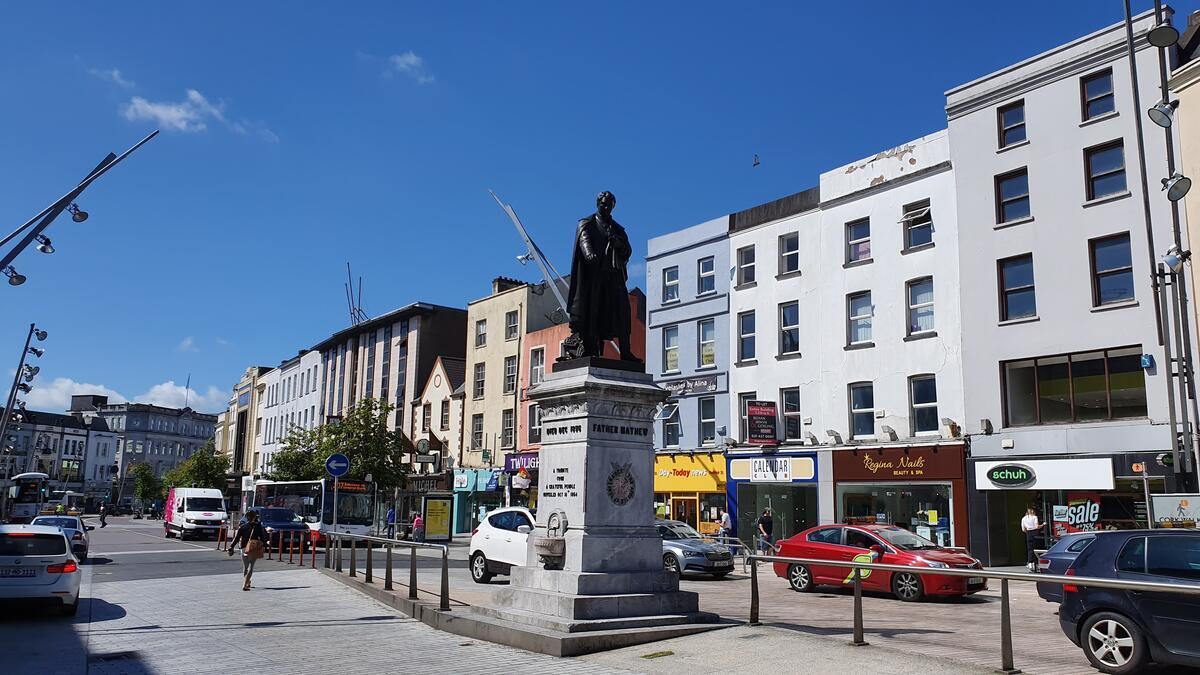
Photograph: Michelle Donovan (Fáilte Ireland/Tourism Ireland)
If you arrive early enough, this is a good time for coffee rather than a full itinerary. Three Fools Coffee on Grand Parade is well placed for a first pause in the city centre, while MacCurtain Street and the Victorian Quarter have plenty of useful cafés and restaurants if you are staying on that side of town.
For a more casual, contemporary side of Cork food culture, keep the Marina Market on your radar too. It adds a different rhythm from the English Market: less historic civic landmark, more relaxed food-hall energy, with independent vendors, street-food style eating, coffee, casual tables and a sense of Cork’s newer food scene in motion. Check current traders and opening details before visiting, as the mix can shift.
For the first evening, resist the temptation to over-plan. Cork is a good city for easing into things. Have dinner somewhere central, then choose one atmospheric pub rather than attempting a crawl. The aim on night one is simple: good food, one proper Cork room, and the pleasant realisation that you have not tried to squeeze the whole city into your arrival day.
Day two: the English Market, Shandon and Cork pub culture
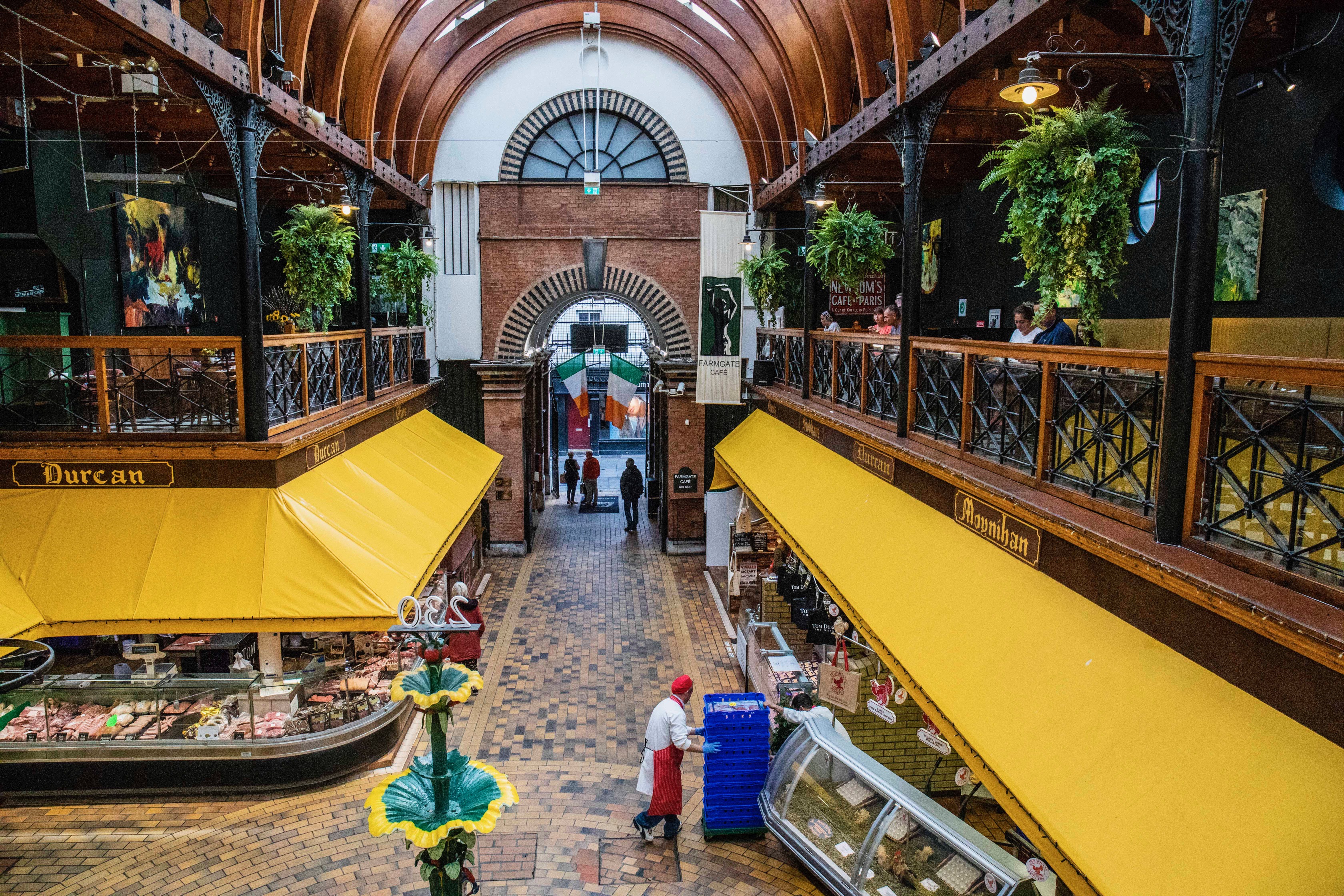
Begin the first full day at the English Market. This is one of Cork’s essential stops, but it is not just a visitor attraction. It remains a working market, a civic space, a food landmark and one of the clearest ways to understand the city’s relationship with produce, trade and everyday eating.
If the Market is one of the main reasons for your trip, my detailed guide to Cork’s English Market goes much deeper into what to eat and buy, traditional Cork foods, the traders and history, Farmgate Café and practical tips for planning your visit.
Take your time here. Look at the fish counters, butchers, cheese, bread, fruit, vegetables, olives, spices, chocolates and local specialities. Cork food culture is not abstract inside the English Market. It is right there in the stalls, in the conversations, in the shopping bags, and in the way visitors and locals move through the same space.
On a sunny day, Bishop Lucey Park is a simple but lovely place to pause after the English Market. Pick up picnic provisions from stalls such as Roughty Foodie or On the Pig’s Back, or go for something more substantial from On the Hoof or O’Flynn’s Gourmet Sausage Co, then grab coffee or cold drinks from Three Fools Coffee on Grand Parade and take everything into the park for an easy city-centre lunch. It is not a grand detour, but it is exactly the kind of small Cork moment that makes a weekend feel less rushed.
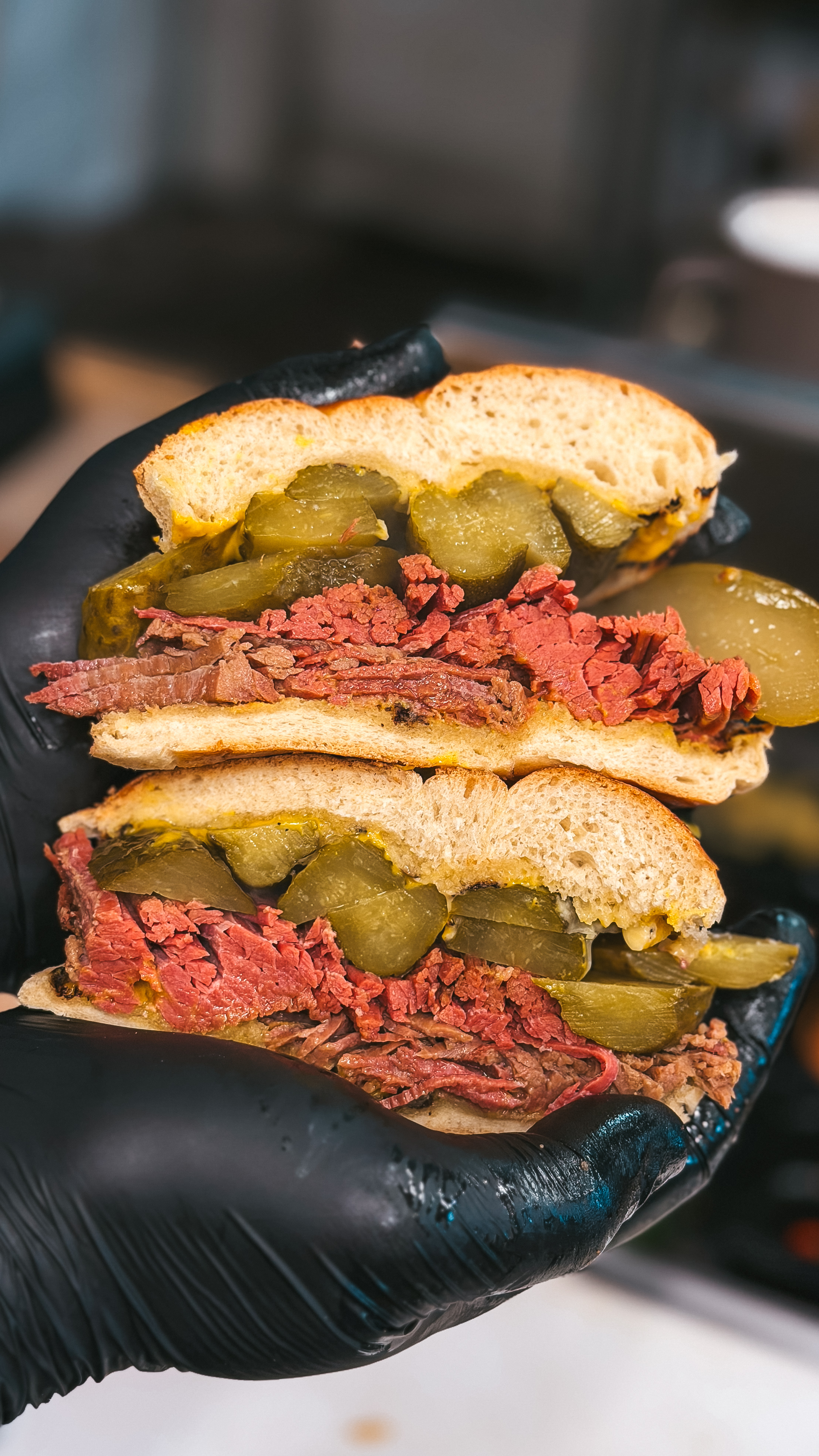
Photograph: On the Hoof
If you want to stay close to the market for something to eat, the Farmgate Café has long been part of the English Market story, serving food that feels deeply connected to the building below. This is the sort of place that makes sense in Cork: local ingredients, a view into the market, and a strong sense of the city’s food identity.
From the English Market, walk north towards Shandon. This side of the city gives you a different feel from the main shopping streets: older, hillier, and full of small shifts in perspective. The Cork Butter Museum is worth visiting if you want to understand how important butter once was to Cork’s trading history. It is a small but meaningful stop, especially in a city where food heritage still sits close to the surface.
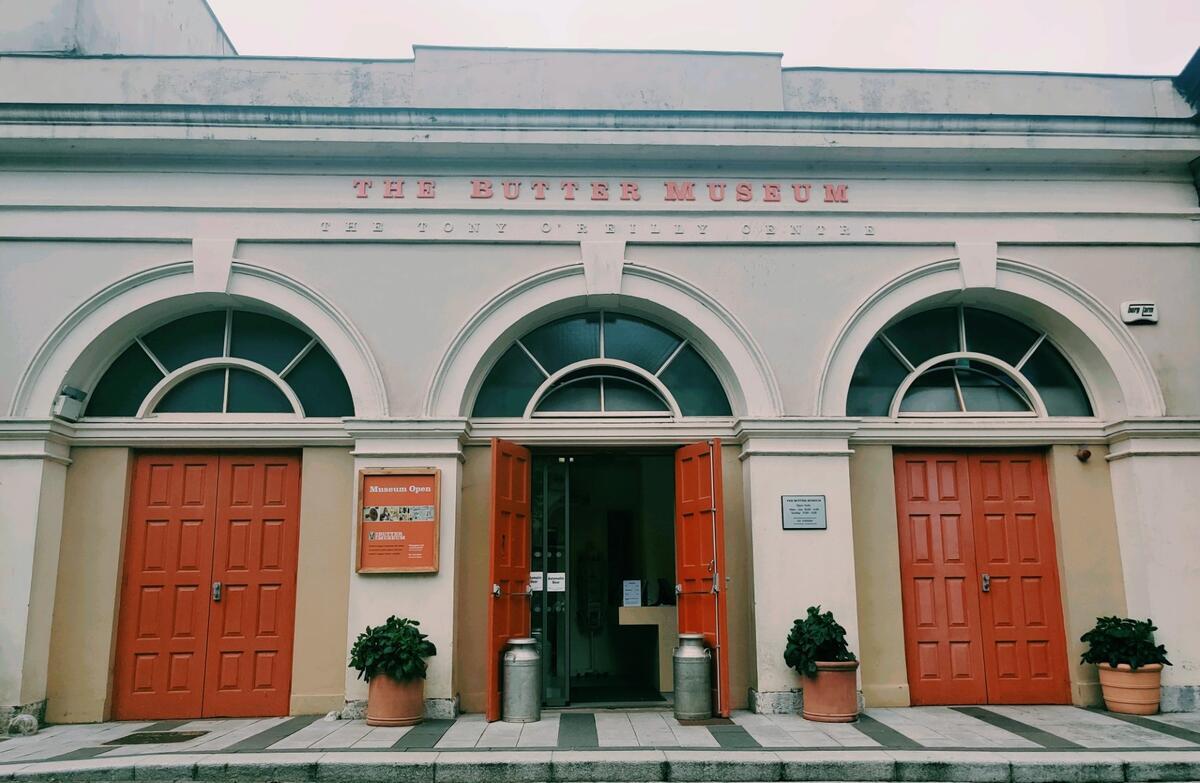
Photograph: Eileen Coffey (Fáilte Ireland)
Nearby, St Anne’s Church and the Shandon Bells offer one of Cork’s most recognisable landmarks. The climb gives you a sense of the city from above, with rooftops, hills, churches, bridges and the River Lee all helping to place the weekend in context. This is also the part of the day where you remember that Cork is not flat, no matter how walkable it looks on a map.
After Shandon, wander slowly back towards the centre. North Main Street, Paul Street, Cornmarket Street, the Coal Quay area, Grand Parade and the streets around the market all give you opportunities to pause, browse, snack or simply let the city settle around you.
Keep the evening for Cork pub culture. This is one of the city’s great pleasures, and it deserves time rather than a rushed list of stops. Mutton Lane, The Long Valley, Arthur Mayne’s, The Hi-B, Sin É and Tom Barry’s all offer different versions of Cork atmosphere, from snug historic rooms to trad music, conversation, local stout, beer gardens and late-evening character.
If you are a stout drinker, this is the night to lean local. Murphy’s and Beamish belong to Cork in a way that matters. You can order Guinness if you like, but do not be surprised if you are gently encouraged towards something more local. In Cork, stout comes with opinions.
Day three: culture, gardens, galleries, hills and river walks
Use the second full day for Cork’s cultural and quieter spaces. Start at Nano Nagle Place, one of the city’s most thoughtful heritage stops. Its gardens, museum, historic buildings and calm atmosphere make it a gentle but substantial place to begin the day. It gives a different kind of insight into Cork: one shaped by education, community, faith, women’s history and social care.
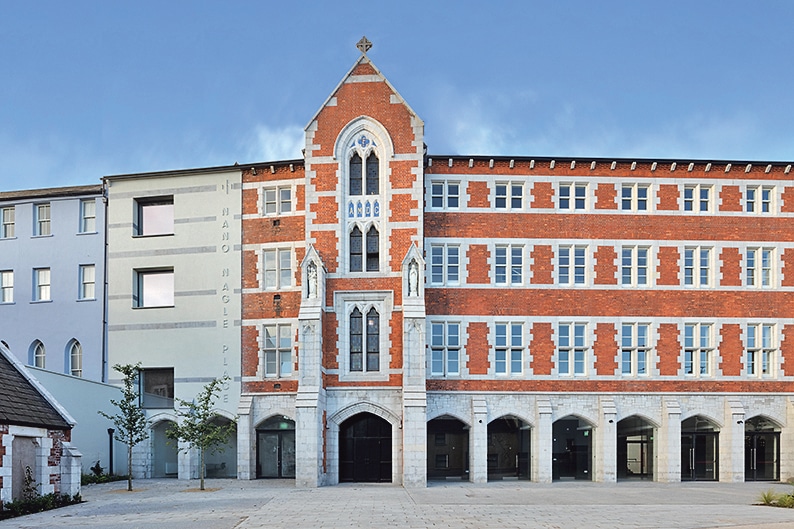
Photograph: Nano Nagle Place
From there, walk towards St Fin Barre’s Cathedral. The cathedral is one of Cork’s most striking buildings, with dramatic Gothic Revival architecture and a strong presence near the edge of the city centre. Even if you only view it from outside, it helps explain Cork’s architectural range: markets, pubs, quays, churches, old streets and grand civic spaces all sitting close together.
Elizabeth Fort is nearby and gives another useful layer of the city’s history, as well as views back across Cork. It is one of those places that helps you join the city together visually, especially if you are trying to understand how the south side, centre, river and hills relate to one another.
For visual arts, check the Crawford Art Gallery redevelopment updates before planning around a visit. The gallery is currently closed to the public as part of a major redevelopment, with reopening currently anticipated in mid-2028. Once reopened, it will again be one of Cork’s major cultural anchors, but for now it should be treated as a future stop rather than a guaranteed part of the weekend.
In the meantime, Triskel Arts Centre is an excellent cultural stop, with live music, jazz and classical programming, arthouse cinema, exhibitions, literary events and lectures inside Triskel Christchurch, a refurbished neoclassical Georgian church. Visitors can also explore the building’s heritage, including the crypt, and check the current programme before visiting.
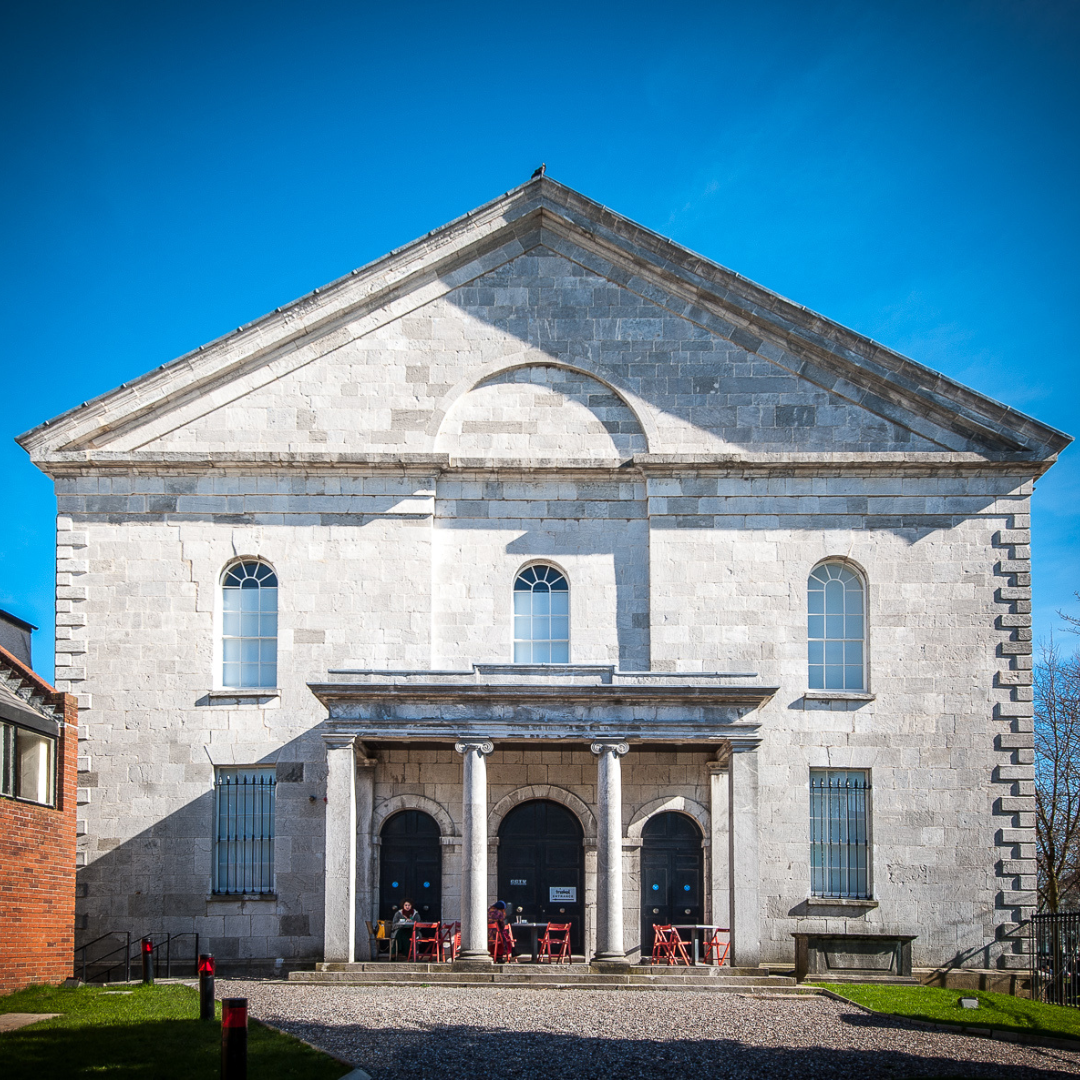
Photograph: Triskel Arts Centre
MacCurtain Street adds more live-performance energy to the weekend. The Everyman is one of Cork’s most atmospheric historic venues, with theatre, comedy, music and touring productions, while Cork Opera House brings theatre, music, comedy, dance and large-scale touring shows into the city centre. If you enjoy building a trip around an evening performance, it is worth checking both programmes before you travel.
Later in the day, head towards University College Cork, Fitzgerald Park and the western side of the city. University College Cork has some of the city’s loveliest architecture, while Fitzgerald Park gives you green space, river walks, the Cork Public Museum and access towards Sunday’s Well.
If you have energy left, this is also a good day for climbing a little higher. Bell’s Field is a lovely place to pause and take in the city from above, especially when the light is clear over the rooftops, river and hills. Patrick’s Hill gives one of Cork’s classic climbs, but it is not to be underestimated. Take it slowly, or simply admire it from below and preserve your knees for dinner.
Cork also has a pop-cultural life that visitors may recognise without quite expecting to. The Young Offenders has made the city’s lanes, hills, streets and sudden views part of its comic geography, while Angela’s Ashes, though strongly associated with Limerick, used Cork among its filming locations. I would not build the weekend around screen locations, but it adds another layer to the city: the sense that its bridges, steep streets, quays, shopfronts and hilltop views already have stories attached to them.
End the day back in the centre with something relaxed to eat. By now, Cork should be starting to feel less like a map and more like a place you can move through naturally: market in the morning, heritage by midday, river in the afternoon, pub by evening, and a hill somewhere in the middle reminding you who is in charge.
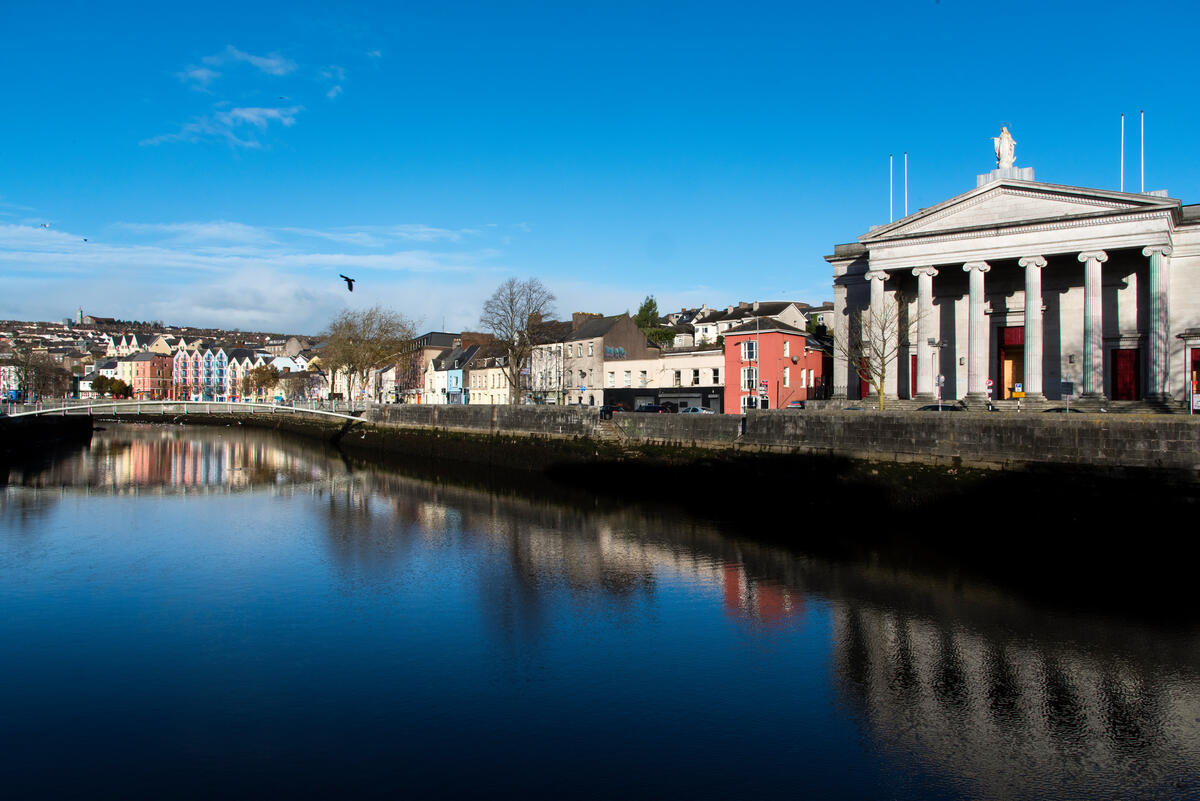
Photograph: Chris Hill (Failte Ireland)
Day four: choose one easy day trip from Cork
If you have a fourth day, choose one day trip rather than trying to fold half the county into the weekend. Cork’s surrounding towns, harbour stories, gardens, food producers and coastal routes deserve time, and the trip will be more satisfying if you pick the experience you actually want.
Cobh, pronounced “Cove”, is one of the easiest and most rewarding day trips from Cork City. It is closely tied to harbour history, emigration, Titanic stories and Spike Island, with colourful streets and a dramatic waterfront setting. It works especially well if you want maritime history, views and a strong sense of Cork Harbour.
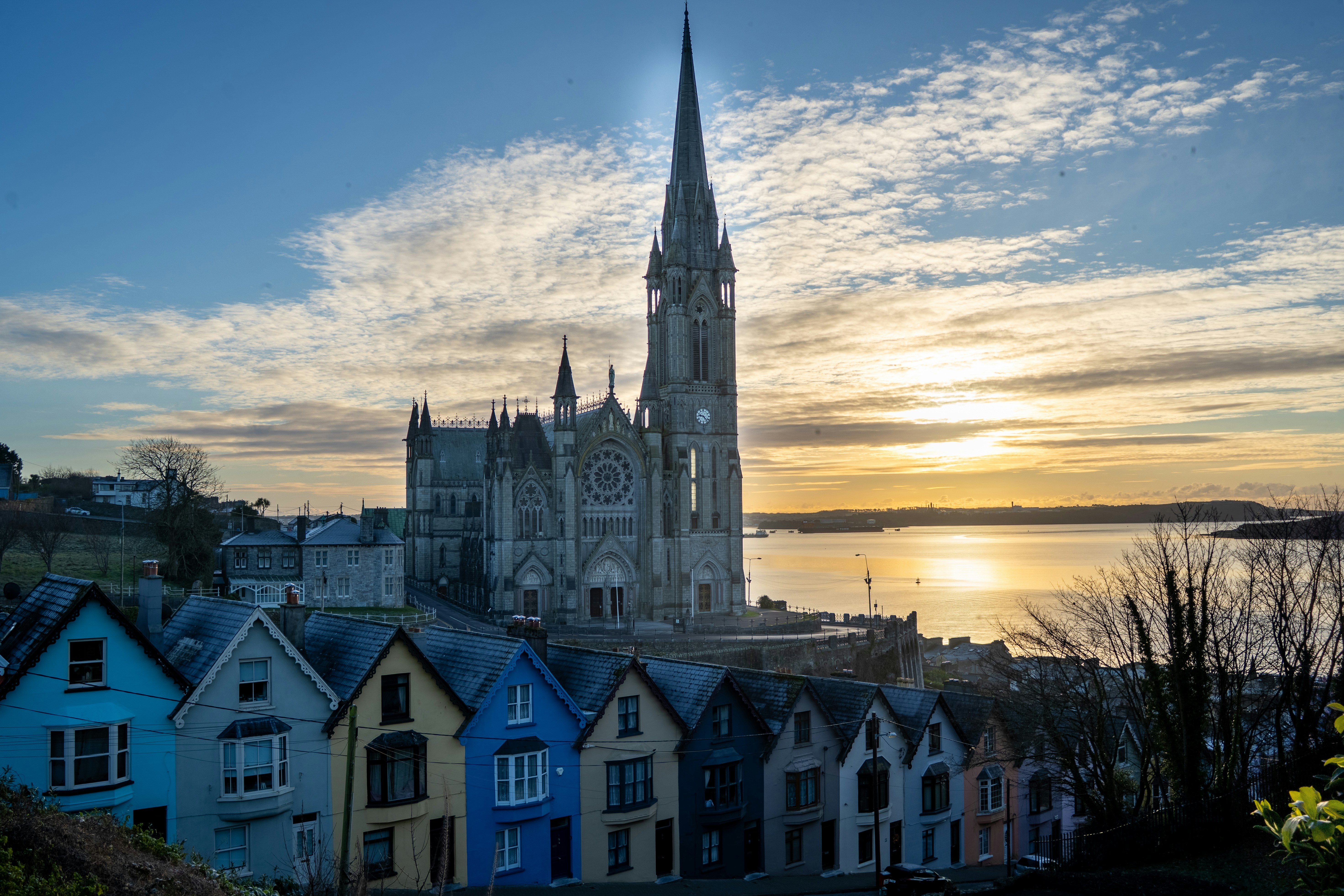
Photograph: Fabian Kleiser (Unsplash)
Kinsale is the better choice if your priority is food, colour, harbour views and coastal atmosphere. It is one of Ireland’s best-known food towns, with restaurants, cafés, galleries, narrow streets, boats, coastal walks and nearby Charles Fort. It can be busy, especially in peak season, but it has enormous charm when you give it time.
Blarney is the classic heritage day trip. The Blarney Stone gets most of the attention, but the wider estate is the real reason to allow more than a quick stop. The gardens, Fern Garden, Poison Garden and seasonal planting make it a more layered visit than many people expect.
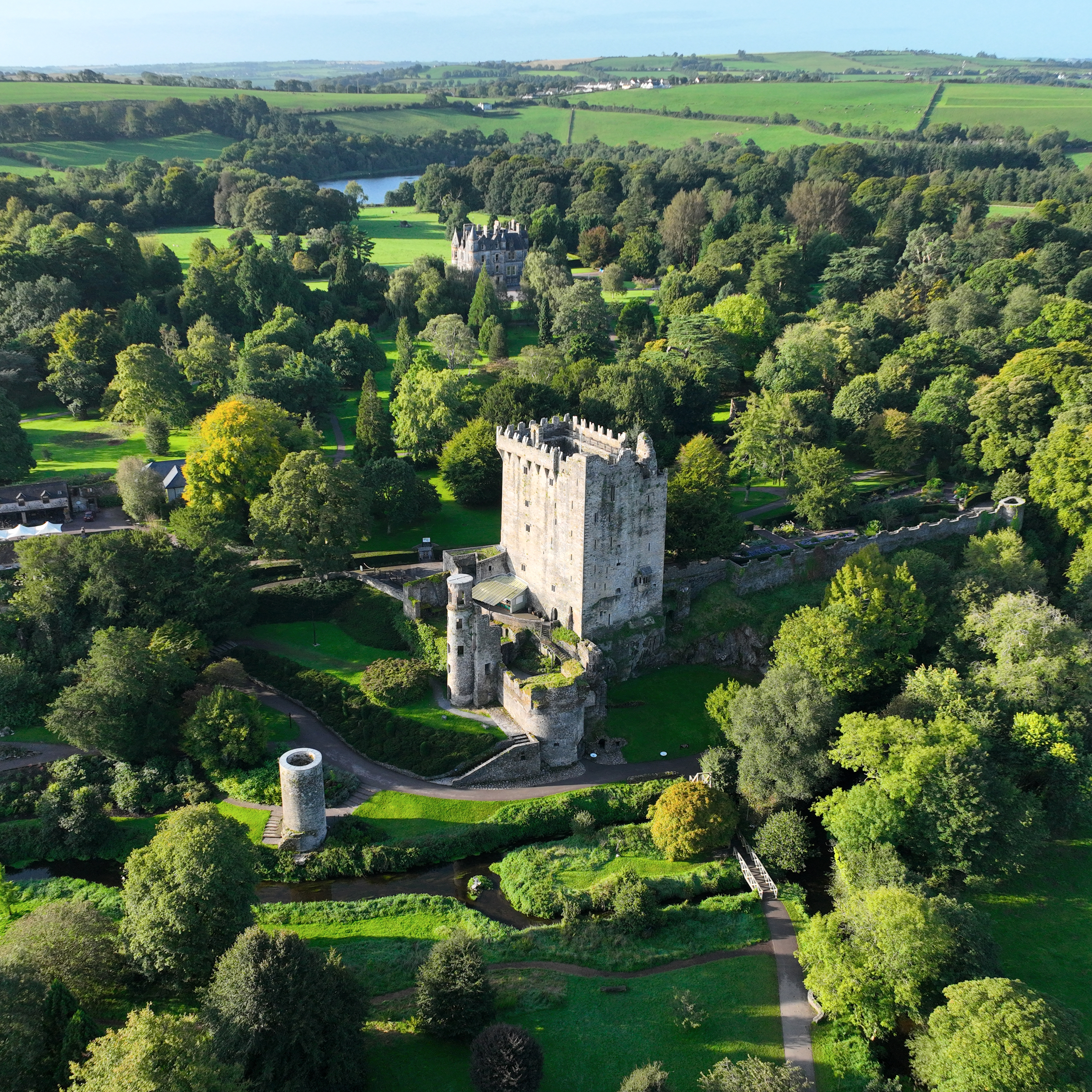
Photograph: Blarney Castle
Fota works well for families or anyone who wants a more open, outdoorsy day. Fota Wildlife Park and Fota House and Gardens can be paired together, giving you wildlife, gardens, history and a slower pace outside the city.
Midleton is the natural choice for whiskey heritage and East Cork food culture. The Midleton Distillery Experience is the major draw, but the town also sits within a wider food region that deserves more attention than it sometimes gets from visitors rushing between bigger-name stops.
West Cork is not really a day trip from Cork City in the same easy sense. You can technically reach parts of it, but it is better treated as a separate trip, especially if you want coastal towns, beaches, food producers, islands and slower scenic drives. Let the long weekend belong mostly to Cork City, and let West Cork be the reason you come back.
Where to eat and drink in Cork
Cork has a strong claim to being one of Ireland’s great food cities. The English Market sits at the centre of that reputation, but the wider story reaches far beyond one building. Cork’s food culture is shaped by harbour trade, butter history, spiced beef, seafood, farmhouse cheese, local producers, independent restaurants, international food businesses, cafés, pubs, food festivals, markets, food trucks and pop-ups. Food is not a side note here. It is one of the ways the city understands itself.
The English Market remains the essential starting point. Supported by Cork City Council and sitting under the remit of the Local Authority, it is still a working part of the city rather than a preserved attraction. Visitors come to look around, but Cork people still come to shop. That distinction matters. The market feels alive because it is not only performing food culture; it is part of the city’s everyday rhythm.
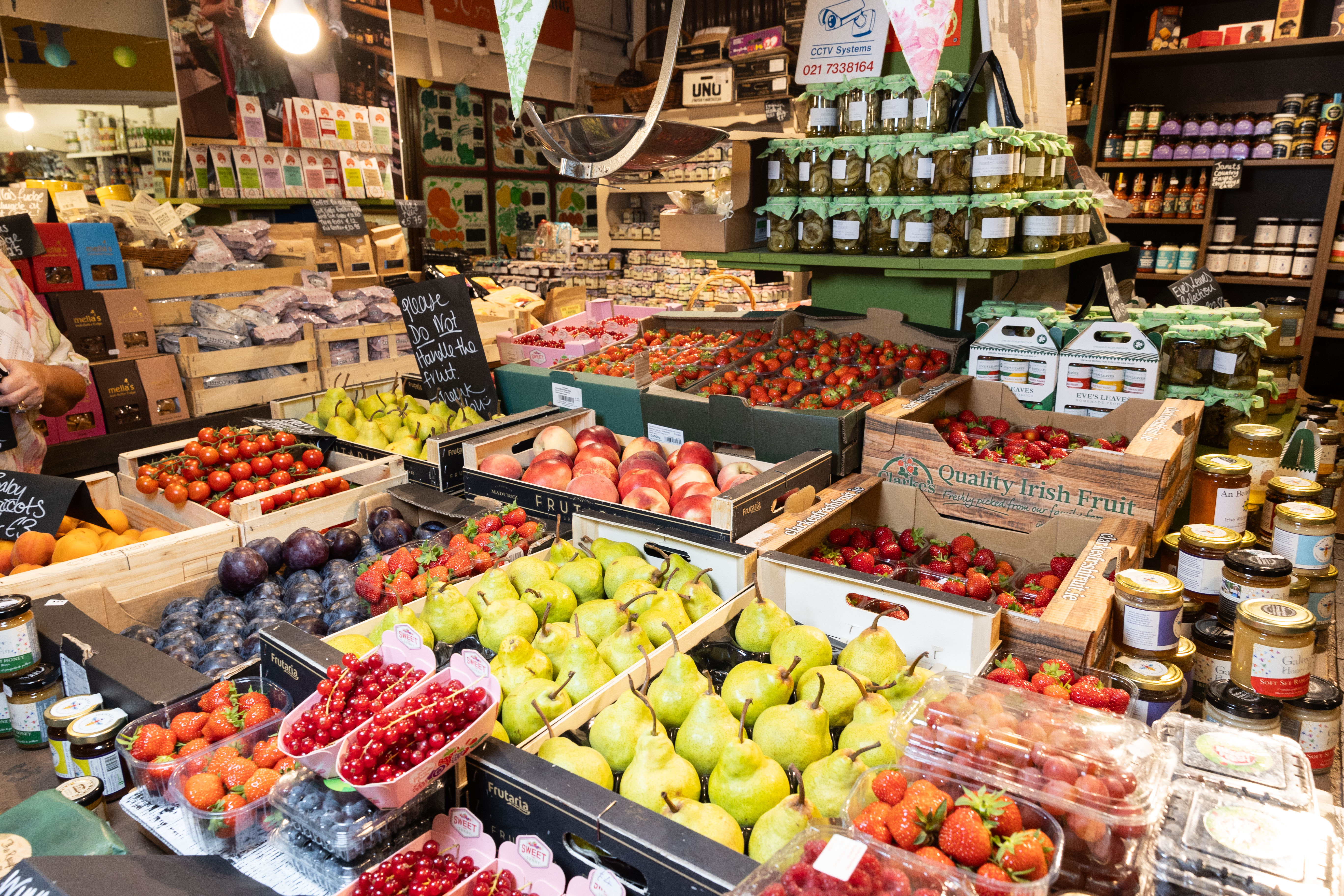
Photograph: Darragh Kane
Inside, you will find butchers, fishmongers, cheesemongers, fruit and vegetable stalls, bread, olives, spices, sweets, local produce and some of Cork’s most recognisable food names. It is the kind of place where a first-time visitor can begin to understand why Cork talks about food with such confidence. Take your time. Look up as well as around you. The building, the stalls, the conversations and the produce all belong to the experience.
The Farmgate Café is one of the most natural places to eat if you want the English Market experience to continue at the table. It has long been tied to the market’s identity, with a menu rooted in Irish ingredients, local food traditions and the produce below. It works especially well for visitors because it turns the market from a place you browse into somewhere you properly taste.
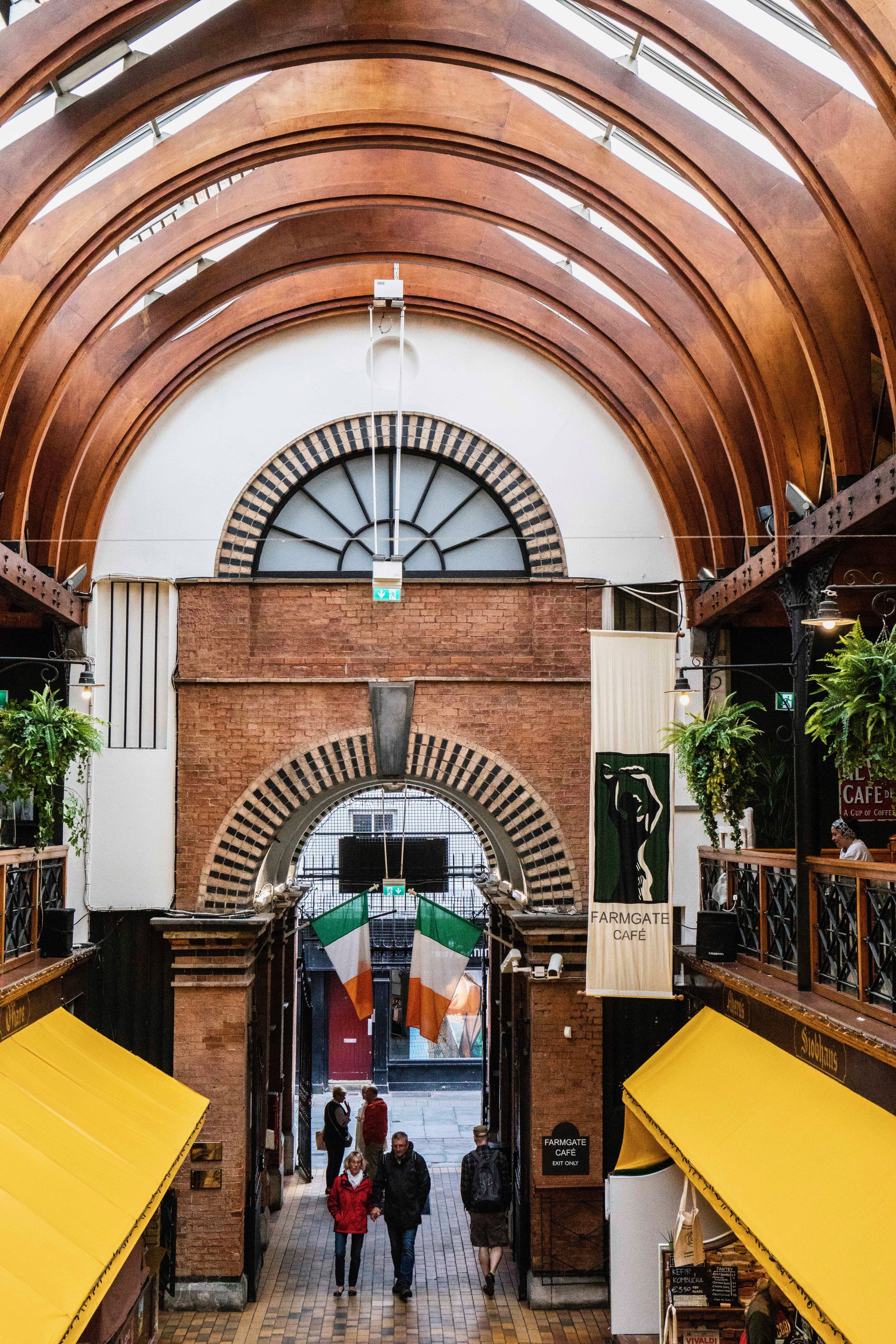
Photograph: Clare Keogh
Award-winning, Greenwich, tucked just behind Brown Thomas on Caroline Street, is another small Cork food address worth knowing about. Owner Dermot O’Sullivan describes it as a neighbourhood café with only a few tables, a historic city-centre setting and a strong focus on seasonal cooking, local produce and the privilege of having the English Market close by. First-time visitors should look out for the mushrooms on toast, made with local sourdough, basil pesto, mushrooms, slow-roasted tomatoes, Parmesan and an optional poached egg, while the in-house cakes are another reason to pause rather than rush through lunch.
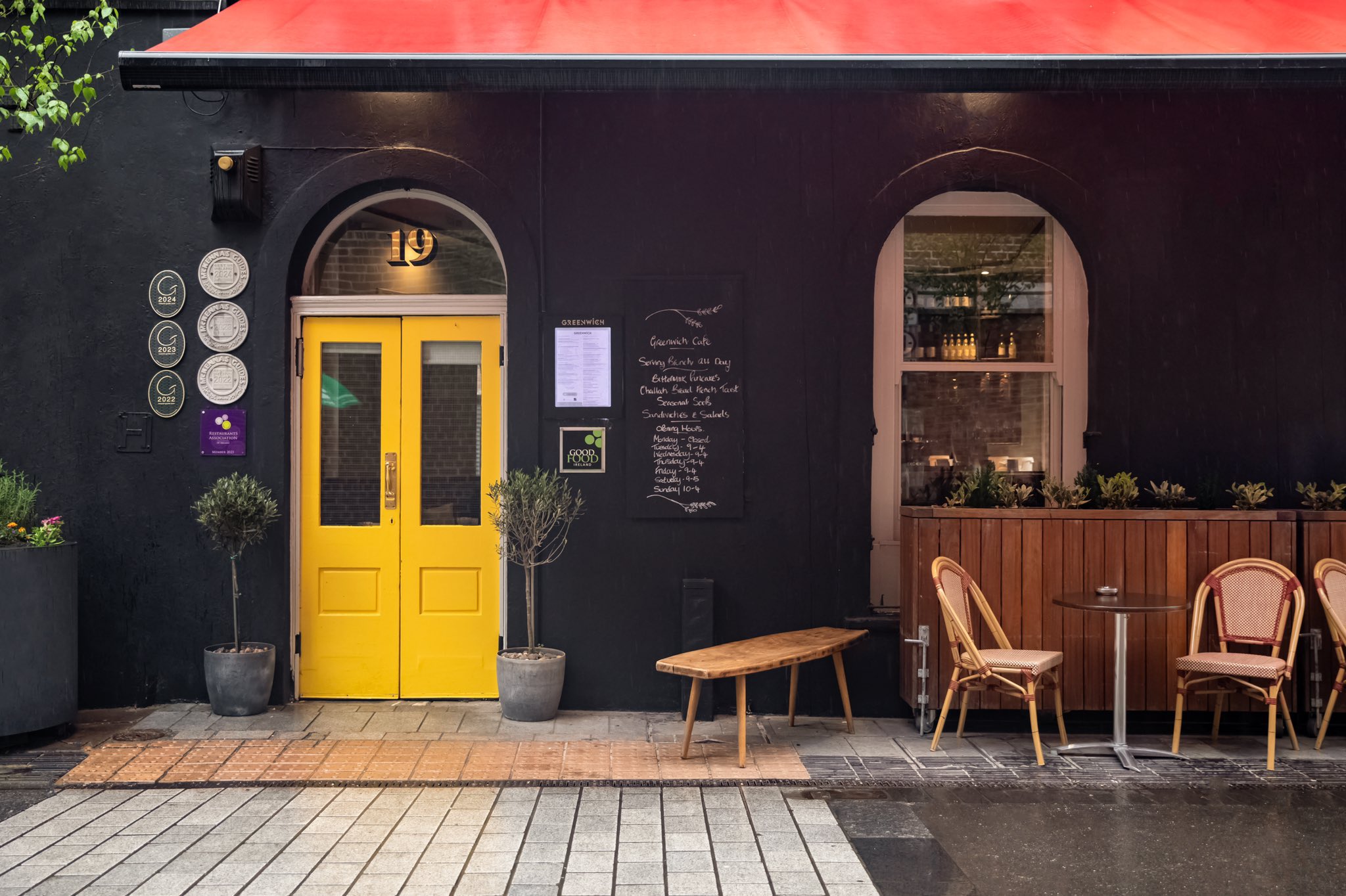
Photograph: Greenwich
For a very Cork food reference point, Tom Durcan’s spiced beef in the English Market is one of the names to know. Spiced beef is tied to Cork’s history as a provisioning port, when beef was preserved with salt and spices for transport, but it is not only a historic curiosity. It remains part of the city’s food identity, especially around Christmas, and still turns up in market counters, sandwiches, pub food and local recommendations. When I asked Dermot at Greenwich what ingredient or dish summed up Corkonian food for him, he went straight to Tom Durcan’s spiced beef.
Butter is another important part of the city’s food story. The Cork Butter Exchange was once central to international trade, and the Cork Butter Museum helps explain why dairy, butter and agricultural commerce mattered so much here. It is a small stop, but a useful one if you want Cork’s food culture to feel connected to history rather than simply to restaurants.
Seafood also belongs naturally to a Cork weekend. With Cork Harbour, Kinsale, Cobh, West Cork and the wider south coast all feeding into the city’s food identity, fish and shellfish are never far from the conversation. Look for chowder, smoked salmon, crab, mussels, fresh fish, seafood specials and fish counters in the English Market. Even if you are keeping the trip city-based, Cork’s coastal geography is part of what ends up on the plate.
For cafés and casual food, Cork is very easy to enjoy without making every meal formal. Three Fools Coffee is a useful central stop on Grand Parade, while the streets around MacCurtain Street, Oliver Plunkett Street, Paul Street, the Coal Quay and the English Market all offer places to pause between sightseeing. The city is particularly good for the kind of eating that suits a weekend: coffee here, something from the market there, a proper lunch, a pub sandwich, a pastry, a casual dinner, then a pint somewhere atmospheric afterwards.
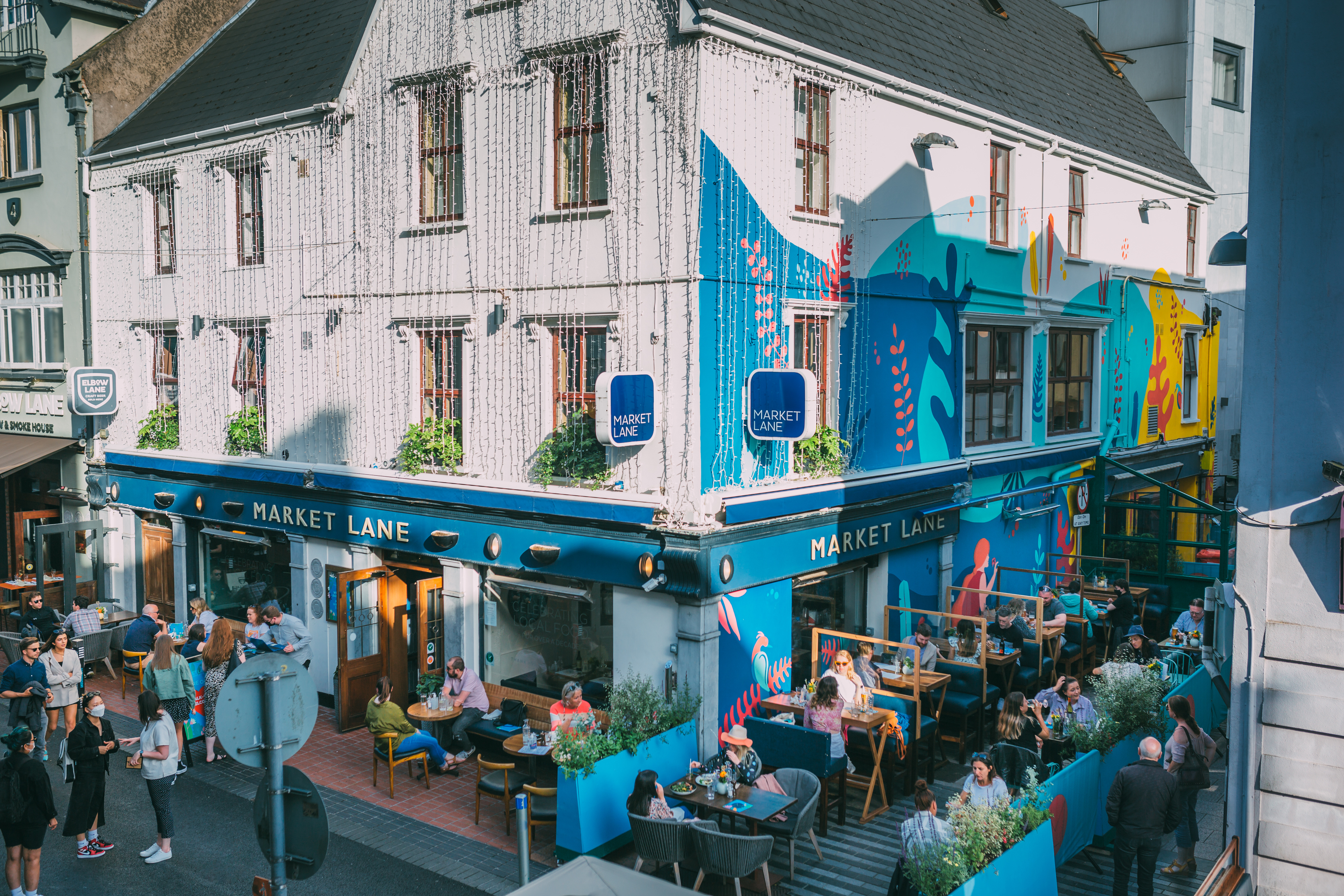
Photograph: Ruth Calder Potts
Cork’s restaurant scene is also much broader than the old clichés about Irish food. Paradiso remains one of the city’s landmark vegetarian restaurants, and Cork is generally a good city for vegetarian and vegan-leaning travellers. You will also find strong international food across the city, including Palestinian food at Izz Café, Italian cooking at Da Mirco, and a wider mix of independent restaurants, cafés and informal dining spots that reflect the city’s changing tastes.
The Marina Market adds a more contemporary layer to Cork’s food scene. It has a different rhythm from the English Market: less historic civic landmark, more relaxed food-hall energy, with independent vendors, street-food style eating, coffee, casual tables and a sense of Cork’s newer food culture in motion. It is a good option if you want something informal, sociable and flexible, though it is always worth checking current traders and opening details before you go.
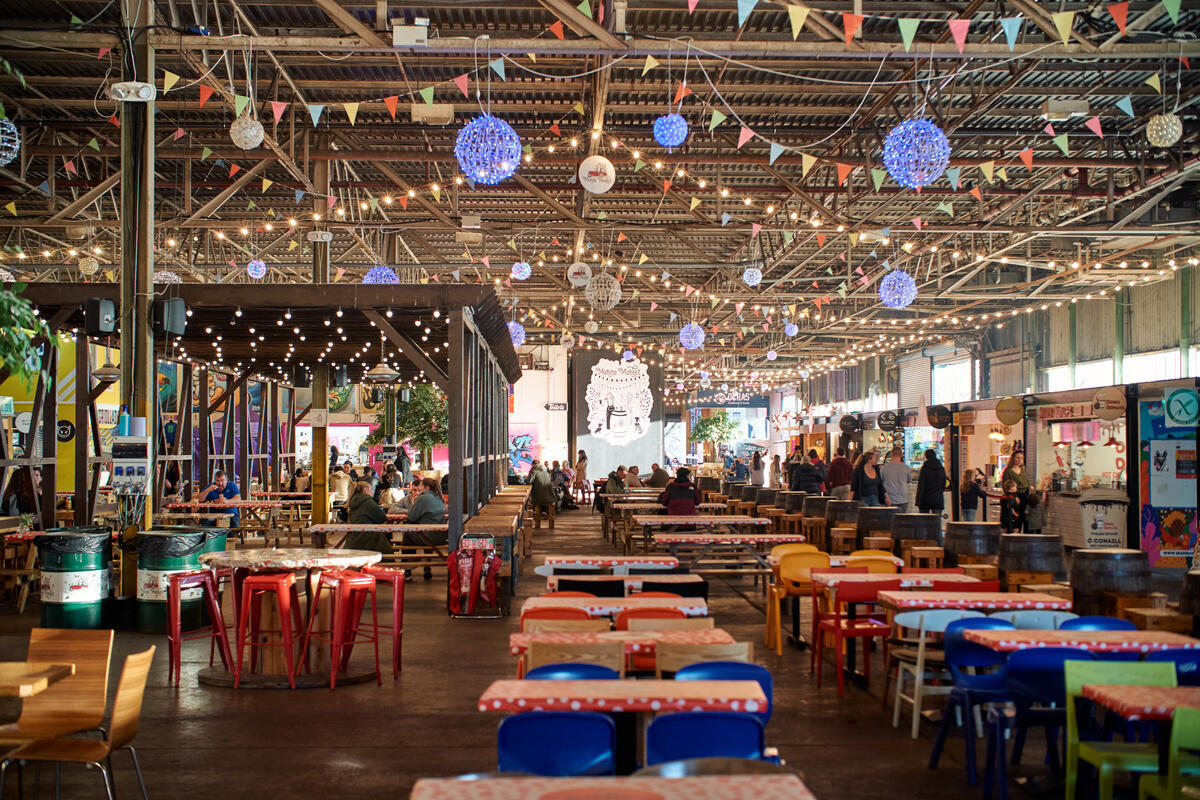
Photograph: Islander (Fáilte Ireland)
The rise of food trucks, pop-ups and casual outdoor eating has added another useful strand to the city’s food identity. Cork still has its old-school markets, pubs, cafés and restaurants, but it also has a growing appetite for flexible food spaces where independent traders can test ideas, build followings and feed people without the formality of a traditional restaurant. That makes the city feel alive, especially on a weekend when you want to graze, wander and see what is happening locally.
Food-focused visitors should also check what is happening in the city during their travel dates. Cork on a Fork Food Festival has become a major summer food event for the city, with the 2026 festival running from 12 to 16 August and almost 100 events planned across Cork, from street events and chef collaborations to demos, workshops, food and drink pairings and family-friendly events. It has also been named the number one food festival in Europe by Big 7 Travel, which gives a useful sense of how much momentum there is around Cork’s food reputation.
If you are visiting outside festival dates, the spirit of that food culture is still present. It is there in the English Market, in cafés, in restaurant menus, in the pub counter, in seasonal produce, in food trucks, in coffee queues, in local stout, and in the way Cork treats eating and drinking as part of the city’s social fabric rather than as something reserved for special occasions.
For a short visit, do not worry about chasing every recommendation. Build the weekend around a few strong anchors: the English Market, one proper café stop, one relaxed lunch, one more considered dinner, and at least one pub with real atmosphere. Cork is a city where the best food moments often happen between plans.
For detailed venue recommendations, including market lunches, neighbourhood cafés, seafood, vegetarian dining, international kitchens, afternoon tea, late-night food and restaurants worth booking, continue with my full guide to where to eat in Cork.
Best pubs and bars in Cork
Cork pub culture deserves its own time in the city. This is not a place where pubs are only an after-dinner option or somewhere to hide from the rain, though they are very useful for that too. The best Cork pubs are social spaces, cultural rooms, listening posts and informal archives. They hold stories, habits, conversations, music, local loyalties and more than a little opinion.
For visitors, the point is not to race around every famous bar in one night. Cork pubs work best when you slow down enough to feel the difference between them. Some are snug and old-world, some are lively and musical, some are known for stout, some for whiskey, some for food, some for conversation, and some for the sheer pleasure of being in a room that knows exactly what it is.
Local stout matters here. Murphy’s and Beamish both belong firmly to Cork, and ordering one of them is a simple way to drink with the city rather than against it. Guinness is, of course, available in many places, but Cork has its own stout loyalties and they are not especially shy. If you like stout, give the local pints their due.
The Hi-B
The Hi-B is one of Cork’s most distinctive pubs, hidden upstairs on Oliver Plunkett Street and famous for its old-world atmosphere, conversation culture and no-phone rule. Rachel O’Donnell-Barry, co-owner of the Hi-B Bar, describes it as “only small” but full of “old world charm”, with a calming, friendly and safe atmosphere. The music leans classic rather than loud, with old tunes such as Dean Martin and Ella Fitzgerald helping set the tone.
The pub’s history is part of its character. Rachel’s grandfather bought the Hibernian Hotel, on the corner of Oliver Plunkett Street and Winthrop Street, in the 1920s. The hotel bar sat on the first floor, partly because of the city’s flooding risk, and the Hi-B’s upstairs setting still adds to the feeling that you have stepped slightly outside ordinary street-level Cork. Small, intimate and full of old-world detail, it is the kind of room that makes conversation feel almost inevitable.
The pub is best known for preserving the art of conversation. There is no distracting television as a rule, apart from occasional significant events, and the no-phone policy remains central to its appeal.
For Rachel, that rule is not a gimmick. She describes it as “100% a selling point” and says it helps preserve the pub’s sense of interaction. The Hi-B is small, friendly and deliberately low on distractions, which makes it easier for locals, regulars, tourists and curious first-timers to talk to one another. Her advice for anyone visiting for the first time is simple: “Embrace it, enjoy it, we’re all about the people, the craic, the banter.”
That idea says a lot about Cork pubs more broadly. Rachel describes Irish pub culture as being rooted in social connection, where “everyone knows someone who knows someone” and it is easy to be drawn into the circle. She also makes an important point for modern visitors: pub culture is not only about alcohol. Non-alcoholic drinks have grown hugely in popularity, but the need for conversation, warmth and shared space remains.
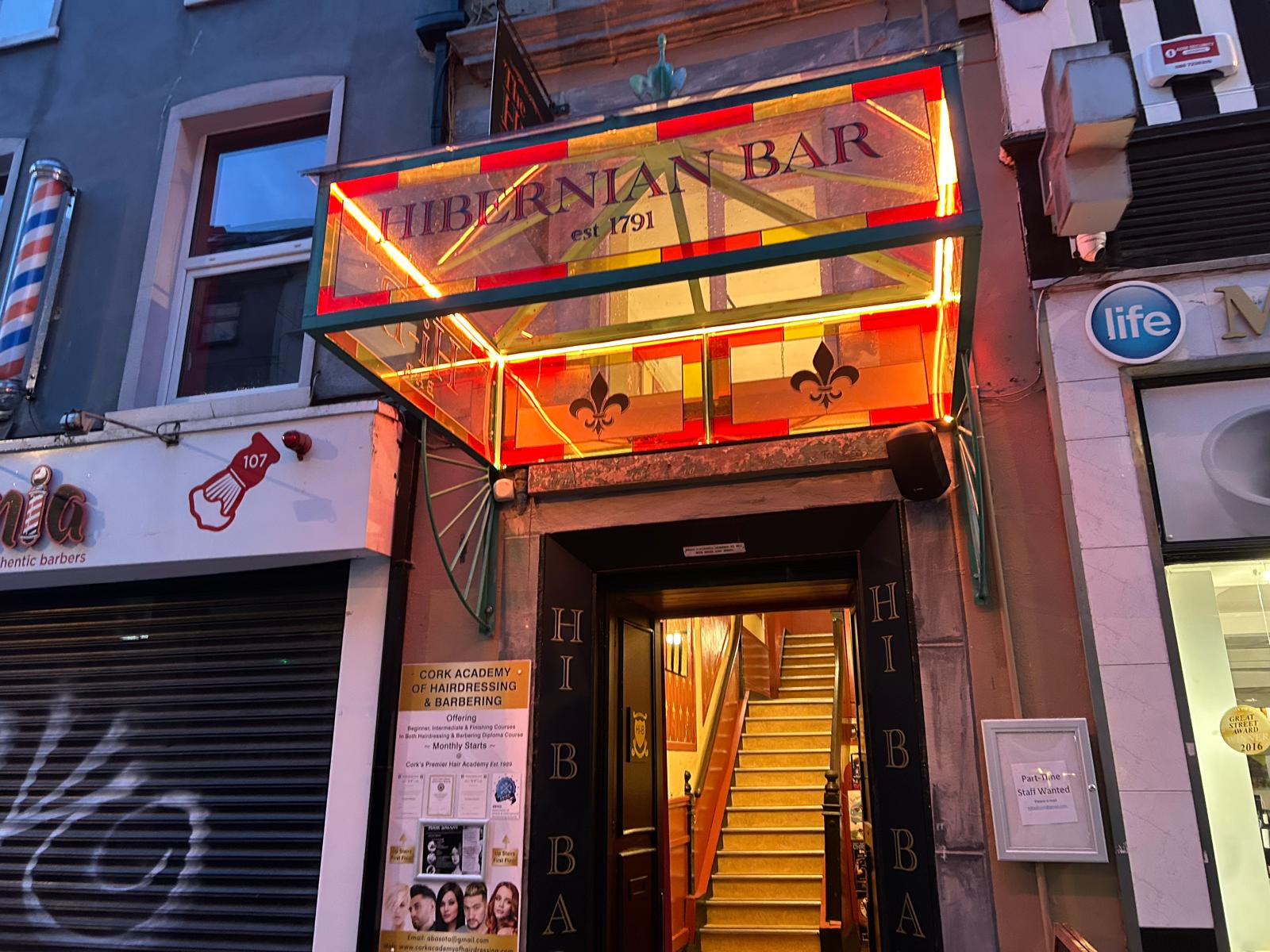
Photograph: The Hi-B
Other Cork pubs to keep on your radar
Mutton Lane is one of the city’s most atmospheric central pubs, tucked just off St Patrick’s Street and close to the English Market. It is dark, narrow, characterful and very much the sort of place where the room itself does half the work. It makes sense as an early evening stop after a day around the market and city centre.
The Long Valley is another Cork classic, particularly useful if you want the pub-and-sandwich version of Cork food culture. It has the feel of a traditional city pub that has not been over-designed for visitors, which is exactly the appeal.
Arthur Mayne’s, on Pembroke Street, brings together pub, wine bar and historic pharmacy details in a way that feels very Cork: atmospheric, central, slightly unexpected and full of character. It is a good option if you want a drink somewhere with a bit of visual drama and city-centre energy.
Sin É is one to note for traditional music and a strong sense of Cork pub atmosphere. It is well known enough to be on the visitor trail, but it still carries the feeling of a real local music pub when the room is right. Check current music details if live sessions are important to your visit.
Tom Barry’s is especially good if you want a relaxed beer garden, a less polished kind of charm, and the option of wood-fired pizza with your pint. It works well as a slightly more casual evening stop, particularly when the weather is behaving itself.
What these pubs have in common is not sameness, but personality. Cork pub culture still matters because it gives the city somewhere to gather, argue, listen, flirt, remember, watch, laugh and connect. As Cork’s food scene grows, with the Marina Market, street food, food trucks, outdoor seating, pedestrianised areas and international food businesses adding new energy, the pub remains part of the same social fabric. The best Cork weekend leaves room for both: the old bar and the new food truck, the market counter and the quiet pint, the restaurant table and the conversation that was not planned.
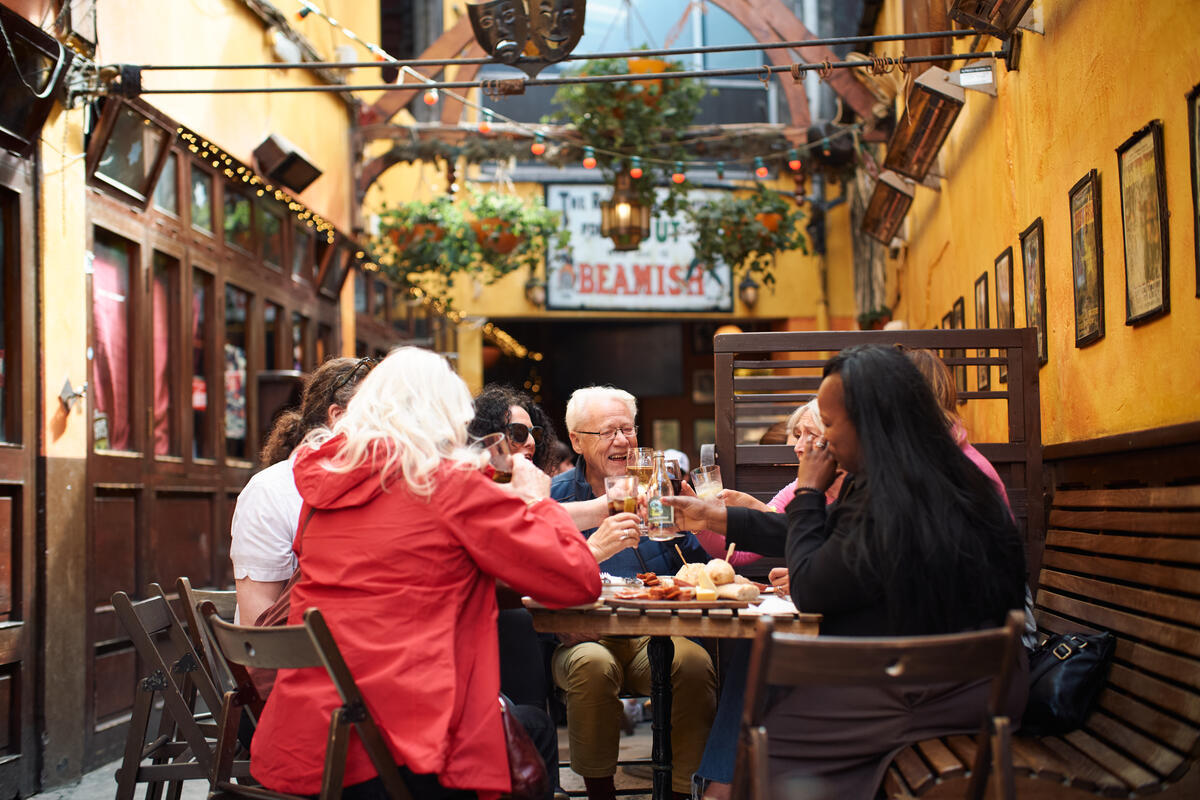
Photograph: Islander (Fáilte Ireland)
If you only have one night, choose one or two pubs and stay long enough to let them work. Cork is not short of places to drink. The real pleasure is finding somewhere you want to linger.
Things to do in Cork city
Cork is not a city where you need to build every hour around major attractions. Some of the best parts of a visit are simple: walking the quays, crossing bridges, drifting between the English Market and side streets, climbing towards a view, stopping for coffee, browsing shops, or finding yourself in a pub earlier than planned. Still, there are several cultural, historic and food-led stops that help give the weekend shape.
Start with the English Market
The English Market is the obvious starting point, and rightly so. It is one of Cork’s defining landmarks, but it still feels like part of the city’s daily life rather than a museum piece. Go in the morning if you can, when the stalls, counters and conversations are at their liveliest.
Even if you are not planning to buy much, it is worth taking your time here. Look at the fish, meat, cheese, bread, fruit, vegetables, spices, sweets and local specialities. The market gives you Cork’s food story in miniature: produce, trade, habit, pride and appetite, all under one roof.
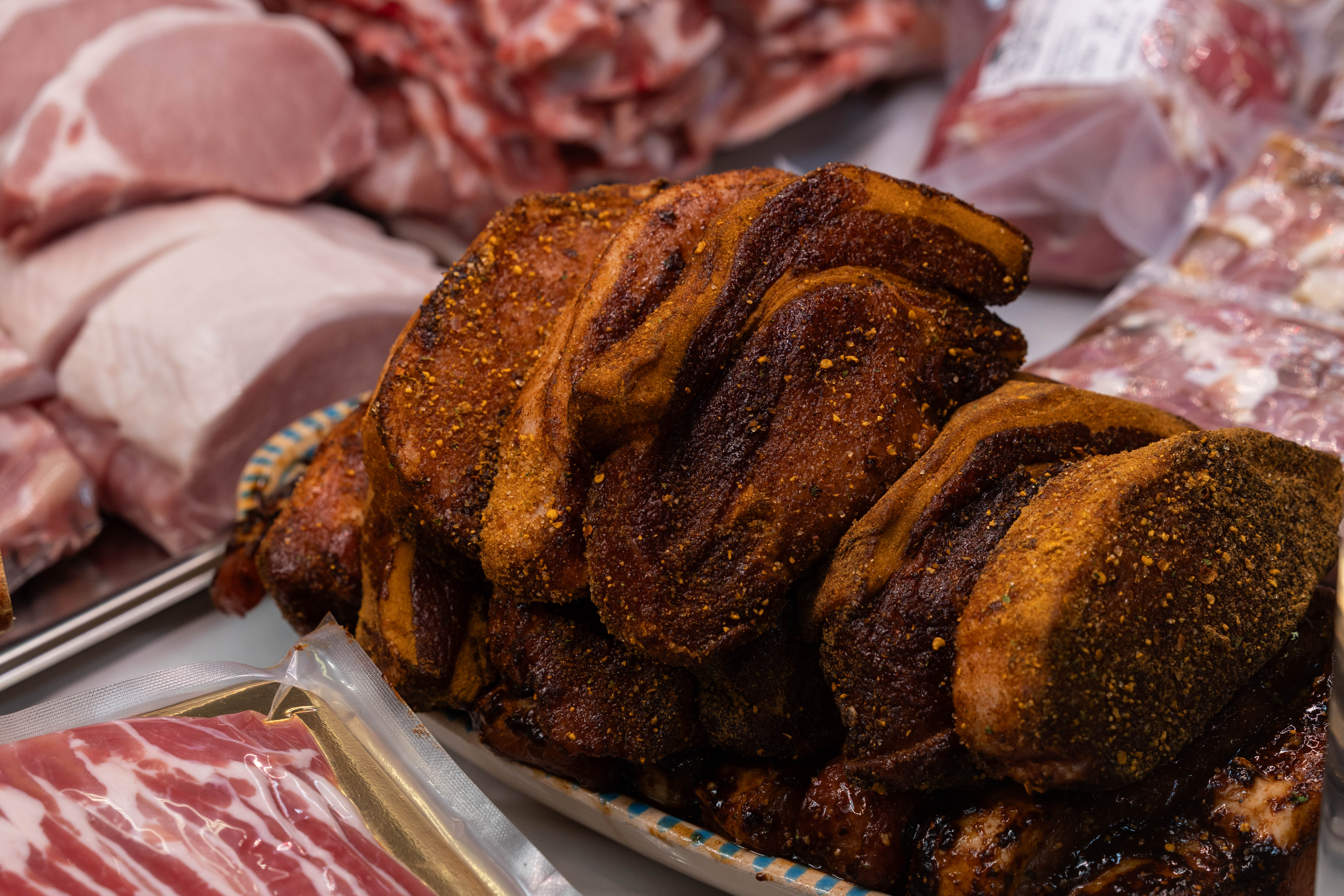
Photograph: Darragh Kane
Climb towards Shandon
Shandon is one of the most distinctive parts of the city, with older streets, slopes, views and a slightly different atmosphere from the main shopping core. St Anne’s Church and the Shandon Bells are the best-known landmark here, and the climb rewards you with one of the city’s classic perspectives.
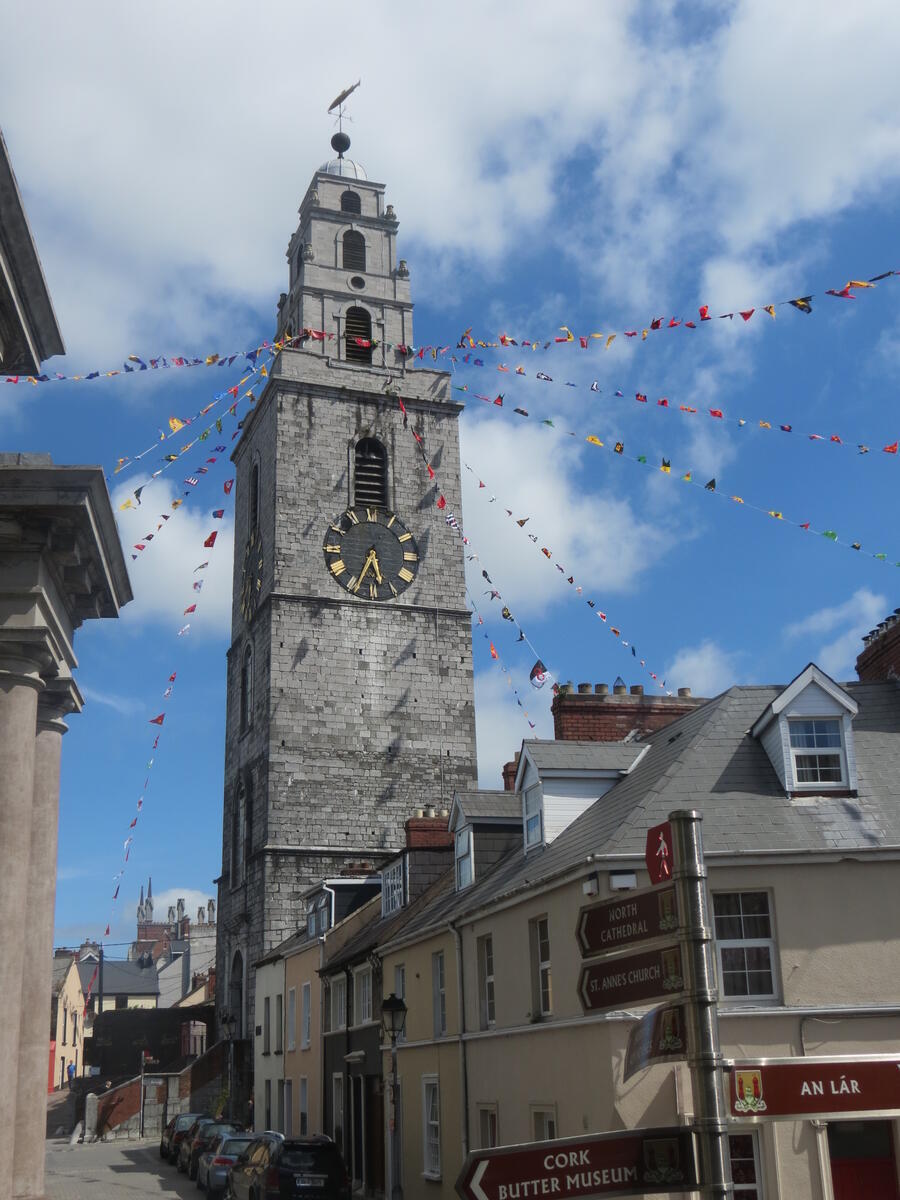
Photograph: Catherine Crowley (Fáilte Ireland)
The nearby Cork Butter Museum is small but worthwhile, especially if you are interested in Cork’s food and trading history. Butter was once central to the city’s international commercial life, and the museum helps connect modern Cork food culture with the agricultural and maritime networks that shaped it.
Spend time at Nano Nagle Place
Nano Nagle Place is one of Cork’s most thoughtful heritage spaces. Its museum, gardens, historic buildings and community focus offer a quieter, more reflective version of the city. It is particularly good if you want to understand Cork through education, women’s history, social care and local legacy rather than only through food, pubs and views.
The gardens are part of the appeal, giving you a calm pause within walking distance of the city centre. It is the kind of place that suits a slower itinerary: not something to rush through, but somewhere to let the city quieten for a while.
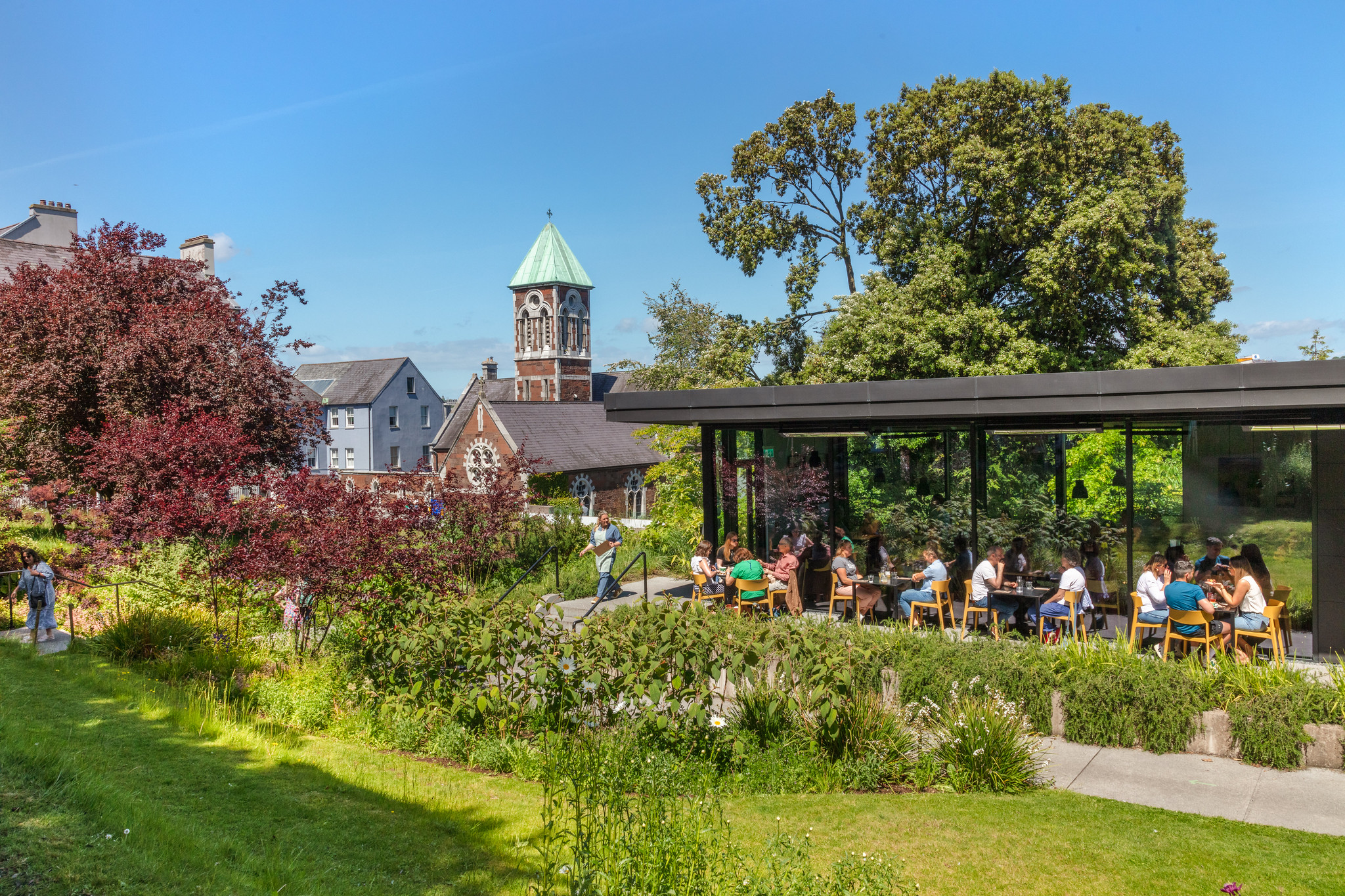
Photograph: Nano Nagle Place
Visit St Fin Barre’s Cathedral and Elizabeth Fort
St Fin Barre’s Cathedral is one of Cork’s most striking buildings, and it brings real drama to this side of the city. Designed by William Burges and consecrated in 1870, the cathedral is all pointed arches, carved stone, spires, stained glass and Gothic Revival detail. It stands on a site long associated with worship in Cork, which gives the building a sense of continuity as well as spectacle.
Even if you only view it from outside, St Fin Barre’s adds scale and atmosphere to a Cork walk. Its spires rise above the streets near the edge of the city centre, and the exterior rewards a slower look, from the carved details to the way the building sits slightly apart from the bustle of town. If you enjoy architecture, church history or simply a building with presence, it is worth giving it proper time rather than treating it as a quick photo stop.
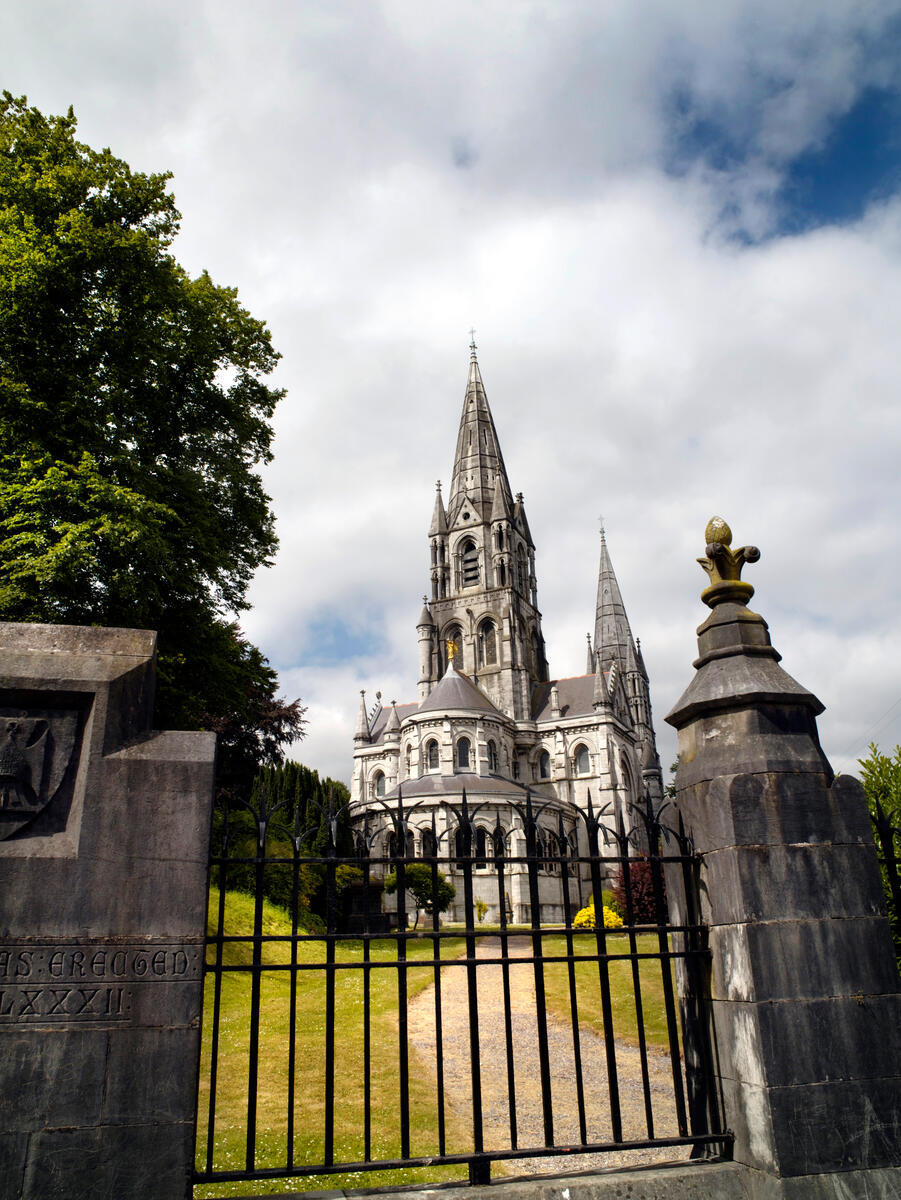
Photograph: Chris Hill (Tourism Ireland)
Nearby, Elizabeth Fort gives a different but equally useful sense of Cork’s history and geography. This early 17th-century star-shaped fortification was built on a commanding site just outside the medieval city walls, and its elevated position still helps you understand how the south side, city centre, river, churches and hills sit together.
The fort has had several lives over more than 400 years, including use as a military barracks, convict depot, food depot during the Great Famine, Royal Irish Constabulary station and Garda station. That layered history makes it more than a viewpoint, although the views are certainly part of the appeal. Pairing St Fin Barre’s Cathedral and Elizabeth Fort makes sense on a day when you are exploring the city’s older southern side, especially before looping back towards Nano Nagle Place, the quays or the city centre.
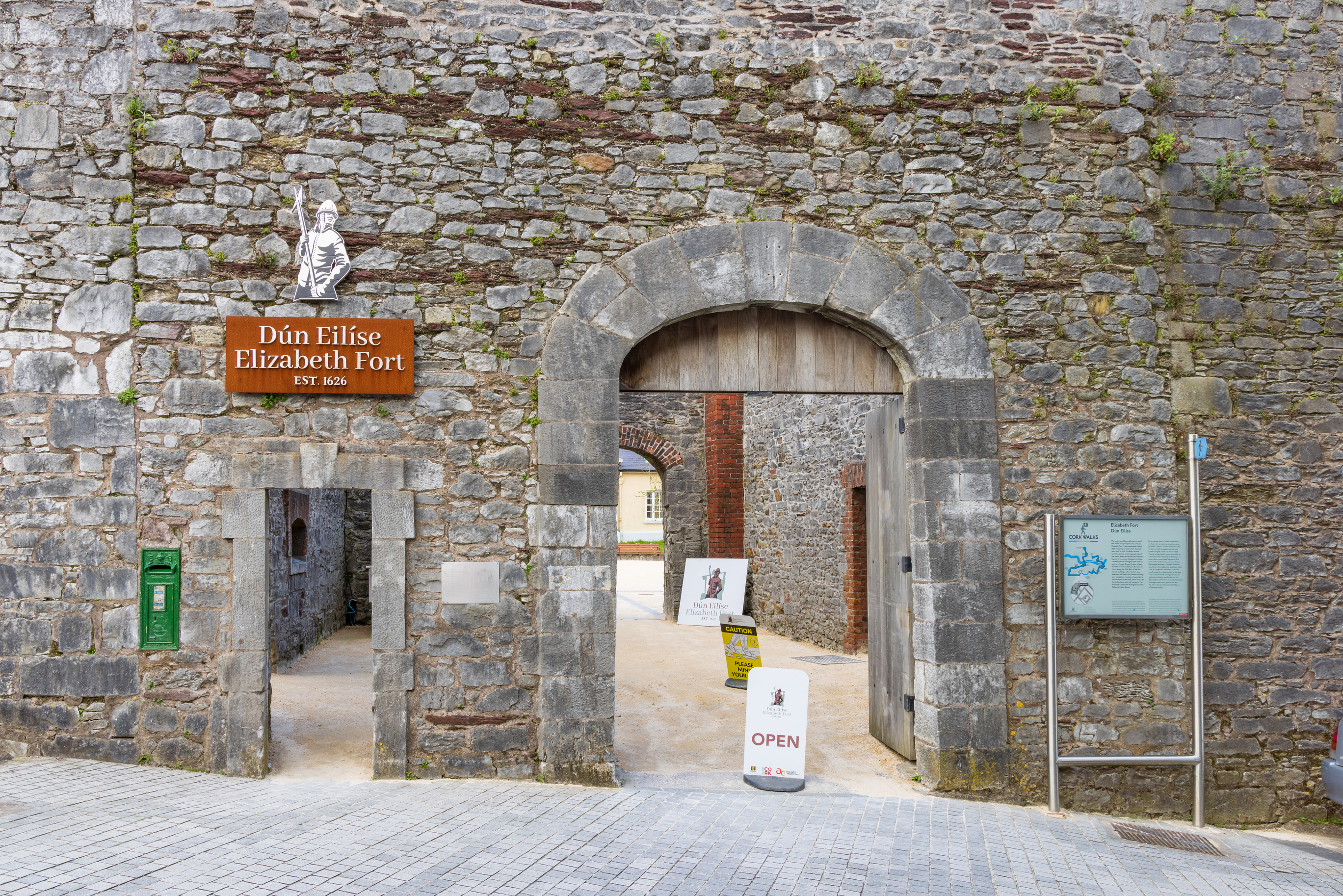
Photograph: Hilda Weges (Dreamstime)
Look for Cork’s cultural spaces
Cork has a strong cultural scene, and it is worth checking current programmes before you travel. Triskel Arts Centre is a particularly good stop, with live music, jazz and classical programming, arthouse cinema, exhibitions, lectures and literary events inside Triskel Christchurch, a refurbished neoclassical Georgian church. Visitors can also explore the building’s heritage, including the crypt.
The Everyman, on MacCurtain Street, is one of Cork’s most atmospheric historic venues, with theatre, comedy, music and touring productions. Cork Opera House adds a larger city-centre performance space, with theatre, music, dance, comedy and visiting shows. If you like building a weekend around an evening performance, both are worth checking before you book.
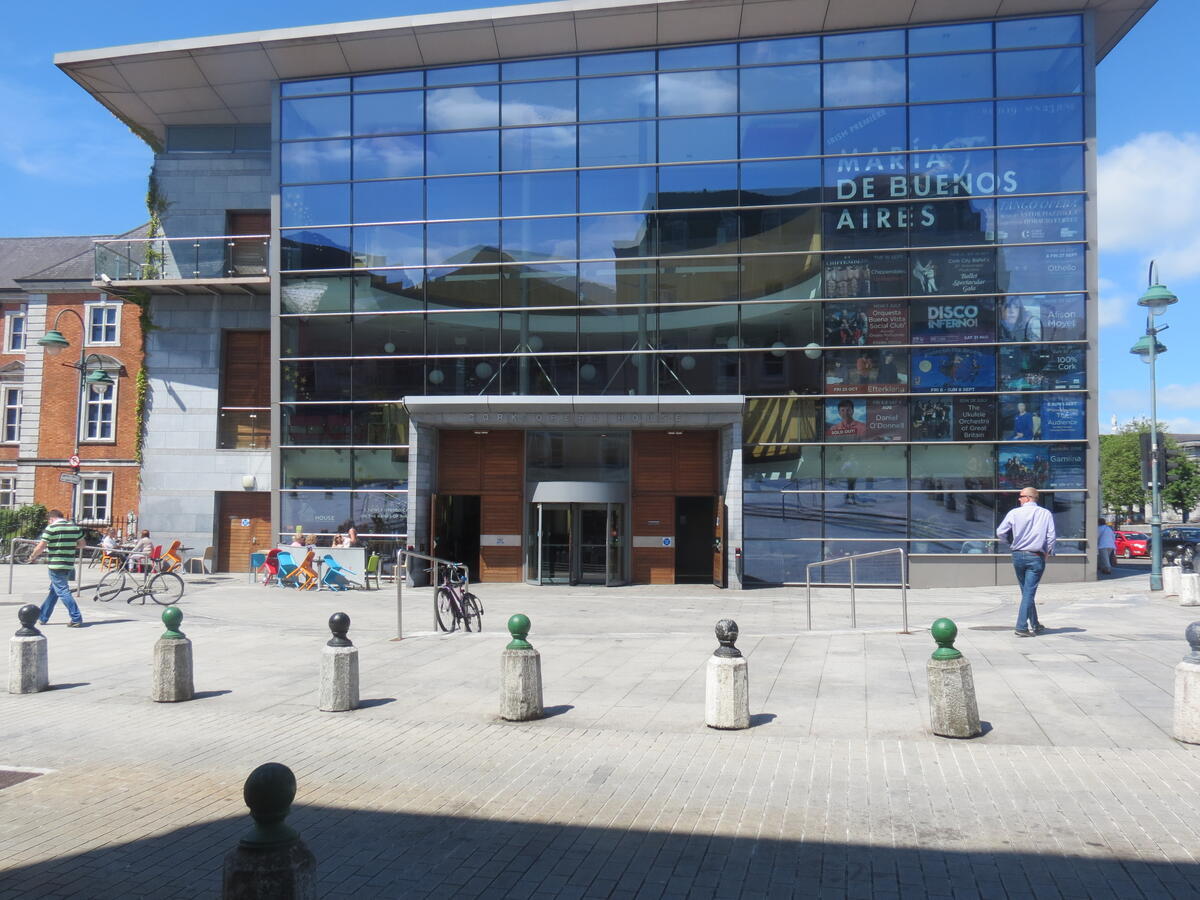
Photograph: Catherine Crowley (Fáilte Ireland)
For visual arts, check current opening details before planning around Crawford Art Gallery, as the building is currently closed for major redevelopment, including its café. Once reopened, it will again be one of the city’s major cultural anchors, but for now it should be treated as a future stop rather than a guaranteed part of the weekend.
Call into St Peter’s Cork
St Peter’s Cork, on North Main Street, is another place you could easily walk past without giving much thought to, which would be a shame. The recognised heritage centre hosts exhibitions and cultural events, while the building and grounds offer a quieter pause from the bustle of the city.
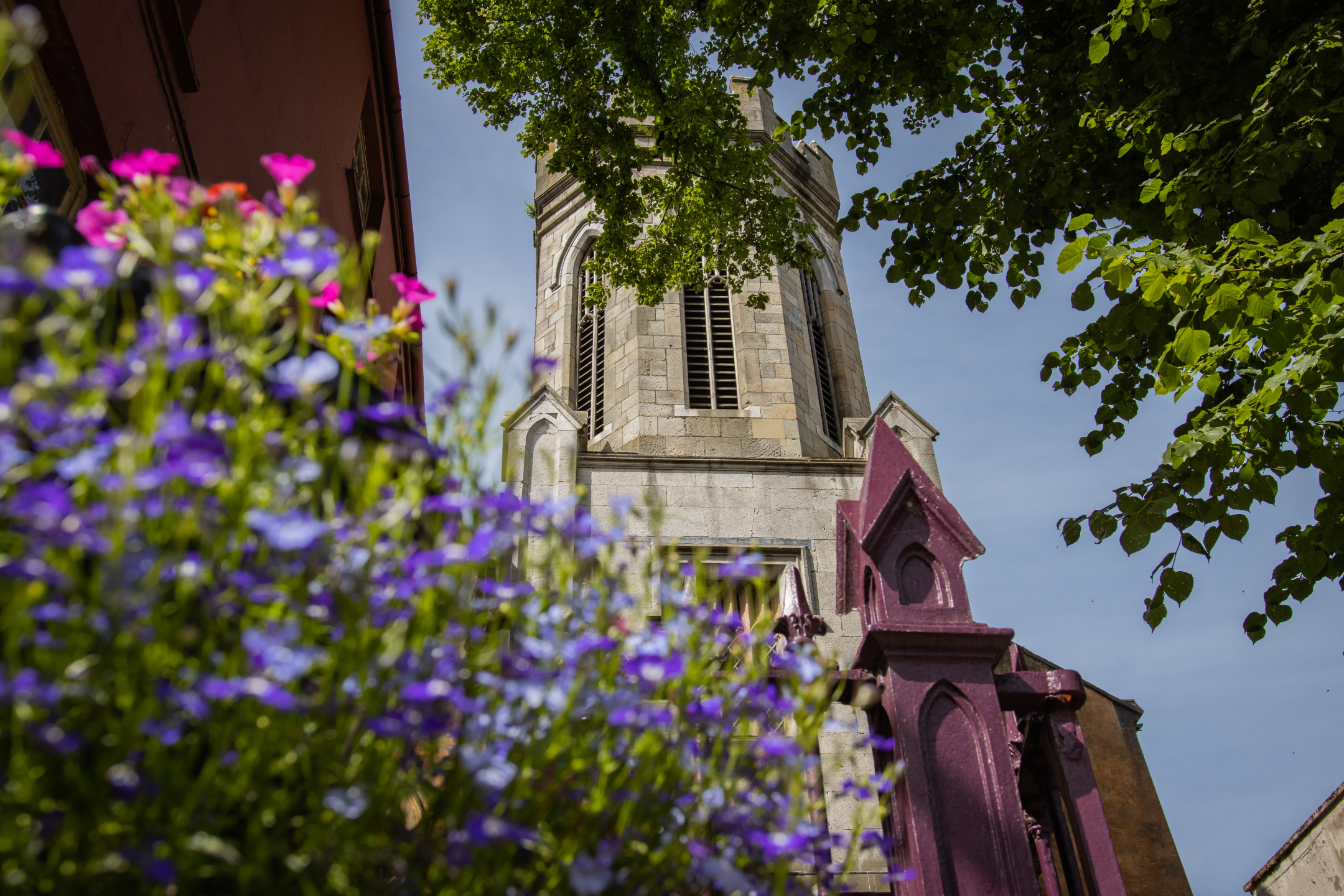
Photograph: St Peter's Cork
The coffee shop now focuses on drinks and lighter snacks rather than fresh cakes and pastries, so treat St Peter’s more as a calm heritage and cultural stop than a food destination. It is especially useful if you are exploring the older streets around North Main Street, the Coal Quay and the route between the English Market and Shandon.
Walk west towards UCC, Fitzgerald Park and the Cork Public Museum
The western side of the city is worth giving time to, especially if you enjoy architecture, river walks and green space. University College Cork has some of the city’s loveliest buildings, with the riverside campus giving a different feel from the tighter streets of the centre.
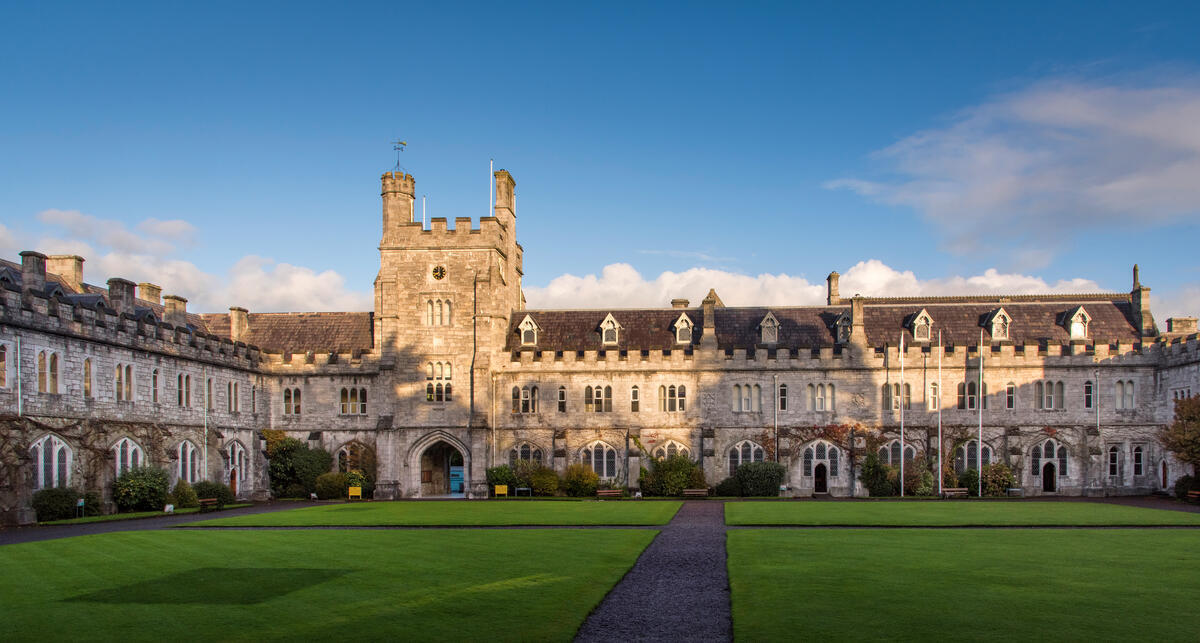
Photograph: Chris Hill (Fáilte Ireland)
Nearby Fitzgerald Park is a useful breathing space, particularly on a dry day. It gives you lawns, trees, river paths, sculpture, access towards Sunday’s Well and the Cork Public Museum. This is also the side of the city where a slower walk makes sense, rather than trying to treat every stop as something to tick off.
Visit Cork City Gaol and walk back towards the river
Cork City Gaol sits slightly outside the tight city-centre core, but it is a worthwhile stop if you are interested in Cork’s social history, prison heritage and atmospheric historic buildings. If you are short on time, or not in the mood for another uphill walk, take a taxi there and then walk back down towards the city afterwards.
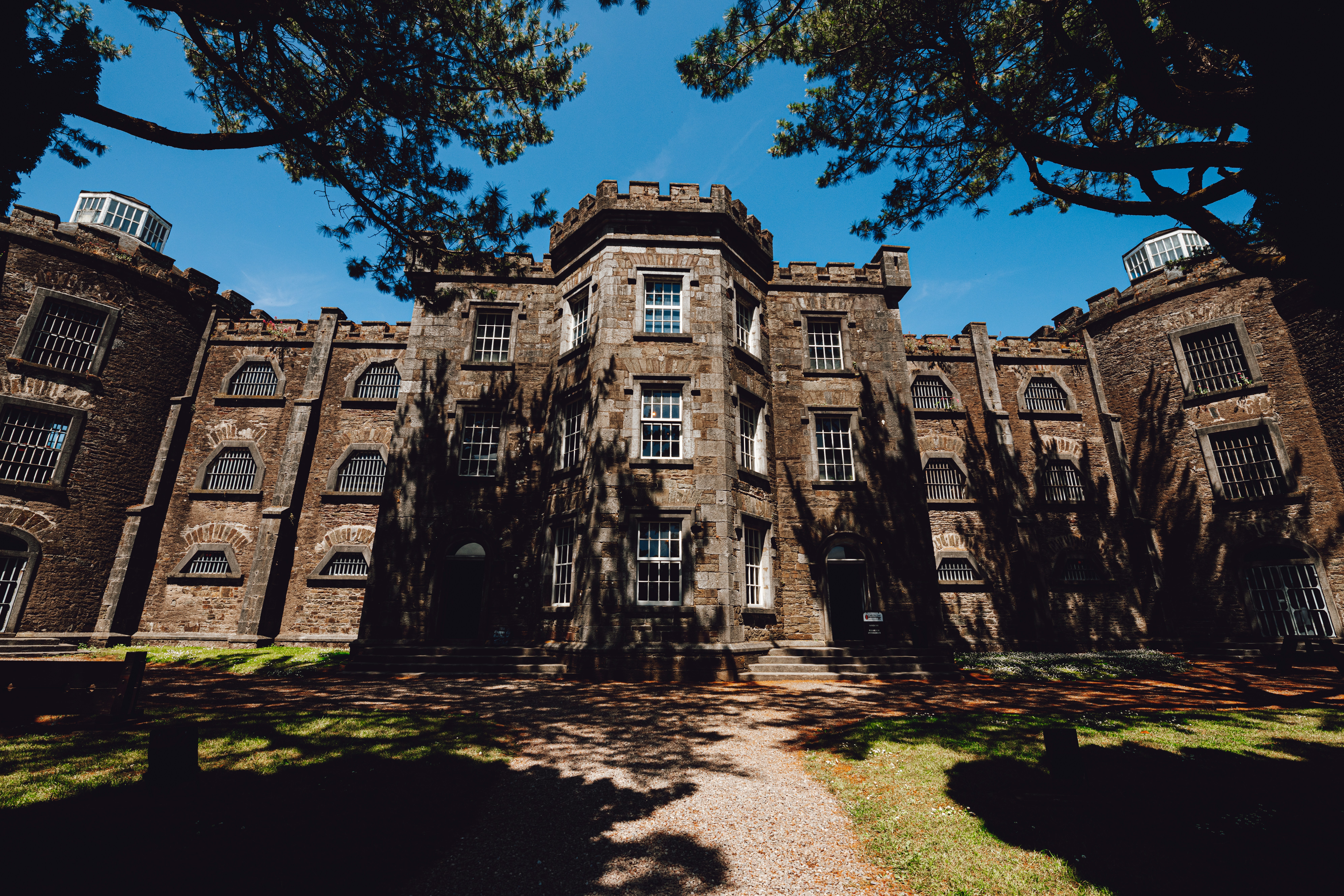
Photograph: Jamie Pilgrim (Unsplash)
The return route can be part of the experience. From the gaol, you can walk back towards Sunday’s Well, cross Daly’s Bridge, better known locally as the Shaky Bridge, pass the Mercy University Hospital side of the river, and continue back into the city centre. It turns the visit into a quieter Cork walk, with river views, older streets and a useful sense of how the western side of the city connects back into town.
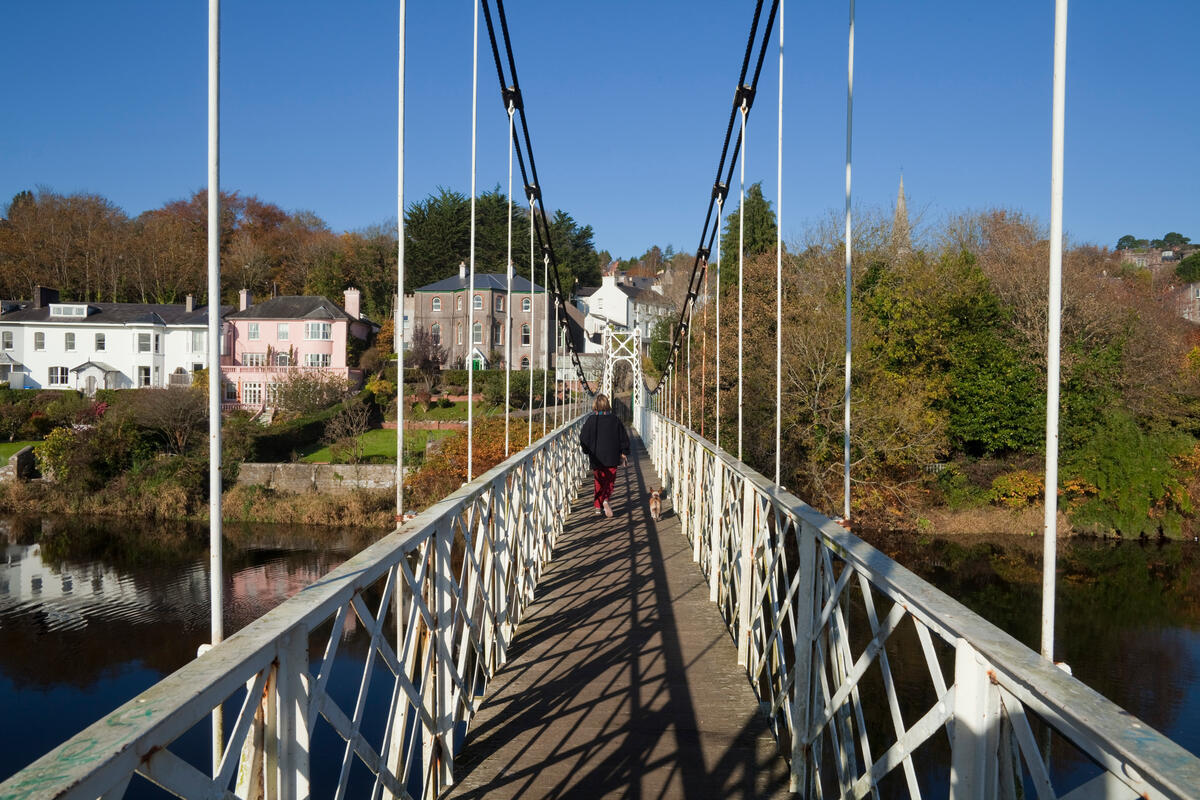
Photograph: Anthony Horgan (Fáilte Ireland)
See Cork from above
Cork is a city of hills, and the views are part of the experience. Bell’s Field is one of the best places to look back across the city, especially when the light is clear. Patrick’s Hill is the famous climb, and it has earned that reputation honestly. It is steep, memorable and not something to underestimate in the wrong shoes.
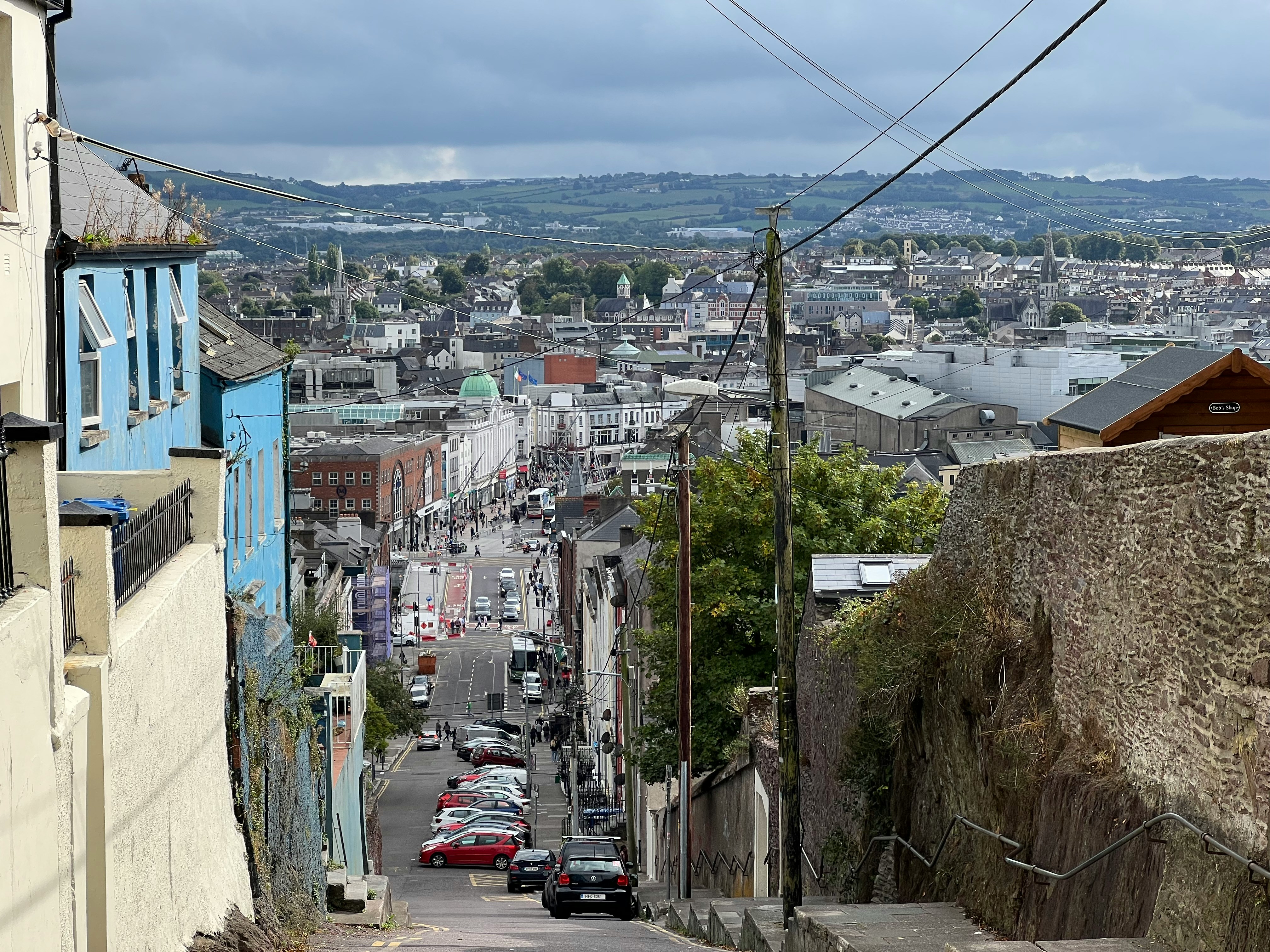
Photograph: Zihao Chen (Unsplash)
The reward for climbing is a better understanding of Cork’s shape: the river, bridges, rooftops, church towers, streets, hills and harbour-facing geography all begin to make more sense from above.
Consider a city bus overview if you want to save your legs
If you want an easy overview before choosing where to linger, a hop-on hop-off Cork city bus tour can be useful, especially if you want to see the layout of the city without tackling every hill on foot. It passes several major stops, including Cork City Gaol, the English Market, Shandon Bells and University College Cork, and works best as a gentle first-day orientation rather than a replacement for wandering independently. Browse the Cork hop-on hop-off bus tour.
Save time for wandering
Some of Cork’s best city moments are not formal attractions at all. St Patrick’s Street, Opera Lane, Oliver Plunkett Street, MacCurtain Street, North Main Street, Paul Street and the side streets around the English Market all have their own rhythm. You will find shops, cafés, pubs, restaurants, small galleries, old buildings, murals, corners and conversations that make more sense when you are not rushing.
That is the best way to approach Cork City: choose a few strong anchors, then leave space between them. The city rewards a bit of looseness. Let yourself cross the wrong bridge, take the hill slowly, go into the pub that looks interesting, and stop for coffee before you technically need one.
Best day trips from Cork
Cork City makes a strong base for nearby day trips, but the trick is not to overdo it. If you only have a long weekend, choose one day trip and let the rest of the time belong to the city. Cobh, Kinsale, Blarney, Fota and Midleton are all realistic options, but they offer very different kinds of days.
The simplest way to choose is by mood. Pick Cobh for harbour history, Titanic stories and Spike Island. Pick Kinsale for food, colour and coastal atmosphere. Pick Blarney for castle-and-garden heritage. Pick Fota for a gentler outdoorsy day, especially with children. Pick Midleton for whiskey heritage and East Cork food country. West Cork is wonderful, but it deserves more than being squeezed into the margins of a city break.
Cobh: harbour history, Titanic stories and Spike Island
Cobh, pronounced “Cove”, is one of the easiest and most meaningful day trips from Cork City. It sits on Cork Harbour and has a deep connection with emigration, maritime history and the Titanic. The town’s colourful waterfront, steep streets and harbour views make it visually memorable, but it is the layers of history that give the day its weight.
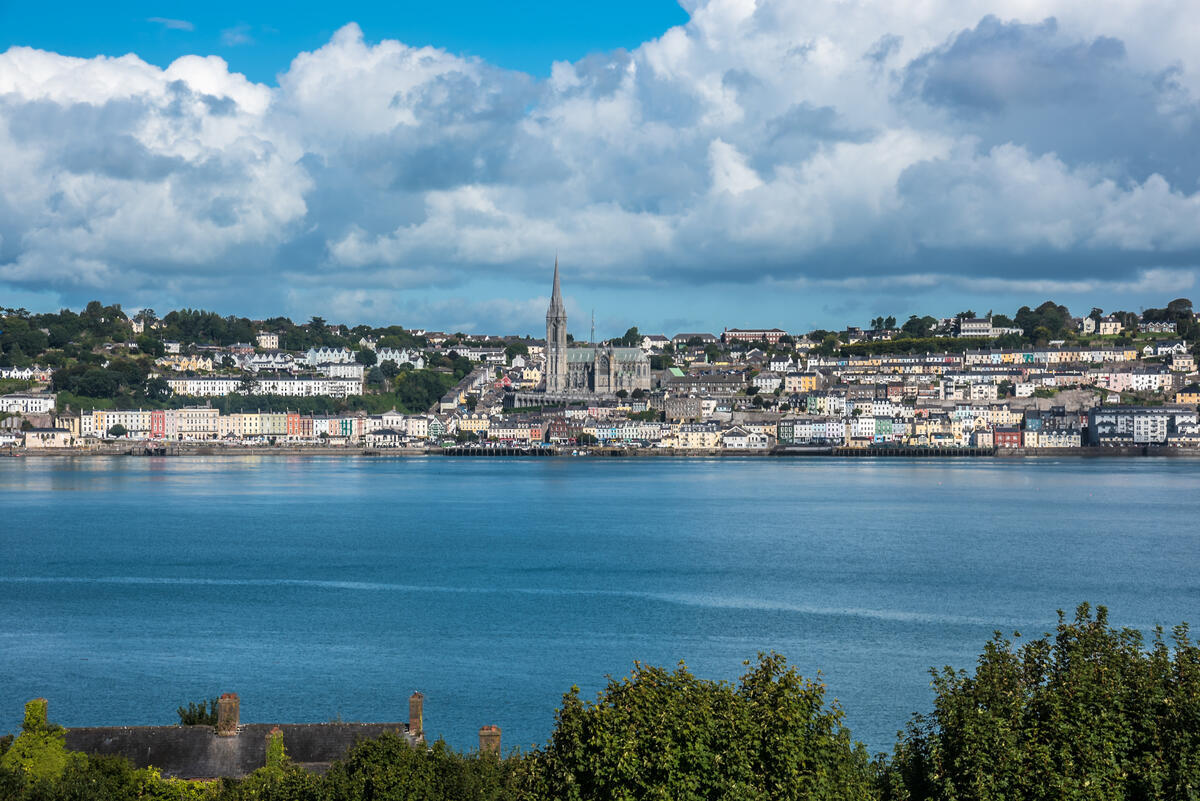
Photograph: Luke Myers (Fáilte Ireland)
The Cobh Heritage Centre is a useful starting point if you want to understand the town’s role in Irish emigration, convict transportation and transatlantic travel. Titanic Experience Cobh focuses on the passengers who boarded the Titanic from what was then Queenstown, while Spike Island adds another layer of harbour history, with a former monastery, fortress and prison on an island just offshore.
Cobh works especially well if you want a day that feels connected to Cork Harbour rather than simply a pretty coastal wander. It is atmospheric, historically rich and easy to pair with a slower walk around the waterfront before returning to Cork City for the evening.
Kinsale: food, colour, harbour views and coastal history
Kinsale is the day trip to choose if your Cork weekend is leaning heavily towards food, colour and coastal atmosphere. It is one of Ireland’s best-known food towns, with restaurants, cafés, galleries, colourful narrow streets, boats, harbour views and a strong sense of place. It is also very popular, so expect it to be busy in high season and on bright weekends.
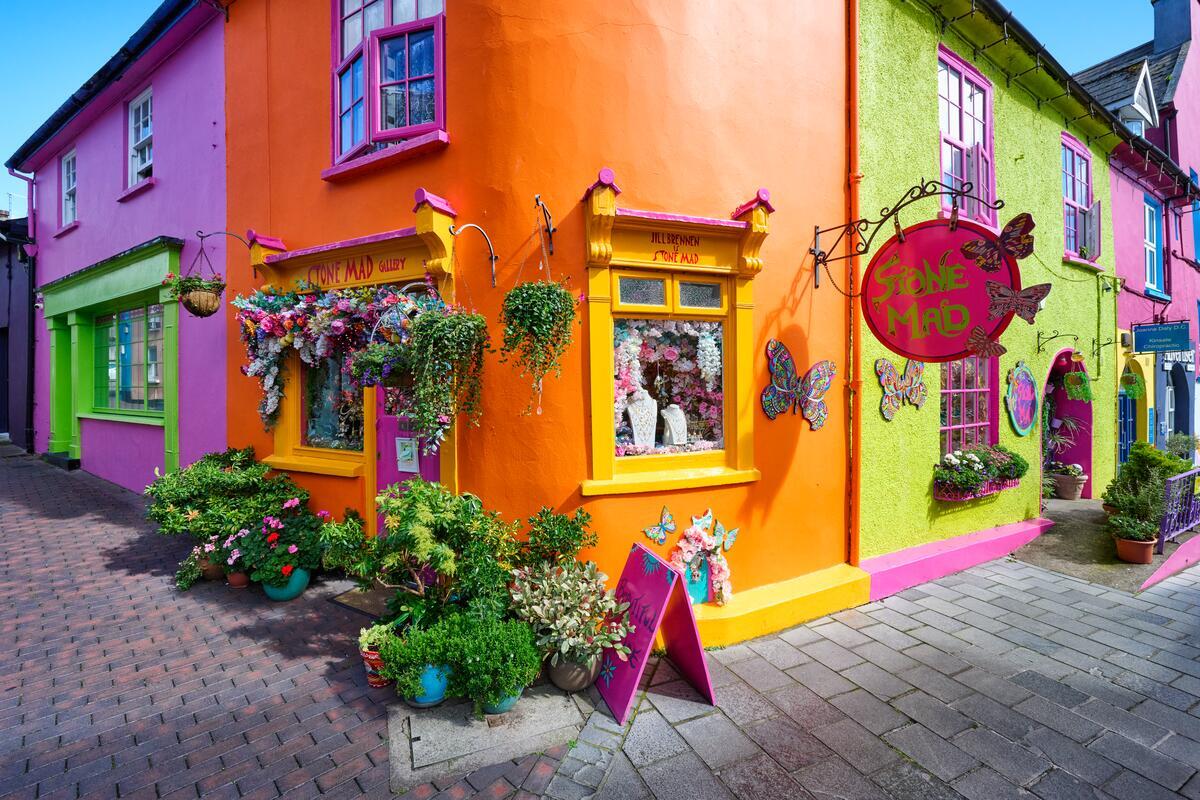
Photograph: Stefan Schnebelt (Tourism Ireland)
For a relaxed Kinsale day, give yourself time to wander rather than turning it into a checklist. The town is made for browsing, eating, walking slowly and stopping when somewhere looks good. Nearby Charles Fort adds a strong historic element, with coastal views and military history that give the day more depth if you want to go beyond the town centre.
Kinsale is particularly good for visitors who want Cork’s food reputation to continue beyond the city. If Cork City gives you markets, pubs, cafés and restaurants, Kinsale gives you a harbour-town version of that appetite.
Blarney Castle and Gardens: more than the stone
Blarney Castle and Gardens is the classic Cork day trip, and it is easy to understand why. The Blarney Stone is the famous draw, but the wider estate is the real reason to allow more than a quick stop. The gardens, woodland areas, seasonal planting and quieter corners make it a much fuller visit than many people expect.
Blarney Castle and Gardens recommends allowing two to three hours for a visit. The Seven Sisters, Fern Garden and Poison Garden are among the areas worth seeking out, while the estate changes with the seasons, from spring blossom and wild garlic to autumn colour. The castle itself involves 128 steps and is not accessible, but a large portion of the gardens can be explored more easily.
You can travel independently from Cork City, including by bus, or keep things simple with an organised visit if you prefer not to manage transport yourself. Browse this Blarney Castle and Gardens tour.
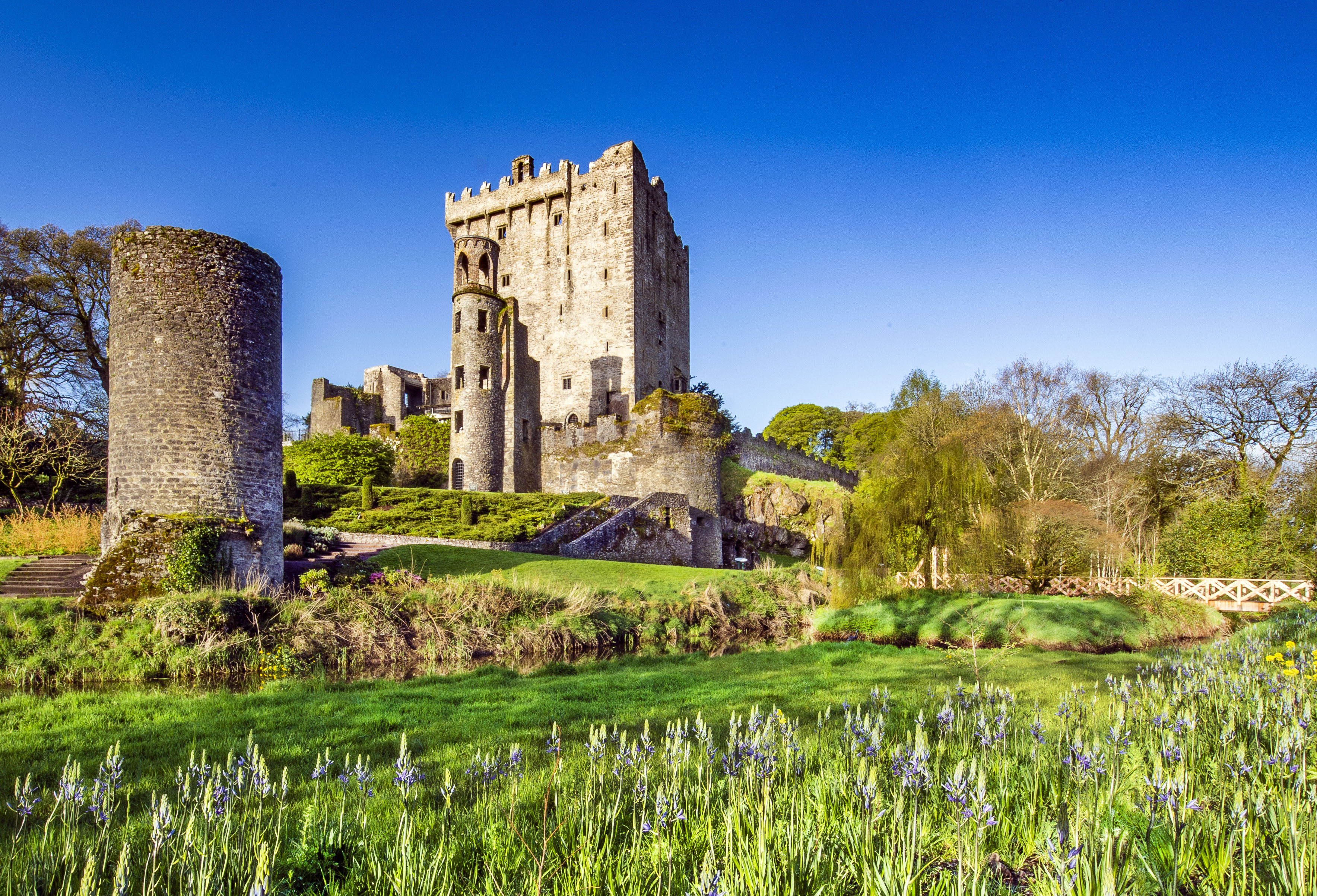
Photograph: Blarney Castle
Fota Wildlife Park and Fota House: gardens, wildlife and a gentler pace
Fota is a good option if you want a more open, outdoorsy day within easy reach of Cork City. Fota Wildlife Park is especially useful for families, but it also suits anyone who wants a break from city streets, indoor attractions and pub-heavy planning.
Nearby Fota House and Gardens adds a heritage and garden element, making the wider estate more than a single-stop excursion. Together, Fota Wildlife Park and Fota House can create a slower, greener day outside the city, particularly if you are travelling with children or simply want something more relaxed between city exploring and evening food plans.
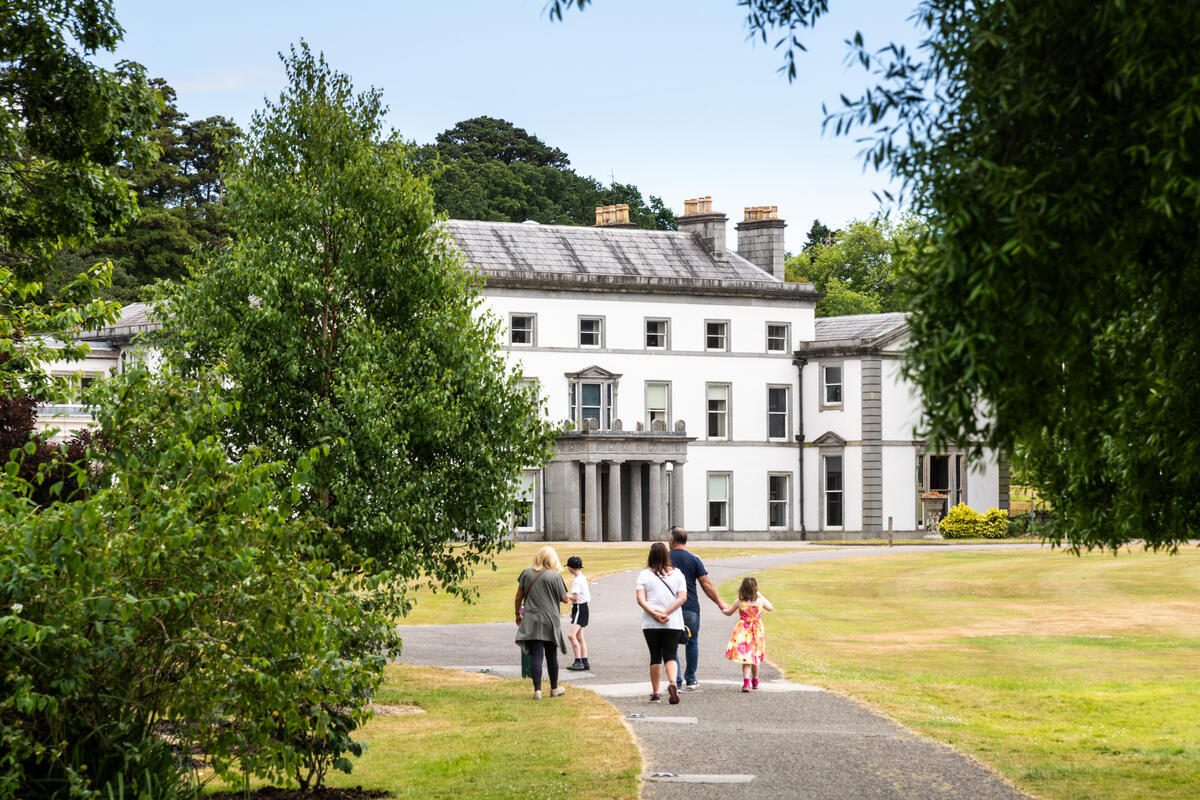
Photograph: Chris Hill (Tourism Ireland)
Midleton: whiskey heritage and East Cork food country
Midleton is the best choice if whiskey heritage is high on your list. The Midleton Distillery Experience is the major reason many visitors come here, with tours focused on the story of Irish whiskey, production and tasting. Browse Midleton Distillery Experience options.
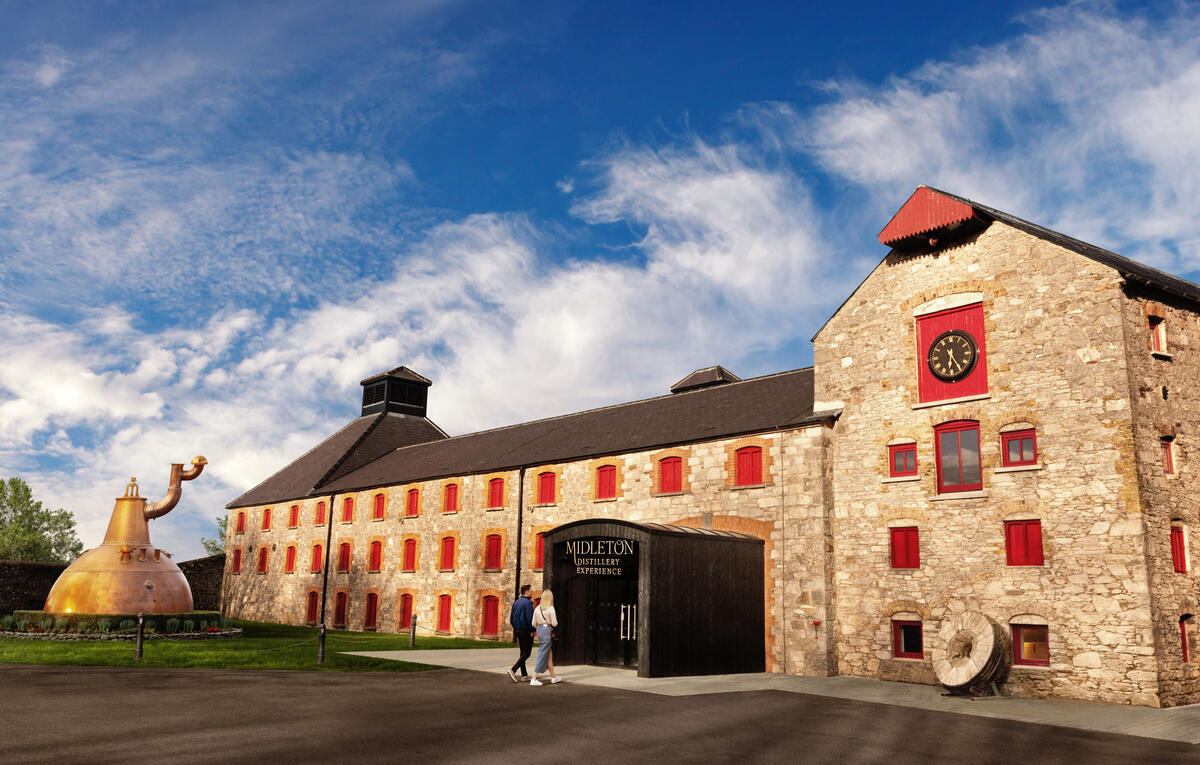
Photograph: Midleton Distillery Experience
Midleton also sits within a wider East Cork food region, so it is worth thinking of the day as more than a single distillery visit. If your interest is food producers, markets, seasonal events, coastal villages and the relationship between landscape and produce, East Cork has enough depth to support a fuller future trip.
What about West Cork?
West Cork is one of the great reasons to visit County Cork, but it is not the best use of a short Cork City weekend unless you have a car, an early start and very specific plans. The distances are not impossible, but the experience is better when you give it proper time. Coastal towns, islands, beaches, food producers and scenic roads deserve a slower trip rather than a rushed day out from the city.
If this is your first Cork weekend, let the city be the centre and choose one nearby day trip. Let West Cork wait for another visit, when you can build the whole trip around its coast, food, landscapes and slower rhythm.
Practical tips for planning a Cork weekend
Cork is an easy city to enjoy, but a few practical decisions will make the weekend much smoother. The main things to think about are where you stay, how much walking you want to do, whether you need a car, what kind of weather you are packing for, and whether your visit overlaps with festivals, university dates, major events or peak summer travel.
Getting to Cork
Cork is well connected by air, rail, coach and road. Cork Airport is close to the city, making it a practical option for a short break if flight routes work for you. If you are travelling within Ireland, Irish Rail services arrive into Cork Kent Station, which is especially convenient for MacCurtain Street, the Victorian Quarter and the eastern side of the city centre.
Coach and bus services are also useful, particularly if you are travelling from elsewhere in Ireland or planning nearby day trips. Check Bus Éireann and relevant local operators before travelling, as routes, frequencies and seasonal services can change.
Do you need a car in Cork?
You do not need a car for a Cork City weekend. In fact, if you are staying centrally, a car can be more of a complication than a help. The city centre is compact, parking can add cost and stress, and many of the best Cork experiences involve walking between markets, cafés, pubs, shops, bridges and cultural spaces.
A car becomes useful if you are planning a wider County Cork trip, especially for West Cork, beaches, coastal villages, food producers, rural gardens or multi-stop day trips. If your plan is Cork City plus one straightforward day trip to somewhere like Cobh, Blarney, Fota or Midleton, public transport or an organised tour may be enough. If you are extending the trip into the wider county, compare car hire options for Cork before you travel.
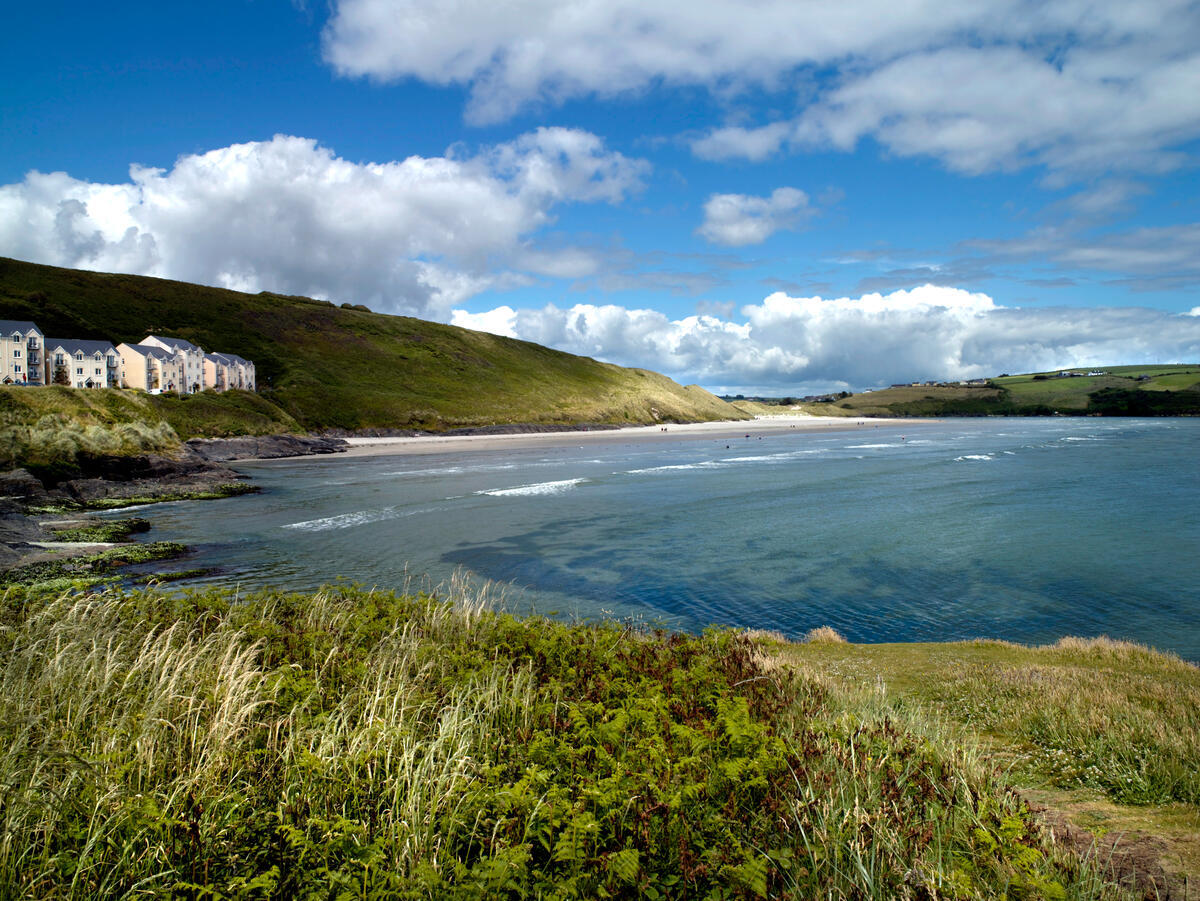
Photograph: Chris Hill (Tourism Ireland)
How walkable is Cork?
Cork is very walkable by distance, but it is not completely easy on the legs. The city centre is compact, and many sights sit within a manageable walking radius, but the hills are real. Shandon, Patrick’s Hill, Bell’s Field, Sunday’s Well and parts of the older city quickly remind you that a short walk on a map can still involve a climb.
Comfortable shoes are essential. This is not the place for footwear chosen purely for photographs. Older pavements, wet surfaces, hills, bridges and long wandering days all make practical shoes a kindness to your future self. If mobility, steep streets or fatigue are concerns, build the itinerary around the flatter city centre, taxis, buses, and selective viewpoints rather than trying to climb every hill.
What to pack for Cork
The old joke is that Ireland has no climate, only weather, and Cork will happily demonstrate the point. You can get sunshine, drizzle, wind, soft rain, sudden brightness and dramatic cloud all in the same day. Pack layers, a light waterproof, a jumper or cardigan, practical shoes and something you are happy to wear into both a market and a pub.
For a city break, think useful rather than overpacked. A small crossbody bag or day bag, sunglasses, a compact umbrella, a reusable water bottle, a portable phone charger and a tote for market finds will all earn their place. For practical travel pieces that suit city breaks, market wandering and food-led weekends, browse this travel essentials edit.
When is the best time to visit Cork?
Cork works well year-round, but the feel of the trip changes with the season. Spring is good for lighter days, gardens, city walks and fewer crowds than peak summer. Summer brings longer evenings, busier streets, outdoor tables, festivals and more reasons to linger by the river or in a beer garden. Autumn can be lovely for food, pubs, cultural programming and a slightly moodier version of the city. Winter is better suited to cosy pubs, markets, theatre, music, comfort food and hotel stays that feel like a proper treat.
Food-focused visitors should check festival dates before booking. Cork on a Fork Food Festival takes place in August, with the 2026 edition running from 12 to 16 August, while fEast Cork brings food, producers, events and storytelling to Midleton and the wider East Cork region in September. Festival periods can make the city feel especially lively, but they may also affect hotel prices, restaurant availability and how far ahead you need to plan.
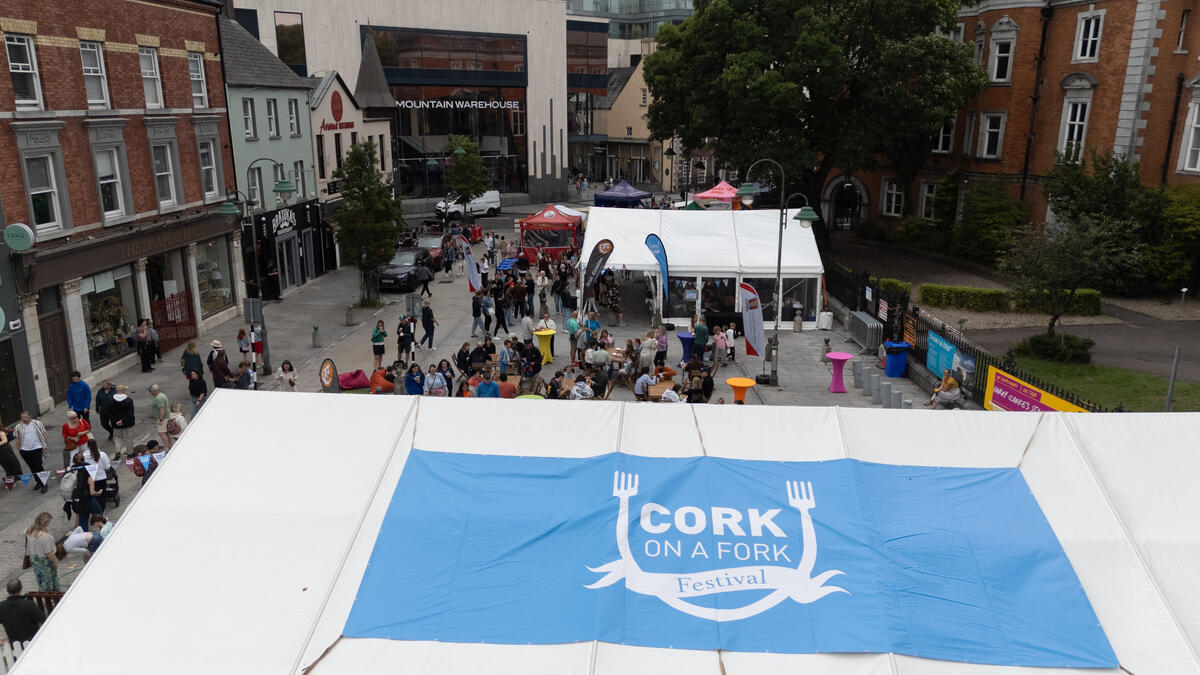
Photograph: Cork City Council by Darragh Kane
Should you book restaurants and attractions ahead?
For a casual Cork weekend, you do not need to book every meal. Part of the pleasure is leaving room for cafés, market snacks, pub food, food trucks and spontaneous stops. That said, book ahead for popular restaurants, special dinners, weekend evenings, festival periods and hotel stays, especially if you are travelling in summer or around major city events.
For attractions, check opening times before you build your day around them. Cultural venues, galleries, historic sites, churches, theatres, food markets, gardens and tour providers can all vary by season, redevelopment work, events or private bookings. Crawford Art Gallery, for example, is currently closed for major redevelopment, so it should not be treated as a guaranteed stop until reopening details are confirmed.
Is Cork good for solo travellers?
Cork can work very well for solo travellers, especially if you stay centrally and enjoy food, culture, walking, cafés and pubs with atmosphere. The city is compact enough to navigate without feeling overwhelmed, and there are plenty of places where eating or drinking alone feels comfortable rather than conspicuous.
As with any city, use normal common sense. Stay aware late at night, plan how you are getting back to your accommodation, avoid unnecessary long walks in unfamiliar areas after dark, and choose central accommodation if you want the easiest version of the trip. Cork is sociable, but you do not need to be reckless to enjoy that side of it.
How to keep the weekend manageable
The best Cork weekends have structure without becoming over-planned. Choose a central base, build each day around one or two anchors, and leave space for the city to interrupt you. A strong first visit might include the English Market, Shandon, the Cork Butter Museum, Nano Nagle Place, St Fin Barre’s Cathedral, Elizabeth Fort, Triskel Arts Centre, UCC, Fitzgerald Park, a hilltop view, one day trip and two or three proper pub stops.
That is already plenty. Cork is not a city that needs to be conquered. Let the weekend have gaps in it: for rain, conversation, coffee, a second look at the market, a longer lunch, a pub you did not mean to stay in, or a detour that turns out to be the thing you remember most.
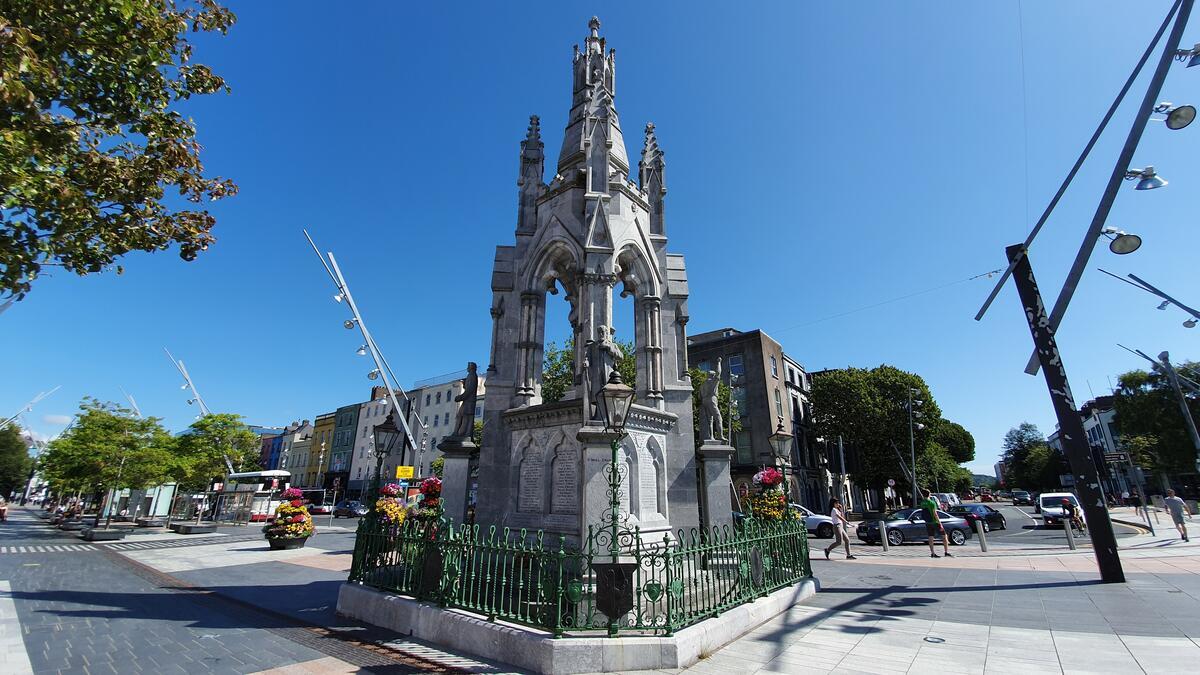
Photograph: Michelle Donovan (Fáilte Ireland)
FAQs about visiting Cork
Is Cork worth visiting for a weekend?
Yes, Cork is very much worth visiting for a weekend. It is compact enough for a short break, but distinctive enough to feel like a proper trip. A good weekend can include the English Market, Shandon, Cork pub culture, riverside walks, cultural venues, independent cafés, local food, hilltop views and one easy day trip if you have an extra day.
How many days do you need in Cork?
Three days is enough for a good first visit to Cork City. A three-night long weekend is better, as it gives you time to explore the city properly and add one day trip to somewhere such as Cobh, Kinsale, Blarney, Fota or Midleton. If you want to explore West Cork or the wider county, plan a longer trip.
Is Cork walkable?
Cork City is walkable by distance, especially if you stay centrally. The main city centre, English Market, shops, cafés, pubs and many cultural stops are close together. However, Cork is also hilly, so places such as Shandon, Patrick’s Hill, Bell’s Field and Sunday’s Well can involve steep climbs. Comfortable shoes are strongly recommended.
Do you need a car in Cork?
You do not need a car for a Cork City weekend. A central hotel, walking, taxis, buses and occasional organised tours will be enough for most first-time visitors. A car is more useful if you are planning to explore West Cork, beaches, rural food producers, coastal villages or several places across the wider county.
What is Cork best known for?
Cork is known for the English Market, local food culture, historic pubs, Murphy’s and Beamish stout, butter history, spiced beef, harbour connections, music, conversation, independent spirit and a strong sense of local pride. It is also a useful base for visiting Cobh, Kinsale, Blarney, Fota, Midleton and the wider county.
What is the best area to stay in Cork?
For a first visit, the best areas to stay in Cork are the city centre, South Mall, MacCurtain Street, the Victorian Quarter and the area around Kent Station. These areas keep you close to restaurants, cafés, pubs, shops, the English Market, cultural venues and transport links, which makes a short Cork break much easier.
Can you visit Cobh from Cork as a day trip?
Yes, Cobh is one of the easiest day trips from Cork City. It is a good choice for harbour views, maritime history, Titanic stories, emigration history and Spike Island. It works especially well if you want a day trip with strong historical context rather than simply a pretty coastal stop.
Can you visit Kinsale from Cork as a day trip?
Yes, Kinsale can be visited from Cork as a day trip. It is especially good for food, harbour views, colourful streets, galleries, cafés, restaurants and nearby Charles Fort. It can be busy in summer and at weekends, so give yourself enough time and book ahead if you have a particular restaurant in mind.
Is Cork good for food lovers?
Cork is excellent for food lovers. The English Market is the obvious starting point, but the city also has strong cafés, restaurants, pubs, local produce, seafood, spiced beef, butter history, vegetarian dining, international food, food trucks, pop-ups, the Marina Market and food events such as Cork on a Fork.
What should you not miss on a first visit to Cork?
On a first visit to Cork, do not miss the English Market, Shandon, the Cork Butter Museum, Nano Nagle Place, St Fin Barre’s Cathedral, Elizabeth Fort, Triskel Arts Centre, UCC, Fitzgerald Park, a hilltop view and at least one proper Cork pub. If you have an extra day, add one nearby day trip rather than trying to see the whole county.
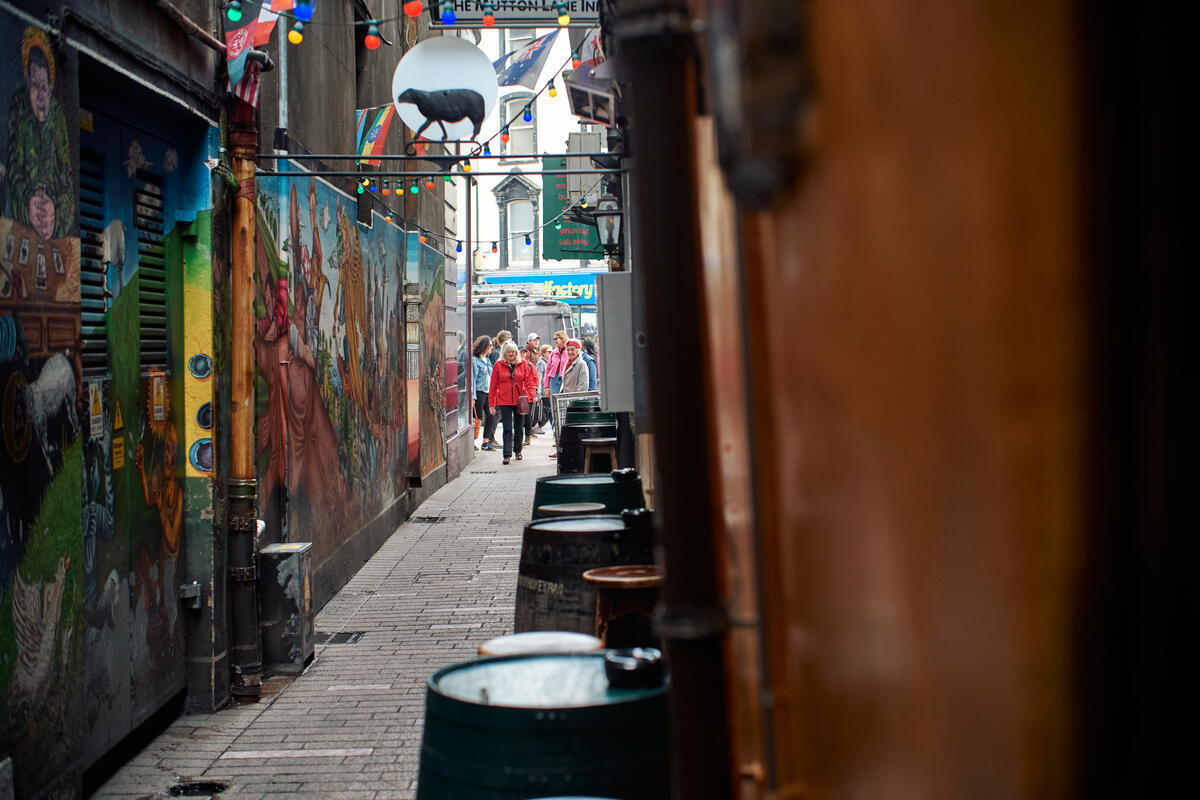
Photograph: Islander (Fáilte Ireland)
Final thoughts on spending a long weekend in Cork
Cork is not a city that needs to be rushed. In fact, it is much better when you resist the urge to turn it into a list. Give yourself time for the English Market, for a traditional pub, for a hill, for the river, for coffee, for something cultural, for a day trip if you have the extra day, and for at least one moment where the plan happily falls apart.
The best Cork weekends keep the city at the centre. Cobh, Kinsale, Blarney, Fota, Midleton and West Cork are all part of the wider story, but they should not overwhelm the first visit. Cork City has enough food, history, humour, conversation, culture, rain, river light and local pride to carry a long weekend by itself.
If you come for the food, you will find it in markets, cafés, restaurants, food trucks, pubs, festivals and local specialities. If you come for the culture, you will find it in churches, theatres, arts venues, galleries, historic streets and conversations. If you come because Cork has a reputation for being fiercely itself, you will understand that fairly quickly too.
Plan enough to make the weekend easy. Leave enough space for Cork to surprise you. That is usually where the best bits happen.
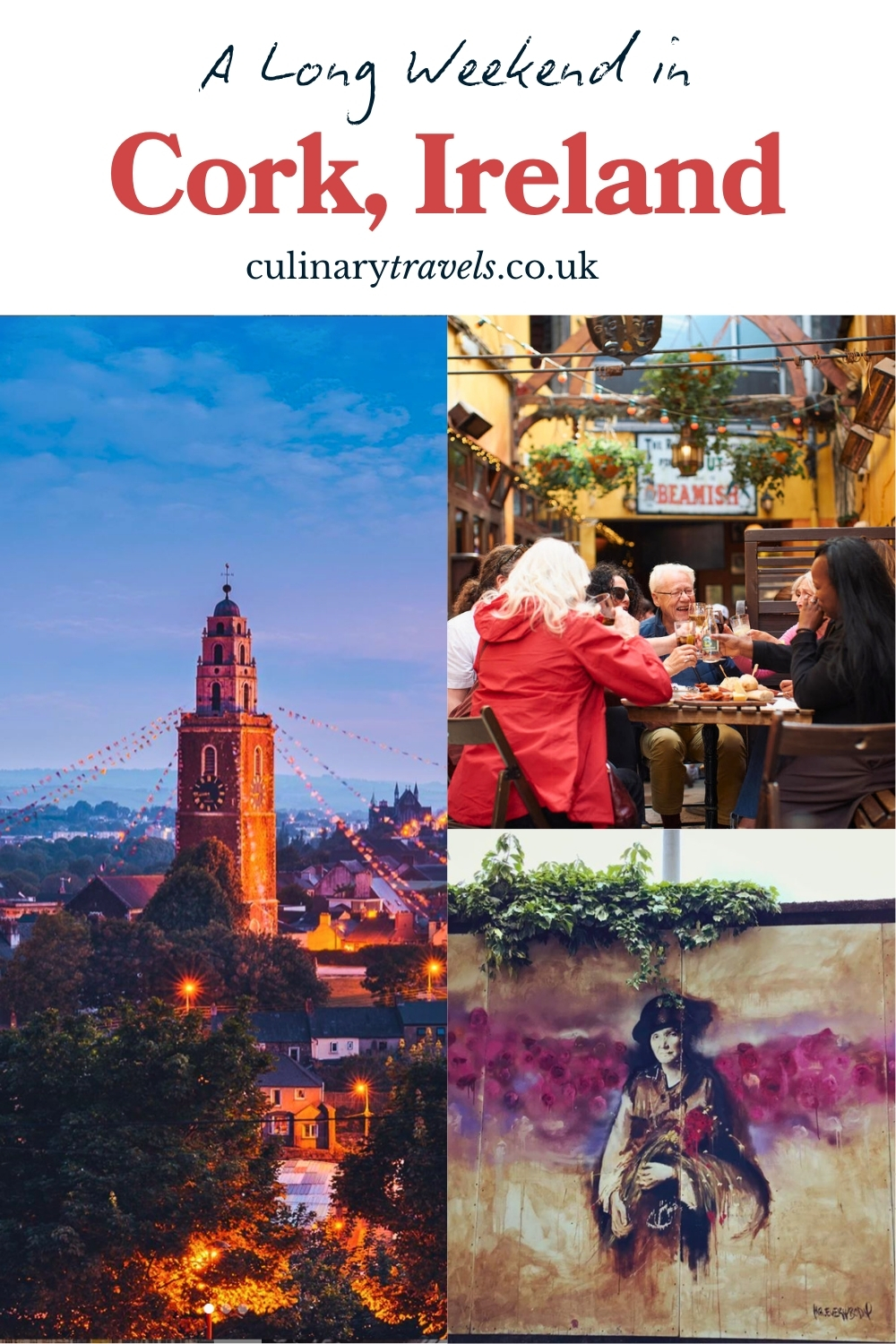
Plan the rest of your time in Cork
Once your dates are set, use my Where to Stay in Cork guide to compare the best areas, historic hotels, boutique stays, riverside bases, parking-friendly options and quieter spa retreats.
Then plan your meals with the detailed guide to where to eat in Cork, covering neighbourhood cafés, seafood, international kitchens, hotel dining and restaurants worth booking. If the Market is high on your list, my in-depth guide to the English Market in Cork covers what to eat and buy, traditional Cork foods, the Market’s history, Farmgate Café, opening hours and practical visiting tips.
Future Cork guides will go deeper into the city’s old pubs and local stout, along with nearby trips to Cobh, Kinsale, Blarney, Fota, Midleton, West Cork and the coast. For now, keep your first visit city-focused, choose one easy day trip if time allows, and let Cork give you a reason to come back.
Stay in Touch
Culinary Travels publishes destination guides, seasonal recipes, and food-led travel features from the UK and beyond.
Follow for new articles and updated travel resources:
Instagram | X | Facebook | Pinterest
Newsletter
Receive new guides, recipes, and occasional travel planning notes by email: Subscribe here
Reader feedback and local recommendations are always welcome via the contact page.
©2026 Culinary Travels. Culinary Travels is written and edited by Georgina Ingham | Website designed by The Smarter Web Company
What Our Followers Say
"A highly complimentary article ... showcasing why the English Market remains one of Ireland's premier food destinations"
Cork City Council via Facebook
"Our list of things to do in Cork has just expanded hugely thanks to Culinary Travels."
Triskel Art Centre Cork, via Twitter
“Tried this last night and it was delicious!”
Reader feedback via Pinterest, Yangzhou Fried Rice Recipe
"Oh yum!!! I could eat one or two right now!"
Sami Tamimi, via Instagram, on Ma’amoul Cookies
"Georgina was great to work with, quick to respond, and is a excellent content writer - would highly recommend"
Nick S - Get Blogged
“A simple no-knead dough transformed into beautiful, rustic rolls.”
Reader feedback via Pinterest, No-Knead Ciabatta Rolls Recipe