
Articles


A Local’s Guide to Wimbledon: Village Life, Green Spaces and Hidden Gems
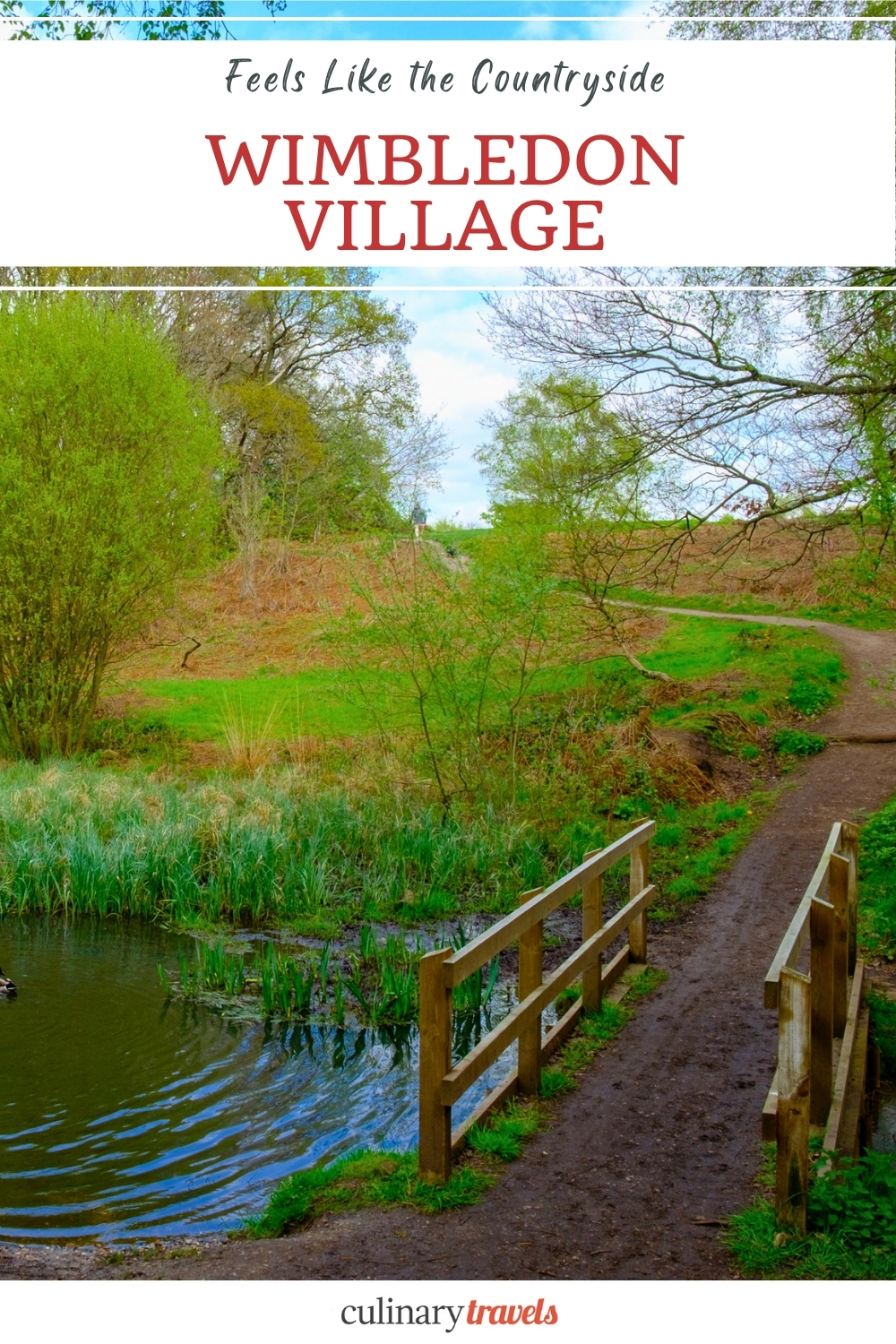
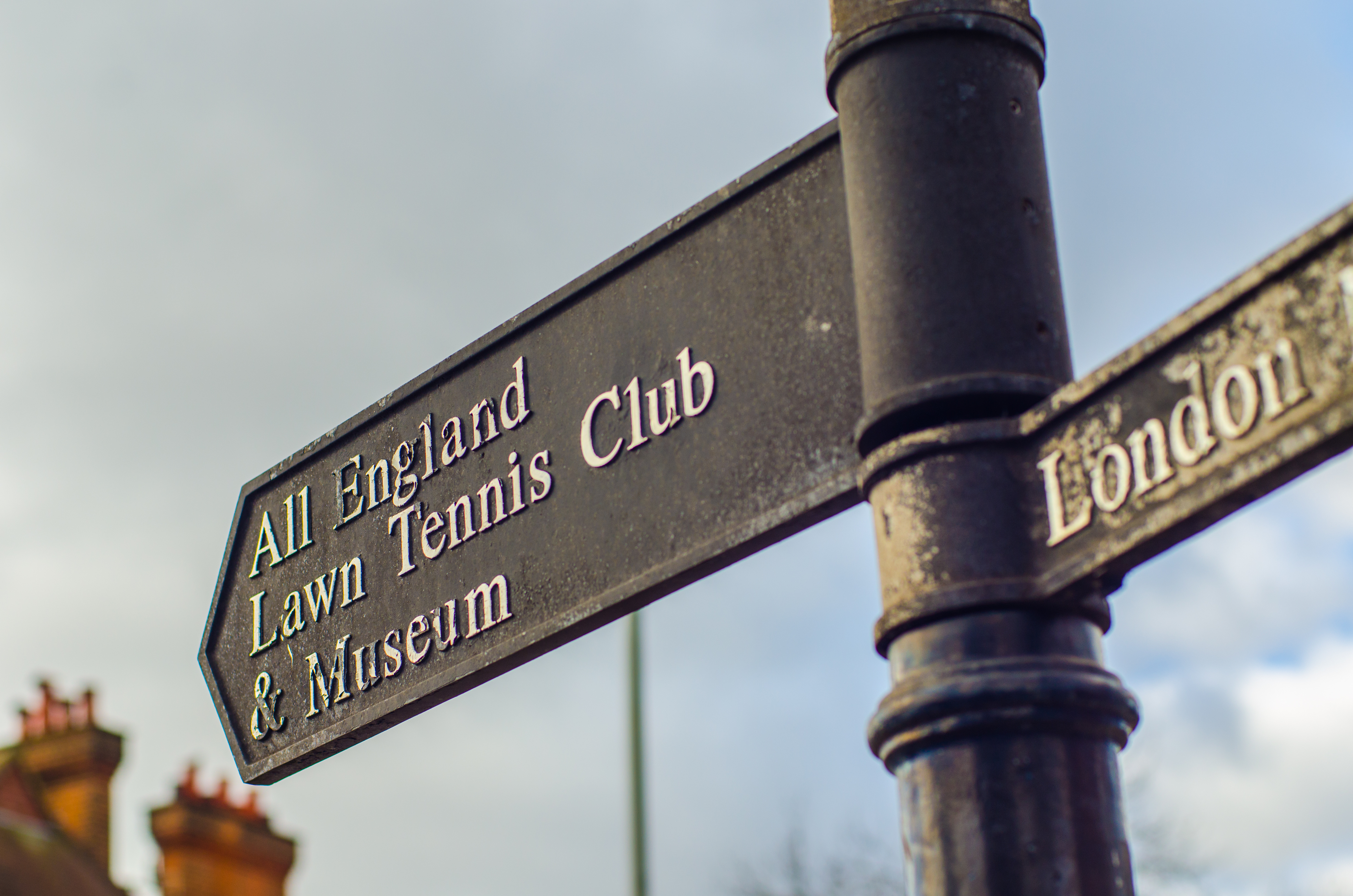
Wimbledon is known the world over for the Wimbledon Championships: two weeks of queues, strawberries, and Centre Court drama that transform this corner of south west London into one of the busiest sporting destinations in the world.
But step just a little further from the gates, and Wimbledon reveals something else entirely.
Some articles on Culinary Travels may contain affiliate links, meaning I may earn a small commission at no extra cost to you. I only recommend places, experiences and products that fit the editorial tone and standards of the site.
Update Note: This guide was originally published in November 2020 in collaboration with Wimbledon Hospitality and has been fully updated in April 2026 to reflect current visitor information, travel insights and a more considered way of exploring Wimbledon.
In this guide
1) Where to stay in Wimbledon
2) Things to do in Wimbledon
3) Wimbledon Common and green spaces
4) Wimbledon Village
5) Culture and local history
6) Championships atmosphere
7) FAQs
Photograph: William (Adobe Stock)
Wimbledon is easy to reach from central London, with regular Underground and National Rail connections from Waterloo and Victoria. Once here, much of the area is walkable, with the Village and Common sitting within easy reach of the station.
If you are planning a longer visit, it is worth thinking about food and drink before you arrive. For restaurants, cafés, pubs, picnic stops and nearby alternatives, see the full guide to where to eat and drink in Wimbledon. If you are mainly looking for a pint, a beer garden, a Sunday roast or somewhere cosy after a walk, this dedicated guide to the best pubs in Wimbledon goes into more detail.
Use this map to get your bearings. Wimbledon is more walkable than it first appears, and most of what’s worth seeing sits within a surprisingly compact, leafy stretch of south west London.
If you are planning your visit around parks, commons and slower routes through the area, the separate guide to Wimbledon walks and green spaces goes into more detail on Wimbledon Common, The Wimbledon Way, Cannizaro Park, Wimbledon Park and longer routes nearby.
Where to stay in Wimbledon
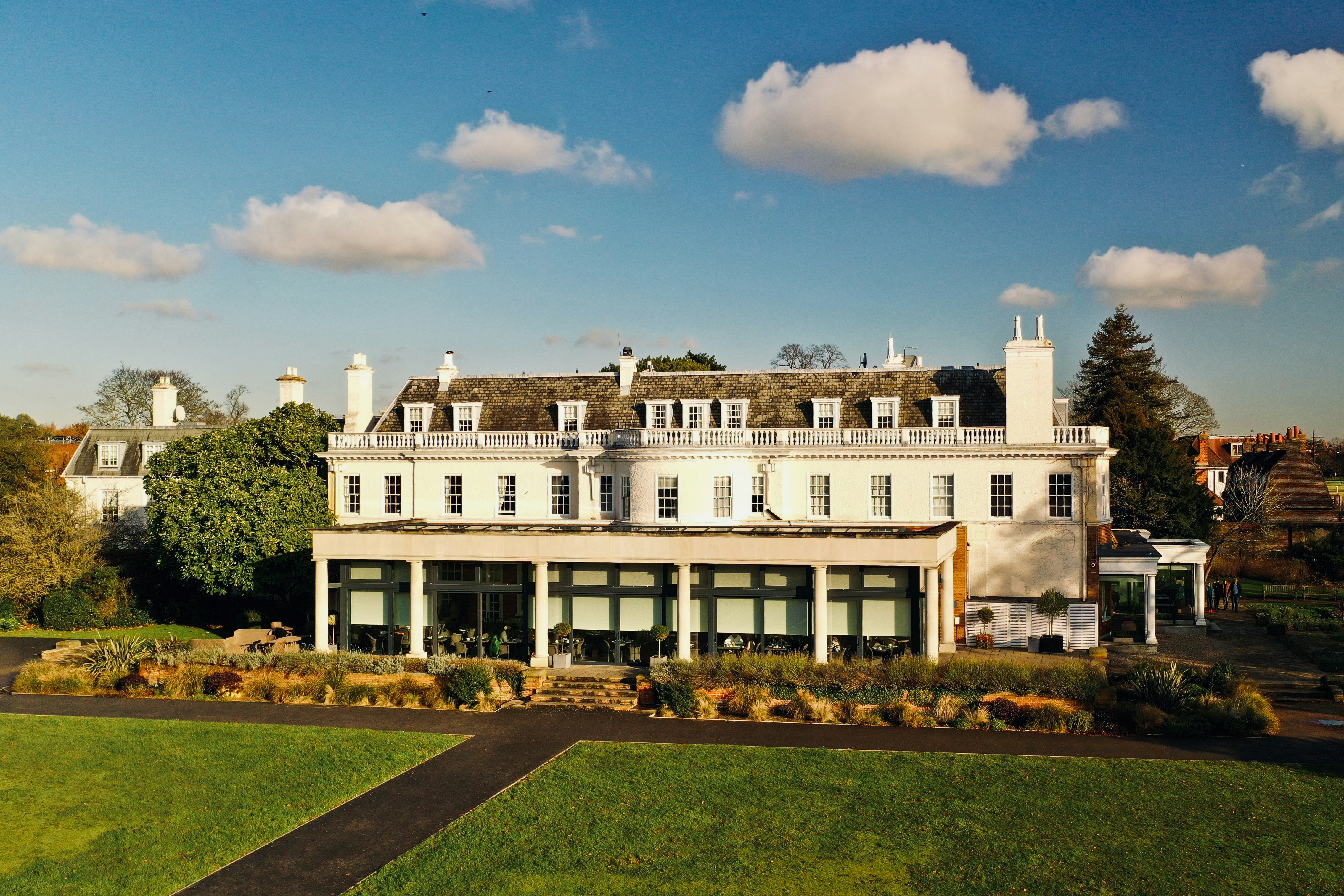
Wimbledon works well as a base whether you’re visiting for the Championships or simply looking for a quieter place to stay within easy reach of central London. Accommodation here ranges from boutique hotels set alongside the Common to smaller guesthouses and well-connected chain stays closer to the Underground.
Photograph: Jay Mullings (Unsplash)
For most visitors, the choice comes down to pace. Stay in Wimbledon and you’ll wake up to something slower and more residential. Stay elsewhere in London and travel in, and you’ll trade that calm for convenience and variety.
For a closer look at the best areas and options, see the full guide to where to stay in Wimbledon, or browse accommodation in Wimbledon and nearby areas.
Things to do in Wimbledon (beyond the tennis)
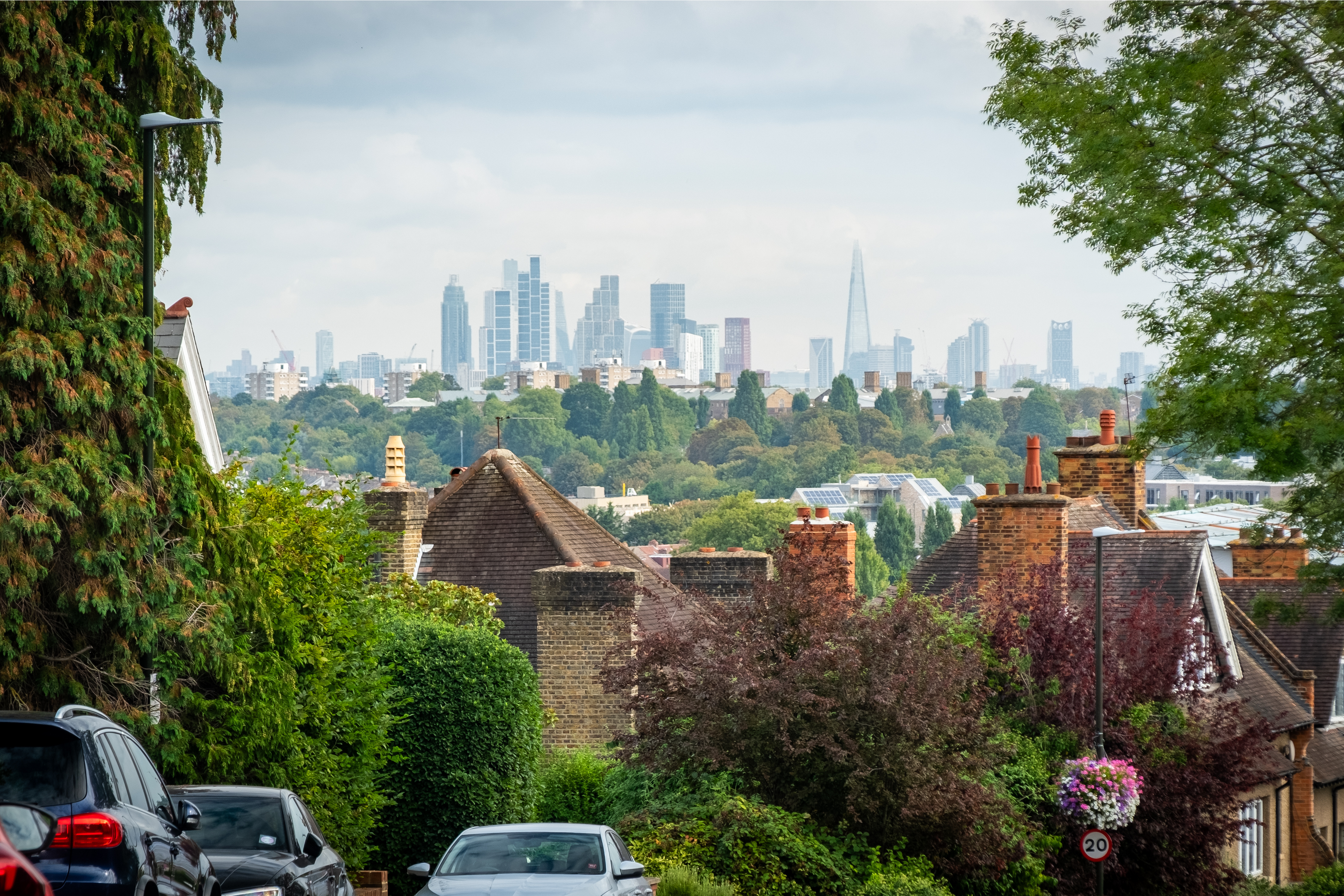
For many visitors, Wimbledon begins and ends with the Championships. But outside those two weeks each summer, this is a neighbourhood shaped far more by green space, local life and a quiet sense of history than by sport.
Even during the tournament, stepping away from the crowds quickly reveals a different side of the area, one that feels closer to a village than a global event destination.
Wimbledon works best when approached slowly. Plan around a walk across the Common, time in the Village, and one or two places to pause along the way. Whether you visit for a few hours or a full day, the area rewards a more relaxed pace.
Photograph: William (Adobe Stock)
Think of this guide as a starting point for experiencing Wimbledon beyond the obvious. For restaurants, cafés, pubs and picnic stops, see the guide to where to eat and drink in Wimbledon. For tournament-specific planning, the Wimbledon during the Championships guide focuses on how to navigate the area when it is at its busiest.
Wimbledon Common and green spaces
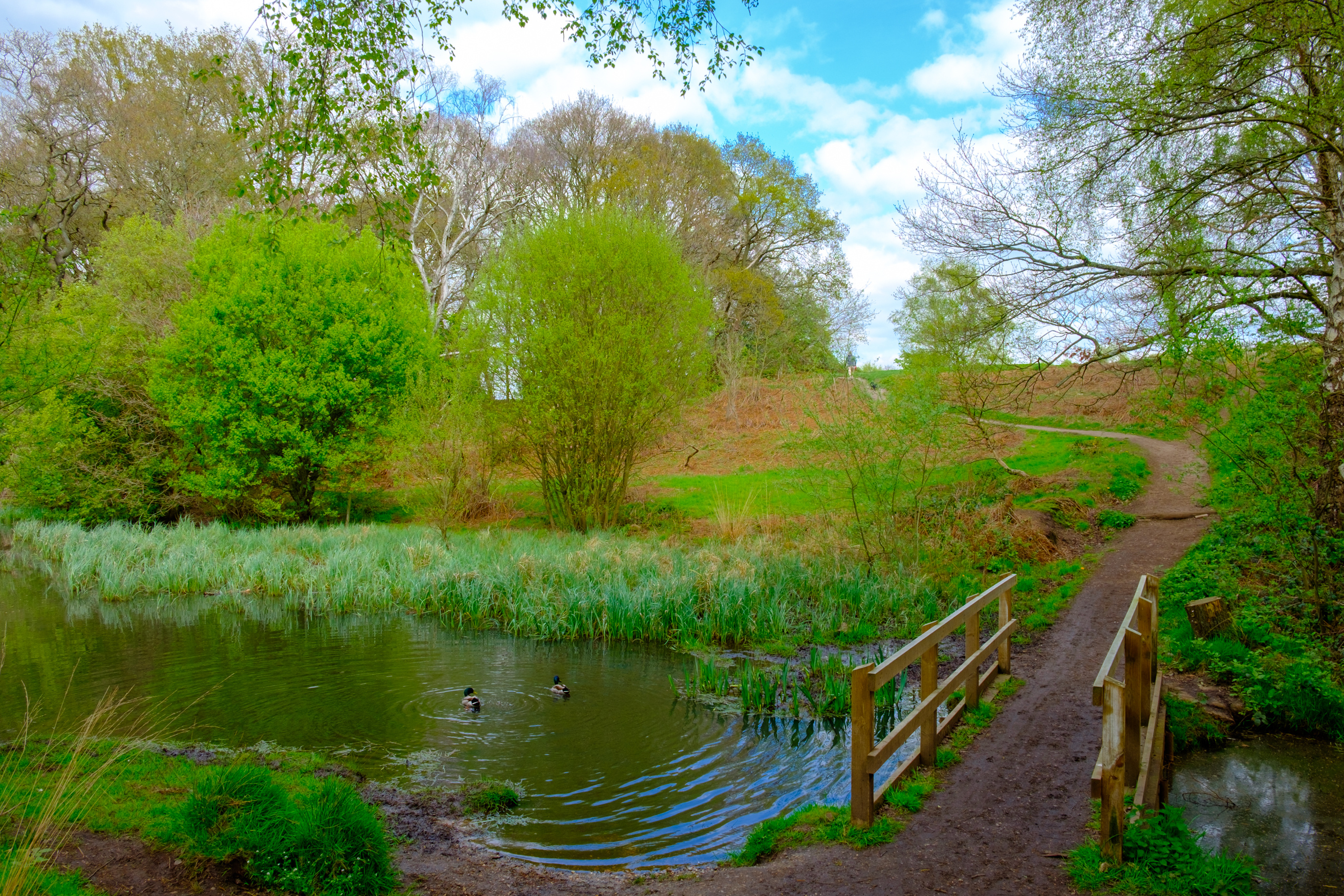
Much of Wimbledon’s character comes from its sense of space. Step away from the high street and you’ll find yourself in a landscape that feels surprisingly open for London, with wide stretches of common land, shaded walking paths and pockets of quiet that seem to absorb the noise of the city.
Photograph: Eric Laudonien (Adobe Stock)
Wimbledon Common is at the heart of that. Spanning more than 1,000 acres and stretching towards Putney Heath, it offers a slower way to experience the area: unhurried walks, glimpses of wildlife and scenery that shifts with the seasons rather than the calendar of events.
If you grew up in Britain of a certain vintage, this part of Wimbledon may also come with a familiar soundtrack. The Wombles of Wimbledon, quietly industrious custodians of the Common, remain one of the area’s most affectionate cultural references, and a reminder that this stretch of green has long had a life beyond the tennis.
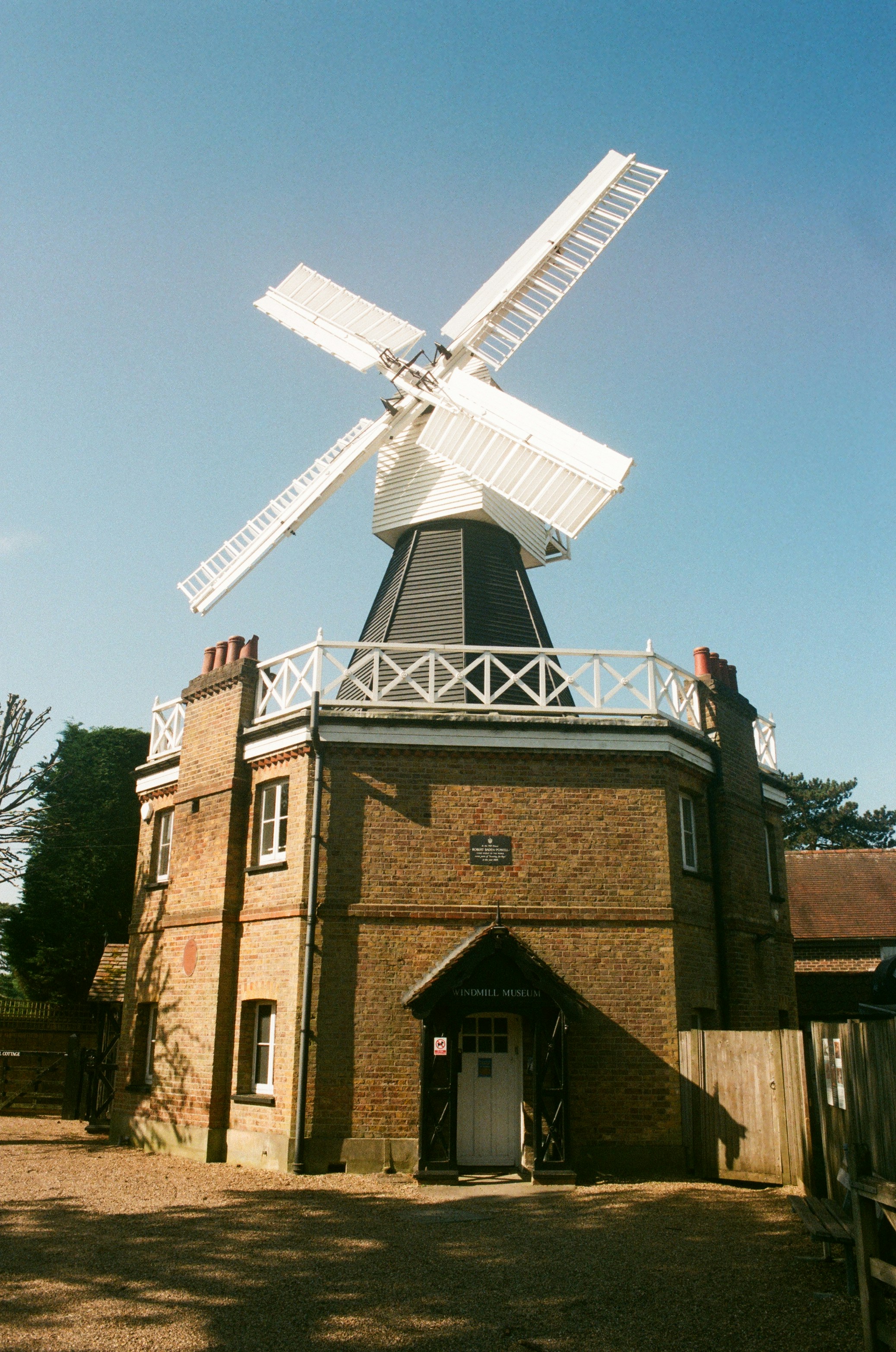
One of the Common’s most recognisable landmarks is the windmill, built in 1817 and now home to a small museum. It’s a gentle detour rather than a headline attraction, the kind of place you come across mid-walk rather than plan your day around.
Photograph: Robin Battison (Unsplash)
For those looking to spend more time outdoors, this is where Wimbledon begins to feel less like a neighbourhood and more like an escape. Whether you’re walking, picnicking or simply taking a break from the pace of central London, the Common offers a version of the city that is quieter, greener and easier to settle into.
For a more detailed look at exploring the area on foot, see the full guide to Wimbledon walks and green spaces, which covers Wimbledon Common, The Wimbledon Way, Cannizaro Park, Wimbledon Park, the River Wandle, Merton Abbey Mills and longer green routes towards Richmond Park.
If you’re planning to spend a full day exploring on foot, a comfortable pair of shoes and a lightweight day bag make all the difference.
Wimbledon Village
If Wimbledon Common is where the area opens out, Wimbledon Village is where it settles into itself.
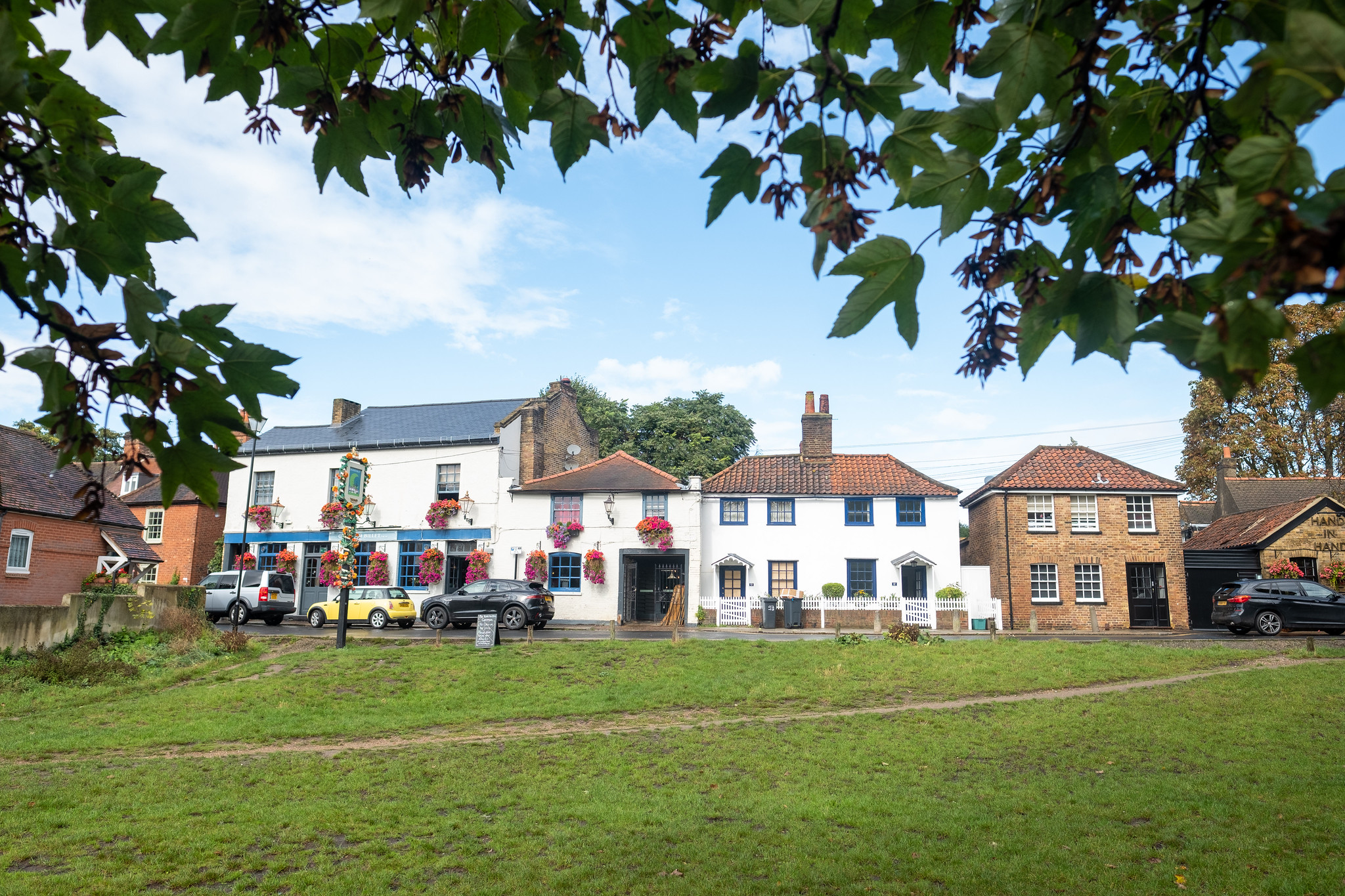
A short walk uphill from the bustle of the station, the Village feels almost improbably calm. Independent shops, cafés and restaurants line the streets, giving this part of London its distinctive, slower rhythm. It’s not untouched by the city, but it wears it lightly, with leafy streets, small storefronts and the sense that people are here to linger rather than rush through.
This is where Wimbledon’s “village” identity becomes most tangible. Mornings tend to unfold gently, with coffee taken outside when the weather allows and a slow browse through local shops, while afternoons lean towards long lunches and unhurried walks back towards the Common.
Photograph: William (Adobe Stock)
During the Wimbledon Championships, the Village shifts in tone but not in character. It becomes busier, certainly, but step just one street back and the pace softens again, offering a welcome contrast to the energy around the courts.
For visitors, this is one of the easiest ways to experience Wimbledon beyond the event itself. Come here to eat, to wander, or simply to pause for a while. It’s often the part of the area that stays with people long after the matches have finished.
For a closer look at restaurants, cafés, pubs and food shops in and around the Village, see the guide to where to eat and drink in Wimbledon. For a more pub-focused route through Village inns, Common-side drinking spots, real-ale locals and cosy winter pint options, see the guide to the best pubs in Wimbledon.
Culture and local history
Wimbledon’s quieter character isn’t just about green space and village life. It is also shaped by a long and often understated history that sits just beneath the surface.
One of Wimbledon’s more intriguing historic buildings is Southside House, a Grade II listed property on the edge of the Common. Built in the 17th century and long associated with the Pennington family, it offered a glimpse into a version of English domestic life that was rarely polished or overly curated. The house is now closed to the public, but it remains part of the area’s historic fabric.
Closer to the centre of Wimbledon, the Wimbledon Museum of Local History provides a more traditional but equally engaging look at the area’s past. Housed in a Victorian building, its collections range from archaeology and local industry to maps, photographs and everyday artefacts, tracing the transformation of Wimbledon from rural settlement to London suburb.
For something slightly different, Merton Abbey Mills sits along the River Wandle on the site of the former Liberty printing works. Today it’s a small but characterful collection of independent shops, studios and market spaces, with a focus on crafts and making. It feels a little removed from the main flow of visitors, part heritage site, part working creative space.
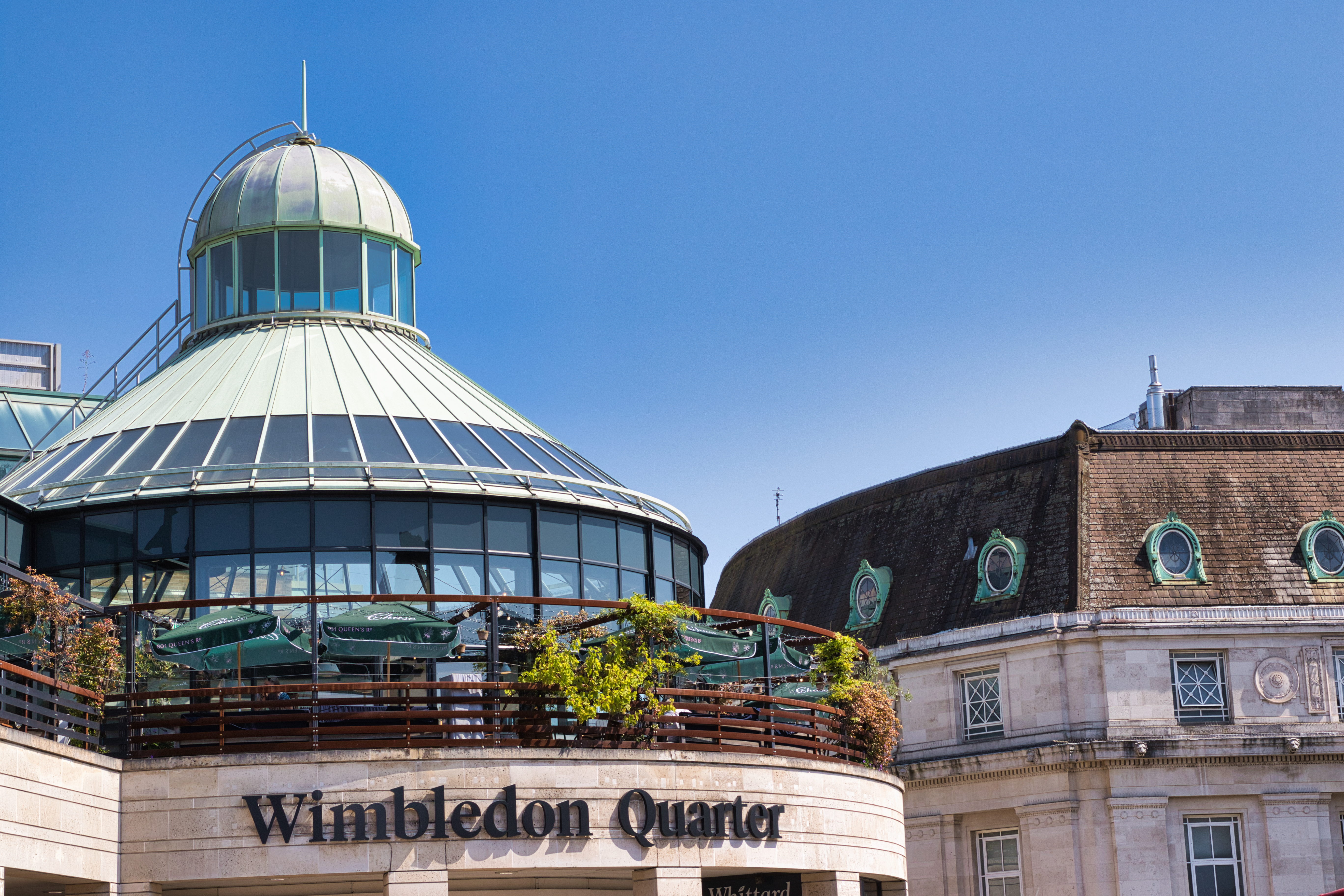
Taken together, these places add another layer to Wimbledon, one that sits comfortably alongside its green spaces and village streets, and reinforces the sense that this is somewhere with its own identity rather than simply an extension of central London.
Photograph: iSky Media (Adobe Stock)
Where to soak up the atmosphere without a ticket
Even if you’re not heading into the grounds, Wimbledon during the Wimbledon Championships still has a very particular kind of atmosphere, one that spills out into the surrounding streets, parks and public spaces.
For many visitors, this is where the experience becomes more relaxed. Without the structure of a match schedule, there’s time to move between places, settle in somewhere for a drink, or simply take in the rhythm of the area as it shifts over the course of the day.
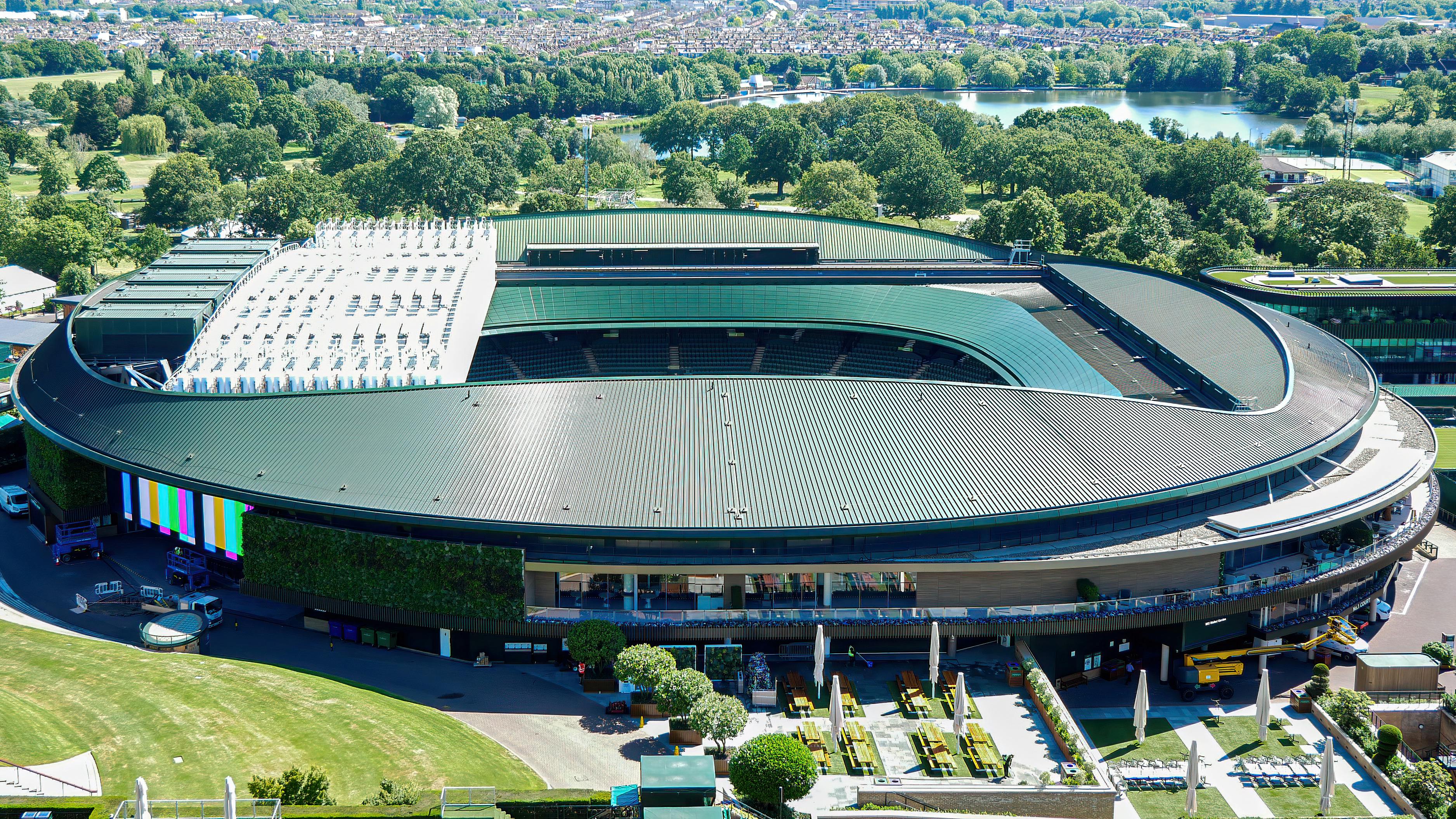
Photograph: Marian Florinel Condruz (Pexels)
One of the best-known spots is the hill inside the grounds, often still referred to as Murray Mound. If you’re willing to queue, it offers a chance to watch the action on a big screen while remaining part of the crowd. It is a shared experience that feels very much part of Wimbledon’s identity.
Elsewhere, local spaces like the Piazza create a more informal setting, where large screens and outdoor seating bring people together without the same intensity. It’s a good option if you want to stay close to the atmosphere but keep a little distance from the busiest areas.
What becomes clear quite quickly is that you don’t need a ticket to feel part of Wimbledon. Some of the most enjoyable moments come from stepping just outside the main flow, finding a quieter place to watch, or leaving the screens behind altogether and returning to the Village or the Common.
For a more detailed look at how to navigate the area during the tournament, see the full guide to Wimbledon during the Championships. If food is the main priority, the separate guide to where to eat and drink in Wimbledon covers restaurants, cafés, pubs, picnic stops and nearby alternatives, while this guide to the best pubs in Wimbledon is useful for choosing between tennis-season buzz, Common-side drinks and quieter local pubs.
FAQs: Visiting Wimbledon
Is Wimbledon worth visiting outside the tennis?
Yes, and arguably more so. Outside the Wimbledon Championships, the area feels calmer and more local, with its green spaces, village atmosphere and independent cafés coming to the fore. It offers a very different experience from central London.
What is there to do in Wimbledon besides tennis?
Wimbledon is best explored slowly. Walk across Wimbledon Common, spend time in the Village, visit places like the Wimbledon Museum of Local History or Merton Abbey Mills, and take advantage of the area’s quieter pace. The focus here is less on attractions and more on atmosphere.
How far is Wimbledon from central London?
Wimbledon is around 20–30 minutes from central London by Tube or train, making it an easy day trip or a quieter base for exploring the city.
Can you visit Wimbledon without tickets to the Championships?
Yes. During the tournament, you can still experience the atmosphere through outdoor screens, local venues and public spaces. Outside the Championships, the area is open to explore at your own pace.
When is the best time to visit Wimbledon?
It depends on the kind of experience you’re looking for. Visit during the Championships in late June and early July for energy, atmosphere and a sense of occasion, or come outside those weeks for a quieter, more local feel. Spring and early autumn are particularly rewarding, when the Common is at its best and the Village settles into a slower, more relaxed rhythm.
Final thoughts
Wimbledon has a way of being defined by a single event, but that’s only part of the story.
Spend a little time here, beyond the queues, the courts and the summer crowds, and a different version of the area begins to emerge. One shaped by open green space, village streets and a quieter rhythm that feels distinctly removed from the pace of central London.
It’s this balance that makes Wimbledon such an interesting place to explore. You can come for the atmosphere and stay for everything around it, or skip the tennis altogether and discover a neighbourhood that feels self-contained, characterful and unexpectedly calm.
Either way, Wimbledon rewards those who take the time to step just slightly off the obvious path.
Plan the rest of your time in Wimbledon
For practical planning, see the guide to getting to Wimbledon by Tube, train, car or air, along with the guide to where to stay in Wimbledon if you are choosing a base for the Championships, theatre, Common or a slower south-west London stay.
For food-led planning, the guide to where to eat and drink in Wimbledon covers restaurants, cafés, picnic stops and nearby alternatives, while the dedicated guide to the best pubs in Wimbledon focuses on Village pubs, Common-side beer gardens, real-ale locals and cosy winter pints.
If you are visiting during tennis fortnight, the Wimbledon during the Championships guide covers how to navigate the area when it is at its busiest. For slower, place-led visits, the guide to Wimbledon walks and green spaces covers the Common, The Wimbledon Way, Cannizaro Park, Wimbledon Park and longer green routes nearby.
Stay in Touch
Culinary Travels publishes destination guides, seasonal recipes, and food-led travel features from the UK and beyond.
Follow for new articles and updated travel resources:
Instagram | X | Facebook | Pinterest
Newsletter
Receive new guides, recipes, and occasional travel planning notes by email: Subscribe here
Reader feedback and local recommendations are always welcome via the contact page.

©2026 Culinary Travels. Culinary Travels is written and edited by Georgina Ingham | Website designed by The Smarter Web Company
What Our Followers Say
"A highly complimentary article ... showcasing why the English Market remains one of Ireland's premier food destinations"
Cork City Council via Facebook
"Our list of things to do in Cork has just expanded hugely thanks to Culinary Travels."
Triskel Art Centre Cork, via Twitter
“Tried this last night and it was delicious!”
Reader feedback via Pinterest, Yangzhou Fried Rice Recipe
"Oh yum!!! I could eat one or two right now!"
Sami Tamimi, via Instagram, on Ma’amoul Cookies
"Georgina was great to work with, quick to respond, and is a excellent content writer - would highly recommend"
Nick S - Get Blogged
“A simple no-knead dough transformed into beautiful, rustic rolls.”
Reader feedback via Pinterest, No-Knead Ciabatta Rolls Recipe