
Articles


Les Arcs Ski Resort Guide: Villages, Skiing, Food and Where to Stay
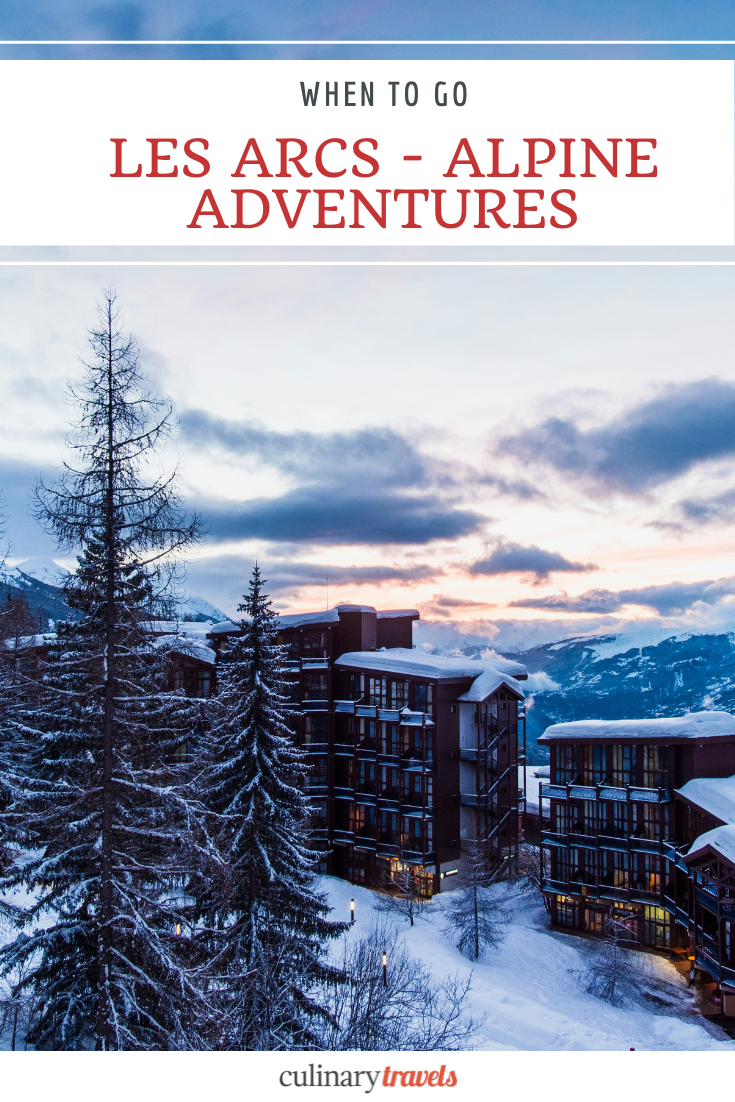
TRAVEL GUIDE
Plan a trip to Les Arcs with this practical guide to the resort’s four mountain villages, ski terrain, Savoyard food, accommodation options and travel logistics — including how to choose the right base for your style of trip.
This article was originally produced with the support of a commercial partner. Editorial control remains with the author. Some articles on Culinary Travels may contain affiliate links, meaning I may earn a small commission at no extra cost to you. I only recommend places, experiences and products that fit the editorial tone and standards of the site.
Update note: This guide was originally published in October 2025 and fully updated in October 2026 with refreshed visitor information, practical travel advice and a revised editorial structure.
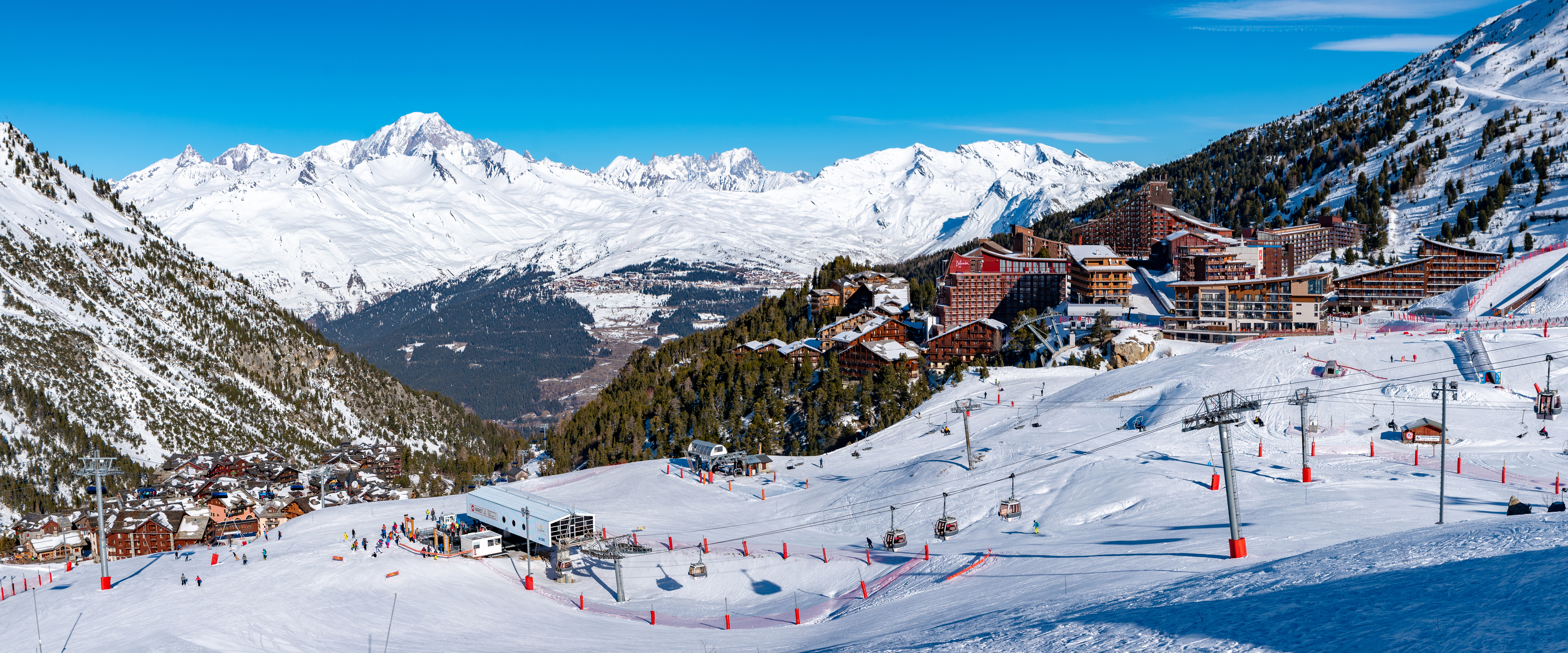
Photograph: Chun Ju Wu (Dreamstime)
Winter in the Alps has a way of sharpening the senses. Light reflects off fresh snow, the air feels impossibly clear, and the scale of the mountains quickly resets your sense of distance. In the Tarentaise Valley of the French Alps, Les Arcs combines dramatic high-alpine scenery with something rather more practical: a ski resort designed to make getting onto the mountain relatively straightforward.
Rather than one traditional Alpine village, Les Arcs is made up of four purpose-built mountain stations — Arc 1600, Arc 1800, Arc 1950 and Arc 2000 — set at different altitudes above Bourg-Saint-Maurice. Each has its own atmosphere, accommodation and access to the slopes, while much of the resort is ski-in, ski-out. Together they form part of the vast Paradiski area, linked with neighbouring La Plagne by the Vanoise Express cable car.
That layout is one of Les Arcs’ defining features. Choosing where to stay can shape everything from how quickly you reach the pistes to where you eat in the evening and how lively the resort feels after the lifts close. For a broader comparison with other destinations in the region, see my guide to ski trips in the French Alps.
In this guide
1. Quick answer: is Les Arcs worth visiting?
2. Which Les Arcs village is best to stay in?
3. Skiing in Les Arcs: terrain and ability levels
4. Things to do in Les Arcs beyond skiing
5. What to eat and drink in Les Arcs
6. Après-ski and evenings in Les Arcs
7. Best time to visit Les Arcs
8. Getting to Les Arcs
9. Choosing accommodation in Les Arcs
10. Planning your first trip to Les Arcs
11. How to visit Les Arcs on a budget
12. How long do you need in Les Arcs?
13. What to pack for a ski trip to Les Arcs
14. Beyond Les Arcs: La Plagne and Bourg-Saint-Maurice
15. FAQs
Quick answer: Is Les Arcs worth visiting?
Les Arcs is a strong choice for skiers who want a large, varied ski area without complicated day-to-day logistics. Its four mountain villages offer different atmospheres, from lively Arc 1800 to quieter Arc 1950 and high-altitude Arc 2000, while ski-in, ski-out accommodation is common across the resort.
It works particularly well for intermediate skiers, families and mixed-ability groups, with access to the wider Paradiski area and neighbouring La Plagne. Bourg-Saint-Maurice also makes the resort relatively straightforward to reach by rail and funicular.
Food is part of the experience too, with Savoyard dishes such as raclette, fondue, tartiflette and crozets shaping the rhythm of mountain lunches and relaxed evenings after skiing.
Which Les Arcs village is best to stay in?
Les Arcs is arranged vertically above the valley town of Bourg-Saint-Maurice rather than around one central resort village. Arc 1600, Arc 1800, Arc 1950 and Arc 2000 each sit at a different altitude and have their own atmosphere, accommodation and relationship with the slopes. Bourg-Saint-Maurice acts as the gateway to the resort, with rail and transfer connections into the valley and the funicular providing direct access to Arc 1600.
Arc 1600: best for easy access and quieter stays
Arc 1600 was the first of the Les Arcs villages to be developed and remains one of the most convenient bases, particularly for travellers arriving by train. The funicular from Bourg-Saint-Maurice brings you directly to the village, making it especially practical for shorter breaks or anyone keen to avoid a long transfer up the mountain.
The atmosphere is relatively relaxed, with good access to the slopes and fewer distractions than in Arc 1800. It suits skiers who value convenience and time on the mountain over a busy après-ski scene.
Arc 1800: best for choice and atmosphere
Arc 1800 is the liveliest and most central part of Les Arcs, with a broad mix of accommodation, restaurants, shops and après-ski. It is often the easiest all-round choice for first-time visitors and mixed groups because there is plenty happening off the slopes as well as straightforward access to the ski area.
If you want evenings with a little more energy, a wider choice of places to eat and the convenience of having most things close at hand, Arc 1800 is the most versatile base.
Arc 1950: best for atmosphere and a village feel
Arc 1950 has a more polished, self-contained feel than the other high-altitude stations. Its pedestrian centre, chalet-style architecture and compact square give it something closer to a traditional Alpine atmosphere, while still retaining the ski-in, ski-out practicality Les Arcs is known for.
It works particularly well for couples and families who want comfort, restaurants and a slower evening pace without giving up easy slope access.
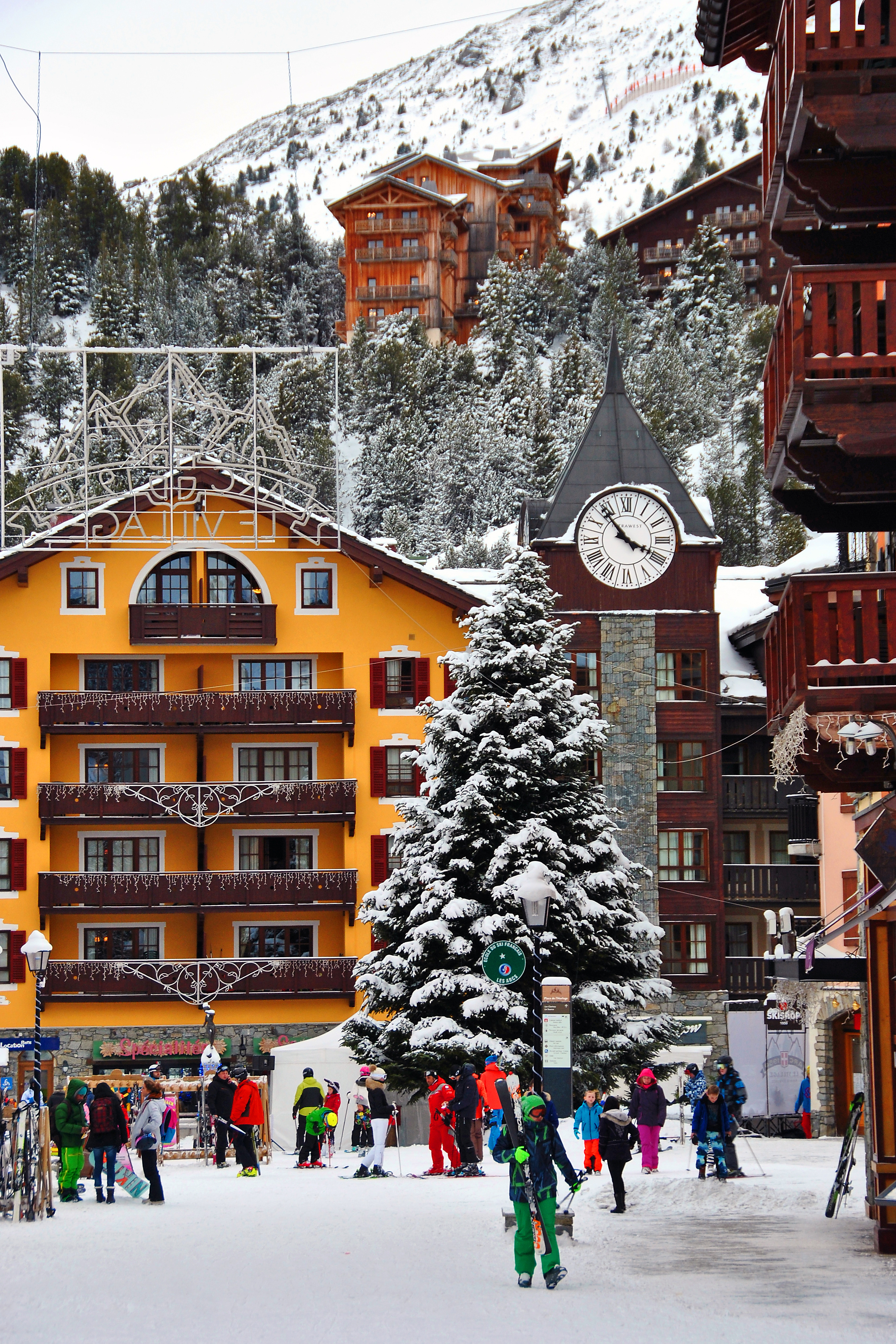
Photograph: Andy Evans (Adobe Stock)
Arc 2000: best for high-altitude skiing
Arc 2000 sits highest on the mountain and feels noticeably more ski-focused. Its main appeal is access to higher terrain, making it a strong choice for confident skiers and for trips at the beginning or end of the season, when altitude can matter more.
The atmosphere is quieter than Arc 1800, with less emphasis on nightlife and more on getting quickly onto the slopes.
What about Bourg-Saint-Maurice?
Bourg-Saint-Maurice sits below the resort at the valley floor and offers a different way to experience Les Arcs. It is the main transport hub, with rail connections and airport transfers arriving here before the funicular climbs to Arc 1600.
Staying in the town can suit travellers who prefer a year-round Alpine base, want easier access to shops and services, or are looking for an alternative to ski-in, ski-out accommodation higher on the mountain.
Wherever you stay, the villages are linked by pistes, lifts and resort transport, so choosing a base is less about whether you can reach the ski area and more about the kind of holiday you want: lively or quiet, high-altitude or convenient, self-contained or closely connected to the valley.
Les Arcs at a glance: Use the map below to see how the four mountain villages sit above Bourg-Saint-Maurice and how the resort connects across the Tarentaise Valley.
Skiing in Les Arcs: Terrain and Ability Levels
Les Arcs forms part of the Paradiski area, which brings together Les Arcs, Peisey-Vallandry and neighbouring La Plagne, linked by the Vanoise Express cable car. Les Arcs and Peisey-Vallandry offer 200 km of pistes, while the full Paradiski area extends to 425 km, although there is enough variety within Les Arcs itself to fill several days without feeling as though you are simply covering the same ground.
For beginners, Les Arcs has dedicated learning areas, green and blue pistes and ski schools across the resort. The tree-lined runs at lower altitude can also be useful when visibility deteriorates higher on the mountain, giving newer skiers somewhere more sheltered to continue their day.
Intermediate skiers are particularly well served. Blue and red pistes connect the different villages, so the pleasure is not simply in skiing individual runs but in travelling across the resort under your own steam. It is possible to spend much of the day moving between different parts of the mountain, stopping for lunch in another village before skiing back later.
More experienced skiers can head towards the higher terrain around the Aiguille Rouge, where steeper pistes and more challenging descents provide a noticeable change of pace. The Les Arcs ski area reaches 3,226 metres at its highest point, with 70% of the Les Arcs and Peisey-Vallandry pistes sitting above 2,000 metres, making altitude an important part of the resort’s appeal.
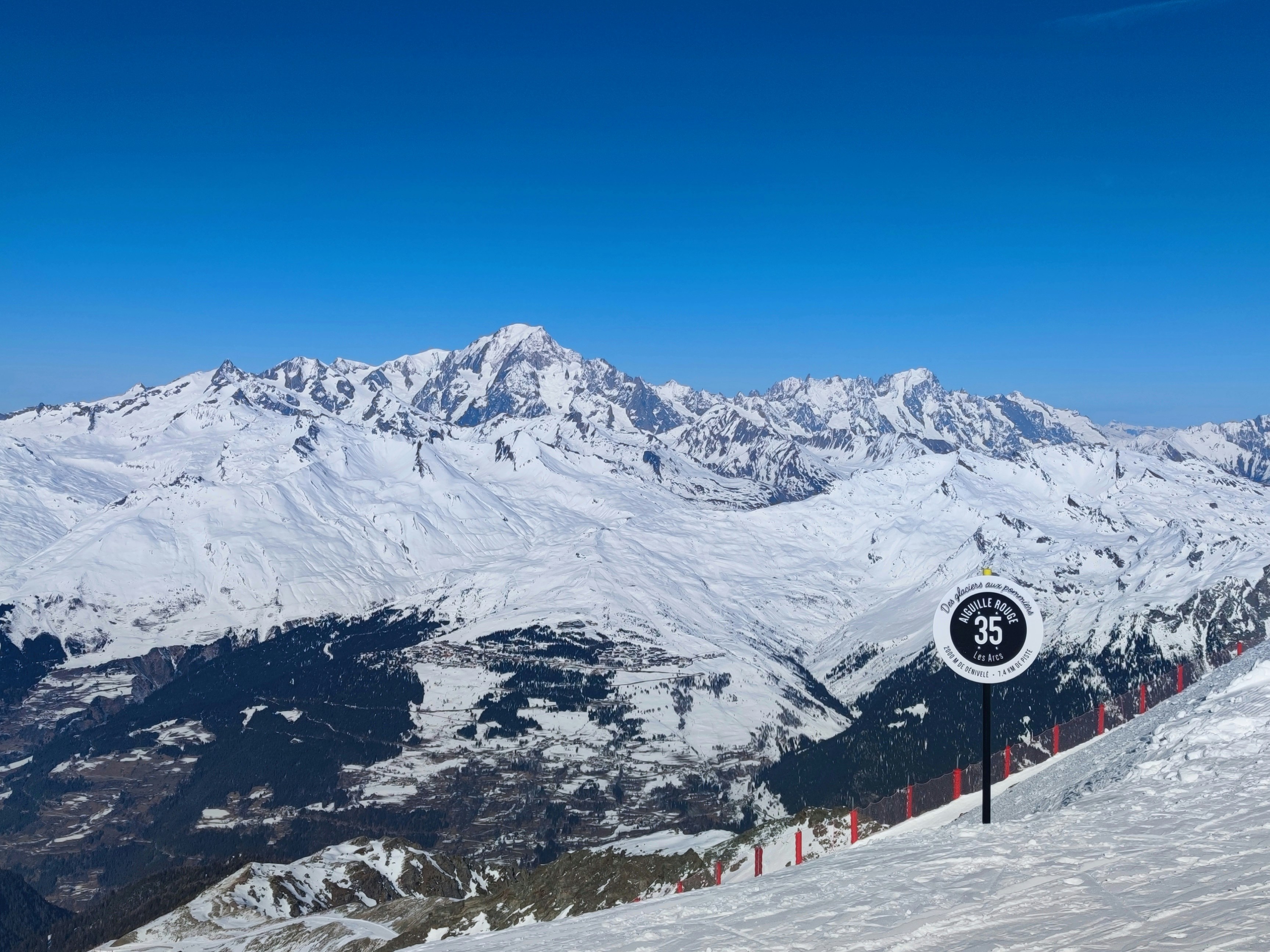
Photograph: Renzo Vanden Bussche (Unsplash)
The overall balance is one of Les Arcs’ strengths. Beginners have room to progress, intermediates have an unusually large amount to explore, and stronger skiers can find more demanding terrain without leaving the resort. For mixed-ability groups, that variety makes it easier for everyone to ski at their own level and still meet for lunch or return to the same village at the end of the day.
Things to Do in Les Arcs Beyond Skiing
Skiing may shape the rhythm of winter in Les Arcs, but there is enough happening away from the pistes to make the resort work for non-skiers, mixed-interest groups and anyone who simply wants a slower day in the mountains.
Snowshoeing and winter walking are among the easiest ways to experience the landscape at a gentler pace. Marked routes pass through quieter forested areas and lower slopes, while guided walks can take you further into the surrounding mountain scenery without requiring skiing experience.
For something more adventurous, paragliding offers a very different perspective over the Tarentaise Valley, while guided off-piste skiing, mountaineering and ice-climbing activities are available for visitors with more experience or those travelling with qualified mountain guides. Conditions in the Alps can change quickly, so these are activities to approach with proper instruction rather than as spontaneous add-ons.
A rest day can be just as worthwhile. Several accommodation complexes in Arc 1800 and Arc 1950 have pools, saunas and wellness facilities, while a slow lunch, a walk through the villages or an afternoon in Bourg-Saint-Maurice offers a useful break from consecutive days on the slopes.
Les Arcs in summer
Les Arcs changes character completely once the snow disappears. Hiking trails cross alpine meadows and larch forests, while lift-assisted mountain biking, trail running and paragliding bring a different kind of activity to the slopes during the warmer months.
Summer is quieter and less resort-driven than winter, with more emphasis on walking, landscape and time outdoors. For travellers who enjoy the mountains but have little interest in skiing, it reveals a very different side of Les Arcs.
What to Eat and Drink in Les Arcs
Food in Les Arcs is shaped by the mountains as much as the skiing. Savoyard cooking is generous, warming and built around ingredients that make sense after several hours outdoors: cheese, potatoes, cured meats and dishes designed for sharing around a table rather than eating in a hurry.
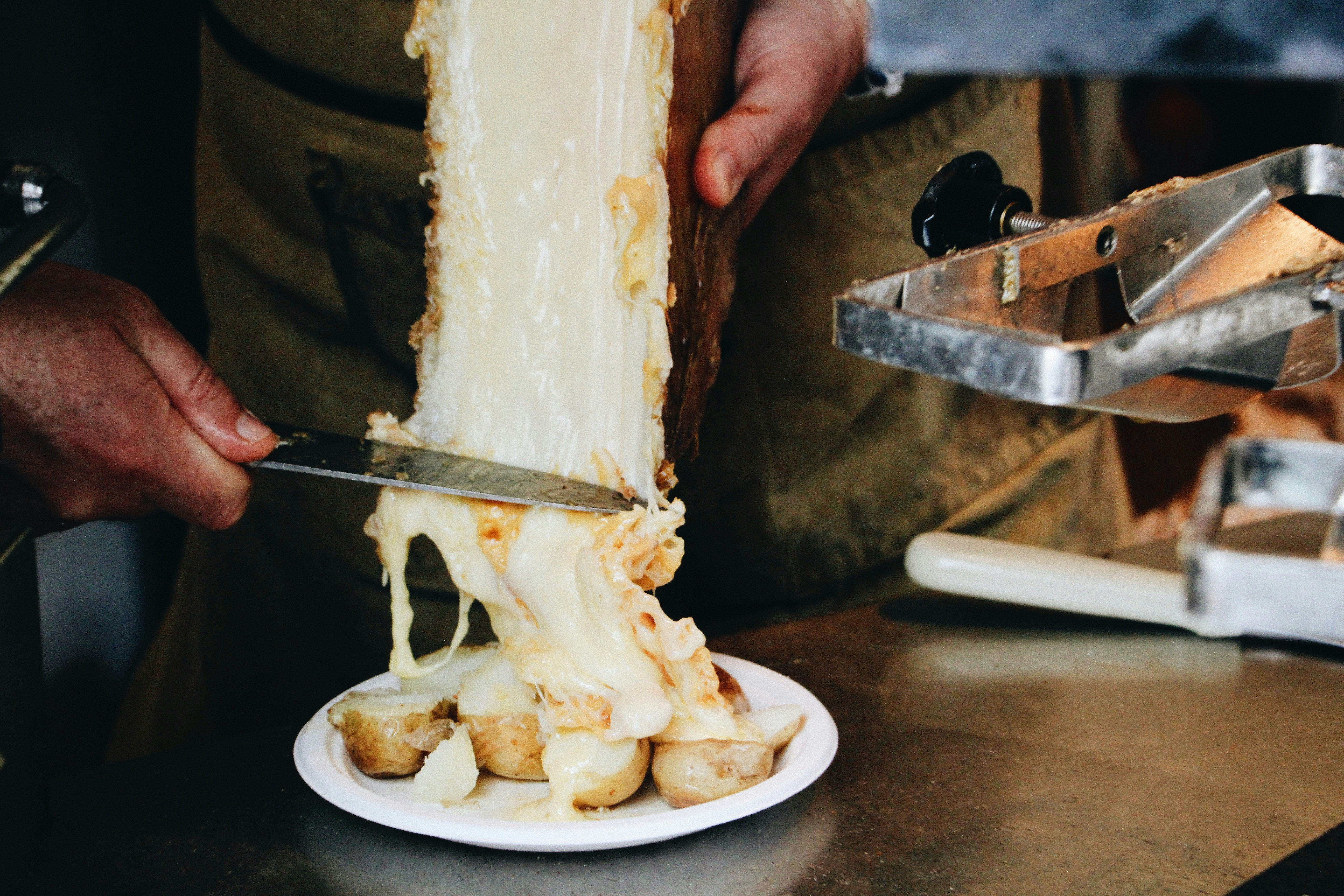
Raclette is one of the classics, with melted cheese served over potatoes alongside charcuterie and pickles, while fondue turns local cheese into the centrepiece of a communal meal. Tartiflette is richer still, combining potatoes, onions, bacon and Reblochon in the kind of dish that feels entirely appropriate after a cold day on the slopes.
Photograph: Ellena McGuinness (Unsplash)
Crozets are another Savoyard speciality worth looking for. These small square pasta pieces are traditionally associated with buckwheat, although durum-wheat versions are also common. They often appear in creamy gratins or alongside mountain cheeses. For something sweeter, tarte aux myrtilles, made with wild blueberries, is a familiar Alpine dessert, while bakeries are useful stops for pastries, bread and simple lunches between ski sessions.
Mountain lunches and après-ski food
Eating on a ski holiday follows its own rhythm. Lunch is often a proper pause in the middle of the day rather than something grabbed quickly between runs, with piste-side restaurants filling as skiers stop for hot dishes, coffee and time out of their boots.
On sunny days, terrace lunches can become as memorable as the skiing itself. In colder weather, the appeal is more elemental: somewhere warm, something substantial to eat and a hot drink before heading back onto the mountain.
Savoyard wines and winter drinks
The food of the French Alps is closely tied to the wines of Savoie. Fresh whites such as Apremont and Roussette de Savoie are natural partners for fondue and raclette, while Chignin-Bergeron offers a fuller style for richer dishes. Savoyard reds including Mondeuse and Gamay work particularly well with charcuterie and slow-cooked mountain food.
Vin chaud is a familiar sight at ski bars and winter terraces, while hot chocolate is almost part of the daily routine on colder afternoons. The pleasure is often less about elaborate drinking rituals and more about stopping long enough to warm up and watch the mountain settle into evening.
Where to eat in Les Arcs
Dining varies noticeably between the villages. Arc 1800 has the broadest choice and a livelier evening atmosphere, while Arc 1950 lends itself to slower dinners in a more compact, pedestrian setting. Higher up, Arc 2000 feels more ski-focused, with restaurants geared towards mountain lunches and relaxed evenings after the lifts close.
The current restaurant scene includes places such as La Fruitière in Arc 1800 and Le Savoy in Arc 2000 for traditional Alpine cooking, while Bourg-Saint-Maurice offers a more year-round local atmosphere away from the resort itself. Restaurant openings and ownership can change between seasons, so it is worth checking current details and booking ahead during busy winter weeks.
Rather than trying to work through a long list of restaurants, it is more useful to think about how you want to eat during your stay: substantial lunches on the mountain, Savoyard comfort food in the evenings, and a village base with the dining atmosphere that suits you.
Après-Ski and Evenings in Les Arcs
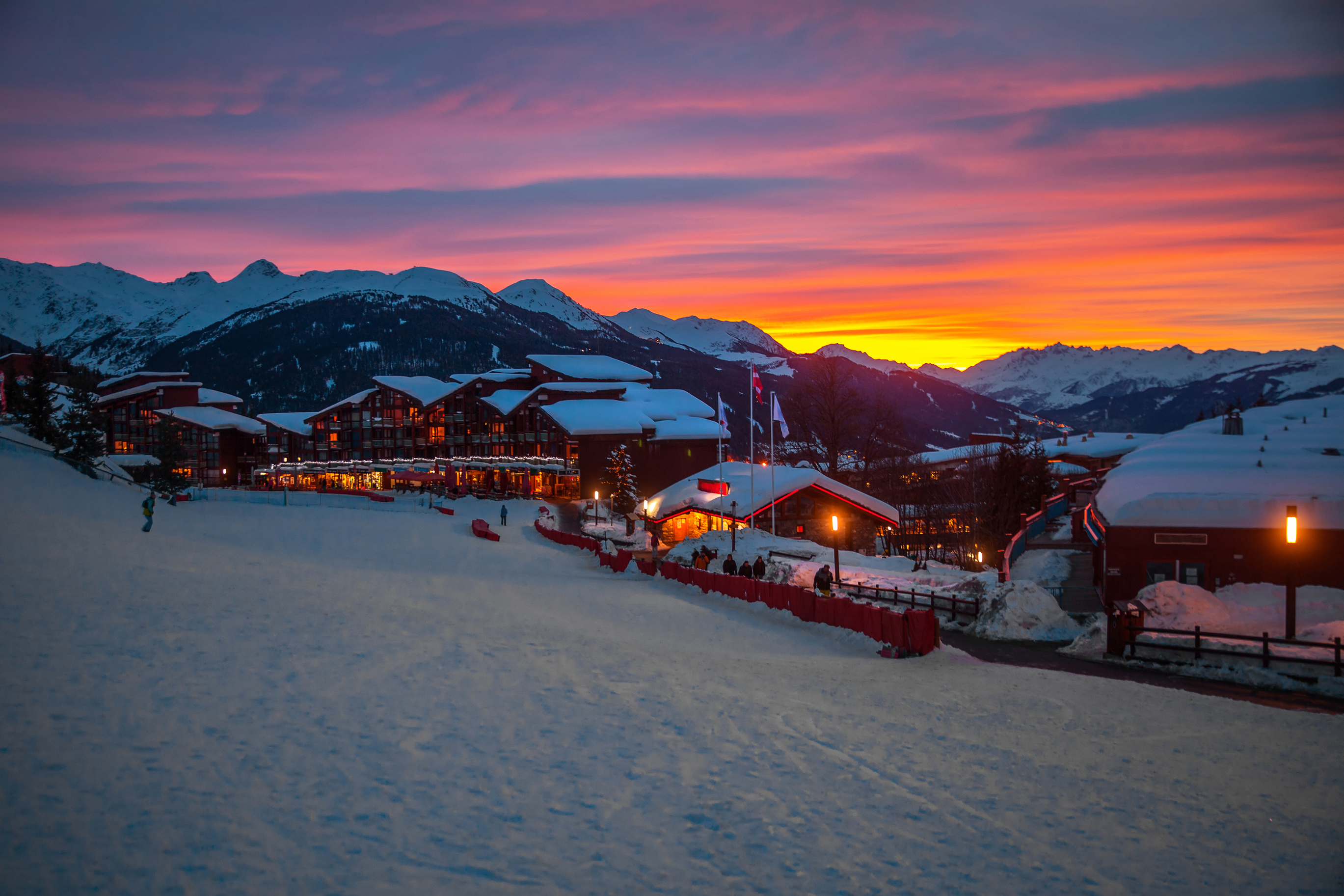
Après-ski in Les Arcs tends to be sociable rather than full-on. The pace begins to shift in the late afternoon as lifts close, with terrace drinks, music and informal bars providing somewhere to linger before dinner.
Arc 1800 has the liveliest evening atmosphere and the widest choice of places to stop after skiing, making it the natural base for visitors who want a little more activity once the pistes close. Arc 1950 is calmer and more polished, with evenings centred more around restaurants, wine bars and the pedestrian village centre.
Photograph: Julia Kuznetsova (Dreamstime)
Arc 1600 and Arc 2000 are generally quieter, particularly later in the evening, and suit travellers who are happier with dinner and an early night before the next day on the mountain. Les Arcs is not primarily a party resort; its appeal lies more in relaxed evenings that fit naturally around an active ski holiday.
For families and non-skiers, the villages remain pleasant places to spend the evening, with cafés, restaurants and pedestrian areas offering somewhere to slow down without needing to be part of the bar scene.
Best Time to Visit Les Arcs
The best time to visit Les Arcs depends on what you want from the mountain. Midwinter generally brings the most dependable ski conditions, while later in the season offers longer days, sunnier terraces and a softer pace. Outside winter, Les Arcs becomes a much quieter base for hiking and other mountain activities.
For winter 2026/27: the Les Arcs and Peisey-Vallandry ski area is scheduled to open from 12 December 2026 to 24 April 2027, with the Vanoise Express connection to La Plagne scheduled to operate until 17 April.
December: festive atmosphere and early-season skiing
December brings the first proper sense of winter to Les Arcs, with festive lights and the opening weeks of the ski season. It can be an atmospheric time to visit, particularly around Christmas, although snow coverage is naturally less predictable at the very start of the season than later in winter.
Higher-altitude terrain tends to be the stronger draw early in the season, while travellers visiting before Christmas may also find the resort quieter than during the main holiday weeks.
January: quieter slopes and reliable winter conditions
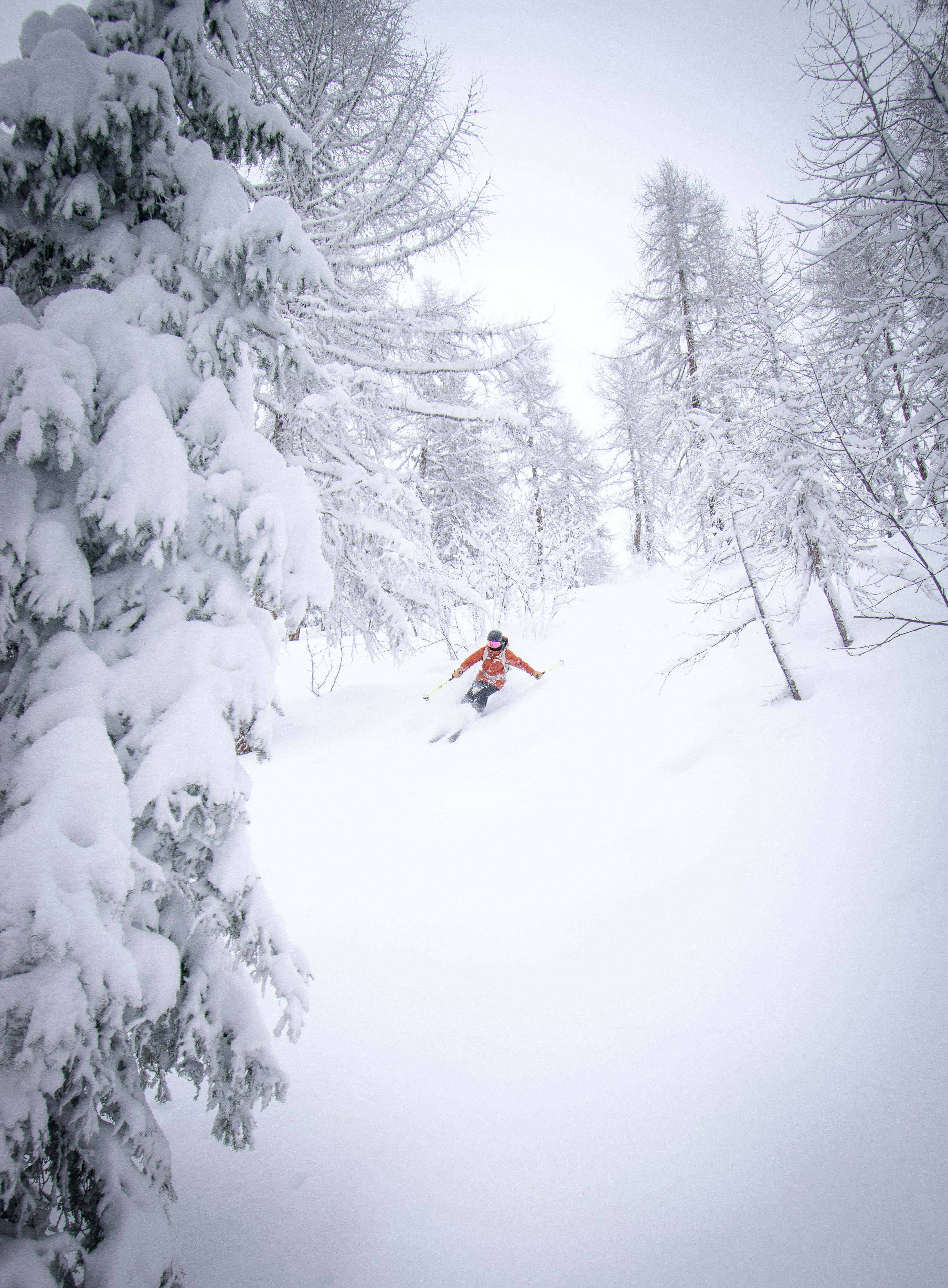
January is a particularly appealing time for skiers who are less concerned about long sunny afternoons and more interested in good winter conditions and relatively quiet pistes. The days are colder and shorter than later in the season, but the resort generally settles into a calmer rhythm once the Christmas and New Year holidays have passed.
Photograph: Alex Lange (Unsplash)
February: prime ski season, but busier
February sits firmly in the heart of the ski season, with the resort in full winter mode. It is also one of the busiest periods, particularly during European school holidays, so accommodation, restaurants and the slopes can feel noticeably livelier.
For families tied to school dates, that energy can be part of the appeal. Travellers with more flexibility may prefer January or March for a little more breathing room.
March: longer days and sunnier skiing
March changes the feel of a Les Arcs holiday. Daylight lasts longer, temperatures are generally more comfortable and sunny terrace lunches become a bigger part of the experience. Snow can soften during warmer afternoons, particularly lower down the mountain, but the resort’s higher-altitude terrain remains an important advantage later in the season.
For intermediate skiers especially, March can offer an appealing balance between winter conditions and the pleasure of spending more time outdoors without the deepest midwinter cold.
Visiting Les Arcs outside the ski season
Once winter ends, the resort becomes a very different mountain destination. Summer brings hiking, mountain biking, trail running and paragliding, with alpine meadows replacing the ski pistes and a much quieter atmosphere across the villages.
Spring and autumn are slower still. Lower walking routes reopen as snow retreats in spring, while autumn brings clear air and changing colour through the larch forests. Many seasonal businesses close between the main summer and winter periods, however, so these months suit travellers looking for landscape and quiet rather than a fully operating resort.
Getting to Les Arcs
Les Arcs may feel high in the French Alps, but it is relatively straightforward to reach. Bourg-Saint-Maurice sits at the base of the mountain and acts as the main transport gateway, with rail services, airport transfers and road connections arriving in the valley before travellers continue up to the resort.
Travelling to Les Arcs by train
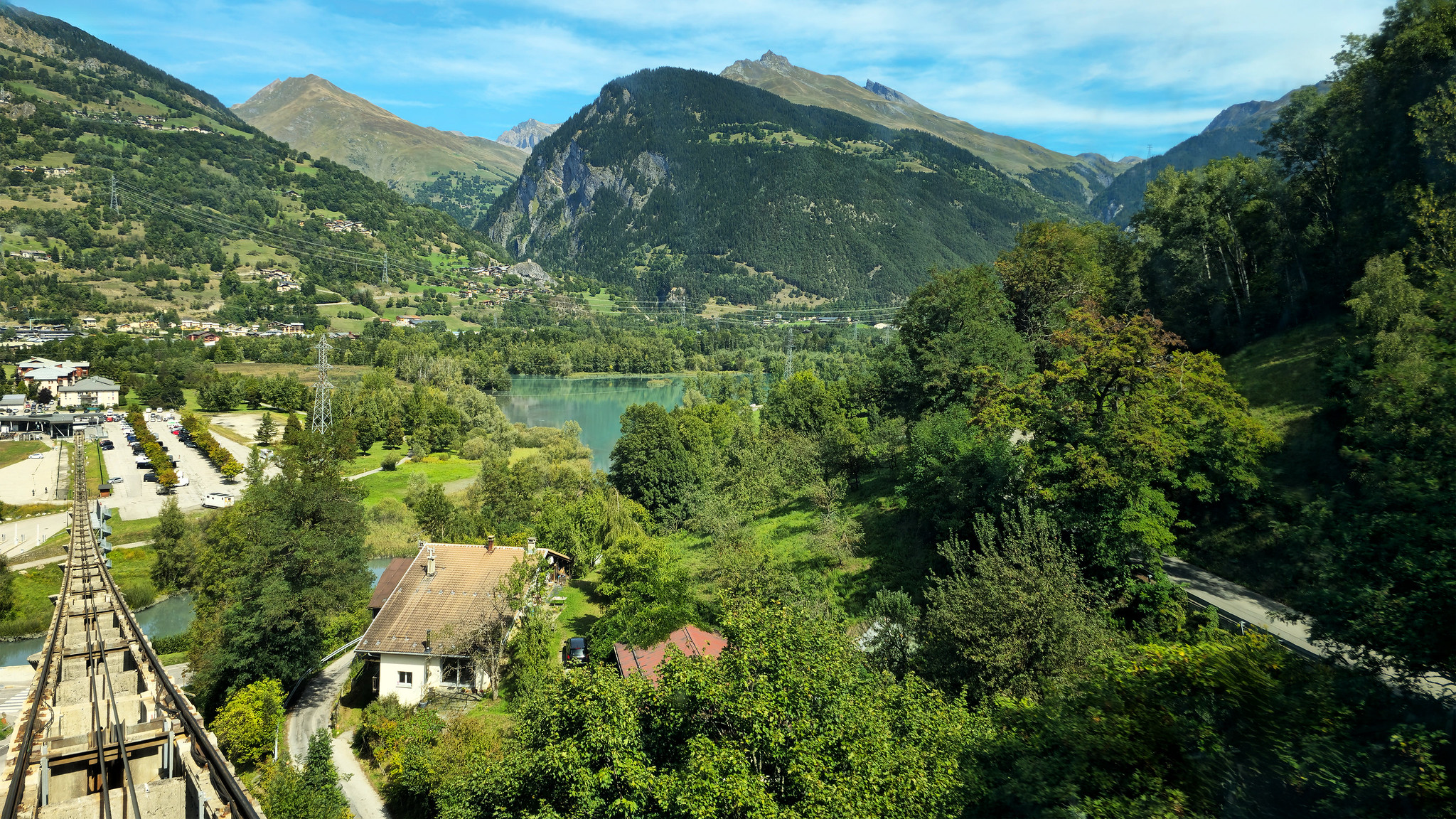
Rail is one of the easiest ways to reach Les Arcs without a car. Services from Paris connect with Bourg-Saint-Maurice year-round, with additional ski-season services during winter. From the station, the funicular climbs directly to Arc 1600 in around seven minutes, with free resort shuttles linking the other villages. Travellers arriving by train can currently claim one free return journey on the funicular by presenting their rail ticket.
For winter 2026/27, Eurostar Snow services are scheduled from London St Pancras to Bourg-Saint-Maurice on Saturdays between 19 December 2026 and 20 February 2027, with return services on Sundays and selected Saturdays. You can also compare rail routes to Bourg-Saint-Maurice before finalising your journey.
Photograph: Iryna Shpulak (Adobe Stock)
Getting to Les Arcs from Geneva Airport
Geneva Airport is one of the most commonly used gateways for Les Arcs. The onward journey into the Tarentaise Valley typically takes around two and a half to three hours by road, although winter traffic and weather can add considerably to journey times on busy changeover days.
Shared and private airport transfers run to the Les Arcs villages throughout the ski season and are often the simplest option for families, groups and anyone travelling with bulky ski equipment. Booking the transfer to the correct village is important, as Arc 1600, Arc 1800, Arc 1950 and Arc 2000 sit at different points on the mountain.
Driving to Les Arcs
Driving gives you more flexibility, particularly if Les Arcs is part of a longer French Alps trip or you plan to explore the wider region. The final approach follows mountain roads above Bourg-Saint-Maurice. Between 1 November and 31 March, winter-equipment rules apply throughout Savoie: cars must either be fitted with qualifying winter tyres or carry suitable snow chains or snow socks for the driven wheels.
If you are hiring a car, confirm before leaving the airport that the vehicle and supplied equipment meet the current requirements. You can compare car hire options at Geneva Airport, while my road trip essentials guide covers preparation for colder-weather journeys.
Getting around Les Arcs
Once you reach the resort, a car is rarely necessary. The mountain villages are connected by pistes, lifts and resort transport, while much of the accommodation is within easy reach of the slopes. Bourg-Saint-Maurice remains connected to Arc 1600 by funicular, making it possible to stay in the valley and travel up to the mountain each day.
On arrival, it is worth checking exactly where your accommodation sits in relation to the nearest lift or shuttle stop. A short distance on a map can feel considerably longer when you are carrying luggage or walking in ski boots.
Choosing Accommodation in Les Arcs
Once you have chosen the right village, the next decision is the type of stay that suits your trip. Ski-in, ski-out apartments and residences are common across Les Arcs and make mornings particularly easy, while hotels suit travellers who prefer more services on site. Self-catering apartments can work especially well for families, groups and longer stays.
Bourg-Saint-Maurice offers an alternative to staying on the mountain and can sometimes provide better value, although you trade the convenience of stepping directly onto the slopes for a daily journey on the funicular.
Whichever option you choose, check the exact location of the property rather than relying on the village name alone. Distance from the nearest lift, ski-school meeting point, supermarket or shuttle stop can make a noticeable difference once you are carrying equipment or travelling with children.
You can compare current accommodation in Les Arcs before deciding which option best suits your trip.
Planning Your First Trip to Les Arcs
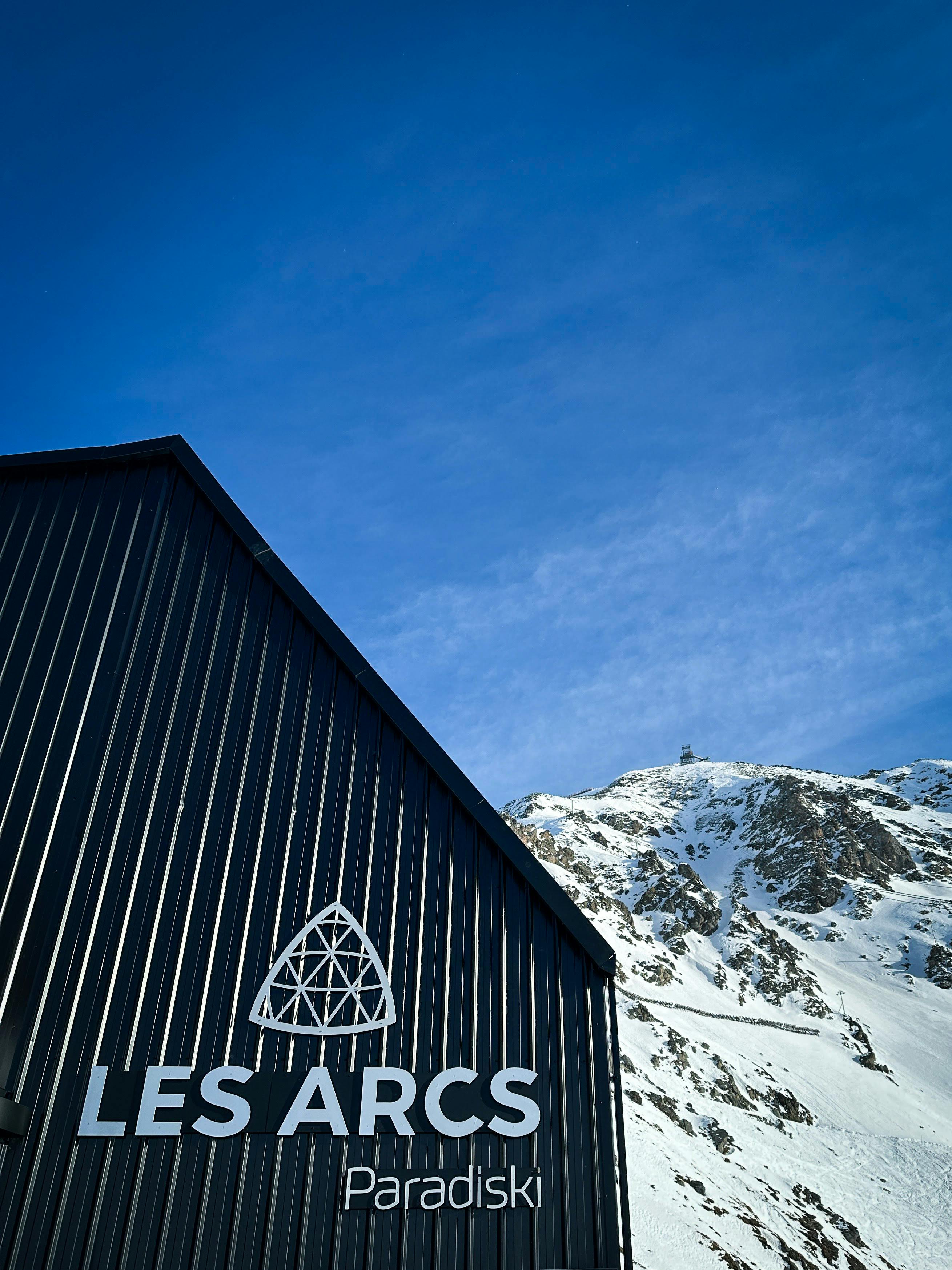
A first ski holiday involves more logistics than an ordinary city break, and sorting a few things before arrival makes the first day considerably easier. Lift passes, equipment hire, transfers and accommodation access are worth thinking through in advance, particularly during busy school-holiday weeks.
Arrange ski hire before you arrive
Pre-booking ski or snowboard equipment can save time once you reach the resort, and many hire shops allow you to provide sizing information before travelling. If possible, collect equipment on arrival afternoon rather than waiting until the first morning, when queues can eat into valuable slope time.
Keep the essentials in your hand luggage
Pack a few mountain basics where you can reach them easily: gloves, a base layer, sunglasses or goggles and any medication you need. If checked luggage is delayed, having the essentials with you means a missing suitcase does not automatically cost you the first day on the snow.
Give yourself time to adjust
Travel, cold air and altitude can make the first day more tiring than expected. Start gently, drink plenty of water and avoid trying to cover the whole mountain immediately. An easier first afternoon or shorter opening ski day usually leaves more energy for the rest of the trip.
Check conditions each morning
Mountain weather can change quickly, particularly higher up the resort. Check the daily forecast and lift status before setting out, carry an extra layer and be prepared to alter your route if visibility or conditions deteriorate. Skiers heading beyond marked pistes should only do so with appropriate experience or a qualified guide.
Make sure your travel insurance covers winter sports
Standard travel insurance does not always include skiing or other winter activities, so check the policy carefully before travelling. Cover for medical treatment, mountain rescue and the activities you plan to take part in is particularly important in an Alpine resort.
Finally, confirm where you need to be on your first morning. Ski-school meeting points, equipment shops and lift stations can sit at different levels within the same village, and knowing the route in advance makes the start of the trip feel considerably less frantic.
Photograph: Ben Prater (Pexels)
How to Visit Les Arcs on a Budget
Ski holidays are rarely inexpensive, but Les Arcs gives you a few practical ways to keep costs under control. Accommodation, lift passes and equipment hire are the biggest variables, so the most effective savings usually come from choosing the right base and travelling outside the busiest weeks.
Consider self-catering accommodation
Self-catered apartments can offer better value than hotels, particularly for families and groups sharing the cost. Having a kitchen also makes it easier to prepare breakfasts, simple dinners and packed snacks rather than eating out for every meal.
Look beyond the highest resort villages
Bourg-Saint-Maurice can be a useful option for travellers who are willing to trade ski-in, ski-out convenience for lower accommodation costs. The funicular links the town directly with Arc 1600, so staying in the valley does not mean giving up access to the mountain.
Travel outside peak holiday weeks
Accommodation prices and availability are usually most pressured around Christmas, New Year and European school holidays. If your dates are flexible, quieter periods in January or later in March can offer better value as well as a calmer experience on the slopes.
Choose the lift pass you actually need
Not every skier needs access to the full Paradiski area from the first day. Beginners and less experienced skiers may find a more limited pass sufficient while they build confidence, while stronger skiers can decide whether the wider area is worth the extra cost for their trip.
Book equipment in advance
Ski and snowboard hire is widely available across Les Arcs, and booking online before arrival can sometimes cost less than arranging equipment on the first morning. It also reduces the amount of time spent dealing with fittings once you reach the resort.
The best-value trip is not necessarily the cheapest one. Paying a little more for the right location, straightforward transfers or accommodation close to the slopes can save enough time and hassle to make a short ski break feel considerably better organised.
How Long Do You Need in Les Arcs?
A week is the classic length for a ski holiday in Les Arcs and gives you enough time to explore different parts of the mountain without feeling that every day has to be spent skiing from first lift to last. It also leaves room for a slower afternoon, a long mountain lunch or a rest day if tired legs start to catch up with you.
Four or five nights can still work well for a shorter ski break, particularly if you stay close to the slopes and arrange transfers, lift passes and equipment hire before you arrive. Keeping the first day relatively simple also helps: settle into your village, collect equipment and get your bearings rather than trying to cover too much immediately.
Experienced skiers staying for a full week will have more opportunity to explore the wider Paradiski area and cross into La Plagne, while first-time visitors may prefer to spend most of their time getting comfortable with Les Arcs itself.
If you are planning a longer stay, the extra time makes it easier to experience the resort beyond the pistes too, whether that means snowshoeing, a leisurely afternoon in Bourg-Saint-Maurice or simply allowing one day to unfold without a strict ski plan.
What to Pack for a Ski Trip to Les Arcs
Packing for Les Arcs is mostly about managing changing temperatures. A good layering system matters more than simply bringing the thickest clothes you own: start with a moisture-wicking base layer, add an insulating mid-layer, then finish with a waterproof outer layer that can cope with wind and snow.
Gloves, thermal socks and a warm hat make a noticeable difference, particularly on exposed chairlifts and higher slopes. Sunglasses or ski goggles are essential too, as reflected light from the snow can be surprisingly intense even on cold or overcast days. Sunscreen and lip balm are worth treating as everyday mountain essentials rather than optional extras.
Off the slopes, waterproof footwear with good grip is useful for icy village paths, while a small backpack makes it easier to carry water, an extra layer and a few snacks during longer ski days. If you are travelling with children, spare gloves are particularly useful; if you are arriving by train or transfer, packing light enough to manage your own luggage will make the journey through the resort much easier.
For more general trip preparation, see my eco-friendly travel packing guide.
Photograph: KStudio (Magnific)
Beyond Les Arcs: La Plagne and Bourg-Saint-Maurice
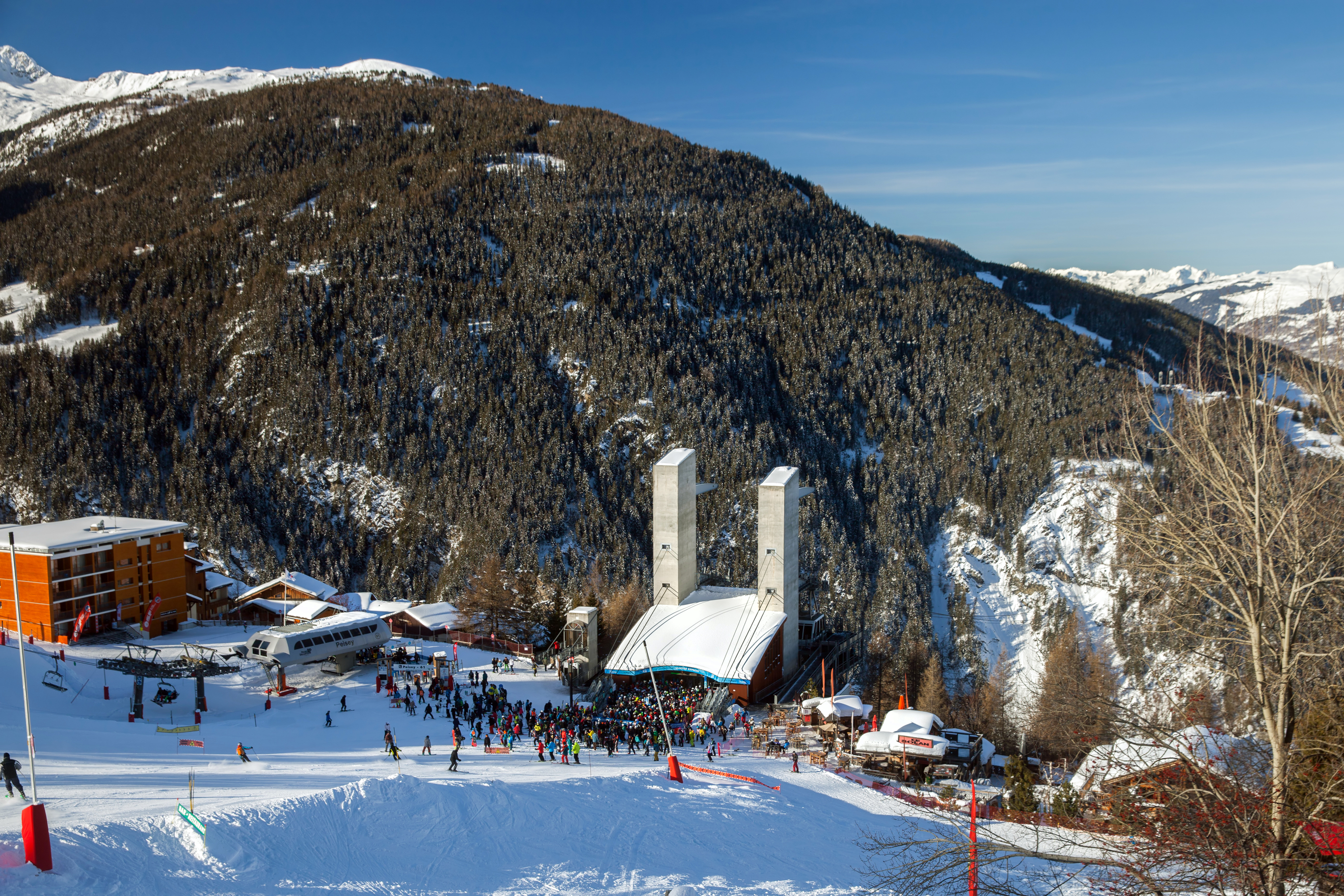
One of the advantages of staying in Les Arcs is that you are not confined to a single resort. La Plagne is linked to Les Arcs by the Vanoise Express cable car, making it possible to explore a different part of the Paradiski area without arranging a separate transfer or leaving the ski network.
Photograph: Julia Kuznetsova
Bourg-Saint-Maurice offers a different kind of change of scene. Sitting at the valley floor below the resort, it has a more year-round feel, with cafés, bakeries and local services that contrast with the purpose-built mountain villages above. The funicular makes it straightforward to head down for a few hours and return to Arc 1600 later in the day.
For most visitors, these are the most natural extensions to a Les Arcs stay: La Plagne for a broader ski day, and Bourg-Saint-Maurice for a slower glimpse of everyday life in the Tarentaise Valley.
Frequently Asked Questions About Les Arcs
Is Les Arcs good for beginners?
Yes. Les Arcs has dedicated beginner areas, green and blue pistes and ski schools across the resort, allowing first-time skiers to build confidence before exploring more of the Les Arcs and Peisey-Vallandry ski area.
Is Les Arcs snow-reliable?
Les Arcs benefits from extensive high-altitude terrain. The ski area reaches 3,226 metres and 70% of the Les Arcs and Peisey-Vallandry pistes sit above 2,000 metres. Conditions still vary from season to season, but that altitude makes Les Arcs a relatively snow-reliable choice within the French Alps.
How long is the transfer from Geneva Airport to Les Arcs?
The road journey from Geneva Airport usually takes around two and a half to three hours, depending on traffic, weather and your final village. Busy winter changeover days can take longer, so it is worth allowing extra time.
Can you ski from Les Arcs to La Plagne?
Yes. Les Arcs, Peisey-Vallandry and La Plagne form the Paradiski area and are connected by the Vanoise Express cable car. With a lift pass covering Paradiski, you can ski across into La Plagne and return within the same day while the Vanoise Express is operating.
Do you need a car in Les Arcs?
No. Most visitors can manage comfortably without one. The villages are connected by lifts and resort transport, while Bourg-Saint-Maurice is linked directly to Arc 1600 by funicular. A car is more useful if Les Arcs forms part of a wider French Alps road trip.
Do you need to book Les Arcs lift passes in advance?
Not necessarily. Standard lift passes can be bought online in advance or from resort sales points, while the 2026/27 Beginner Pass is currently sold on site only. Beginners should compare the available pass options rather than automatically buying access to the full Paradiski area.
Final Thoughts on Visiting Les Arcs
Les Arcs works so well because the practical side of a ski holiday rarely feels separate from the experience itself. The villages sit close to the slopes, the wider Paradiski area gives stronger skiers plenty of room to explore, and there is enough variety in accommodation, food and atmosphere to make the resort work for very different kinds of traveller.
It is not the place to choose if your idea of an Alpine holiday depends on staying in an old mountain village with centuries of history around every corner. Les Arcs is purpose-built, and that is part of its character. What it offers instead is easy access to high-altitude skiing, dramatic mountain scenery and the ability to shape the trip around the kind of pace you enjoy — whether that means skiing from first lift to last, lingering over a Savoyard lunch or taking a slower afternoon away from the pistes.
For first-time visitors, the most important decision is simply choosing the right village. Get that right, and much of the rest of a Les Arcs holiday becomes remarkably straightforward.
Plan the rest of your Les Arcs trip
This guide is the starting point for planning a Les Arcs ski holiday, bringing together the villages, skiing, food, accommodation and practical travel logistics in one place.
Future Les Arcs guides will go deeper into where to stay in Les Arcs, skiing in Les Arcs, where to eat in Les Arcs and things to do beyond skiing, alongside practical guides to what to pack for a ski trip and how to get to Les Arcs.
The wider French Alps collection will also grow to include more food-led mountain travel and practical winter planning. For a first trip, though, start with the village that best suits your pace, leave room for a long mountain lunch, and give yourself enough time to explore rather than trying to ski every corner of Paradiski at once.
Stay in Touch
Culinary Travels publishes destination guides, seasonal recipes, and food-led travel features from the UK and beyond.
Follow for new articles and updated travel resources:
Instagram | X | Facebook | Pinterest
Newsletter
Receive new guides, recipes, and occasional travel planning notes by email: Subscribe here
Reader feedback and local recommendations are always welcome via the contact page.


©2026 Culinary Travels. Culinary Travels is written and edited by Georgina Ingham | Website designed by The Smarter Web Company
What Our Followers Say
"A highly complimentary article ... showcasing why the English Market remains one of Ireland's premier food destinations"
Cork City Council via Facebook
"Our list of things to do in Cork has just expanded hugely thanks to Culinary Travels."
Triskel Art Centre Cork, via Twitter
“Tried this last night and it was delicious!”
Reader feedback via Pinterest, Yangzhou Fried Rice Recipe
"Oh yum!!! I could eat one or two right now!"
Sami Tamimi, via Instagram, on Ma’amoul Cookies
"Georgina was great to work with, quick to respond, and is a excellent content writer - would highly recommend"
Nick S - Get Blogged
“A simple no-knead dough transformed into beautiful, rustic rolls.”
Reader feedback via Pinterest, No-Knead Ciabatta Rolls Recipe