
Blog


Les Arcs Ski Resort Guide: Where to Stay, Ski & Eat in the French Alps
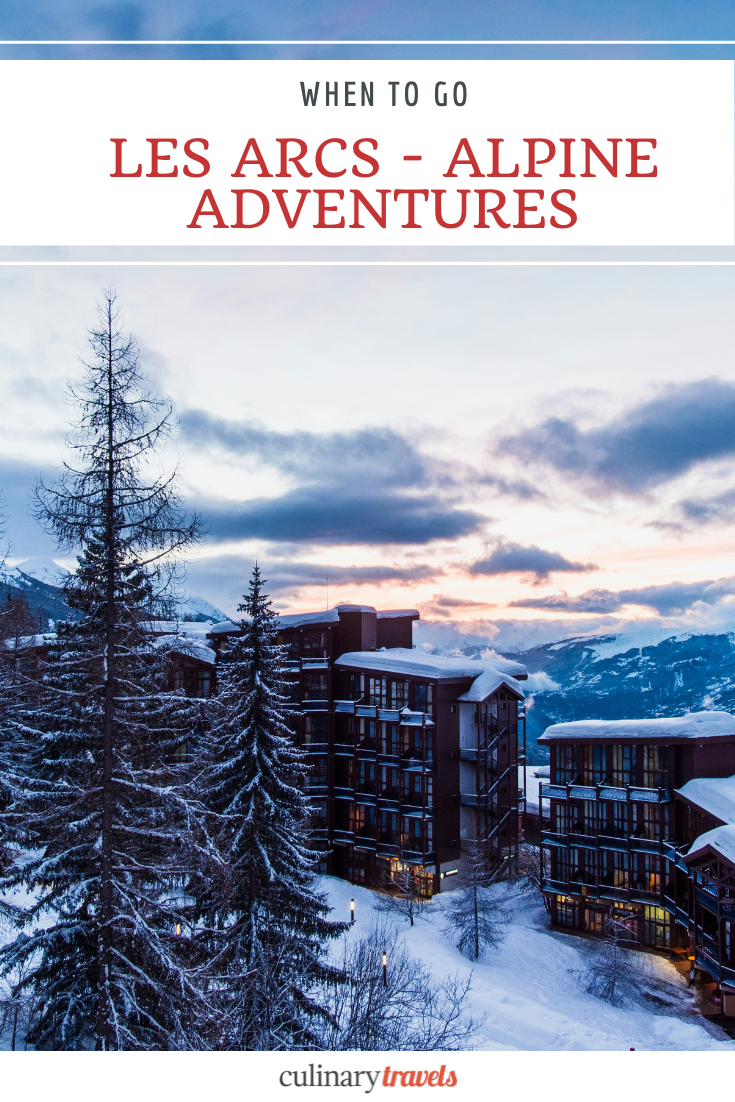
This feature was produced with the support of a commercial partner. Editorial control remains with the author. Some links on Culinary Travels are affiliate links. This means I may earn a small commission at no extra cost to you if you choose to book through them. I only recommend places and experiences that genuinely fit the style and content of the site.
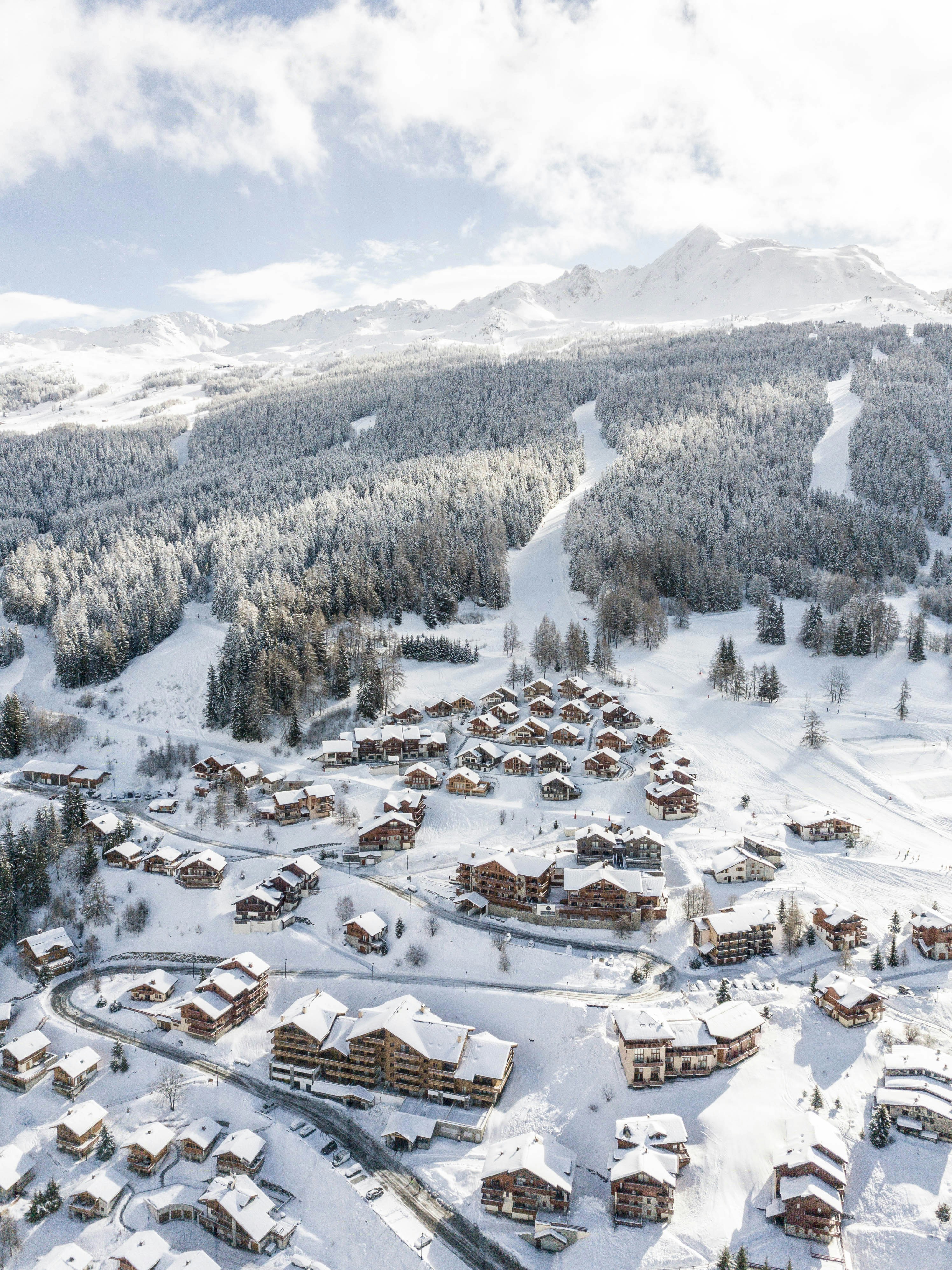
Winter in the Alps has a way of sharpening the senses. Light reflects off fresh snow, the air feels impossibly clear, and the scale of the mountains quickly resets your sense of distance. In the Tarentaise Valley of the French Alps, Les Arcs forms one half of the vast Paradiski ski area, linked by cable car to neighbouring La Plagne. Rather than a single village, it is a collection of purpose-built mountain stations set at different altitudes, designed so that much of the accommodation sits directly on the slopes. For skiers and non-skiers alike, it offers that rare combination: dramatic high-alpine scenery with genuinely practical access to it.
Les Arcs is a purpose-built ski resort in the Tarentaise Valley of the French Alps, part of the Paradiski ski area which links Les Arcs with La Plagne via the Vanoise Express cable car. The resort is divided into four main villages: Arc 1600, Arc 1800, Arc 1950 and Arc 2000, each offering different accommodation styles and access to the slopes.
If you’re comparing French Alps ski resorts, Les Arcs sits in the Tarentaise Valley and offers a different atmosphere from some of the more traditional Alpine destinations — I share a broader overview in my guide to ski trips in the French Alps.
Discovering the Villages of Les Arcs
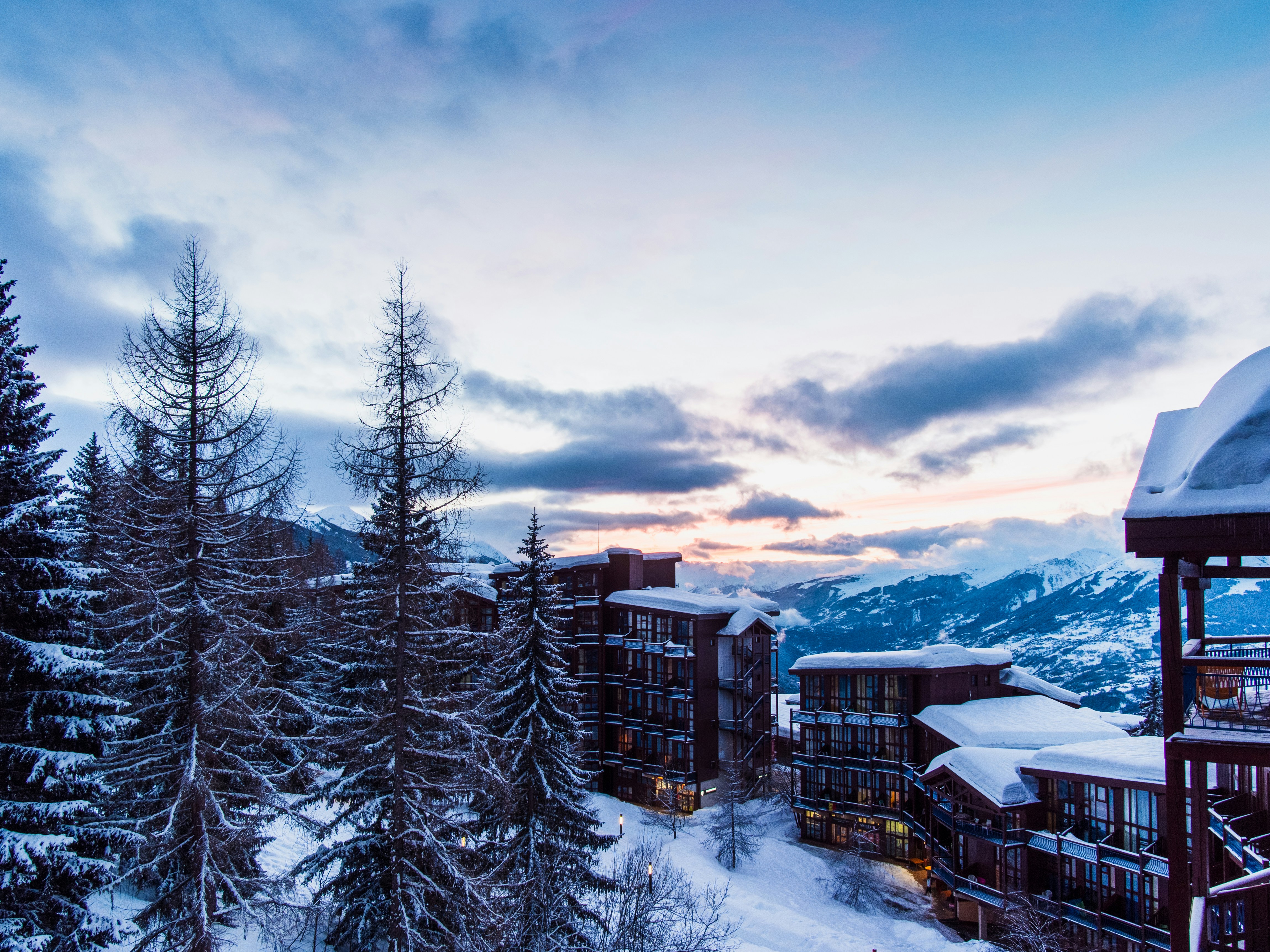
Les Arcs is not a single resort but a chain of purpose-built mountain stations rising above the valley town of Bourg-Saint-Maurice. This layout is important when planning a trip, as each altitude offers a different style of holiday. Bourg-Saint-Maurice sits at the valley floor and acts as the main transport hub, where international trains and airport transfers arrive before skiers ascend the mountain via the funicular.
Which Les Arcs village is best to stay in?
Choosing the right base in Les Arcs makes a big difference to the feel of your holiday. The resort is split into four main villages — Arc 1600, Arc 1800, Arc 1950 and Arc 2000 — all linked by lifts, pistes and free shuttle buses, but each with its own atmosphere.
Arc 1600 is the original village and one of the easiest to reach, sitting directly above Bourg-Saint-Maurice via the funicular railway. It has a relaxed, practical feel and quick slope access, making it a good choice for shorter stays, rail travellers, and skiers who prioritise convenience over nightlife.
Arc 1800 is the largest and liveliest area, with the widest range of accommodation, restaurants and après-ski bars. It suits first-time visitors, mixed-ability groups and anyone wanting ski-in ski-out convenience combined with shops and evening activity. For many visitors, this is the most balanced and easiest base.
Arc 1950 is the most picturesque part of the resort, designed as a pedestrian-friendly alpine village with chalet-style buildings, spa hotels and restaurants centred around a small square. It’s quieter and more self-contained, ideal for families or couples wanting atmosphere and comfort rather than nightlife.
Arc 2000 sits highest on the mountain and offers the quickest access to high-altitude skiing. It feels calmer and more ski-focused, appealing to experienced skiers and those visiting early or late in the season for the best snow conditions.
In practice, all four villages connect easily on skis, so you won’t miss out on the Paradiski area wherever you stay — the decision is less about access to slopes and more about the style of holiday you want.
Skiing in Les Arcs: Terrain and Ability Levels
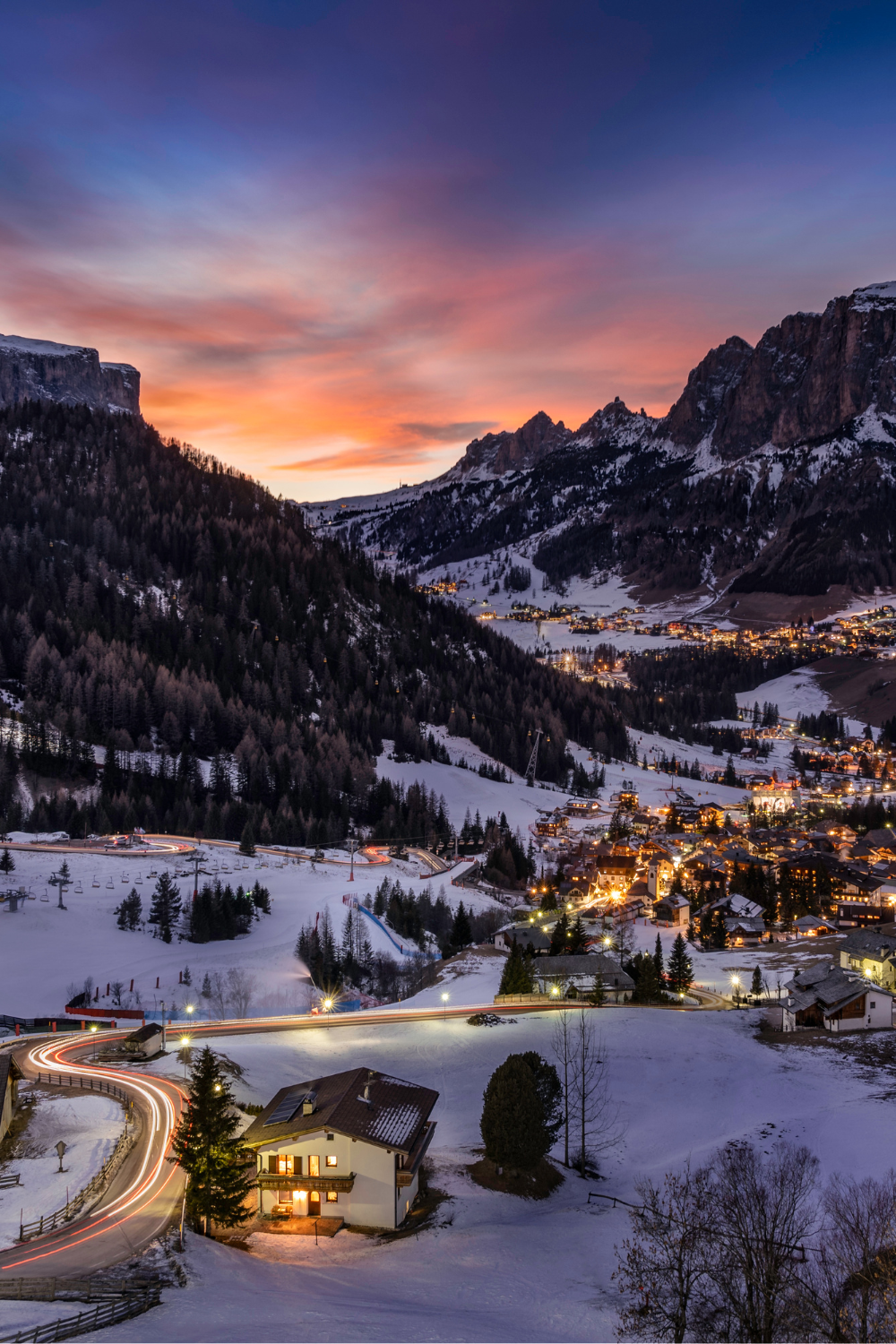
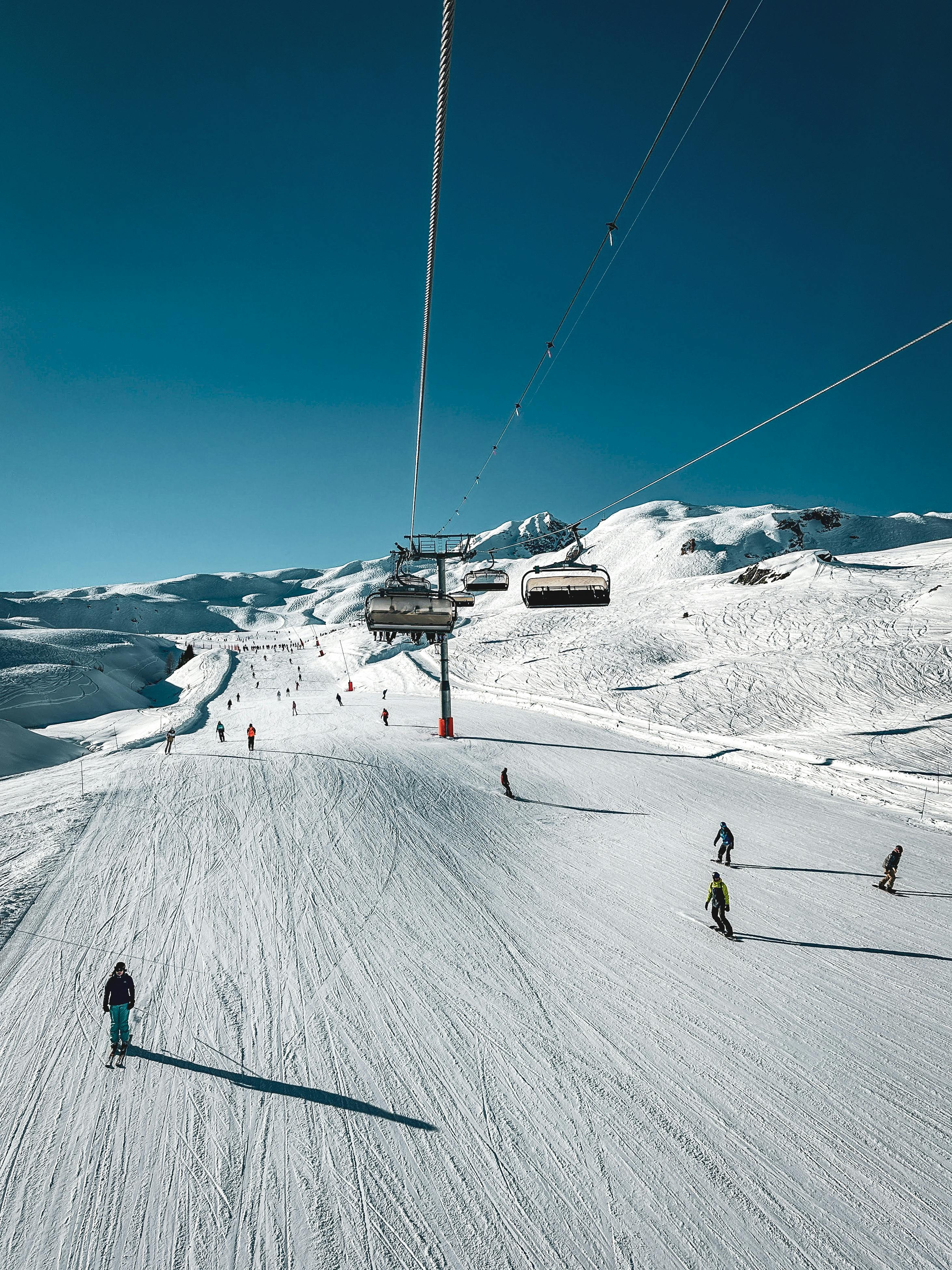
Part of the vast Paradiski area, Les Arcs offers over 400km of pistes when linked with neighbouring La Plagne, but what makes it especially appealing is how clearly the terrain is organised by ability. The resort ranges from around 1,200m to 3,226m in altitude, with extensive skiing above 2,000m for much of the season, which helps maintain reliable snow conditions throughout winter. Around Arc 1800 and Arc 1600 the slopes are wide and forgiving, giving beginners space to practise turns without the pressure of fast through-traffic. The tree-lined runs here are also invaluable during poor visibility, when higher exposed slopes can become disorientating in flat light.
Intermediate skiers are particularly well served. Long blue and red runs connect villages across the mountain, allowing you to travel on skis rather than lifts, and it is entirely possible to spend a full day exploring without repeating the same descent. More confident skiers can head higher toward the Aiguille Rouge sector, where steeper blacks and freeride terrain provide a noticeable step up in challenge, along with sweeping views across the Vanoise National Park.
For many visitors this balance is the real strength of Les Arcs: beginners progress quickly, intermediates never feel limited, and stronger skiers still have meaningful terrain to explore, all within a single, connected ski area.
Adventure Sports in Les Arcs
While skiing is the main draw, Les Arcs offers plenty to do off the pistes, particularly for visitors taking rest days or travelling with mixed-ability groups. Marked snowshoe trails lead through forested sections of the mountain, providing a quieter way to experience the landscape, and local guides run winter walking excursions that require no previous alpine experience.
For something more dramatic, ice climbing and winter mountaineering courses are available in the surrounding Tarentaise Valley, typically led by qualified mountain guides. Paragliding flights operate from higher stations in good weather, giving a surprisingly peaceful aerial view of the valley below. Stronger skiers can also book guided off-piste days, which are strongly recommended for safety as conditions change quickly in high alpine terrain.
You may also see heli-skiing advertised locally, though in France helicopters cannot drop skiers within French territory. Instead, excursions usually cross the border into Switzerland or Italy, turning the day into a longer alpine adventure rather than a simple resort activity.
Les Arcs is not solely a winter destination. Once the snow recedes, the mountain becomes an outdoor base for summer travel in the French Alps. Lift-assisted mountain biking routes descend between Arc 2000, 1800, and 1600, ranging from gentle flow trails to technical downhill tracks, and the network attracts riders from across Europe during the warmer months.
Marked hiking paths pass through alpine meadows and larch forests, particularly beautiful in late June and early July when wildflowers are in bloom. Via ferrata routes provide a guided introduction to climbing using fixed cables and ladders, while trail running events and paragliding flights operate throughout the season. The change in atmosphere is striking: where winter is energetic and social, summer in Les Arcs feels spacious and restorative, appealing even to travellers with no interest in skiing.
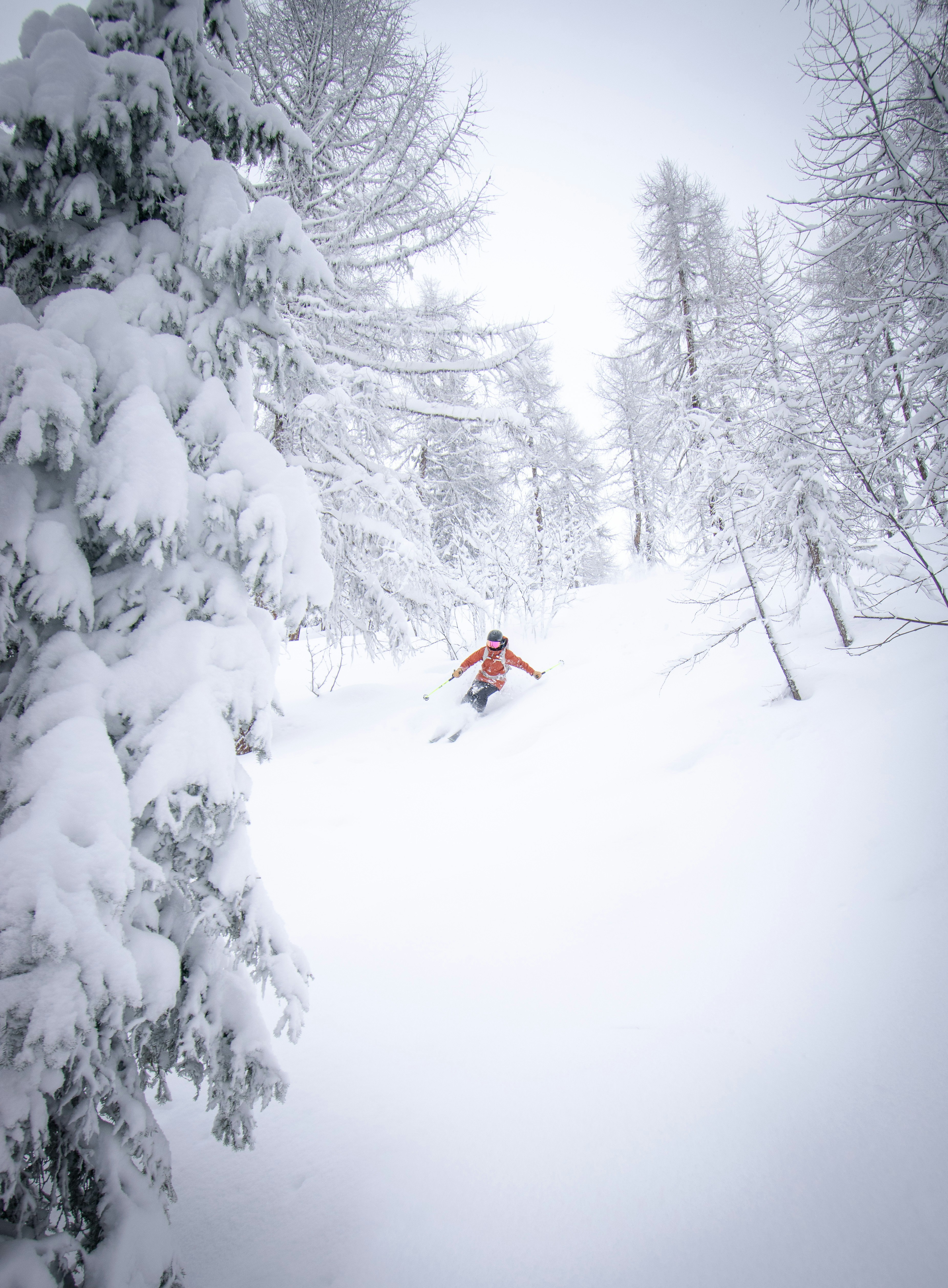
How to get to Les Arcs from Geneva Airport
Most visitors reach Les Arcs via Geneva Airport in Switzerland, the closest major international airport to the resort. The journey from Geneva to Les Arcs usually takes around 2½ to 3 hours depending on traffic and weather.
There are three main ways to reach the resort:
Train: Take a train from Geneva Airport to Bourg-Saint-Maurice station (typically 3–4 hours with one change). From the station, the mountain funicular lifts passengers directly to Arc 1600 in around 7 minutes, with free shuttle buses connecting the other villages.
Airport transfer: Shared or private transfers run directly from Geneva Airport to all Les Arcs villages and are often the simplest option for families, groups or travellers with ski equipment.
Car hire: Driving takes approximately 2½–3 hours via the A41 and N90 roads. In winter, snow chains or winter tyres may be required on the final mountain ascent. If you're considering driving, you can compare winter-equipped car hire at Geneva Airport before travelling, especially if your accommodation is outside the main villages or you plan to explore nearby resorts.
Getting to Les Arcs: transport options and travel tips
Despite its high-alpine setting, Les Arcs is one of the easiest major French Alps ski resorts to reach from the UK. Most international visitors arrive via Geneva Airport — you can check current flights to Geneva before arranging onward travel into the Tarentaise Valley. The nearest rail station is Bourg-Saint-Maurice, which sits at the base of the mountain and connects directly to the resort via a mountain funicular.
Travelling by train is often the simplest option. High-speed services from Paris connect with regional trains to Bourg-Saint-Maurice, and during the winter season direct ski trains operate from London St Pancras on selected dates. You can check rail routes and winter ski train availability before finalising travel plans. From the station, the funicular lifts passengers to Arc 1600 in around seven minutes, with free shuttle buses linking the higher villages.
Driving offers flexibility, particularly for longer stays or travellers planning to explore neighbouring resorts in the Paradiski area. However, mountain roads can be challenging in winter conditions and snow chains are often required during heavy snowfall. If you plan to travel by car, my winter road trip essentials guide covers preparation for cold-weather driving and longer journeys.
Alternatively, many visitors pre-book a door-to-door transfer from Geneva Airport to their accommodation. Companies such as Les Arcs Transfers operate shared and private vehicles equipped for ski equipment, which can be especially helpful for late arrivals or families travelling with luggage.
Tip: Wherever possible, arrange a drop-off point close to your accommodation or lift access. Many properties in Les Arcs are ski-in, ski-out, and reducing the distance you need to walk in ski boots on arrival makes the first day far more enjoyable.
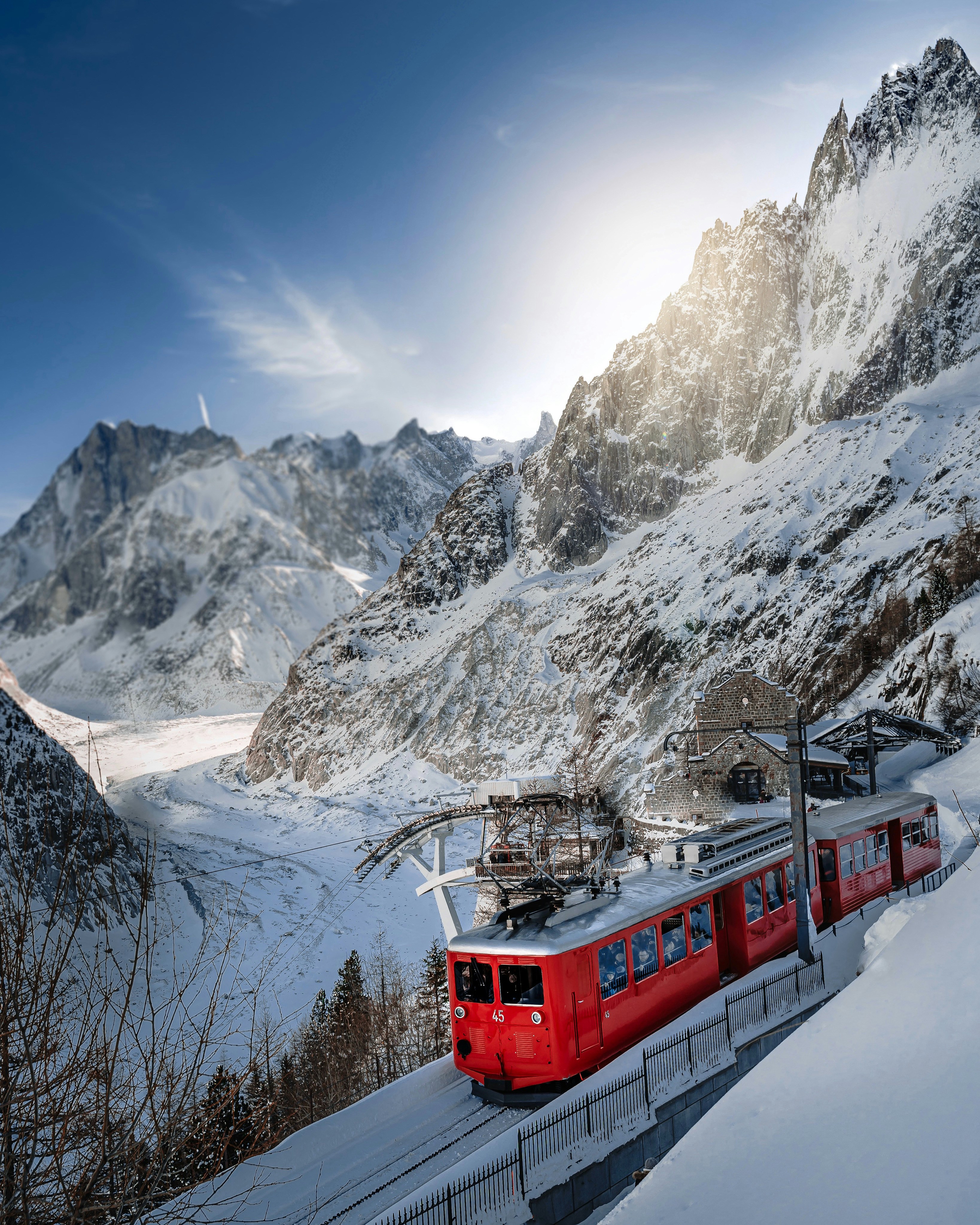
Arrival Tips for Your First Day
Arrival day in a ski resort can feel surprisingly tiring, particularly after an early flight and a mountain journey. A little preparation makes a noticeable difference. If possible, schedule your arrival close to accommodation check-in times and pre-book ski hire so equipment fitting doesn’t consume the first afternoon. Many rental shops allow advance sizing online, which significantly shortens queues on peak weekends.
It is also worth packing essentials such as gloves, a base layer, and sunglasses in hand luggage. Delayed suitcases are uncommon but not unheard of on winter routes, and having the basics with you means you can still get onto the snow the following morning. Families and groups benefit from confirming meeting points in advance, as the different village levels can be confusing on first arrival.
Mobile reception in mountain resorts can be inconsistent, and lift maps, weather apps, and restaurant bookings are much easier with reliable data. Many travellers arrange a France or Europe travel eSIM before departure to avoid roaming charges and keep navigation working throughout the resort.
Finally, remember that most accommodation in Les Arcs is ski-in, ski-out. Being dropped as close as possible to your building entrance or lift access saves a surprising amount of effort when navigating icy paths in ski boots and carrying luggage.
Best Time to Visit Les Arcs
Winter (December to March) is the main ski season. Early December is quieter and atmospheric, with festive decorations and fresh snow, though coverage can be variable before the Christmas period. January and February offer the most reliable conditions, particularly at higher altitude around Arc 2000 and the Aiguille Rouge sector. Late March brings longer daylight hours, softer snow in the afternoons, and sunnier terrace lunches, making it especially enjoyable for intermediate skiers.
Spring (April to June) marks the end of lift operations but the beginning of hiking season in the valley. Lower trails reopen as snow melts, waterfalls are at their strongest, and the mountains feel uncrowded. It is a peaceful time for photography and walking rather than skiing.
Summer (July to August) transforms Les Arcs into an alpine activity base. Hiking routes cross flower-filled meadows, lift-assisted mountain biking connects the villages, and paragliding flights take advantage of stable morning conditions. Warm days and cool evenings make it ideal for travellers who want mountain scenery without winter sports.
Autumn (September to November) is the quietest season. Golden larch forests colour the slopes and clear air provides exceptional visibility for photographers and hikers. Many resort businesses close between seasons, but Bourg-Saint-Maurice remains active year-round.
Each season offers a different experience: winter for skiing, summer for outdoor activities, and the shoulder seasons for quieter, slower travel in the mountains.
If this is your first cold-weather holiday, mountain trips differ significantly from winter city breaks — my winter travel guide to Europe explains what to expect and how to prepare.
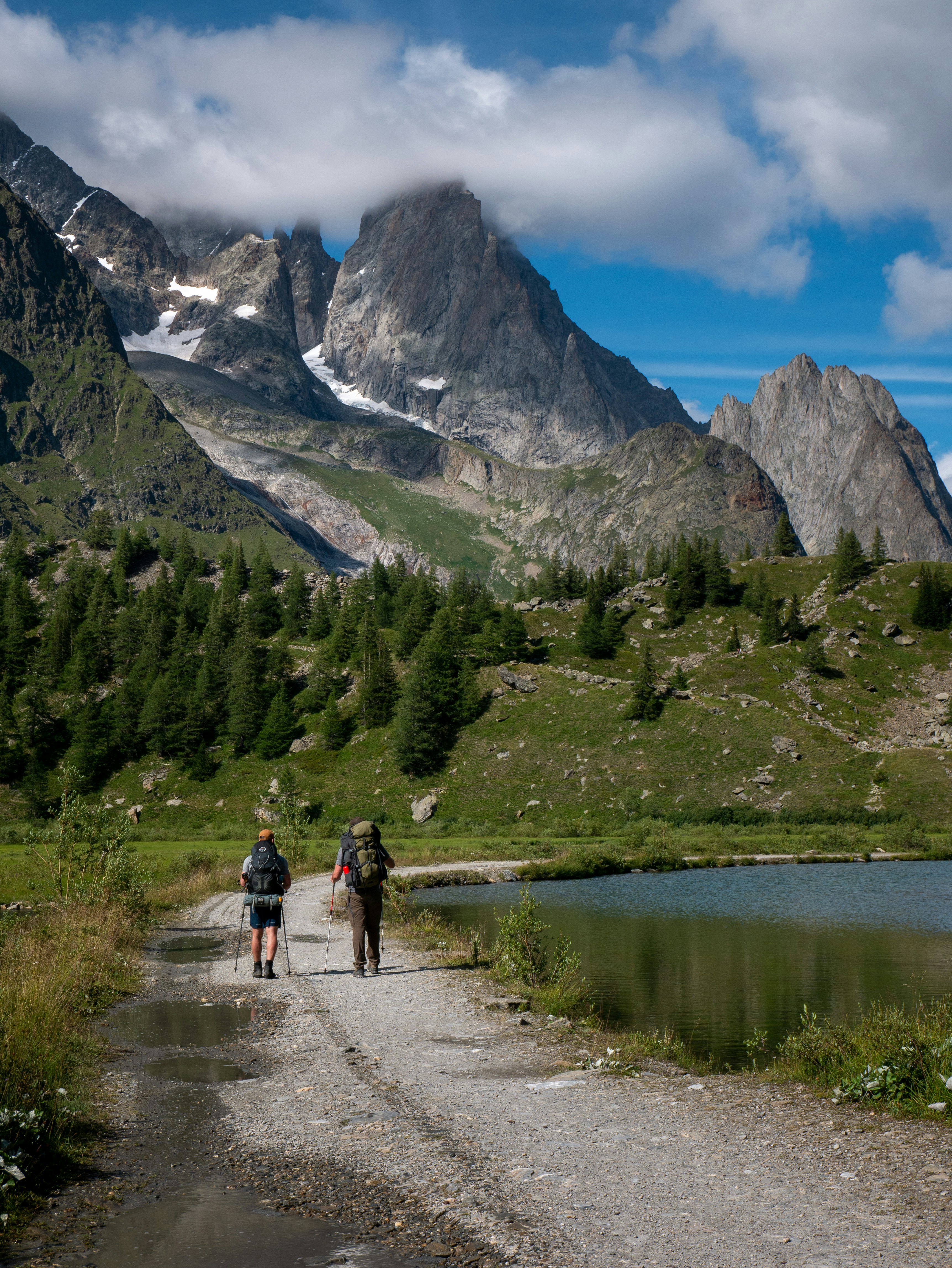
How to Visit Les Arcs on a Budget
Ski holidays have a reputation for being expensive, but Les Arcs can be more affordable than expected with a little planning. Accommodation is usually the biggest variable: self-catered apartments are far cheaper than hotels, particularly when shared between several people. Many properties include kitchens, and nearby supermarkets in Arc 1800 and Bourg-Saint-Maurice make it easy to prepare breakfasts and simple evening meals rather than dining out every night. You can browse apartments and self-catered accommodation in Les Arcs to compare options across the different villages.
Lift passes are the second major expense. Booking in advance often reduces the price, and beginners can choose local area passes instead of the full Paradiski ticket while learning. Travelling outside peak school holiday periods, especially early January or late March, significantly lowers both accommodation and pass costs.
Equipment hire is also widely available across the villages, and reserving skis online before arrival typically costs less than walking into a shop on the first morning. Free shuttle buses connect the different stations, meaning you rarely need taxis within the resort.
Finally, consider staying in Bourg-Saint-Maurice at the valley floor. Accommodation there is often cheaper, and the mountain funicular provides fast daily access to the slopes, making it a practical base for travellers prioritising value over ski-in, ski-out convenience.
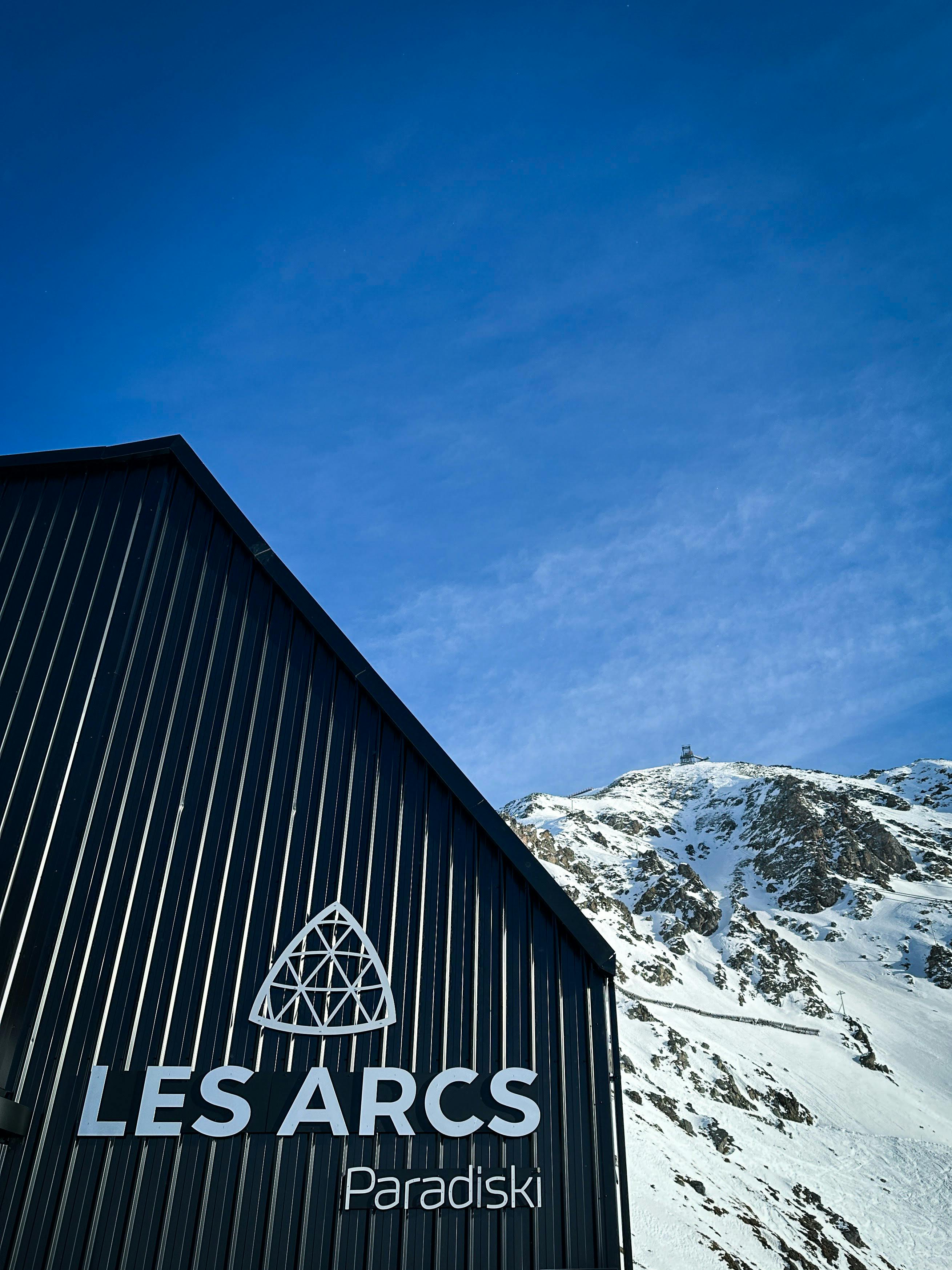
Luxury Ski Experiences in Les Arcs
While Les Arcs is generally more relaxed than neighbouring Courchevel, it still offers plenty of ways to elevate a trip beyond a standard ski holiday. Arc 1950 is the most resort-like of the villages, designed in a chalet style with pedestrian streets, spa facilities, and ski-in, ski-out accommodation centred around a compact square. It appeals to travellers who want convenience and atmosphere without the formality of larger luxury resorts.
Higher-end stays often include apartment-style residences with access to wellness areas, heated pools, and on-site restaurants. Private ski instructors and mountain guides can be booked for tailored days on the slopes, which is particularly valuable for mixed-ability groups or skiers wanting to explore off-piste terrain safely.
Many visitors also upgrade the experience through smaller details rather than grand gestures: pre-booked equipment fitting, restaurant reservations, and grocery deliveries waiting on arrival all reduce first-day logistics and maximise time on the mountain. Les Arcs’ strength is comfortable, practical luxury — less about being seen, and more about making skiing easy.
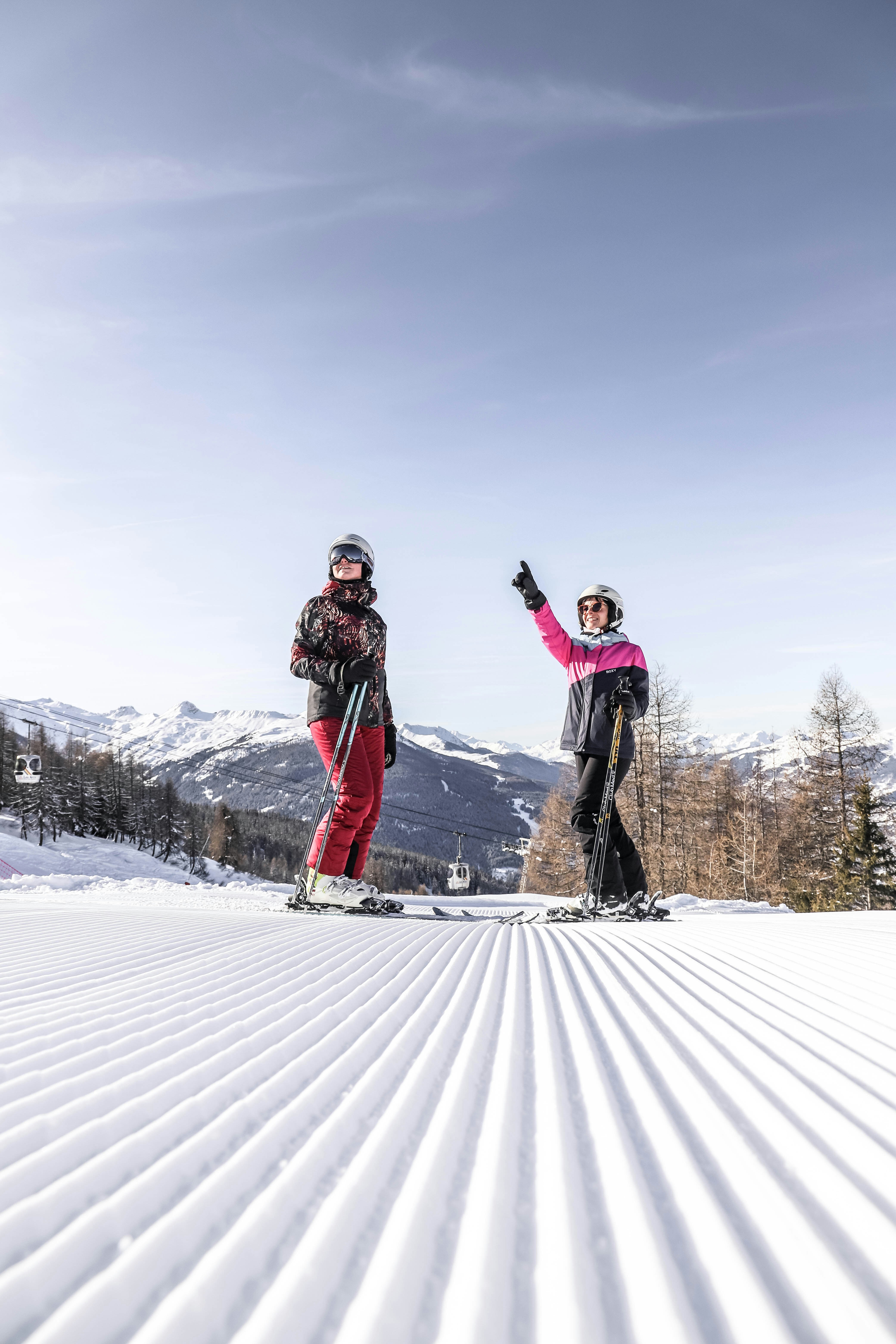
Family Ski Holidays in Les Arcs
Les Arcs is particularly well suited to families, largely because of how the resort is designed. Many accommodation buildings sit directly beside beginner slopes, meaning children can reach ski school without long walks in heavy boots. Wide nursery areas around Arc 1800 and Arc 1600 give new skiers space to learn away from faster traffic, which helps confidence build quickly during the first few days.
Ski schools operate across the villages and group lessons are common for younger visitors, allowing children to progress while parents explore higher runs. Outside ski hours, sledging areas, indoor play spaces, and swimming facilities provide alternatives when energy levels drop or weather changes.
Self-catered apartments are often the most practical option for families, offering flexible meal times and space to dry equipment overnight. Free shuttle buses link the different village levels, so reaching restaurants, supermarkets, and activities rarely requires a car.
For parents, the key advantage of Les Arcs is simplicity: short distances, predictable slopes, and easy navigation reduce daily logistics and allow more time actually spent on the snow.
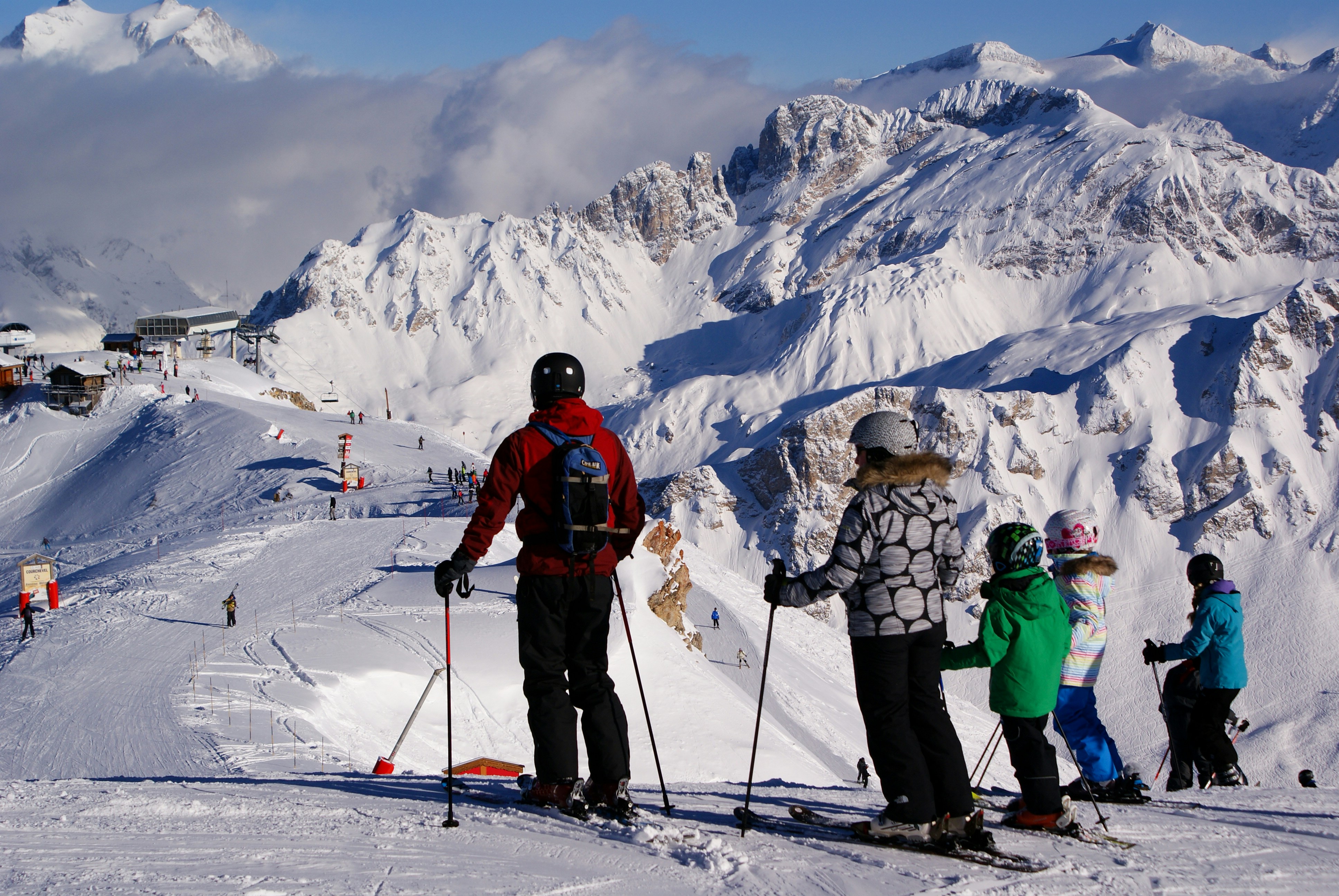
Tips for Solo Travellers
Les Arcs works surprisingly well for a solo ski trip, largely because the resort is easy to navigate. The linked villages and lift system allow you to explore widely without needing to coordinate with others, and clear piste signage makes route planning straightforward even on a first visit.
Group ski lessons are a good starting point, not only for improving technique but also for meeting other skiers. Many visitors travel independently during the season, particularly in January, and shared classes or guided days naturally create conversation without the pressure of organised social events.
Accommodation close to lifts is especially helpful when travelling alone, as it removes the need to carry equipment long distances at the start and end of the day. Cafés and mountain restaurants are informal and welcoming, making solo lunches feel normal rather than awkward.
In the evenings, Arc 1800 offers the most sociable atmosphere, while higher stations are quieter and better suited to travellers seeking rest after a full day on the slopes. The overall layout of Les Arcs allows independence without isolation — you can keep your own pace while still feeling part of the resort.

Practical Tips for Visiting Les Arcs
Mountain weather changes quickly, even on clear days. Carrying a small backpack with an extra layer, gloves, and water makes long ski days far more comfortable, particularly on higher slopes around Arc 2000 where wind can increase noticeably.
Sun protection is essential. The combination of altitude and reflected light from snow can cause sunburn surprisingly fast, even in cold temperatures, so sunglasses or goggles and sunscreen are as important as warm clothing.
Lunch hours in mountain restaurants are busy between 12:00 and 14:00. Skiing slightly earlier or later avoids queues and makes it easier to find seating, especially during school holiday periods.
Supermarkets in the villages close earlier than many visitors expect, so picking up groceries in the afternoon rather than evening prevents last-minute scrambles for dinner supplies in self-catered accommodation.
Finally, pace the first day gently. Travelling, altitude, and cold air are more tiring than they seem, and starting with shorter runs allows you to adjust quickly and enjoy the rest of the week far more.
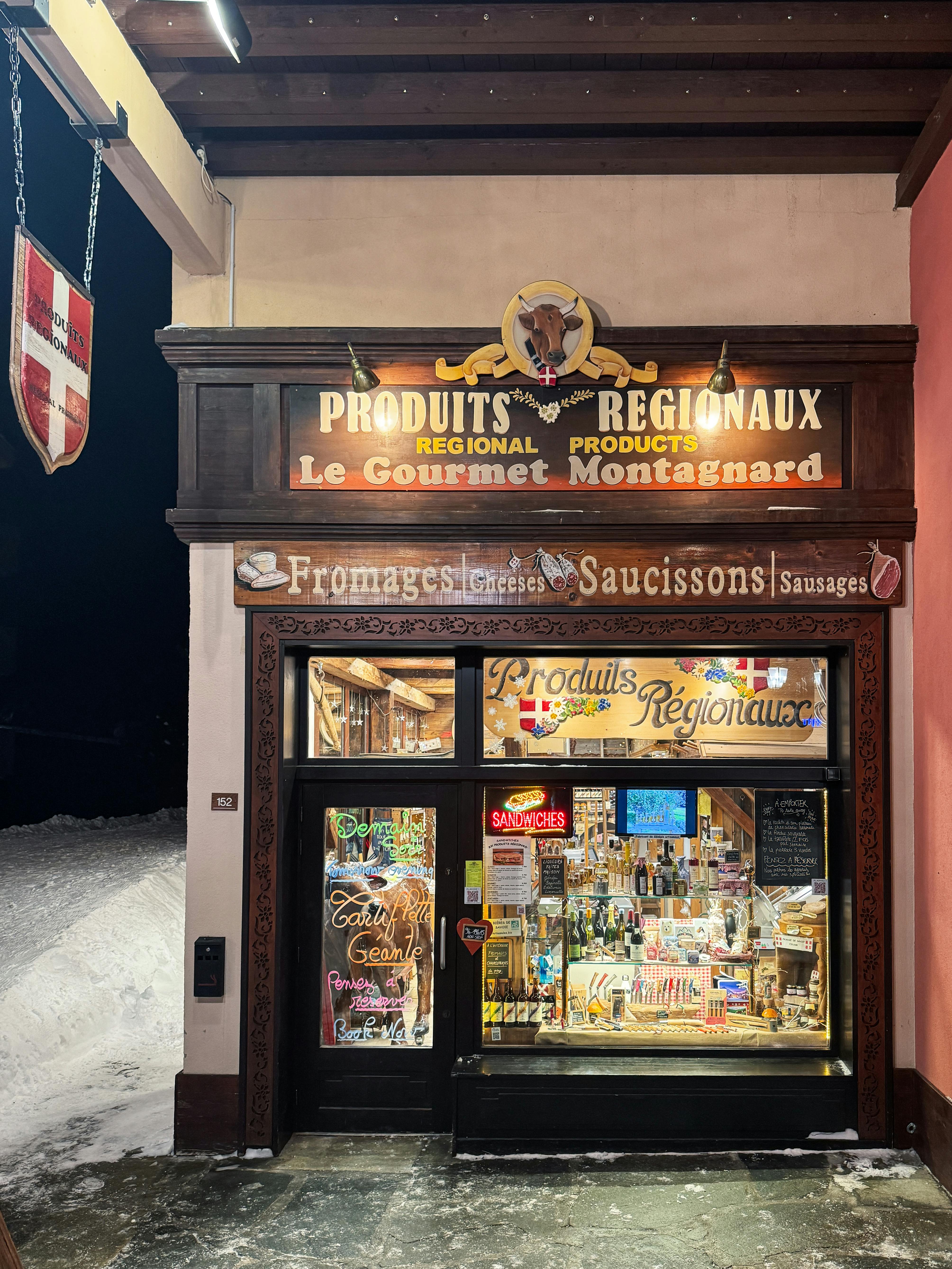
What to Eat in Les Arcs
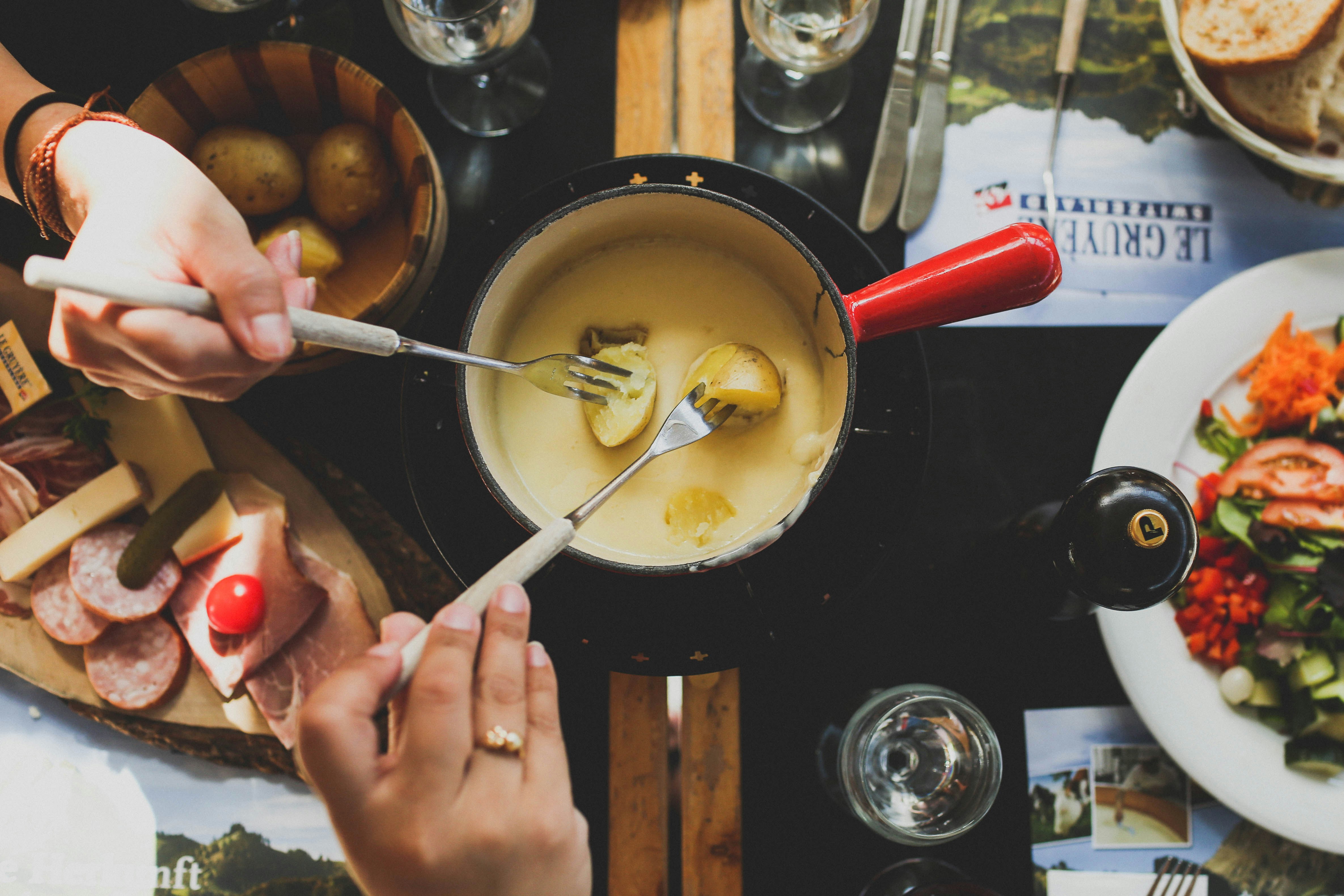
Skiing in the Alps comes with its own cuisine, built for cold air and long days outdoors. In Les Arcs you will quickly encounter traditional Savoyard dishes, particularly in mountain restaurants and village bistros. Raclette involves melted local cheese served over potatoes with cured meats and pickles, while fondue is a shared pot of melted cheese eaten communally with bread. Tartiflette, a rich bake of potatoes, onions, bacon, and Reblochon cheese, is perhaps the most filling meal after a day on the slopes.
Other regional specialities include crozets, small buckwheat pasta often baked into creamy gratins, and hearty soups served in high-altitude huts. For something sweeter, look for tarte aux myrtilles (wild blueberry tart) and pain aux noix, both common in local bakeries.
Lunch on the mountain is typically relaxed and substantial rather than quick. Many skiers pause for a full midday meal before returning to the slopes, while hot chocolate stops are almost a ritual during colder weather. The cuisine reflects the environment: simple ingredients, generous portions, and meals designed to restore energy rather than impress with presentation.
If you’re curious about the food culture around French ski resorts, I explore traditional mountain dishes and après-ski dining in more detail in my guide to food and dining on French ski trips.
Local Wines and Alpine Drinks
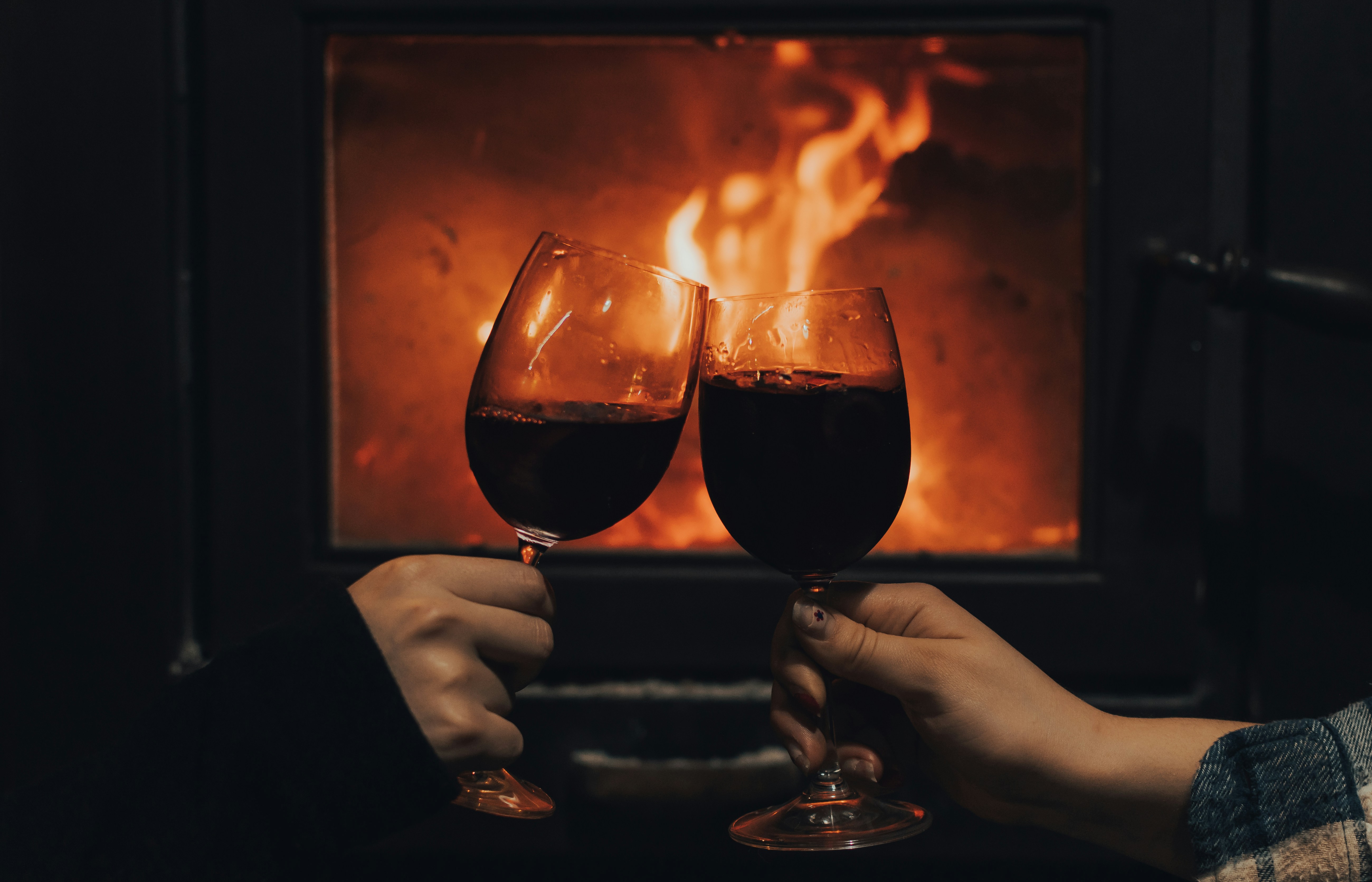
Savoyard food is traditionally paired with regional wines from Savoie. Crisp white varieties such as Apremont and Roussette de Savoie are commonly served with raclette and fondue, while fuller whites like Chignin-Bergeron accompany richer dishes. Light reds, particularly Mondeuse and Gamay, appear on many restaurant menus and work well with cured meats and stews.
On the mountain, warming drinks are part of the daily routine. Vin chaud (mulled wine) is widely available at ski bars and lift-side terraces, and hot chocolate is a staple afternoon stop, especially in colder weather. Herbal teas and simple coffees are equally common, providing a brief rest before returning to the slopes.

Where to Eat and Drink in Les Arcs
Dining in Les Arcs follows the rhythm of the ski day. Lunchtime often takes place on the mountain itself, where piste-side restaurants serve filling meals designed to warm rather than rush. Expect terrace seating on sunny days and long, relaxed breaks before heading back onto the snow.
Across the villages you will find a mix of traditional Savoyard restaurants, casual cafés, and small bistros. Places such as La Fruitière in Arc 1800 and Le Savoy in Arc 2000 offer classic mountain dishes in wood-lined interiors, while cafés and bakeries provide lighter lunches, coffee stops, and pastries between ski sessions. In Bourg-Saint-Maurice at the valley floor, restaurants like Les Convives offer a more local, year-round atmosphere away from the resort pace.
Evening meals are typically unhurried, and reservations are advisable during peak winter weeks, particularly around February school holidays. Eating slightly earlier or later than the main 19:00–20:30 window usually makes it easier to find a table.
Wellness and Relaxation
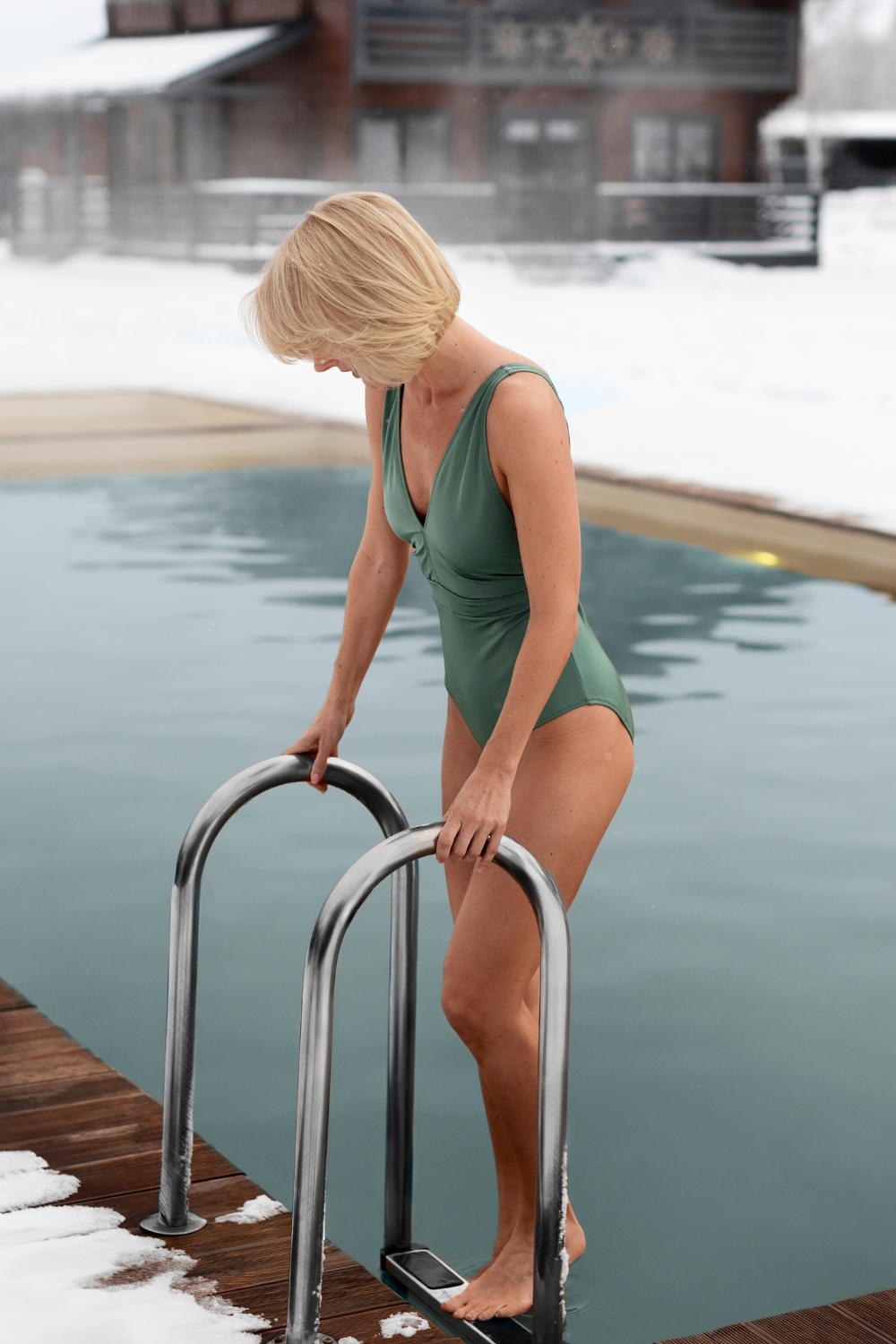
Skiing is physically demanding, particularly for first-time visitors, and most travellers quickly appreciate a slower afternoon during the week. Several accommodation complexes in Arc 1800 and Arc 1950 include access to heated pools, saunas, and wellness areas, which are especially welcome after long days on cold slopes.
Many visitors plan a midweek rest day rather than skiing continuously. Gentle walks through the villages, cafés, and light activities such as yoga or stretching sessions help tired legs recover and make the remaining ski days far more enjoyable.
Even simple routines become part of the mountain rhythm: hot chocolate stops in the late afternoon, early evenings to recover from altitude and travel fatigue, and quieter nights than expected in a high-altitude resort. In Les Arcs, relaxation is less about luxury treatments and more about pacing the week so the mountains remain enjoyable from the first run to the last.
Responsible Travel in Les Arcs
Like many Alpine resorts, Les Arcs depends on a fragile mountain environment, and small visitor choices make a noticeable difference. Arriving by train to Bourg-Saint-Maurice and using the funicular and free resort shuttles reduces road traffic in the valley, and most villages are compact enough to explore on foot once you arrive.
Choosing locally owned restaurants and bakeries supports year-round residents rather than only seasonal tourism. Carrying a reusable water bottle is practical at altitude, where dry air increases dehydration, and helps reduce single-use plastic waste on the mountain.
Staying on marked pistes and signed walking routes protects vegetation that can take years to recover in alpine conditions. In Les Arcs, responsible travel is less about grand gestures and more about simple habits that allow the landscape to remain enjoyable for future winters.
Local Events and Seasonal Atmosphere
Throughout the winter season the villages host small events that add atmosphere beyond skiing. Weekly torchlight descents by ski instructors are common during peak weeks, with illuminated lines of skiers descending after dark and spectators gathering at the base of the slopes.
During holiday periods, particularly Christmas and February half-term, Arc 1600 and Arc 1800 often host outdoor markets, live music, and informal evening entertainment in the village squares. These are relaxed rather than large-scale festivals, but they create a lively social atmosphere after lifts close.
For visitors, these moments usually appear naturally during an evening walk rather than as scheduled attractions. They are less about organised tourism and more about the resort’s weekly rhythm, offering a glimpse of Alpine community life alongside the skiing.
Photography and Scenic Viewpoints
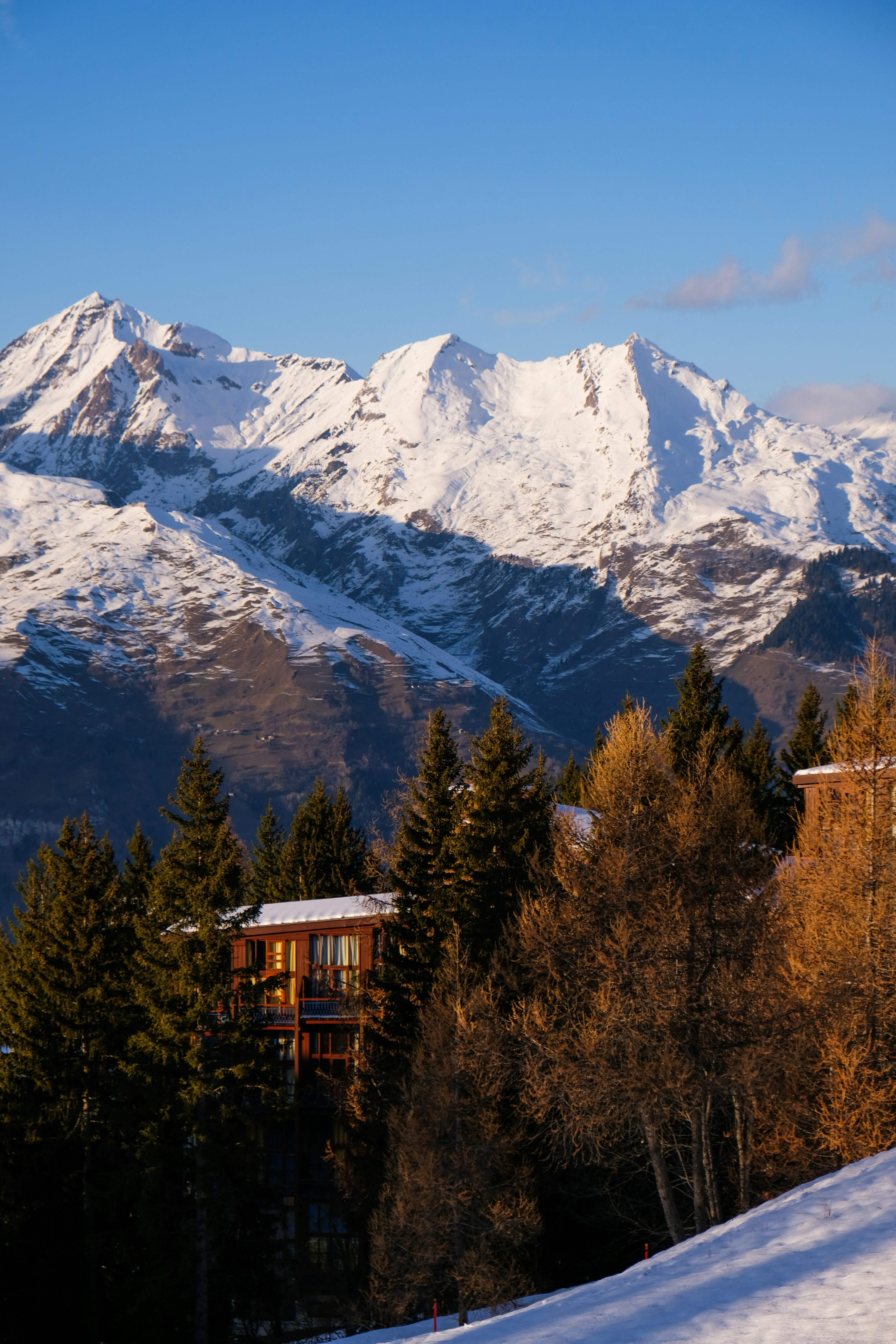
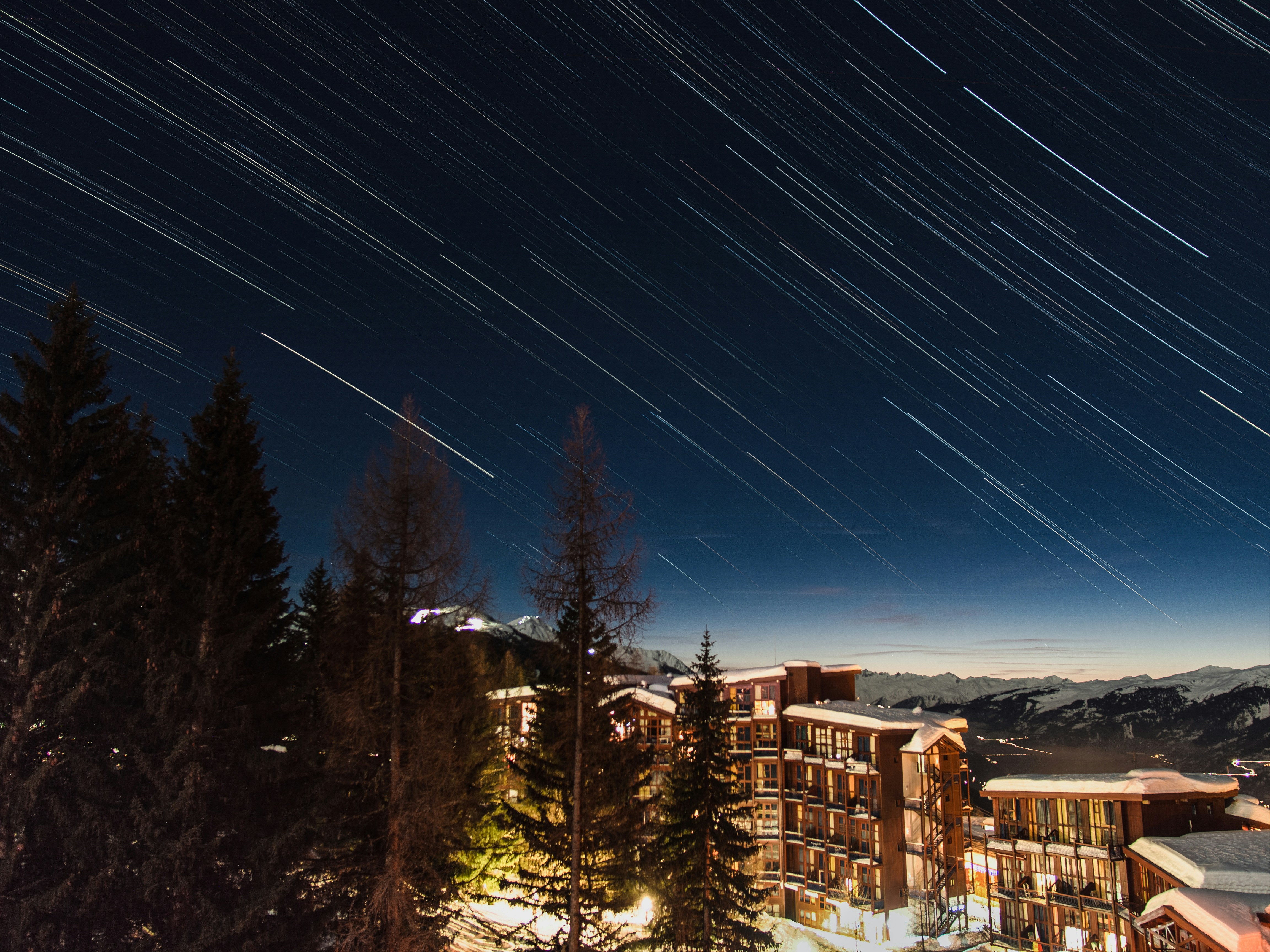
Les Arcs rewards early risers and late-afternoon wanderers. Morning light reaches higher slopes first, and viewpoints near Arc 2000 and the Aiguille Rouge sector often catch sunrise above the cloud line on clear days. Later in the afternoon, the villages around Arc 1600 and 1800 glow as lights appear against the snow, creating the classic Alpine evening atmosphere.
Col de la Chal provides one of the widest panoramas across the surrounding peaks, particularly in settled weather, while quieter moments often come between ski runs: empty pistes just after lifts open, café terraces during calmer mid-morning periods, and village streets after dinner when most visitors have returned indoors.
In the mountains the best photographs rarely come from rushing between lifts. Pausing, looking back along the valley, and noticing small details — frost on railings, ski tracks in fresh snow, smoke rising from rooftops — captures the real character of Les Arcs more than any single viewpoint.
What to Pack for a Ski Trip to Les Arcs
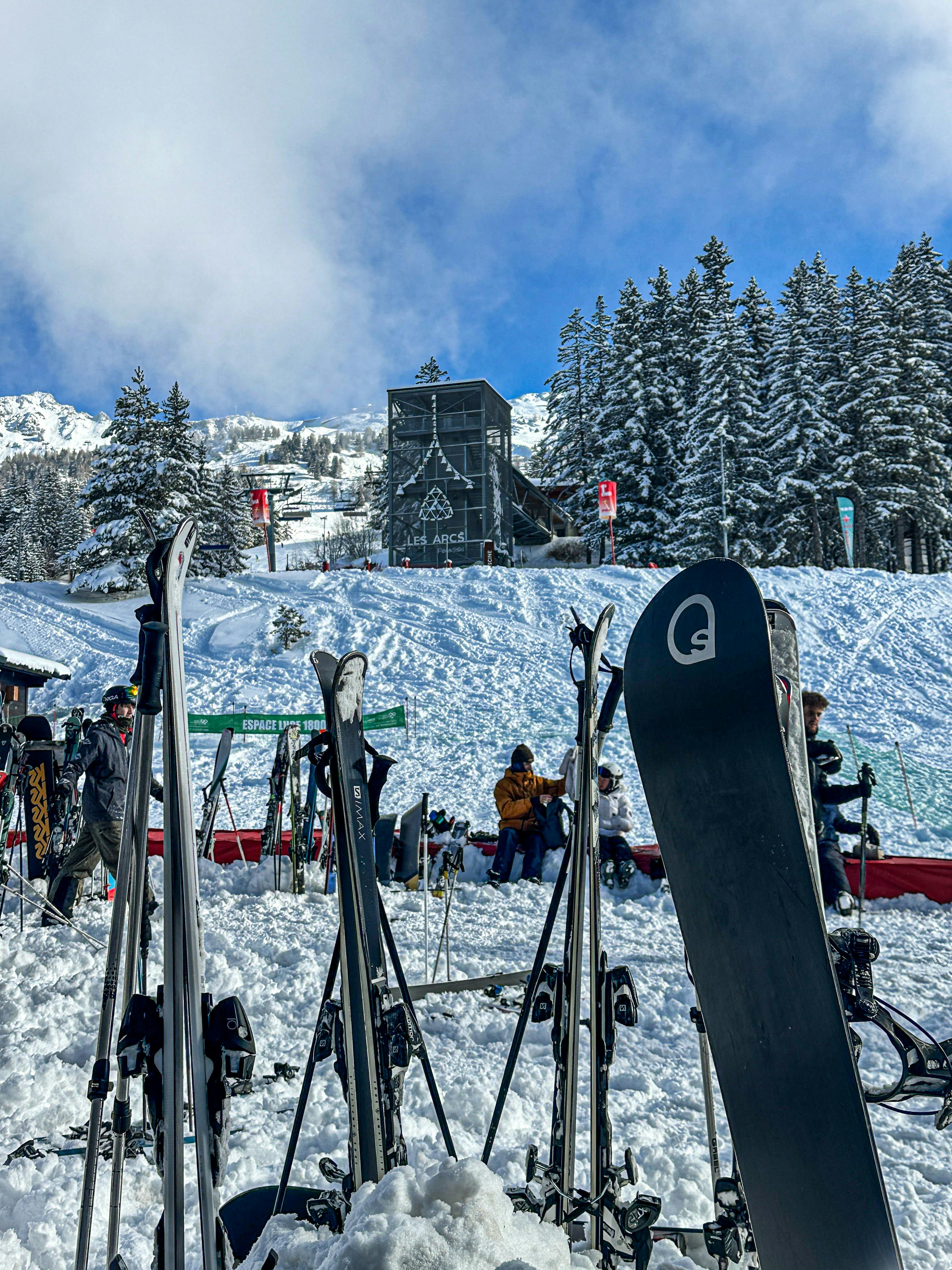
My eco-friendly travel packing guide covers general preparation, but a mountain trip has a few specific priorities. Layering is essential: a moisture-wicking base layer, an insulating mid-layer, and a waterproof outer jacket allow you to adjust quickly as temperatures change throughout the day.
Gloves, thermal socks, and a warm hat make a noticeable difference on chairlifts, where wind chill is stronger than expected. Sunglasses or ski goggles are equally important, as sunlight reflecting from snow can be intense even in cold weather. Sunscreen and lip balm are necessities at altitude rather than luxuries.
Footwear matters off the slopes as well. Waterproof boots with good grip help on icy village paths, and bringing a small backpack for water, snacks, and an extra layer makes longer ski days far more comfortable. Families often benefit from spare gloves for children, while independent travellers appreciate packing lightly enough to manage luggage easily on arrival.
Day Trips and Nearby Places
Les Arcs sits in the Tarentaise Valley, one of the most concentrated ski regions in the Alps, and short excursions are easy once you know the layout. The linked resort of La Plagne can be reached on skis via the Vanoise Express cable car, turning a normal ski day into a different landscape without needing transport.
At the valley floor, Bourg-Saint-Maurice offers a change of pace from the mountain stations. Cafés, bakeries, and weekly markets continue year-round, and a short visit provides a glimpse of everyday Alpine life beyond the resort atmosphere. The funicular makes the return journey straightforward, so a few hours there fits comfortably into a rest afternoon.
On clearer days, walking routes and quieter valleys around the lower slopes provide gentle alternatives to skiing, particularly late in the season when temperatures soften. These small departures from the pistes often become memorable moments of the trip, not because they are spectacular, but because they reveal the mountains as a lived landscape rather than only a ski destination.
Safety Tips for Visiting Les Arcs
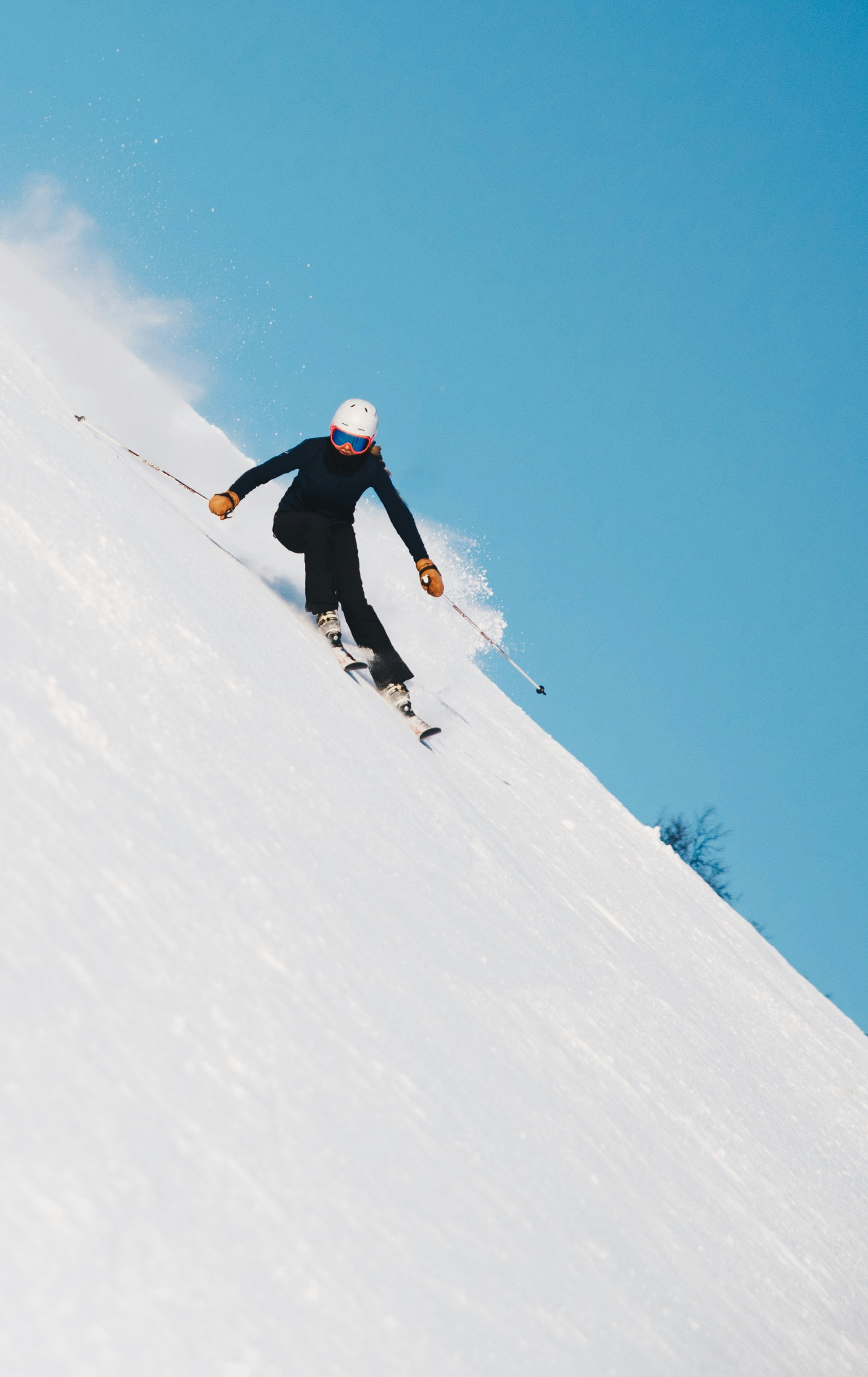
Mountain conditions change quickly, particularly at higher altitude. Checking the daily weather and lift status each morning helps with route planning, and layered clothing allows you to adjust comfortably as temperatures shift throughout the day. Before travelling do make sure to check the UK travel advice for France.
Staying hydrated is important in cold, dry air, and carrying a small snack helps maintain energy on longer ski days. Skiers venturing beyond marked pistes should only do so with appropriate knowledge or a qualified guide, as avalanche risk varies with recent snowfall and wind.
Comprehensive winter sports travel insurance is strongly recommended before arrival. If you are unfamiliar with ski equipment or slope etiquette, a short lesson early in the trip significantly improves both safety and enjoyment.
For further preparation, see what to do if you’re injured while travelling, which explains documentation, medical care, and practical steps abroad.
Après-Ski and Evenings in Les Arcs
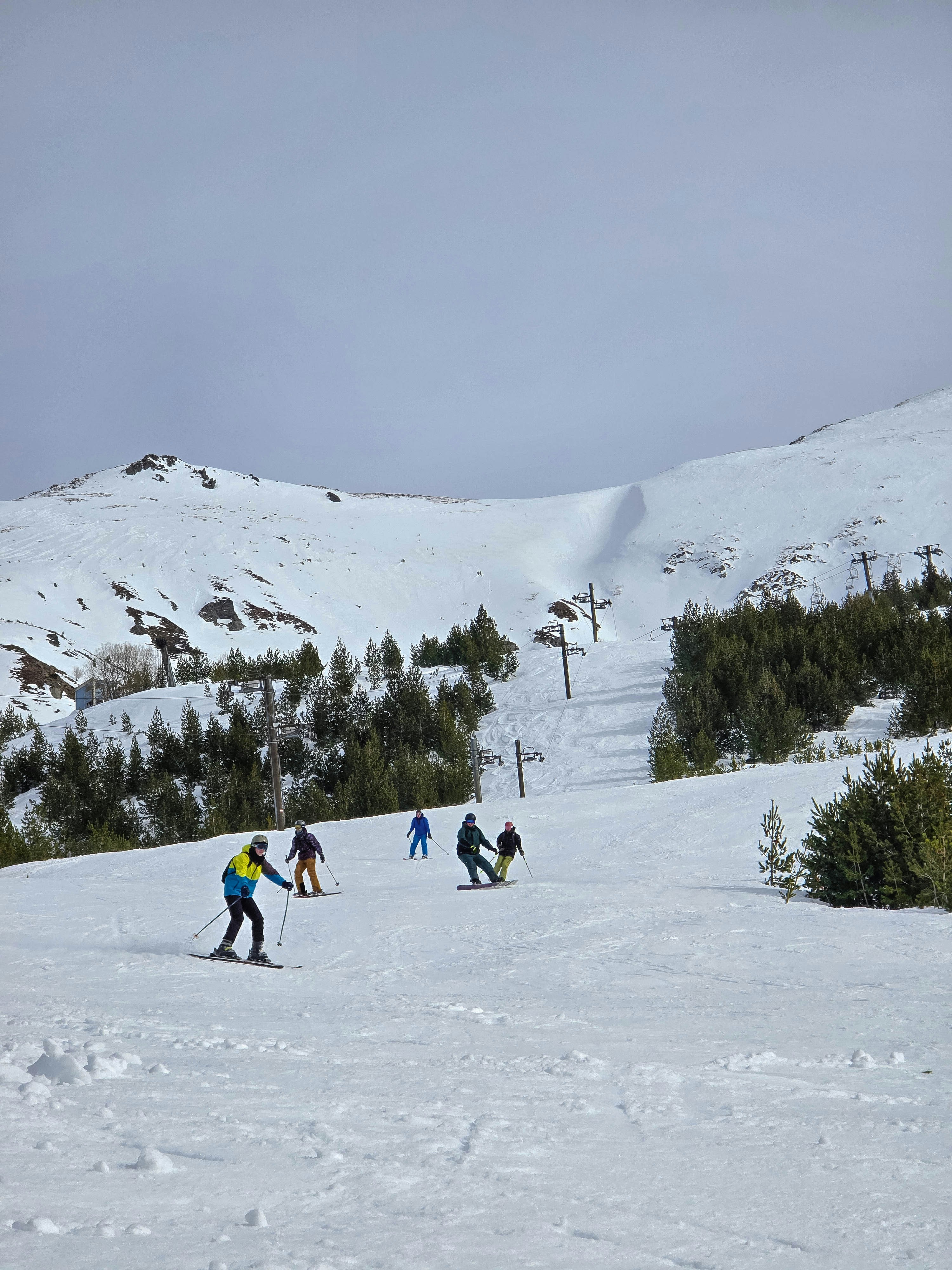
Evenings in Les Arcs tend to follow the pace of the ski day. Activity usually begins mid-afternoon as lifts close, with terrace drinks and music in the lower stations, particularly around Arc 1800. Venues such as slope-side bars and casual pubs provide a sociable atmosphere, though the energy is generally earlier and more relaxed than in large party resorts.
Arc 1950 is quieter, with wine bars and restaurants suited to slower dinners, while higher stations often settle quickly once darkness falls. Many visitors prefer a simple routine: a drink after skiing, dinner in the village, and an early night before the next day on the slopes.
For families and non-skiers, cafés remain open into the evening, offering hot chocolate, desserts, and a warm place to watch the village atmosphere. The appeal of Les Arcs is not late-night nightlife but comfortable evenings that fit naturally into an active mountain week.
Suggested 5-Day Itinerary for First-Time Visitors
Arrival Day
Most visitors arrive mid-afternoon. After checking into your accommodation, collect lift passes and ski equipment so the first morning runs smoothly. Take a short walk around your village — Arc 1600, 1800, 1950, or 2000 — to orient yourself and locate lifts, ski school meeting points, and supermarkets. If energy allows, a brief run on a nearby beginner slope helps you adjust to the snow and altitude. Finish with an early dinner and rest to prepare for the first full ski day.
Day Two – First Full Ski Day
Start on green and easy blue runs to build confidence and become familiar with the lift system. Pause mid-morning for a café stop, then continue exploring nearby pistes at a relaxed pace. Lunch on the mountain is part of the experience — allow time to sit and warm up before skiing again in the afternoon. Keep the day shorter than you expect; fatigue arrives quickly at altitude.
Day Three – Exploring the Mountain
By now you will be more comfortable on skis. Link lifts between villages, such as routes connecting Arc 1800 and Arc 2000, and take in the panorama from higher viewpoints like the Aiguille Rouge cable car. More confident skiers can try longer blue or red runs, while others may prefer a lesson or guided day. Evening is best kept quiet to conserve energy for the rest of the week.
Day Four – A Rest and Discovery Day
A midweek rest day improves the remainder of the trip. Walk through the villages in the morning, try snowshoeing, or take the funicular to Bourg-Saint-Maurice for markets and bakeries. A long lunch or spa session allows tired muscles to recover, making the final ski day more enjoyable.
Day Five – Final Runs
Use the last morning to revisit favourite slopes or areas you missed earlier in the week. Return equipment before midday where possible to avoid queues, then take a final walk through the village before departure. Most travellers leave pleasantly tired rather than rushed — a sign the week was paced well.
Frequently Asked Questions About Visiting Les Arcs
Is Les Arcs good for beginners?
Yes. Les Arcs has wide, gentle green and blue pistes, especially around Arc 1600 and Arc 1800, plus multiple ski schools offering group and private lessons. Many beginner areas sit close to accommodation, which makes first ski holidays less intimidating.
What ski area is Les Arcs part of?
Les Arcs is part of the Paradiski ski area, linked to La Plagne by the Vanoise Express cable car. Together they offer over 425km of pistes, making it one of the largest interconnected ski areas in Europe.
How long is the transfer from Geneva Airport to Les Arcs?
The journey typically takes around 2½–3 hours depending on weather and traffic. Transfers, trains to Bourg-Saint-Maurice, and car hire are all common options.
Is Les Arcs snow-sure?
Les Arcs is considered one of the more snow-reliable resorts in the French Alps thanks to its altitude (approximately 1,200m–3,226m) and access to high-altitude terrain. The main ski season usually runs from December to late April, with the most reliable snow from January to early March.
Which Les Arcs village is best to stay in?
Arc 1800 suits most visitors thanks to its range of accommodation and restaurants, Arc 1950 offers a picturesque and quieter atmosphere, Arc 1600 is convenient for rail arrivals, and Arc 2000 provides the quickest access to high-altitude skiing. All villages are connected by lifts and shuttle buses.
Do I need to book ski passes in advance?
It’s recommended during peak season and school holidays, as booking online can save queue time and occasionally money. Outside peak periods, passes are usually easy to buy on arrival.
Are there non-skiing activities in Les Arcs?
Yes. Visitors can enjoy snowshoeing, sledging, spas, winter walking trails, paragliding, and village events, making the resort suitable for non-skiers and mixed-interest groups.
Is Les Arcs suitable for families?
Very much so. The resort has dedicated children’s ski areas, family accommodation, childcare options, and pedestrian-friendly village centres, especially in Arc 1950 and Arc 1800.
What is the best time to visit Les Arcs?
January and early March usually offer the best balance of reliable snow and quieter slopes. February has excellent conditions but coincides with European school holidays, while late March brings sunnier skiing and longer days.
Embracing the Alpine Experience
Les Arcs is less about spectacle and more about rhythm. Mornings begin quietly as lifts open and tracks appear on fresh snow, afternoons stretch into long lunches or slow descents between villages, and evenings settle into an easy mountain pace. The resort doesn’t demand expertise or constant activity; it simply makes time in the mountains feel manageable. Some visitors spend the week skiing from first lift to last, others divide their days between walks, cafés, and views across the valley. In either case, the appeal lies in how naturally daily life adjusts to altitude and landscape — a place where the mountains are not just scenery, but the structure of the day itself.

Image credit: Some photographs in this feature are illustrative and sourced from licensed stock photography providers. This article was first published in October 2025 and updated in February 2026 to reflect current resort information and visitor guidance.
Stay in Touch
Culinary Travels publishes destination guides, seasonal recipes, and food-led travel features from the UK and beyond.
Follow for new articles and updated travel resources:
Facebook | Instagram | Pinterest
Newsletter
Receive new guides, recipes, and occasional travel planning notes by email: Subscribe here
Reader feedback and local recommendations are always welcome via the contact page.


©2026 Culinary Travels. Culinary Travels is written and edited by Georgina Ingham | Website designed by The Smarter Web Company
What Our Followers Say
"Oh yum!!! I could eat one or two right now!"
Sami Tamimi
"Georgina was great to work with, quick to respond, and is an excellent content writer - would highly recommend collaborating with her!"
Nick S, Get Blogged
Our list of things to do in Cork has just expanded hugely thanks to Culinary Travels.
Triskel Art Centre Cork