
Articles


Where to Stay in Murcia: Best Areas and Places to Stay

Choosing where to stay in Murcia is less about chasing grand hotels and more about choosing the right base for the kind of trip you want. This is a compact, warm, deeply walkable city, shaped by long lunches, late dinners, lively plazas and the easy rhythm of southern Spain. Stay in the right part of the city and Murcia opens up beautifully on foot.
Some articles on Culinary Travels may contain affiliate links, meaning I may earn a small commission at no extra cost to you. I only recommend products, places and experiences that fit the editorial tone and standards of the site.
For most first-time visitors, the best place to stay in Murcia is close to the historic centre. Around the cathedral, Plaza de las Flores, Gran Vía and the old streets leading towards the markets, you can wander between cafés, tapas bars, churches, shops and evening terraces without needing to over-plan your days.
That said, Murcia rewards a little thought before booking. The historic centre is best for atmosphere and food-led city breaks, El Carmen works well for rail travellers and longer stays, while hotels just outside the old core can offer better parking, pools and easier road access for exploring the wider region. The best area depends less on a single “must-stay” neighbourhood and more on whether you want walkability, quiet, transport links or a base for day trips.
For a broader view of current options across the city, compare places to stay in Murcia.
Check current availability and prices across Murcia
In this guide
1) Quick answer: where should you stay in Murcia?
2) Best areas to stay in Murcia
3) Staying beyond Murcia city
4) Editor’s picks: where to stay in Murcia
5) How to choose the right area
6) Where to stay in Murcia for festivals and cultural events
7) FAQs about where to stay in Murcia
Quick Answer: Where Should You Stay in Murcia?
If it is your first time in Murcia, stay in or close to the historic centre. This gives you the easiest access to the cathedral, Plaza de las Flores, Mercado de Verónicas, tapas bars, cafés and evening atmosphere without needing taxis or complicated transport.
For first-time visitors and food-focused trips, the Old Town is the strongest choice. Staying near the cathedral, Plaza de las Flores or Gran Vía means you can walk easily between tapas bars, markets, cafés, shops and evening terraces, which suits Murcia’s slow, food-led rhythm especially well.
For train arrivals, longer stays or a slightly more local feel, look around El Carmen or the south side of the river. These areas are still within reach of the historic centre, but can feel calmer and more practical, especially if you are arriving by rail or want a base that feels less focused on the main visitor streets.
If you are driving, planning several day trips, or travelling in high summer, consider hotels just outside the historic centre. Parking, easier road access, air conditioning, shade and, where possible, pool access can matter more than being on the prettiest street, particularly if you are using Murcia as a base for the coast, countryside or wider region.
For festivals and cultural events, stay close to the historic centre for Murcia city celebrations such as Semana Santa, Bando de la Huerta, Entierro de la Sardina and Feria de Murcia. For events in Cartagena, Caravaca de la Cruz, La Unión or Yecla, a local overnight stay or split itinerary may be more practical.
For beach time, treat the coast as a separate part of the trip rather than a Murcia city neighbourhood. Stay in Murcia city for culture, food and walkability, then add La Manga, the Costa Cálida or another coastal base if you want sea, pools and a slower resort-style stay.
Best Areas to Stay in Murcia
Murcia is compact enough that most visitors will not need to overthink their base, but the right area can still change the feel of a trip. Stay in the historic centre if you want atmosphere, tapas bars and easy wandering. Look towards El Carmen and the south side of the river if you want a more local rhythm or better access to the train station. Choose hotels slightly outside the old core if you are driving, want a pool, or plan to use Murcia as a base for wider day trips.
Old Town, Around the Cathedral
Best for first-time visitors, food-led trips and atmosphere
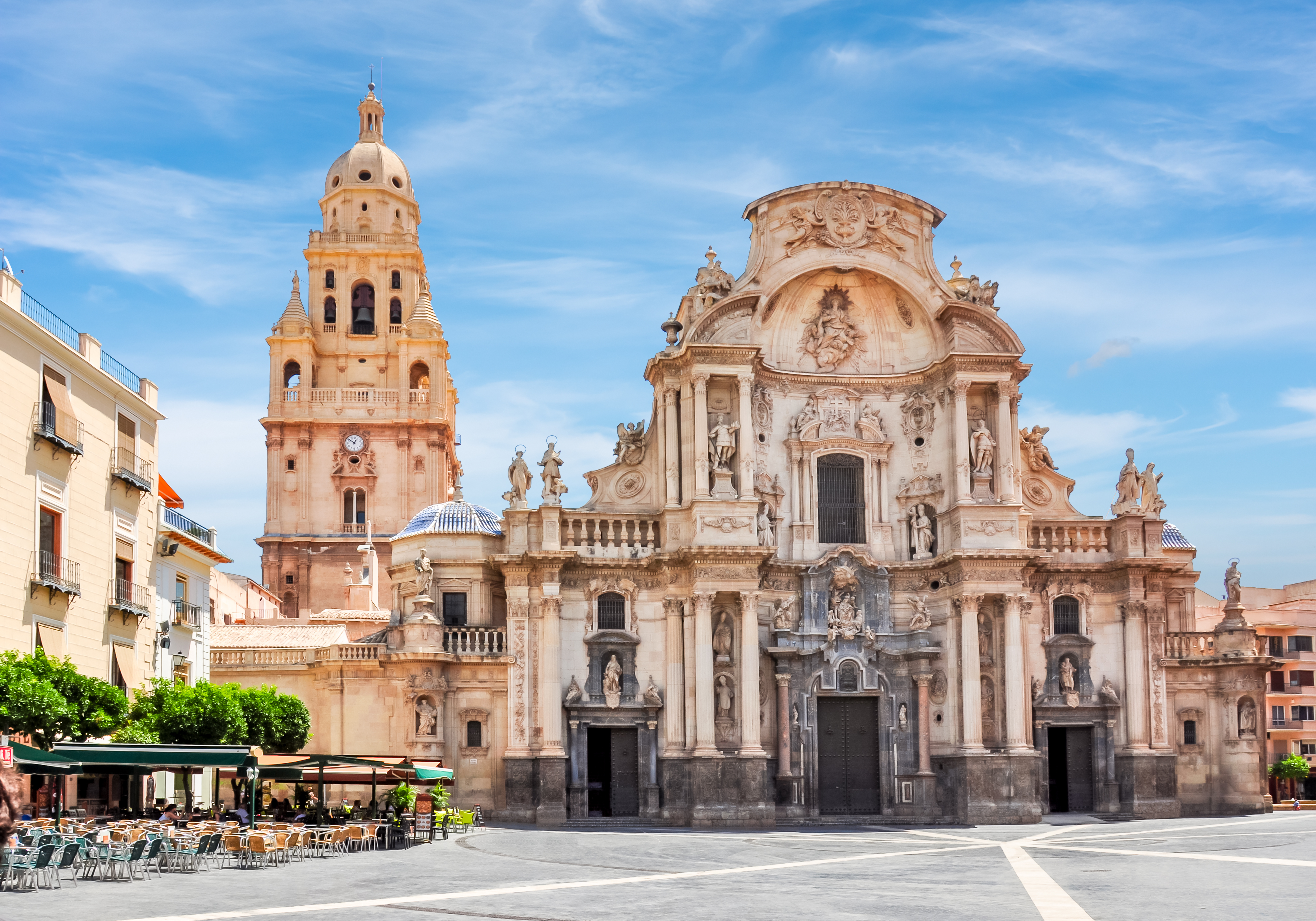
The historic centre is the natural choice if you want Murcia to feel easy from the moment you arrive. Staying near the cathedral places you close to Plaza del Cardenal Belluga, Plaza de las Flores, Gran Vía, tapas bars, cafés, shops and many of the city’s key sights, with much of the old city unfolding just outside your door.
This is the best area for a short break, especially if your trip is built around food, wandering and low-effort evenings. You can spend the morning around the cathedral or Mercado de Verónicas, return to your hotel for a rest, then head back out later when the plazas begin to fill and the city settles into its evening rhythm.
The main trade-off is that the centre can feel livelier at night, particularly around the most popular eating and drinking streets. Some older buildings may also have smaller rooms or fewer modern conveniences than larger hotels outside the core. For most first-time visitors, though, the convenience and atmosphere outweigh those compromises.
For central stays, check availability near Murcia Cathedral.
Photograph: MisterVlad (ShutterStock)
El Carmen and the South Side of the River
Best for rail travellers, longer stays and a more local feel
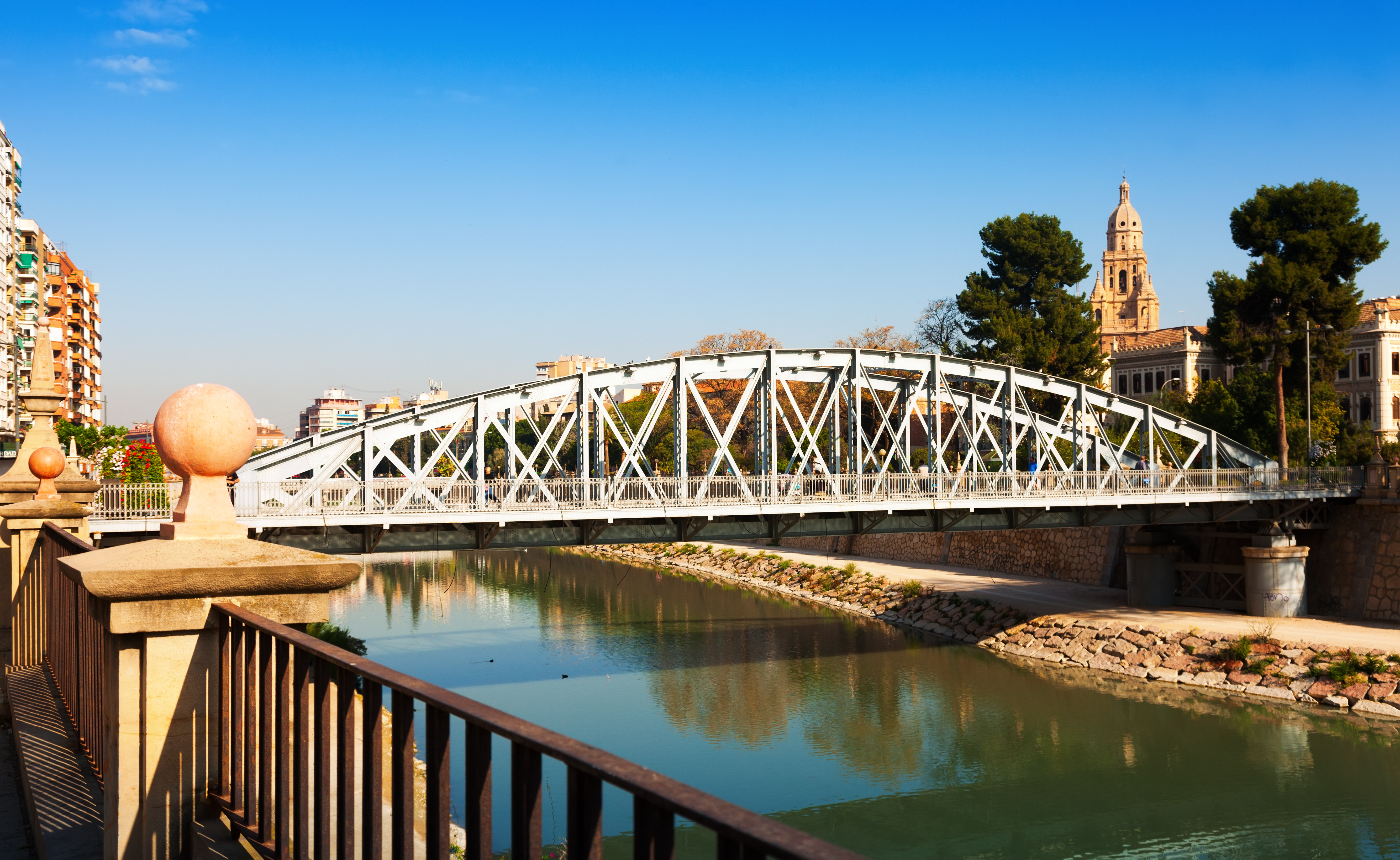
Across the Segura River, El Carmen and the streets around Floridablanca Gardens offer a slightly calmer, more residential base while still keeping the historic centre within walking distance. This side of the city can feel less polished than the cathedral area, but that is part of its appeal: local cafés, everyday shops, neighbourhood streets and a gentler morning pace.
It is a particularly practical choice if you are arriving by train, planning day trips by rail, or staying for more than a couple of nights. You still have easy access to the Old Town, but you are not quite in the thick of the evening bustle. Floridablanca Gardens also add a useful patch of green space, which can be welcome in warmer months.
The trade-off is atmosphere. El Carmen works well as a base, but it does not have quite the same immediate romance as waking up beside the cathedral or stepping straight out into the old plazas. Choose it if practicality, transport and a slightly more local rhythm matter more than postcard views.
Photograph: Bearfotos (Freepik)
Just Outside the Historic Centre
Best for parking, pools, road trips and a quieter stay
If you are driving, travelling in summer, or using Murcia as a base for exploring the wider region, it can make sense to stay slightly outside the most historic streets. Larger hotels on the edge of the centre often offer easier access, more space, modern rooms, parking options and, in some cases, outdoor pools.
This kind of stay is less atmospheric than being tucked into the Old Town, but it can be more comfortable and practical, especially if you are planning day trips to Cartagena, the coast, inland villages or the surrounding countryside. It is also worth considering if you prefer a quieter night’s sleep and do not mind a longer walk or occasional taxi.
For food-focused travellers, I would still prioritise walkability where possible. Murcia’s charm lies in moving easily between markets, terraces and tapas bars, so check the walking distance carefully before booking anywhere that looks “central” on a map but sits beyond the area you actually want to explore each evening.
Staying Beyond Murcia City
For some trips, the best approach is not to choose between city and coast, but to split your stay. Murcia city works beautifully for culture, food, markets and slow urban wandering. The coast, countryside and regional resorts offer a different rhythm entirely.
La Manga and the Costa Cálida
Best for combining Murcia city with beach time
If your trip leans more towards relaxation, or you are extending your stay beyond the city, it can be worth spending a couple of nights in Murcia before heading towards the Costa Cálida. That way, you can enjoy the city properly rather than trying to treat the beach as a rushed add-on.
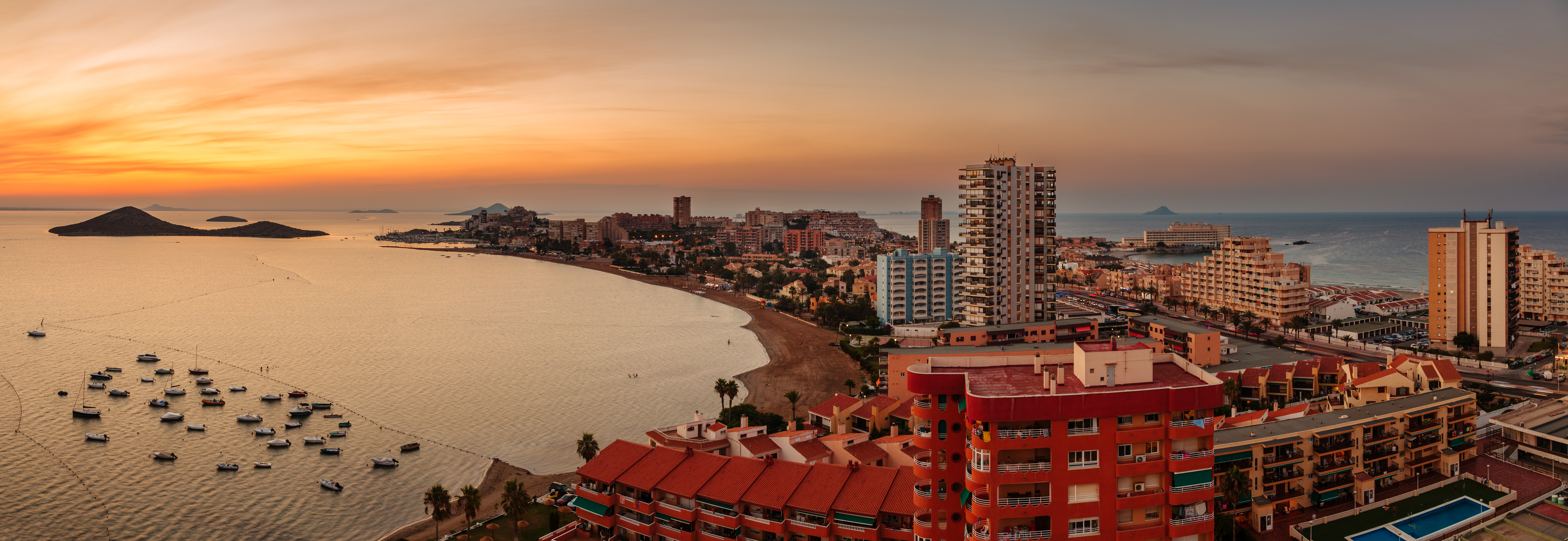
Areas such as La Manga offer resort-style accommodation, with access to beaches, pools and coastal restaurants. This is less about city exploration and more about slowing the pace further, particularly if you want sea air, resort facilities or a more traditional holiday feel after a few days of plazas, markets and tapas.
For ideas on how to shape the wider trip, see the guide to day trips from Murcia.
Photograph: Somatuscani (Adobe Stock)
Sierra Espuña and the Inland Countryside
Best for nature, quiet and a slower rural extension
If the coast does not appeal, the inland countryside offers another way to extend a Murcia trip. Sierra Espuña suits travellers who want walking, mountain scenery, rural calm and a slower pace after time in the city. This is not a practical base for exploring Murcia on foot, but it can work beautifully as a second stop if your trip is more about food, landscape and atmosphere than ticking off sights.
Editor’s Picks: Where to Stay in Murcia
These options reflect different ways to experience Murcia, from an easy first city stay to a quieter rural or coastal extension. I would choose your base by trip style first, then compare hotels within that area.
Best for a First City Stay: Hotel Cetina Murcia
A well-located, design-led option just moments from the cathedral, offering strong value without sacrificing comfort or atmosphere. It works particularly well for short stays, where being able to step straight into the Old Town makes a noticeable difference.
Central Comfort: Occidental Murcia Siete Coronas
A dependable, well-located option within walking distance of the Old Town, offering comfort without overcomplicating things. It works particularly well if you want easy access to the cathedral, restaurants and riverside walks, but prefer a slightly more conventional hotel feel than a small boutique stay.
Best for a Characterful Rural Extension: Hospedería Bajo el Cejo
A more intimate, character-led stay set in the Sierra Espuña countryside, about an hour from Murcia. This is less about city access and more about slowing things down, with a strong focus on nature, food and atmosphere. It is well suited to couples or anyone looking to step away from the city for a quieter, more considered stay.
Best for a Coastal Extension: Grand Hyatt La Manga Club
A polished resort-style option for travellers combining Murcia city with time on the coast. Set within La Manga Club, it offers pools, golf, spa facilities and restaurants, making it better suited to a slower coastal extension than a city-focused stay.
How to Choose the Right Area
If this is your first visit, stay close to the Old Town. Murcia is at its best when you can drift between the cathedral, shaded streets, plazas, markets and tapas bars without constantly checking transport times. A central base gives the city a much more natural rhythm.
If you are arriving by train, staying longer, or prefer a more everyday neighbourhood feel, look towards El Carmen and the south side of the Segura River. You will still be close enough to walk into the historic centre, but the mood is a little more residential and practical.
If you are driving, visiting in high summer, or planning several day trips, consider hotels slightly outside the historic core. You may lose some old-town atmosphere, but you can gain easier access, parking, space and sometimes pool facilities.
If beach time matters, do not try to make Murcia city behave like a coastal resort. Stay in the city for food, culture and walkability, then split the trip with La Manga, the Costa Cálida or another coastal base if you want sea, pools and a slower holiday pace.

Photograph: A_Medvedkov (Adobe Stock)
Where to Stay in Murcia for Festivals and Cultural Events
If you are visiting Murcia for Semana Santa, Bando de la Huerta, Entierro de la Sardina or Feria de Murcia, staying in or close to the historic centre is usually the most practical choice. Many of the city’s major processions, parades, fairground events and public celebrations take place around central streets, plazas and key routes, so being able to walk back to your hotel can make the trip feel much easier.
This is especially useful during busy festival periods, when streets may be crowded, restaurants can fill quickly, and taxi or transport routes may be affected by processions or public events. A central base near the cathedral, Plaza de las Flores, Gran Vía or the old town gives you more flexibility if you want to rest during the day, return for a late evening celebration, or change plans around the festival programme.
For events beyond Murcia city, think carefully before assuming the regional capital is always the best base. Cartagena, Caravaca de la Cruz, La Unión, Los Alcázares and Yecla all have important cultural festivals of their own, and some are easier with an overnight stay, a car, or a split itinerary. Caballos del Vino in Caravaca, La Mar de Músicas in Cartagena, Cante de las Minas in La Unión and La Purísima in Yecla can all change the practical rhythm of a trip.
For a fuller seasonal overview, see the guide to Murcia festivals and cultural events, which explains when to visit the region for spring fiestas, summer music, autumn fairs, flamenco, pilgrimage traditions and quieter winter celebrations.
Practical Booking Notes for Murcia
When comparing hotels in Murcia, look carefully at walking distance rather than relying only on whether a property describes itself as central. A hotel can technically be in Murcia city while still being less convenient for evening wandering, tapas bars and the cathedral area.
If you are visiting in summer, air conditioning, shade, pool access and an easy route back to your accommodation matter more than they might on a cooler city break. Murcia can feel very warm in the middle of the day, so a comfortable base for a late-afternoon pause is genuinely useful.
If you are driving, check parking before booking. The most atmospheric old streets are not always the easiest places to navigate by car, and a slightly less central hotel with clearer parking arrangements may be the better choice for a road-trip itinerary.
For festival periods, summer stays or trips that combine Murcia city with the coast or countryside, pack with comfort and flexibility in mind. Comfortable shoes matter for the historic centre, processions and evening wandering, while light layers, sun protection and a small day bag are useful if you are moving between city streets, hotel pauses and regional excursions.
FAQs About Where to Stay in Murcia
What is the best area to stay in Murcia for first-time visitors?
The historic centre is the best area to stay in Murcia for most first-time visitors. Staying near the cathedral, Plaza de las Flores or Gran Vía keeps the city’s main sights, cafés, tapas bars, shops and evening terraces within easy walking distance.
Is Murcia a walkable city?
Yes, Murcia is a very walkable city, especially if you stay in or near the historic centre. Many of the main sights, markets, restaurants and plazas are close enough to explore on foot, which is part of what makes the city so enjoyable for a relaxed short break.
Should I stay in Murcia Old Town?
Murcia Old Town is the strongest choice if you want atmosphere, food and convenience. It works particularly well for short stays, couples, solo travellers and anyone planning to spend most of their time wandering between the cathedral, markets, cafés and tapas bars.
Is El Carmen a good area to stay in Murcia?
El Carmen can be a good area to stay in Murcia if you want a more local, residential feel or easier access to the train station. It is less immediately atmospheric than the cathedral area, but it still keeps the historic centre within walking distance.
Where should I stay in Murcia without a car?
Without a car, stay close to the historic centre. Areas around the cathedral, Plaza de las Flores, Gran Vía and the old streets near the main sights make it easy to explore Murcia on foot and avoid relying on taxis or buses for everyday sightseeing.
Where should I stay in Murcia with a car?
If you are driving, consider hotels just outside the historic centre or on the edge of the city core. These often provide easier road access, more space and better parking options than small hotels tucked into the older streets.
Is it better to stay in Murcia city or near the coast?
It depends on the purpose of your trip. Stay in Murcia city for food, culture, markets, architecture and a walkable urban break. Stay near the coast, such as La Manga or the Costa Cálida, if you want beaches, pools and a slower resort-style stay. For a longer trip, splitting your time between the city and coast can work well.
How many nights do you need in Murcia?
Two to three nights is a good amount of time for a first visit to Murcia city. That gives you enough time to explore the historic centre, eat well, visit the markets and enjoy the city’s slower rhythm. Add extra nights if you want to include day trips to Cartagena, the coast or the surrounding countryside.
Where should I stay in Murcia for festivals?
For Murcia city festivals such as Semana Santa, Bando de la Huerta, Entierro de la Sardina and Feria de Murcia, staying close to the historic centre is usually the easiest option. For regional events in Cartagena, Caravaca de la Cruz, La Unión or Yecla, consider whether a local overnight stay or split itinerary would be more practical.
Final Thoughts
Murcia is not a city that demands an elaborate hotel strategy. It rewards simplicity, walkability and a base that matches the pace of your trip. For most visitors, that means staying close to the historic centre, where the cathedral, markets, plazas and tapas bars are all within easy reach.
For longer or more varied trips, think in stages. A few nights in Murcia city pair naturally with a coastal stay, rural retreat, festival-focused visit or day trips into the wider region. Once your base is settled, the full 3-day Murcia itinerary can help shape the rest of your trip, while the Murcia festivals and cultural calendar is useful if you are deciding whether to travel around Easter, May, summer or September.
Plan the rest of your time in Murcia
For a deeper look at the city, see the full guide to 3 days in Murcia, the food-led guide to what to eat in Murcia, and the curated edit of food and drink experiences in Murcia.
For practical planning, continue with the guide to day trips from Murcia and the seasonal Murcia festivals and cultural calendar. For useful travel pieces that work across city stays, festival visits, day trips and coastal extensions, see the curated Culinary Travels packing and planning edit.
Stay in Touch
Culinary Travels publishes destination guides, seasonal recipes, and food-led travel features from the UK and beyond.
Follow for new articles and updated travel resources:
Facebook | Instagram | Pinterest
Newsletter
Receive new guides, recipes, and occasional travel planning notes by email: Subscribe here
Reader feedback and local recommendations are always welcome via the contact page.


©2026 Culinary Travels. Culinary Travels is written and edited by Georgina Ingham | Website designed by The Smarter Web Company
What Our Followers Say
"Georgina was great to work with, quick to respond, and is a excellent content writer - would highly recommend"
Nick S - Get Blogged
Our list of things to do in Cork has just expanded hugely thanks to Culinary Travels.
Triskel Art Centre Cork
“Tried this last night and it was delicious!”
Pinterest feedback on Yangzhou Fried Rice Recipe
"Oh yum!!! I could eat one or two right now!"
Sami Tamimi