
Blog


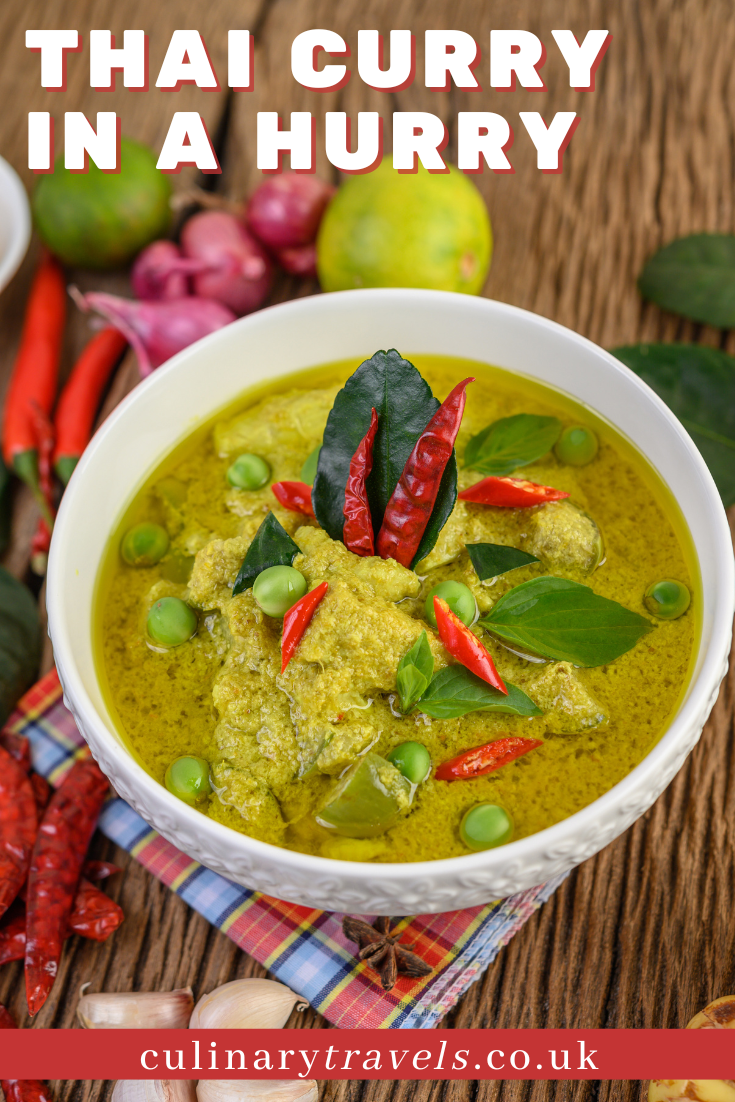
Easy Weeknight Thai Green Chicken Curry
This feature was produced with the support of a commercial partner. Editorial control remains with the author. Some posts on Culinary Travels may contain affiliate links, meaning I may earn a small commission at no extra cost to you. I only recommend places and experiences that align with the values and tone of the site.
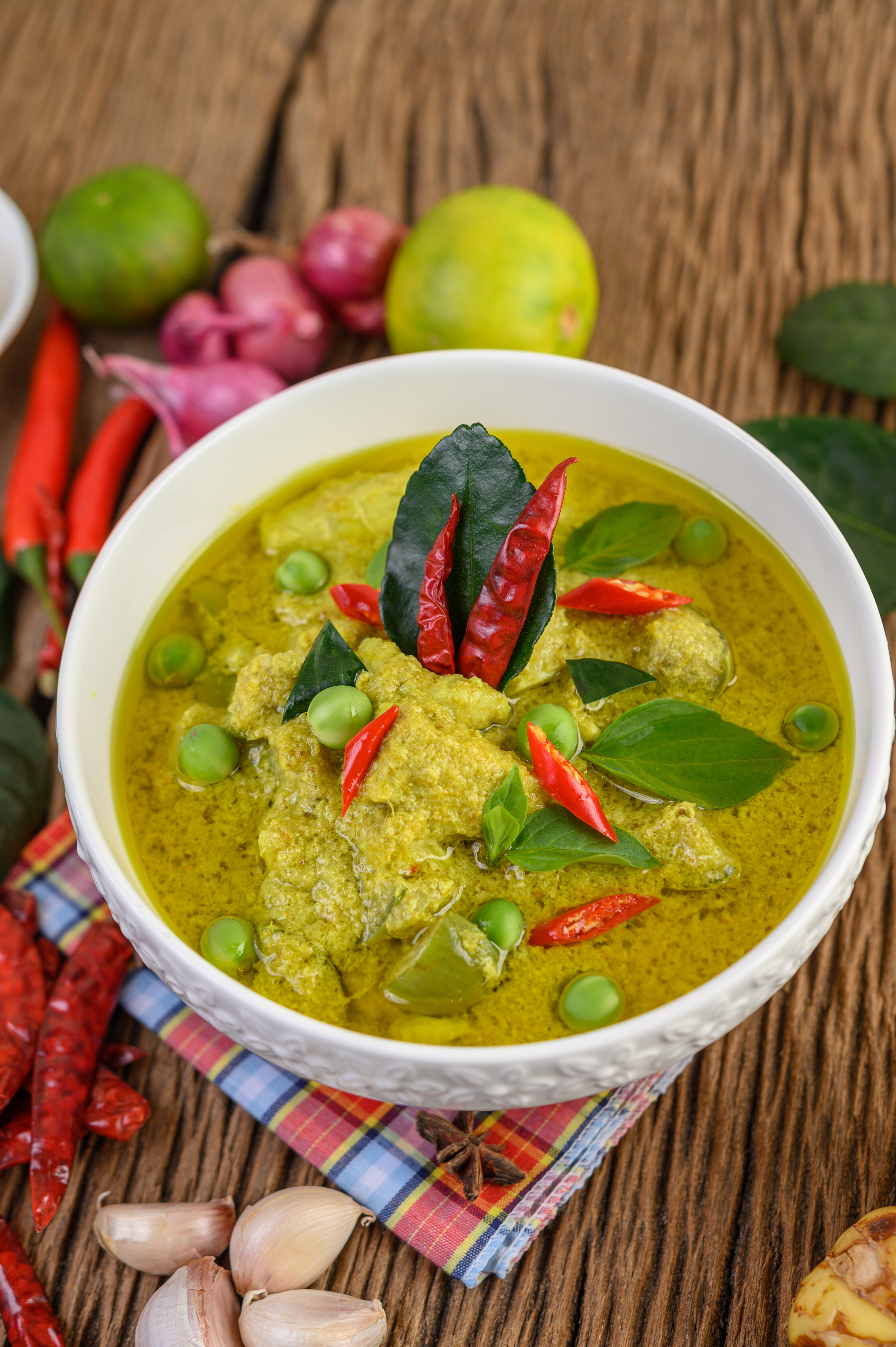
There’s something magical about a curry that comes together in under half an hour yet tastes like it’s been simmering all day. This Thai green chicken curry is vibrant, fragrant, and effortlessly comforting. Creamy coconut milk, punchy green curry paste, and fresh herbs make every bite feel special, while the quick cooking method means it’s perfect for weeknights — when you want a wholesome meal without hours in the kitchen.
Although Thailand is still firmly on my travel bucket list, cooking this curry is my way of tasting it from home. The aroma of lemongrass and lime leaves mingling with coconut milk evokes bustling Bangkok streets in my imagination: the sizzle of green curry paste hitting hot oil, the scent of fresh herbs in the evening air, the playful spark of green chillies balancing the sweetness of coconut.
This recipe is inspired by Nigella Lawson’s Curry in a Hurry from Nigella Express — her words: “This is what to cook when you find out mid-afternoon that you’ve somehow acquired 6 people for dinner that evening.” I’ve adapted it slightly to give it my own twist, making it flexible, full of flavour, and perfectly suited for busy weeknights or budget-friendly cooking.
Why This Curry Works: Layers of Flavour, Freshness, and Weeknight Ease
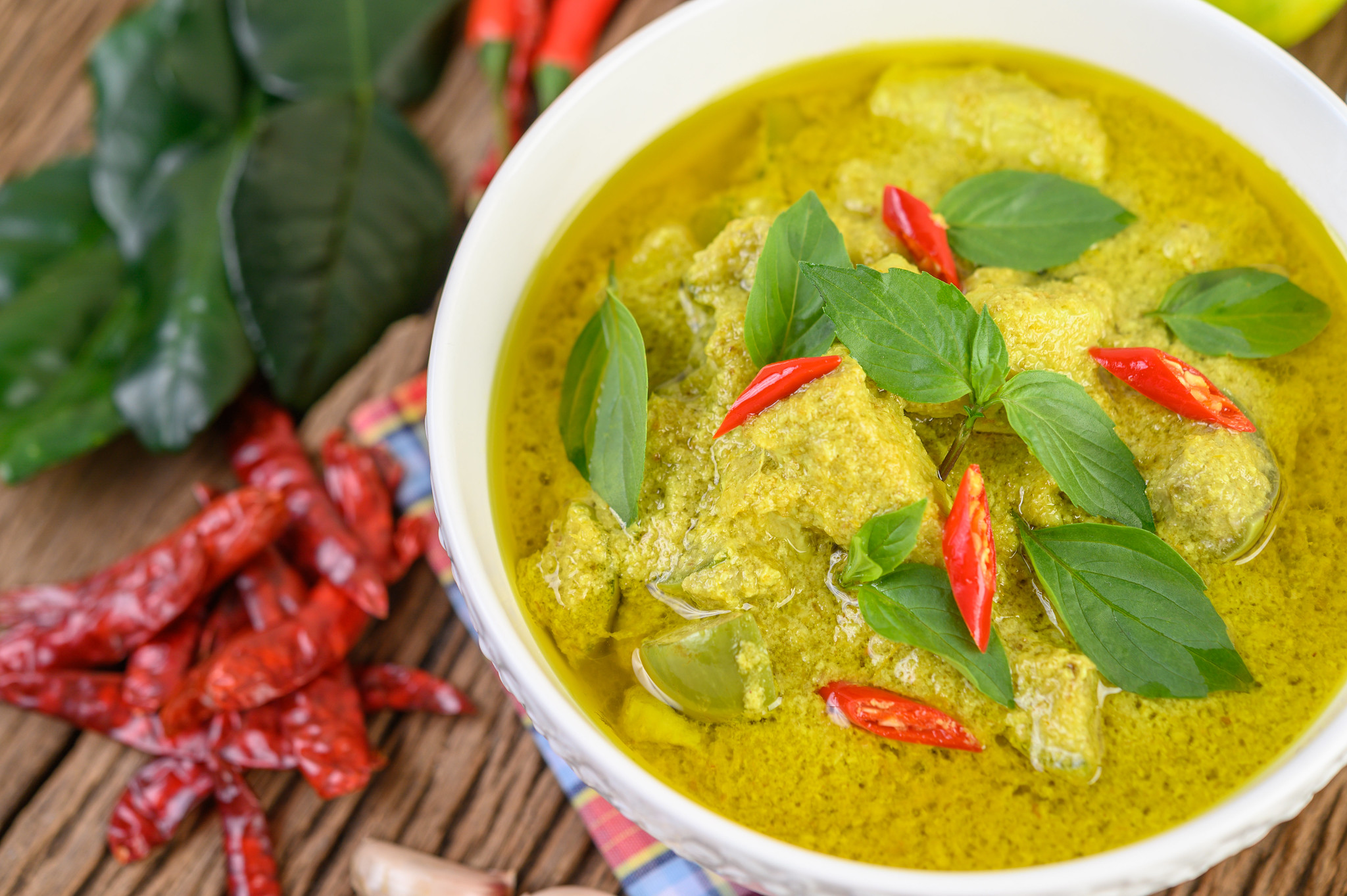
What makes a green curry irresistible isn’t a secret ingredient or complicated technique — it’s the harmony of flavours and the care in how you build them. Aromatics like garlic, ginger, lemongrass, and green chillies release their perfume when gently cooked, while vibrant curry paste and creamy coconut milk envelop each piece of chicken, tofu, or seafood in a silky, fragrant sauce. Fresh herbs added at the very end — coriander and Thai basil — lift the curry, adding brightness, visual appeal, and that unmistakable fresh note that makes every spoonful sing.
Chef’s tip: Treat the paste with patience. Let it sizzle in the hot oil for a few seconds — this unlocks its essential oils and intensifies the aroma. It’s a subtle step, but it makes an ordinary curry feel far more indulgent and layered.
For busy weeknights, this curry is a game-changer: chop, sizzle, simmer, and dinner is ready in under half an hour. There’s no fuss, no long prep, no complicated steps — just a fragrant, comforting meal on the table fast. Its flexibility is equally impressive: leftover roast chicken, yesterday’s roasted vegetables, or a handful of frozen greens can all be transformed into a rich, satisfying curry. Minimal effort, maximum flavour, and a happy balance between wholesome weeknight cooking and a touch of culinary indulgence.
Flexibility and Flavour: Make It Your Own
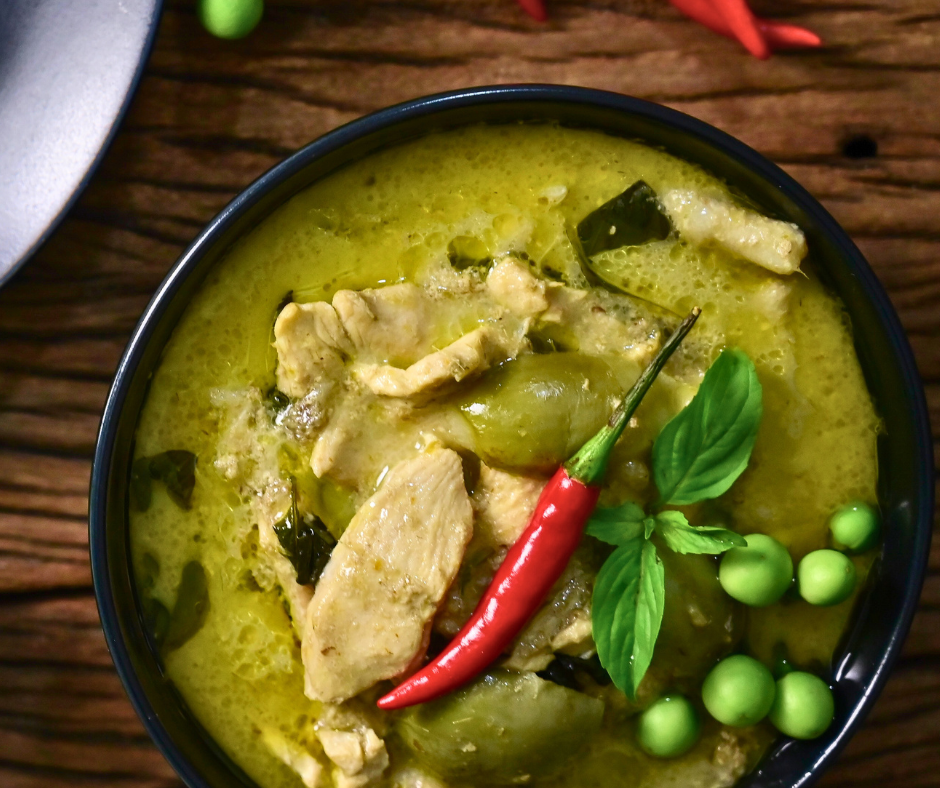
One of the joys of a Thai green curry is how forgiving it is — it adapts effortlessly to whatever you have on hand or whatever dietary choices you need to accommodate. Vegetarian or vegan? Swap the chicken for firm tofu, tempeh, or hearty vegetables like aubergine, broccoli, and bell peppers. Replace the stock and fish sauce with vegetable stock and soy sauce, and the curry remains rich, fragrant, and utterly satisfying.
Seafood lovers can bring a touch of indulgence with prawns, scallops, or firm white fish, added in the final few minutes so they stay tender and perfectly cooked. For a silky, luxurious finish, a drizzle of coconut cream transforms the curry into something effortlessly indulgent without overcomplicating the cooking.
This curry is also a leftover hero. Yesterday’s roast chicken, pork, or roasted vegetables can be turned into a budget-friendly, flavour-packed dinner in minutes. Frozen greens, pantry staples, or seasonal vegetables all work — the sauce carries them, keeping everything vibrant, fragrant, and satisfying. Homemade curry paste takes this even further, letting you adjust heat, salt, and aromatic intensity exactly to your taste.
Ingredient highlights: Fresh Thai basil adds a sweet, anise-like fragrance that cuts through the richness of the coconut milk, while lime leaves lift the sauce, adding brightness and an unmistakable depth that makes every bite sing.

Ingredients That Make It Shine: Small Tweaks, Big Rewards
Sometimes, it’s the little details that transform a curry from good to unforgettable. A squeeze of lime juice, a pinch of palm sugar, or a scattering of freshly chopped coriander adds balance, brightness, and a hint of lift. Toasted cashews or crushed peanuts bring welcome crunch, while finely sliced red chillies or a gentle drizzle of chilli oil can give the dish a controlled spark for adventurous palates.
The oil you choose matters too. Wok oil — a blend of sunflower oil infused with sesame, garlic, and ginger extracts — is designed for high-heat Asian cooking, helping the paste bloom beautifully without burning. It adds subtle aromatic depth, but it’s not essential: any neutral, high-heat oil like sunflower, rapeseed, or light vegetable oil works perfectly. For a finishing flourish, a splash of toasted sesame oil at the end lends that signature fragrance.
Even small swaps in protein or vegetables can dramatically change the character of the dish. Prawns bring a luxurious twist, roasted seasonal vegetables add warmth and depth, and leftover chicken, pork, or turkey turns yesterday’s meals into a vibrant, flavour-packed curry. And at the heart of it all is the curry paste — whether store-bought or homemade, a paste that smells fresh and lively will infuse every ingredient with rich, layered flavour.
Serving Suggestions and Pairings
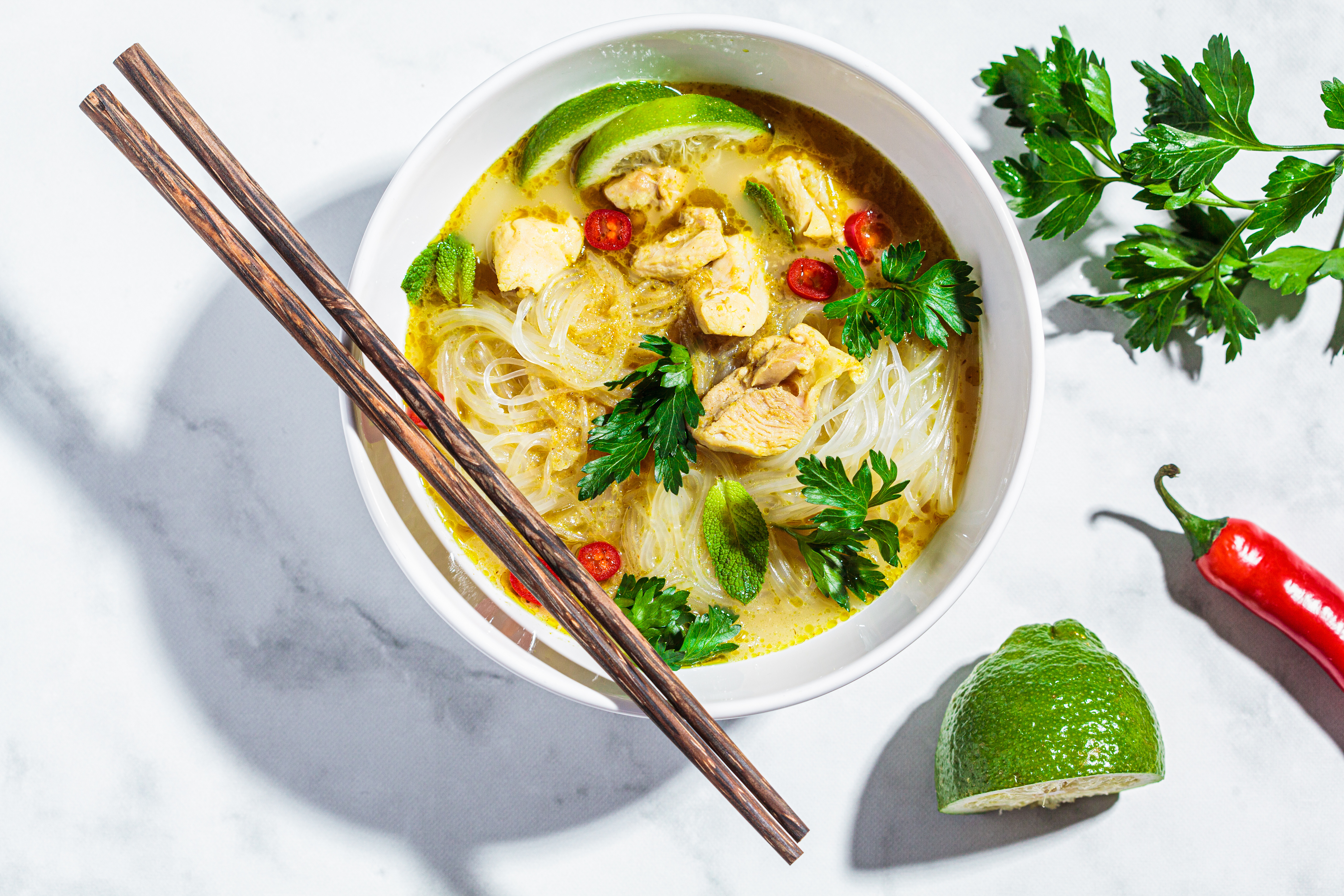
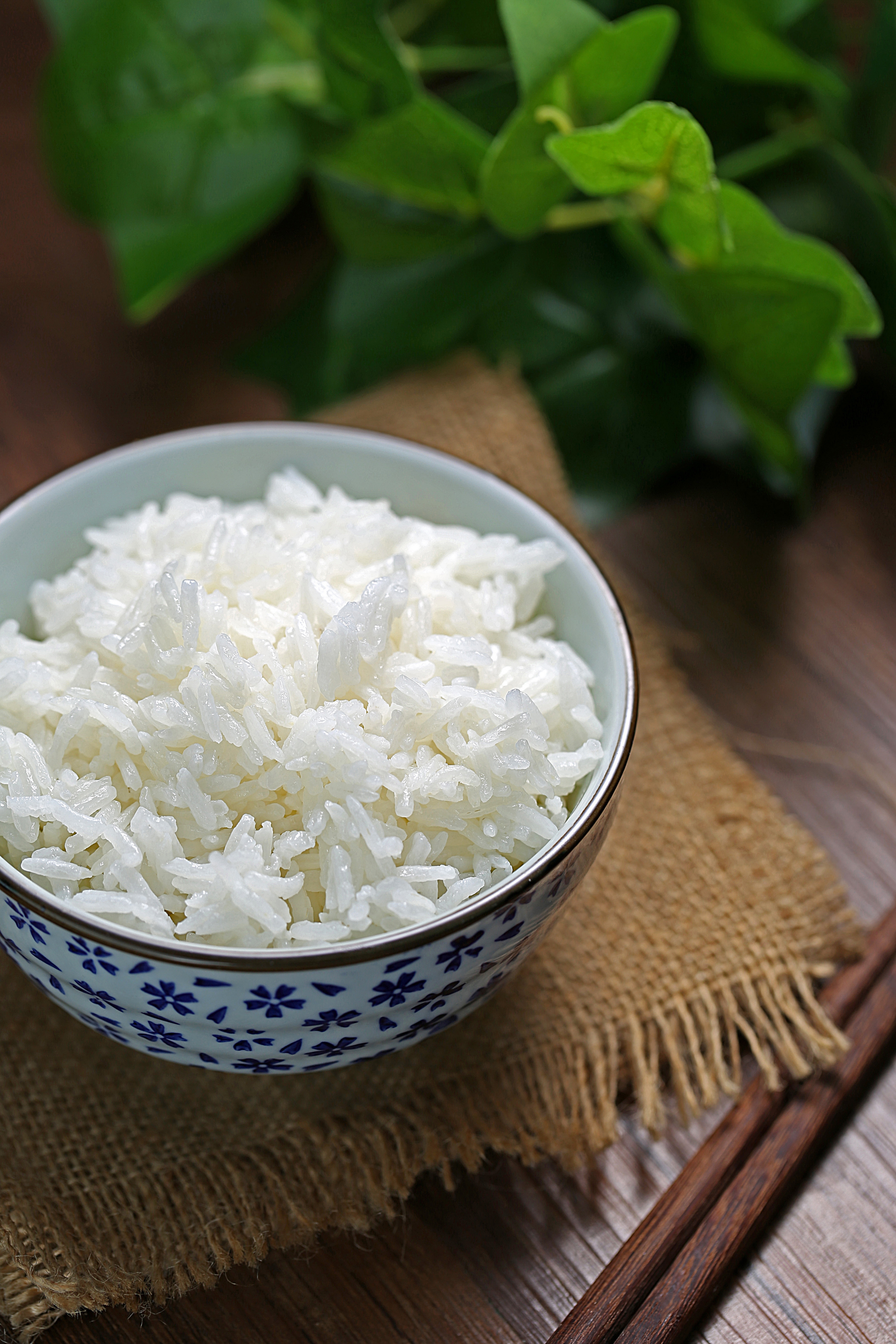
Fluffy coconut rice is the classic partner for this curry, soaking up every drop of the fragrant sauce. For a more casual, hearty approach, toss egg or rice noodles directly into the curry, creating a comforting, almost soup-like bowl that’s perfect for midweek dinners. Feeling adventurous? Serve it over Yangzhou fried rice — the curry sauce clinging to each grain makes for an indulgent, effortless twist, especially if you’ve added leftover vegetables or proteins.
Finish with garnishes that delight both the eyes and the palate: a scattering of fresh coriander, wedges of lime for a burst of brightness, or a handful of toasted cashews or peanuts for crunch. These little details elevate a simple weeknight meal into something that feels thoughtful, special, and restaurant-worthy without adding any extra fuss.
Family-Friendly vs Dinner Party: Tailor the Heat
For family meals, keep the spice gentle and approachable. Cut chicken or tofu into bite-sized pieces and add colourful vegetables for variety and nutrition. Serve with steaming rice or soft noodles and let everyone scoop, stir, and customise their portions — it’s as much about the shared experience as the flavours.
For dinner parties, turn up the aromatics and heat slightly for a more vibrant, layered curry. Present it in shallow bowls, garnished with fresh coriander and Thai basil, wedges of lime, and perhaps a delicate swirl of coconut cream. A scattering of toasted cashews or peanuts adds crunch and visual interest, transforming the curry into a shared feast that is both striking and conversation-worthy.
A travel-inspired thought: sharing a fragrant, colourful curry around the table brings a little of Thailand’s street-side communal dining into your own home — each bite a fleeting taste of bustling markets, lively chatter, and culinary adventure.
Frequently Asked Questions
What can I use instead of wok oil?
Wok oil is a specially blended high-heat cooking oil, usually sunflower-based and infused with sesame, garlic, and ginger, designed to resist burning during stir-fries, noodles, and rice dishes. If you don’t have wok oil on hand, you can use a neutral high-heat oil such as sunflower, grapeseed, or light vegetable oil. For a flavour boost, add a splash of toasted sesame oil at the end of cooking to replicate the aromatic notes of wok oil.
Can I make this curry ahead of time?
Absolutely. Like many Thai curries, the flavours deepen if it sits for a few hours or overnight. You can prep most ingredients in advance — chop vegetables, slice chicken, or even make the paste. When ready, assemble and simmer gently, adding a splash of coconut milk or water if the sauce has thickened too much.
Can I freeze it?
Yes, this curry freezes beautifully. Cool completely, transfer to an airtight container, and reheat gently. Refresh with fresh herbs or a squeeze of lime to revive the vibrant flavours.
How long does it take to cook?
From start to finish, this curry can be ready in about 25–30 minutes. The key is prepping your ingredients first so everything goes into the pan quickly, keeping the flavours bright and fragrant.
How spicy is it?
That depends on your curry paste and any fresh chillies you add. For a milder, family-friendly version, use less paste or remove the seeds from fresh chillies. For dinner-party heat, keep it vibrant and consider an extra slice of chilli or a drizzle of chilli oil.
Can I use other proteins?
Definitely. Chicken works beautifully, but the curry is forgiving — swap in prawns, firm white fish, tofu, tempeh, or leftover roast meats. The sauce carries each protein beautifully, so don’t be afraid to experiment.
Can I make it vegan?
Yes — simply replace chicken with tofu or vegetables, use vegetable stock, and swap fish sauce for soy sauce or tamari. The curry remains rich, fragrant, and satisfying.
What vegetables work best?
Think firm, vibrant vegetables that hold up to a quick simmer: green beans, bell peppers, peas, courgettes, or leftover roasted veg. Seasonal vegetables add freshness, colour, and texture to the curry.
Can I make my own green curry paste?
Definitely. Homemade paste lets you control heat, aroma, and saltiness. A simple version combines green chillies, garlic, shallots, lemongrass, galangal or ginger, lime zest, coriander roots or stems, and a little shrimp paste if not vegan. Blitz it together for a flavour powerhouse that elevates the dish.
Can I adjust the thickness of the sauce?
Yes — for a richer, creamier curry, use more coconut milk or a splash of coconut cream at the end. If you prefer it saucier, add a little stock or water while simmering.
How do I serve it?
Fluffy coconut rice is classic, but noodles tossed into the curry, Yangzhou fried rice, or steamed jasmine rice all work beautifully. Garnish with fresh herbs, lime wedges, or toasted nuts to elevate presentation. A drizzle of coconut cream makes it instantly photogenic — like something you might stumble upon in a Bangkok street kitchen.
How do I store leftovers?
Keep in an airtight container in the fridge for up to 3 days. Reheat gently and refresh with lime and a handful of fresh herbs before serving.
How do I balance flavours if improvising?
Curry is forgiving. If using leftover veggies, different proteins, or a mix of coconut milk and stock, taste as you go. Add more lime for acidity, a pinch of sugar for sweetness, extra fish sauce or soy for umami. Layer flavours gradually rather than trying to fix everything at the end.

Note: Originally published October 2007; updated December 2025.
✨ Stay Connected with Culinary Travels ✨
Loved this post? 🍴 Don’t let the conversation end here! Join me for behind-the-scenes kitchen moments, foodie adventures, and plenty of inspiration:
👉 Facebook | Instagram | Pinterest
💌 Got thoughts, questions, or your own foodie stories to share? I’d love to hear from you — just drop me a note through my contact form.
📬 Hungry for more?
Subscribe to my newsletter for exclusive recipes, travel tips, and behind-the-scenes foodie fun: Sign up here
🌍 Sharing is caring! If this post made you hungry for more, please pass it along. Every share helps this little corner of the internet grow, and I’m so grateful for your support. ❤️


.png)
©2026 Culinary Travels. Culinary Travels is written and edited by Georgina Ingham | Website designed by The Smarter Web Company
What Our Followers Say
"Oh yum!!! I could eat one or two right now!"
Sami Tamimi
"Georgina was great to work with, quick to respond, and is an excellent content writer - would highly recommend collaborating with her!"
Nick S, Get Blogged
Our list of things to do in Cork has just expanded hugely thanks to Culinary Travels.
Triskel Art Centre Cork