
Articles


Elizabeth David Changed British Cooking — But Not Always for the Better
DISPATCH
Elizabeth David transformed the way Britain cooked, ate and wrote about food. But in teaching us to dream of olive oil, garlic and Mediterranean markets, did she also make us undervalue what was already on our own doorstep?
Some articles on Culinary Travels may contain affiliate links, meaning I may earn a small commission at no extra cost to you. I only recommend places, experiences and products that fit the editorial tone and standards of the site.
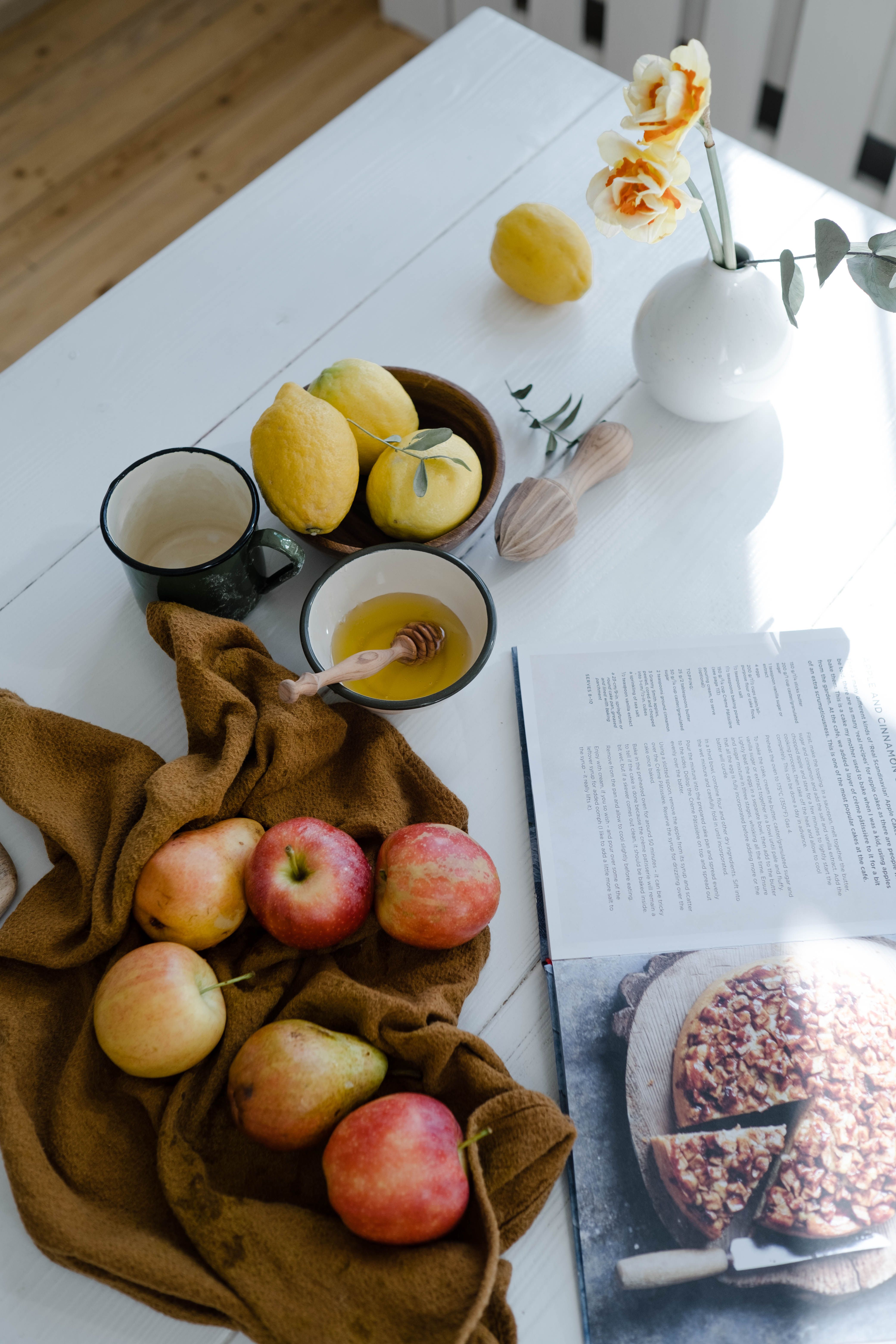
Photograph: Ron Lach (Pexels)
Elizabeth David did not simply give post-war Britain recipes. She gave it an escape route.
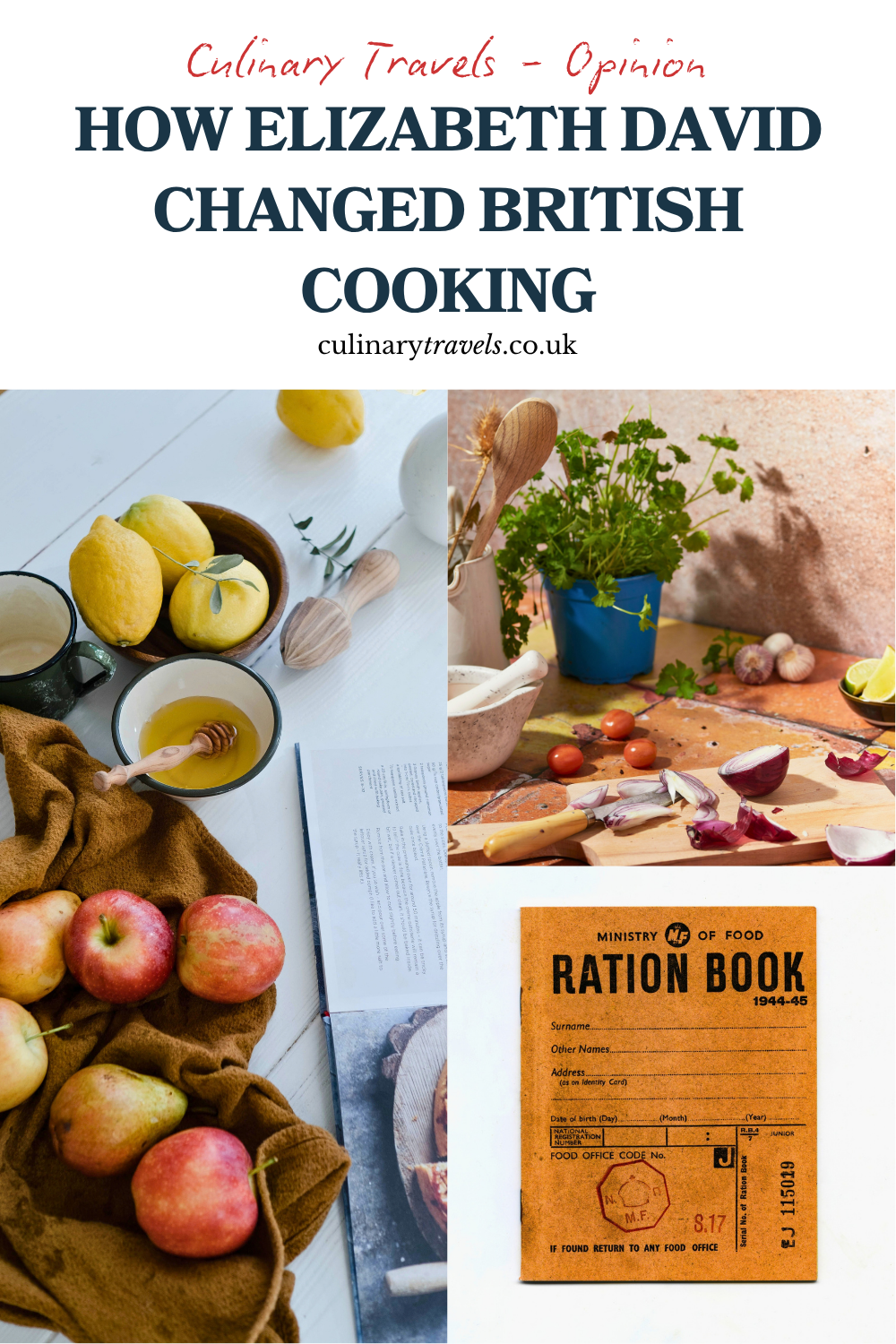
After years spent travelling — including sailing around the Mediterranean with a married lover — Elizabeth David returned to London in 1946 with memories of markets, herbs, garlic and food that must have seemed almost indecently vivid beside ration-book Britain.
More importantly, she changed the way food could be written about.
When Harper’s Bazaar editor Anne Scott-James began publishing her work in 1949, David wrote beyond strict gastronomy into history, emotion and place. In her hands, food writing escaped the dark, didactic corners of domestic science and home economics lessons. It could be evocative. Sensual, even.
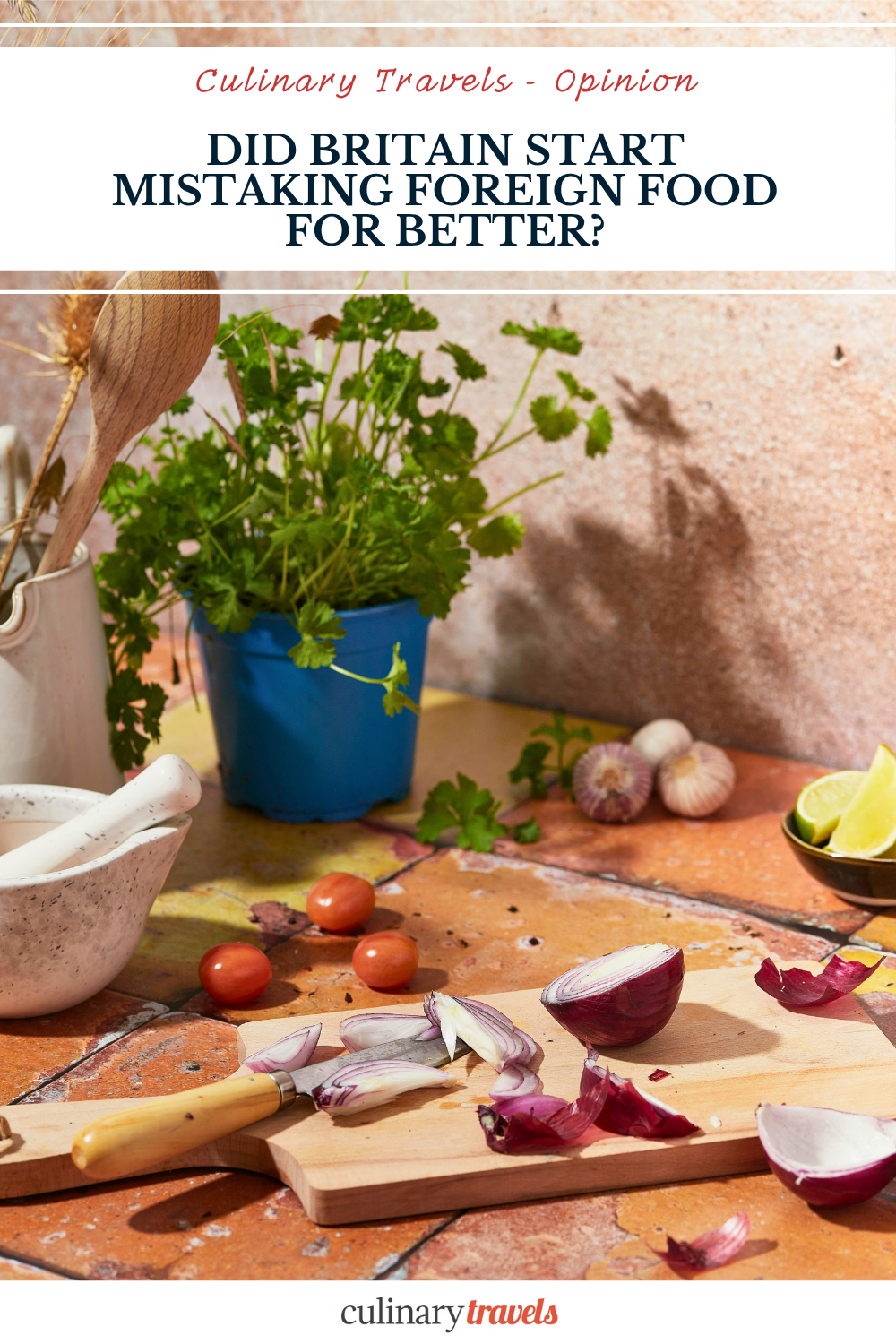
But did we start mistaking foreign for better?
David made olive oil, garlic, figs and continental cheeses sound sophisticated, sunlit and desirable. She made food feel like travel before most readers had even packed a suitcase.
I can still remember buying olive oil at the chemist with my gran in the 1980s. Back then, in my world at least, it came from the chemist rather than the weekly grocery shop.
But this is where I start to quarrel with the cult of Elizabeth David.
Once Mediterranean food became shorthand for good taste, British food began to look like the poor relation. Apples, cabbage, Stilton, proper bread: all perfectly good, yet somehow terribly dowdy beside olive oil, figs and sunshine.
Did David help give Britain a culinary inferiority complex?
Admire the olive oil. Keep the apple.
David later wrote magnificently about British food too, particularly in English Bread and Yeast Cookery. But by then the spell had been cast.
She was not solely responsible for Britain looking south for sophistication. Of course she wasn’t. But her influence was enormous.
She changed what Britain wanted to eat, and helped turn food writing from instruction into culture, geography, memory and desire.
That deserves admiration.
But perhaps not worship.
Stay in Touch
Culinary Travels publishes destination guides, seasonal recipes, and food-led travel features from the UK and beyond.
Follow for new articles and updated travel resources:
Instagram | X | Facebook | Pinterest
Newsletter
Receive new guides, recipes, and occasional travel planning notes by email: Subscribe here
Reader feedback and local recommendations are always welcome via the contact page.
©2026 Culinary Travels. Culinary Travels is written and edited by Georgina Ingham | Website designed by The Smarter Web Company
What Our Followers Say
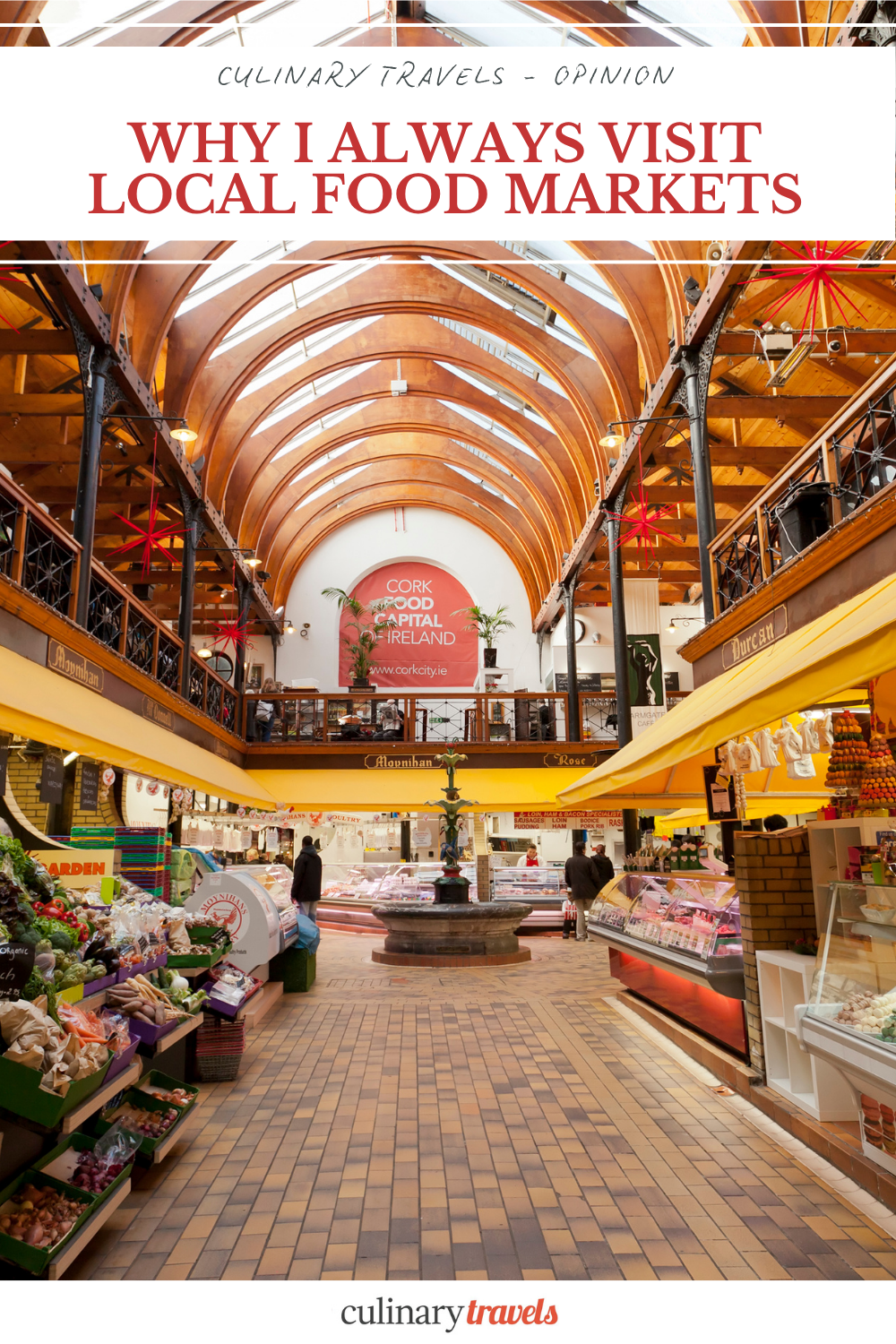
"A highly complimentary article ... showcasing why the English Market remains one of Ireland's premier food destinations"
Cork City Council via Facebook
"Our list of things to do in Cork has just expanded hugely thanks to Culinary Travels."
Triskel Art Centre Cork, via Twitter
“Tried this last night and it was delicious!”
Reader feedback via Pinterest, Yangzhou Fried Rice Recipe
"Oh yum!!! I could eat one or two right now!"
Sami Tamimi, via Instagram, on Ma’amoul Cookies
"Georgina was great to work with, quick to respond, and is a excellent content writer - would highly recommend"
Nick S - Get Blogged
“A simple no-knead dough transformed into beautiful, rustic rolls.”
Reader feedback via Pinterest, No-Knead Ciabatta Rolls Recipe