
Articles


What to Eat in Murcia: Local Dishes, Tapas Bars and Where to Try Them
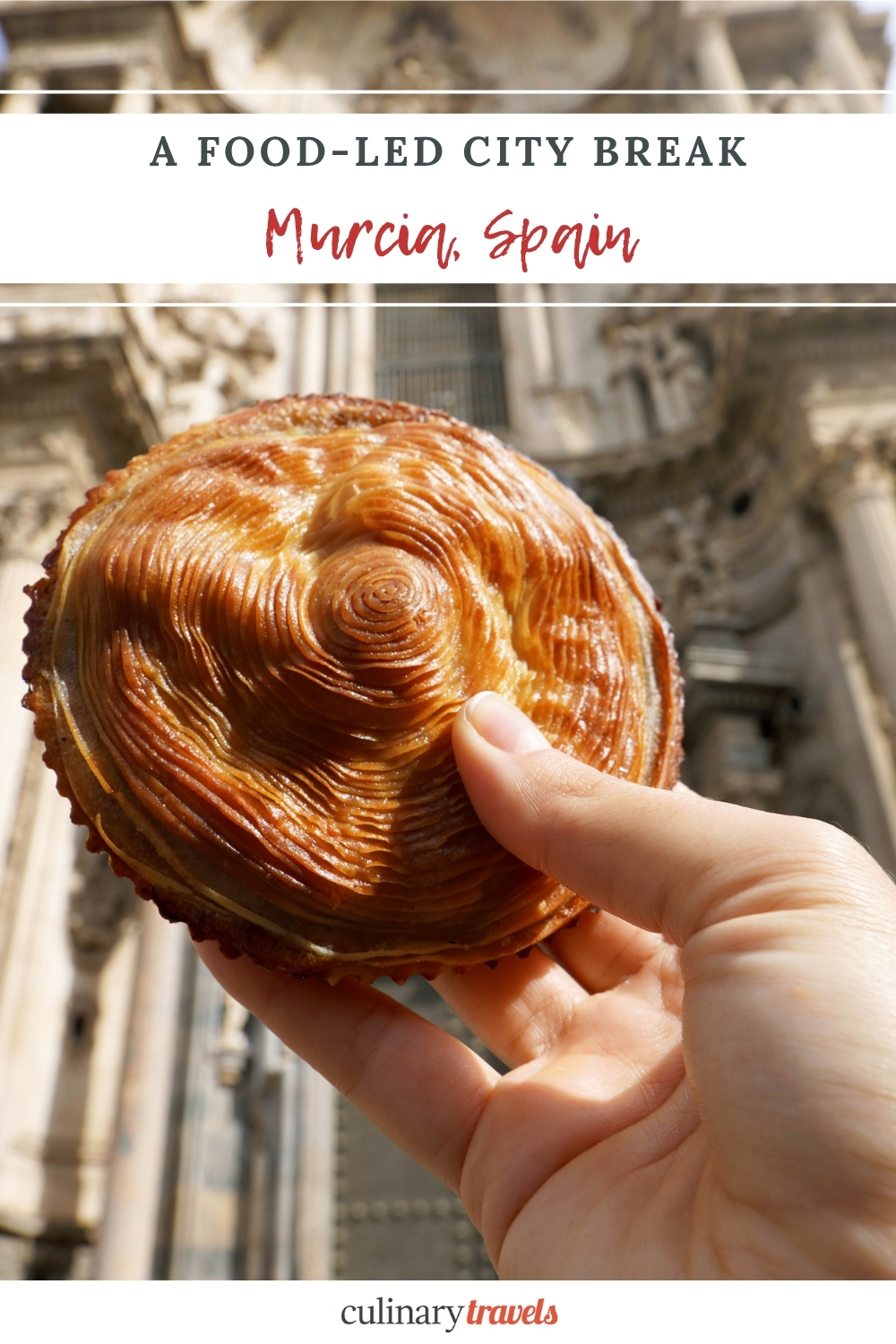
San Sebastián and Seville may be better known for tapas, but Murcia has its own quieter claim to the table. In this often-overlooked south-eastern city, small plates, rice dishes, market vegetables and seafood are shaped by an unusually generous geography: the huerta on one side, the Mediterranean on the other.
For food travellers, that combination is exactly why Murcia deserves more attention. This is not a city that performs for visitors in the way Spain’s more familiar food destinations sometimes do. Its best meals are often found in busy bars, traditional bodegas, family-run restaurants and long lunches that unfold without hurry.
Some articles on Culinary Travels may contain affiliate links, meaning I may earn a small commission at no extra cost to you. I only recommend products, places and experiences that fit the editorial tone and standards of the site.
Murcia’s food is rooted in place. There are crisp marineras topped with anchovy, richly savoury pastel de carne, vegetable-led dishes such as zarangollo, coastal rice cooked with fish stock and ñoras, and the unmistakable sweetness of paparajotes, fried lemon leaves scented with cinnamon and sugar.
The city’s official tourism board describes Murcia’s gastronomy as one of its great attractions, built around a rich and varied larder of vegetables, fish, rice and meat. Spain’s national tourism site also frames the wider region as “Europe’s Orchard”, which is exactly the context that makes its food so distinctive. For a fuller trip built around the city’s food, markets and historic centre, see the full guide to spending 3 days in Murcia.
To many visitors, Murcia is still almost unknown. For those who travel by appetite, that is part of the appeal.
Photograph: Joanna Hall (Unsplash)
A Cuisine Rooted in the Huerta
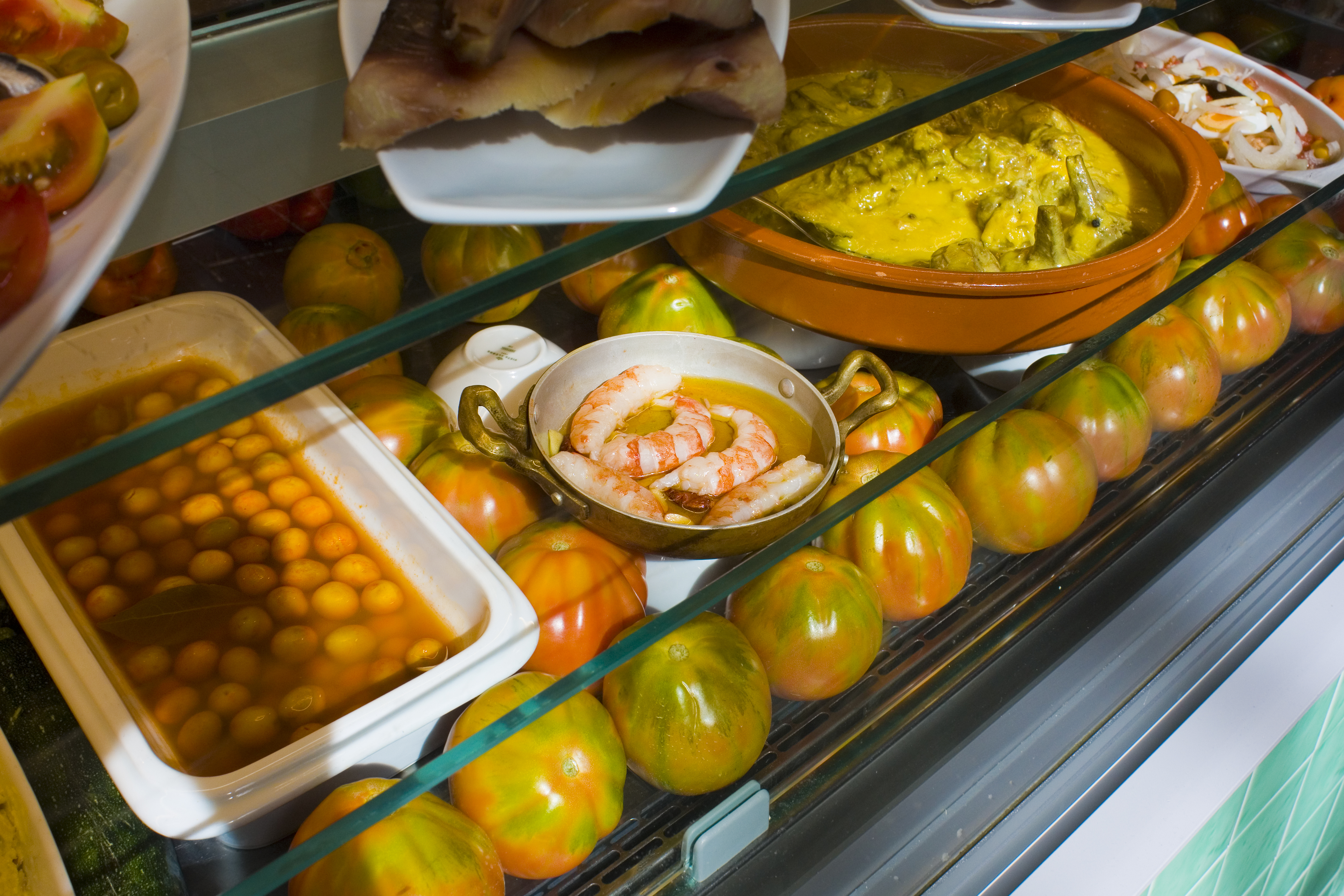
The huerta is more than a landscape. It is the backbone of Murcia’s identity, a network of orchards, irrigation channels and market gardens that still shapes how the city eats. Murcia Tourism describes the market garden as something without which the city “cannot be understood”, and its influence is clear in the abundance of artichokes, tomatoes, peppers, courgettes, citrus and leafy greens that appear across local menus.
This is cooking that favours clarity over complexity. Olive oil, salt and careful timing do most of the work. Dishes arrive without unnecessary flourish, but with a depth of flavour that comes from the quality of what goes into them.
That restraint is part of Murcia’s charm. The food does not shout for attention. It lets vegetables taste like vegetables, seafood taste like the coast, and rice absorb the flavour of the stock it is cooked in. In a region known as “Europe’s Orchard”, overworking ingredients this good would almost feel beside the point.
Photograph: Lindasky76 (Shutterstock)
Eating here follows its own rhythm too. Lunch is the main event, stretching comfortably into the afternoon, while dinner begins later and unfolds more gradually. It is worth adjusting to that pace. Murcia rewards those who slow down.
For a fuller trip built around the city’s food, markets and historic centre, see the full guide to spending 3 days in Murcia. If you are still deciding where to base yourself, the guide to where to stay in Murcia breaks down the best areas for a short, food-led city break.
What to Eat in Murcia
Murcia’s traditional dishes tell the story of the region clearly: the market gardens of the huerta, the rice and fish of the coast, older Mediterranean and Moorish influences that linger in sweets and spices, and the everyday tapas culture that gives the city much of its character.
Some dishes are best eaten standing at a bar with a cold beer. Others belong to a longer lunch, ordered slowly and shared across the table. The pleasure is in the variety: crisp, salty bites; soft vegetable dishes; rich rice; flaky pastry; and desserts scented with citrus and cinnamon.
The following dishes are the ones to look for first.
Photograph: Georgina Ingham (Culinary Travels)
Rice and Seafood
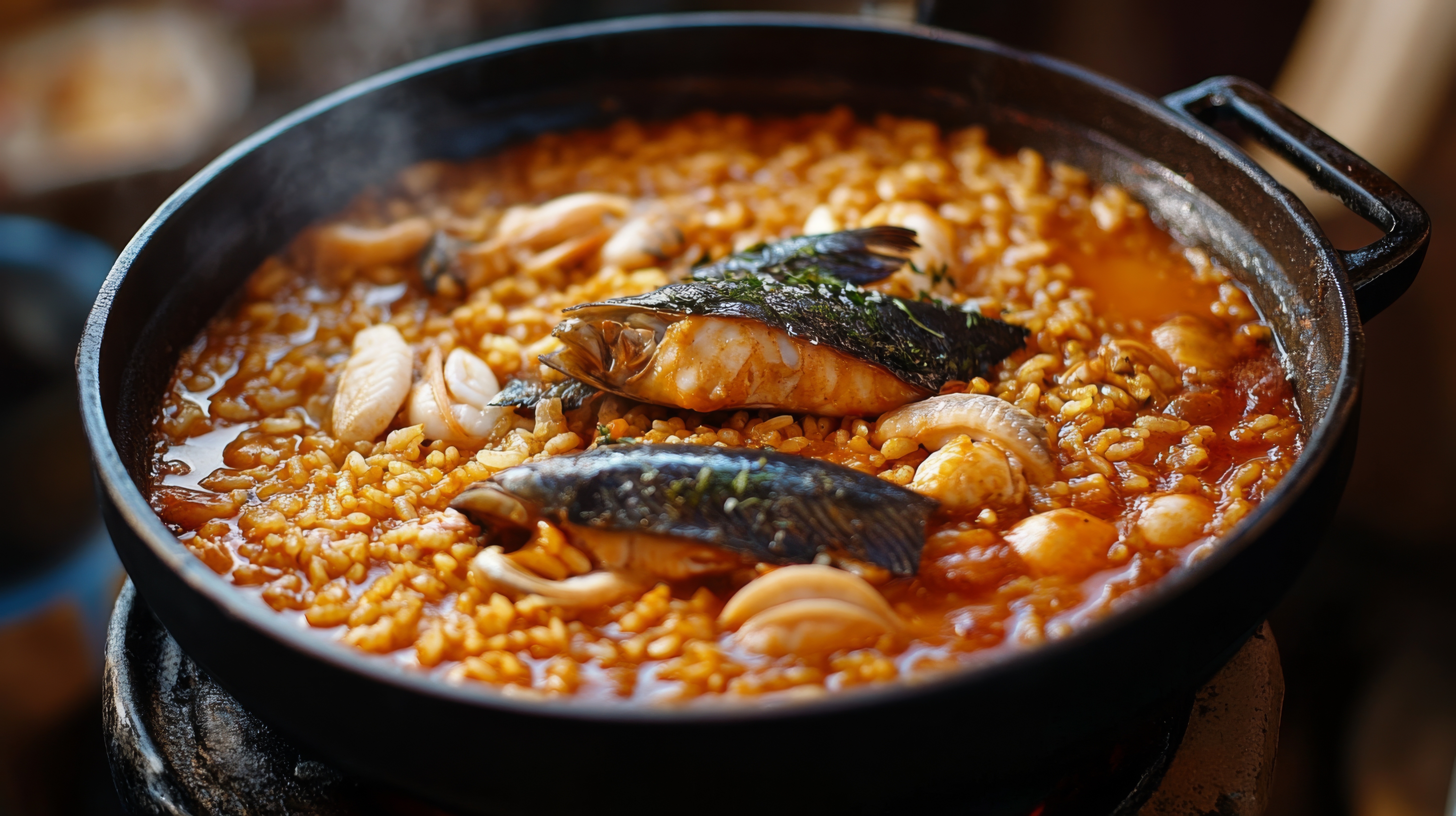
Few dishes capture the wider Murcia region better than arroz al caldero. Closely associated with the Mar Menor and the coast, this is not a delicate rice dish so much as a deeply savoury one, built around fish stock, garlic and ñoras, the small dried peppers that give the dish its warmth, colour and depth.
The rice absorbs the flavour of the stock before being served with fish and often a spoonful of alioli. It is the kind of dish that makes most sense near the coast, where the ingredients feel closest to their source and lunch can stretch lazily into the afternoon.
Photograph: DoDo Pixel (Adobe Stock)
Seafood more broadly plays a quiet but important role in Murcia’s kitchens. Grilled fish, octopus, shellfish and salted fish tend to be prepared with restraint, allowing freshness to carry the dish rather than heavy sauces or unnecessary decoration. It is a style of cooking that suits the region well: direct, generous and confident enough not to overcomplicate things.
If you are staying in Murcia city, rice dishes and seafood are still easy to find, though it is worth remembering that some of the region’s most memorable coastal eating sits beyond the city itself. Cartagena, the Mar Menor and the surrounding coastline all add another layer to Murcia’s food story. For route ideas beyond the city, see the guide to day trips from Murcia.
Small Plates and Tapas
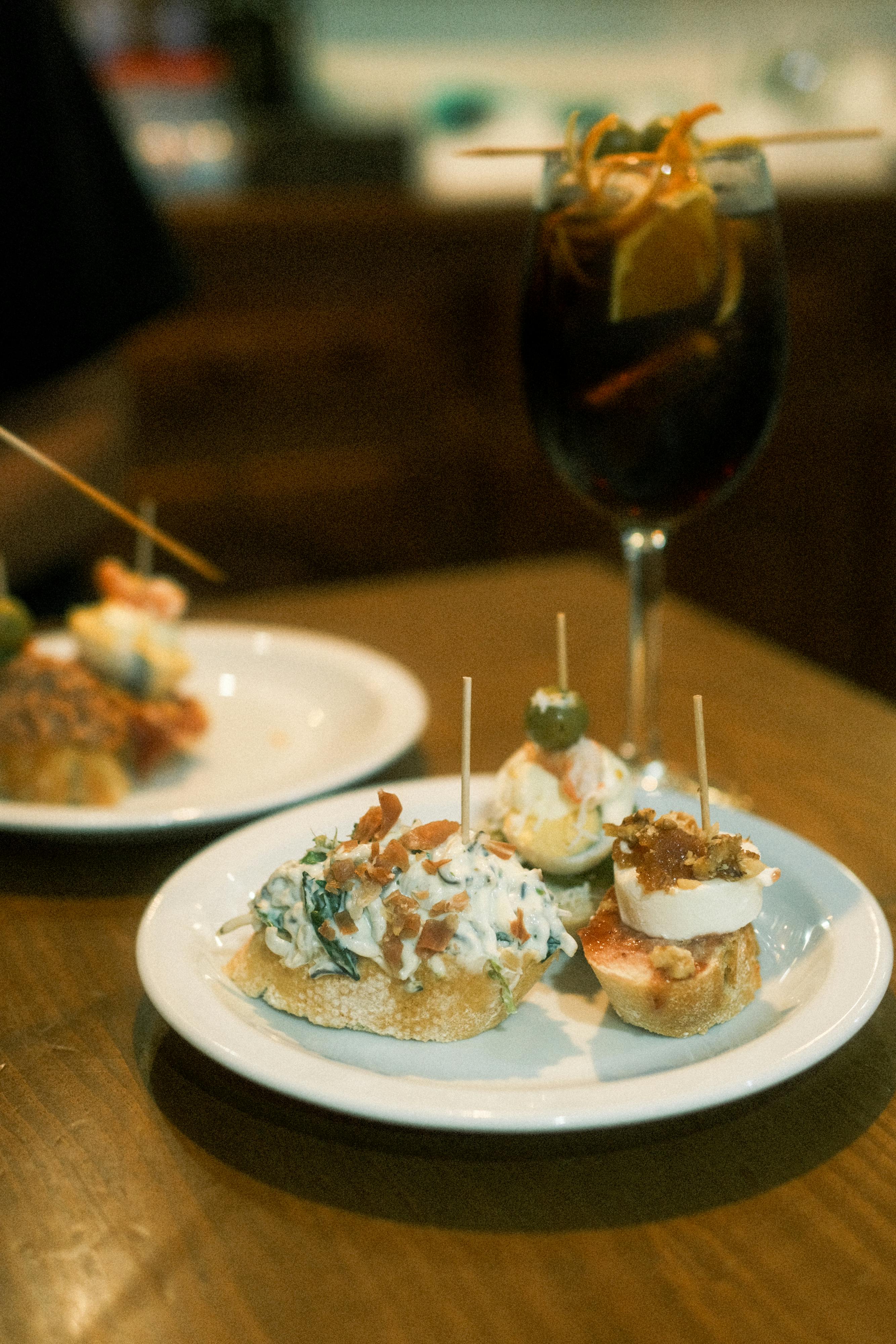
Tapas in Murcia are less about reinvention and more about familiarity done well. The city’s best small plates tend to be crisp, salty, creamy, sharp or gently rich, often in the space of just a few bites.
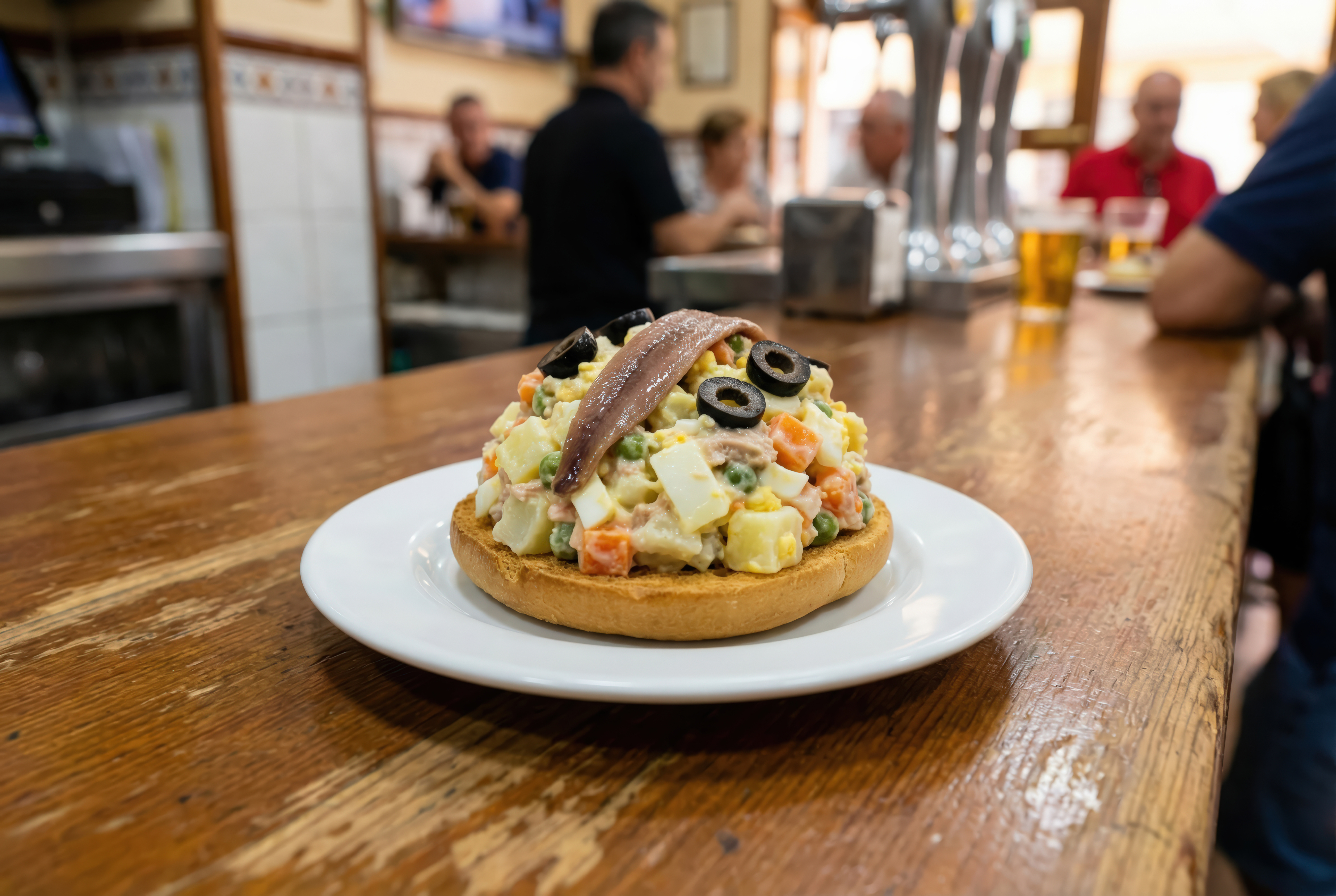
The marinera is the tapa to look for first. A crisp breadstick-style base is topped with ensaladilla rusa and finished with a single anchovy, bringing together crunch, creaminess and salt in a way that feels simple until you realise how easily one becomes two. If the same base is served without the anchovy, it is often known as a bicicleta; with boquerón instead, you may see it called a marinero.
Ensalada murciana, also known as moje murciano, is another staple. Made with tomato, tuna, boiled egg, olives and onion, it has the kind of pantry-led clarity that suits warm days and long lunches. It is not showy, but it is exactly the sort of dish that explains Murcia’s food culture better than anything fussy could.
Photograph: Iombi (Adobe Stock)
Ordering tapas here is often gradual rather than fixed. A plate or two arrives, followed by another, then perhaps something suggested by the kitchen or spotted on a neighbouring table. The meal builds naturally, shaped as much by conversation as appetite.
A cold Estrella de Levante, Murcia’s local beer, is the classic easy companion to this kind of eating. There are local wines worth looking out for too, particularly from Jumilla, Bullas and Yecla, but for a simple tapas stop, beer and a few well-chosen plates will rarely feel wrong.
Vegetable-Led Dishes
The strength of Murcia’s produce comes through most clearly in its vegetable dishes. This is where the huerta becomes tangible, not as an abstract landscape but as something you can taste.
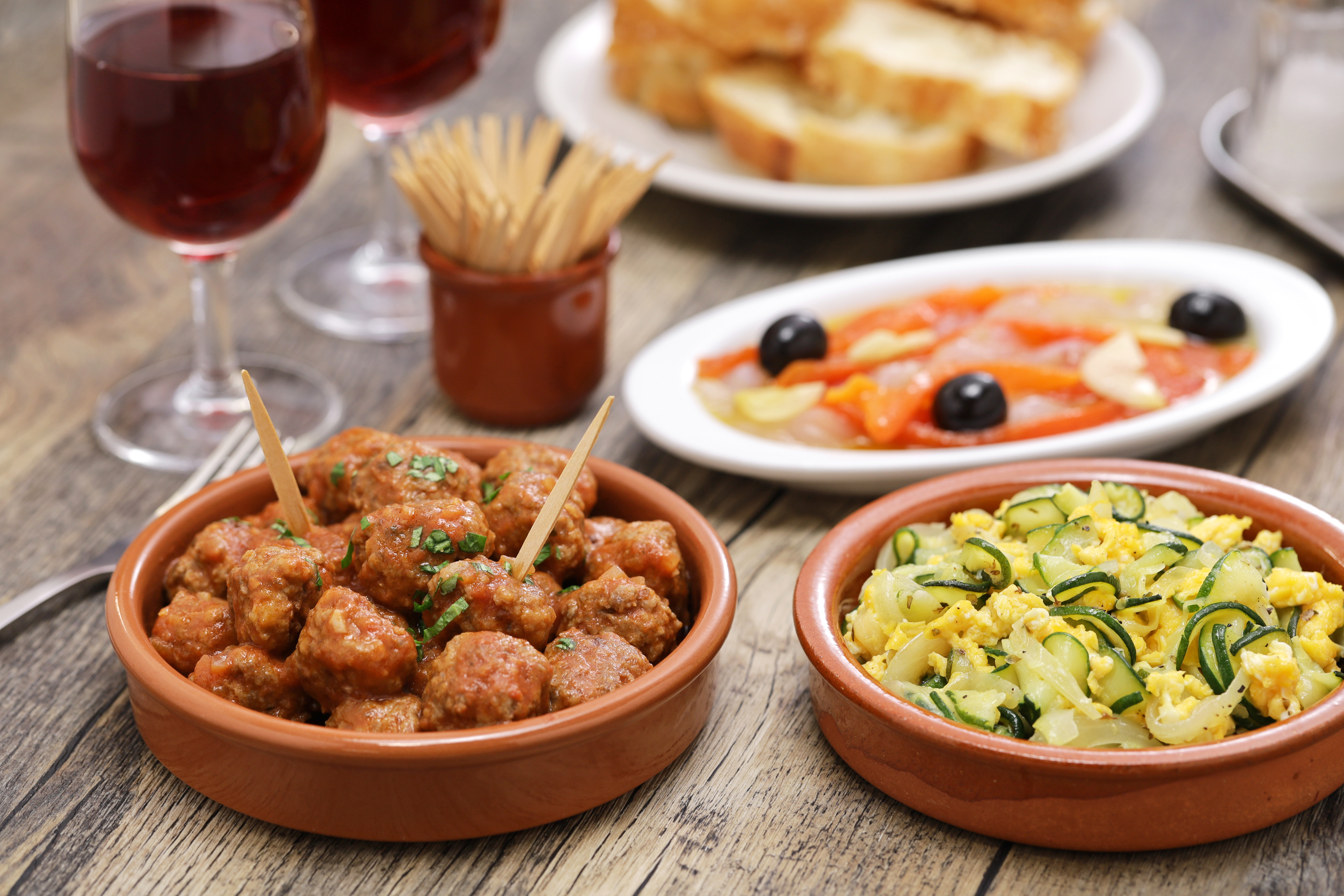
Zarangollo is one of the region’s most quietly expressive dishes. Usually made with courgette, onion and egg, it is soft, savoury and deeply tied to home-style cooking. Like many of Murcia’s best dishes, it does not rely on elaborate technique. Its appeal comes from good ingredients cooked patiently enough to let them become themselves.
Artichokes are also worth seeking out, especially when they appear simply grilled, braised or lightly fried. Regional food references also point to homely preparations such as alcachofas de la abuela, the sort of grandmotherly, traditional dish that suits Murcia’s vegetable-led cooking especially well. Peppers, tomatoes, aubergines and leafy greens also appear frequently, often dressed with little more than olive oil and salt.
These dishes are easy to underestimate if you arrive looking only for seafood, rice or tapas. But Murcia’s vegetable cooking is one of the clearest expressions of the region. What you see in the market in the morning often finds its way onto the table by lunchtime.
Photograph: Uckyo (Adobe Stock)
Meat and Traditional Specialities
While vegetables, rice and seafood shape much of Murcia’s food identity, the region has its richer, more indulgent side too.
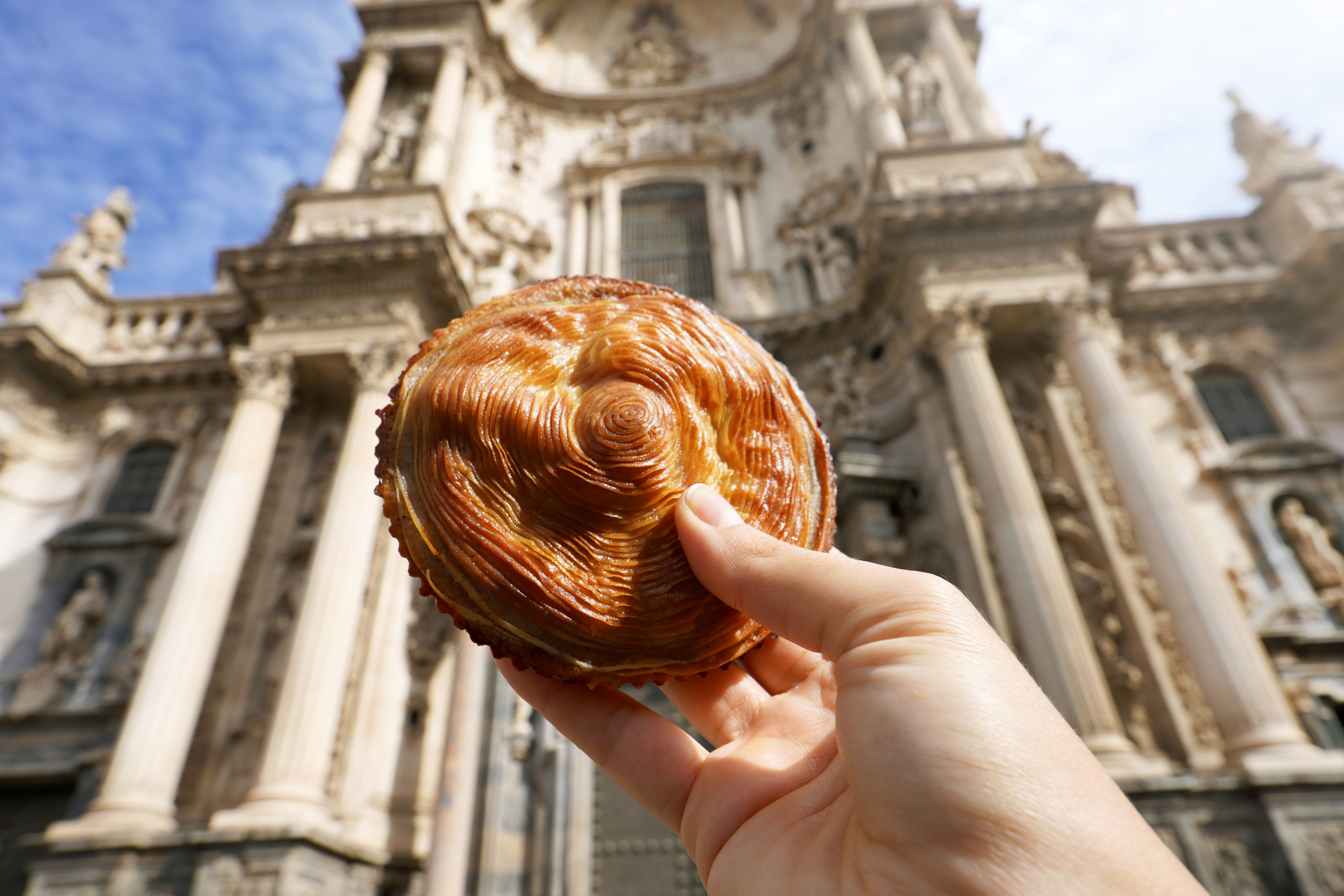
Pastel de carne is one of the city’s most distinctive specialities. A savoury meat pie wrapped in delicate, flaky pastry, it is often filled with meat, chorizo, hard-boiled egg and spices, then eaten as a snack or light meal rather than treated as a formal restaurant dish. The pastry is part of the pleasure: crisp, layered and decorative, giving way to a filling that feels hearty without being heavy.
Photograph: Sergiomonti (Dreamstime)
Michirones belong to a more rustic tradition. This broad bean stew, often made with pork, chorizo or ham, is the sort of dish that makes sense in a tavern, especially when the weather is cooler or the meal is moving at a slower pace. It is filling, old-fashioned and firmly local.
You may also come across meatier tapas, fried fish bites such as cazo, croquettes, sausages and other traditional bar snacks. Murcia’s food culture is not neatly divided into categories; the same meal might move from a marinera to artichokes, from fried hake to a spoonful of stew, depending on where you are and what looks good that day.
Sweets and Desserts
Murcia’s desserts tend to be fragrant rather than heavy, with citrus, cinnamon and almonds appearing often.
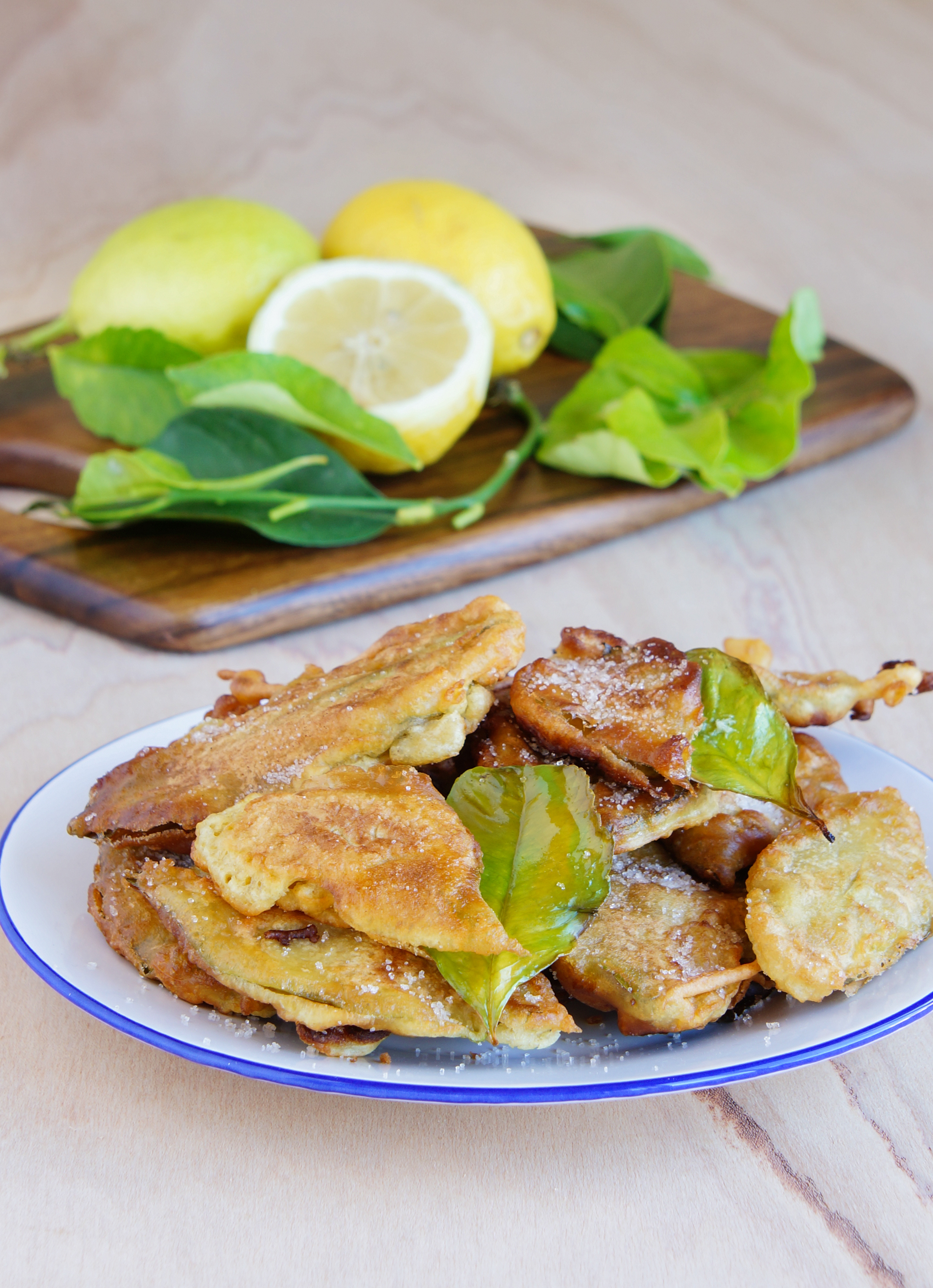
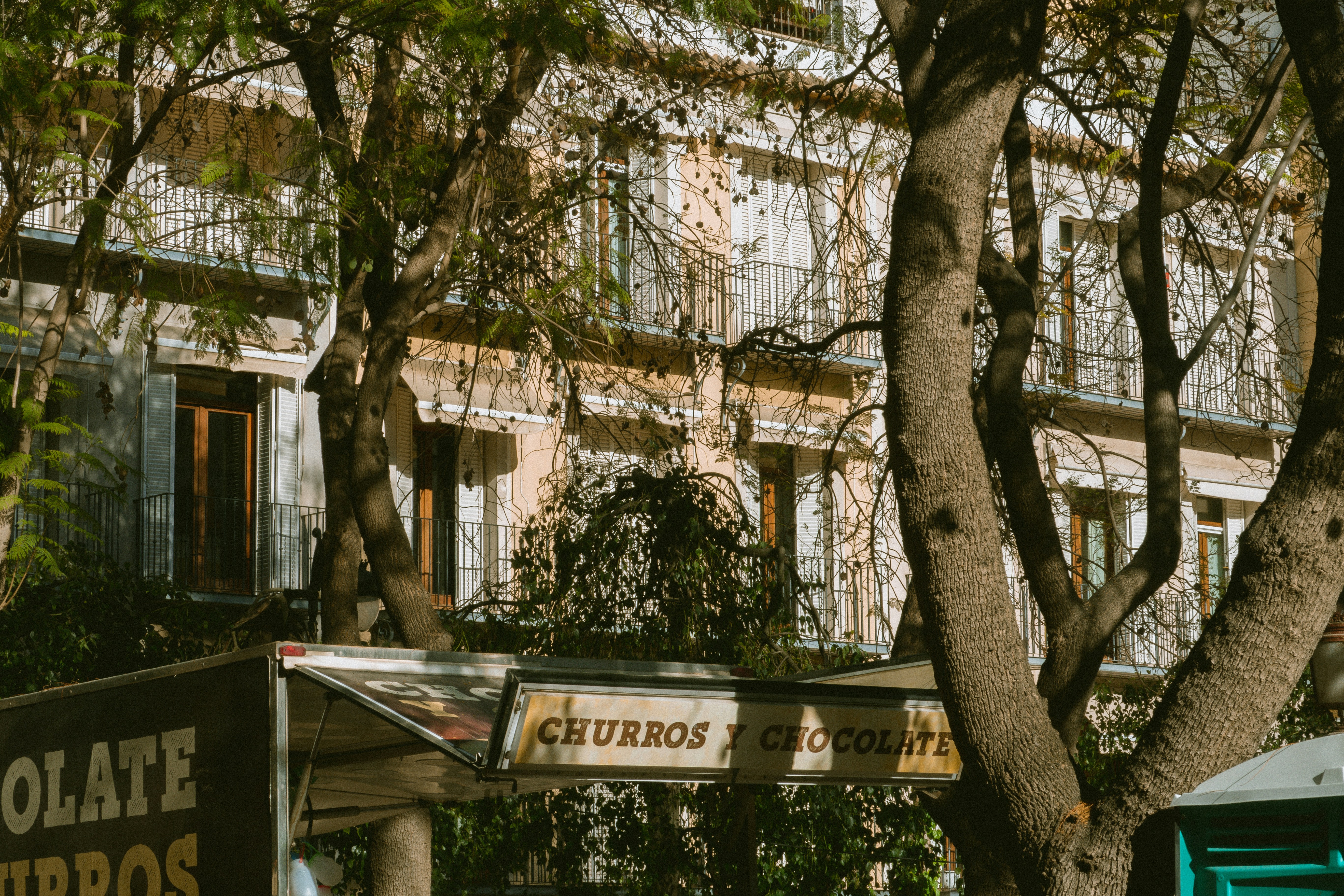
Paparajotes are the sweet bite most visitors remember. Lemon leaves are coated in batter, fried, then finished with sugar and cinnamon. The leaf itself is not eaten; it is there to perfume the batter with a subtle citrus aroma. It is a small detail, but a memorable one, and very typical of Murcia’s ability to turn simple ingredients into something distinctive.
Photograph: Shustrilka (Adobe Stock)
Almond-based sweets such as almendrados also appear frequently, drawing on local ingredients and the region’s layered culinary influences. As with much of Murcia’s food, the best versions are not necessarily elaborate. They are sweet, aromatic and rooted in the produce around them.
For dessert, coffee or a late-afternoon pause, it is worth looking beyond restaurant menus. Bakeries, traditional cafés and pastry shops can be just as important to understanding Murcia’s food culture as formal dining rooms. Some of my strongest food memories from Murcia are not from elaborate meals at all, but from passing small bakeries and catching the scent of warm pastry, sugar and citrus drifting into the street.
Where to Eat Like a Local in Murcia
Murcia is a city where the setting matters almost as much as the dish. Some of the best meals are not built around a reservation or a tasting menu, but around choosing the right kind of place at the right time of day: a busy tapas bar before lunch, a bodega with a few plates to share, a traditional restaurant for rice, or a smarter dining room for a more polished expression of regional cooking.
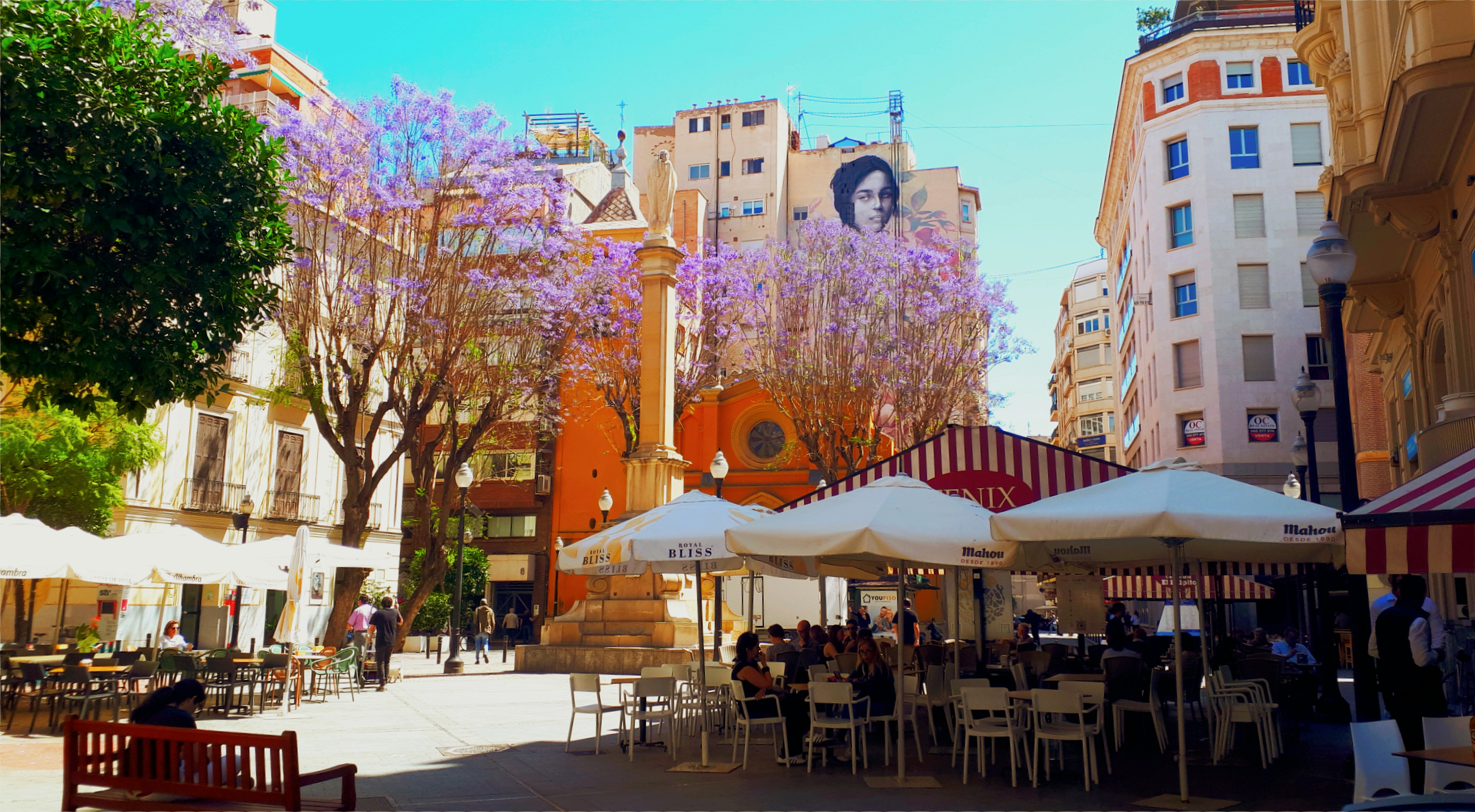
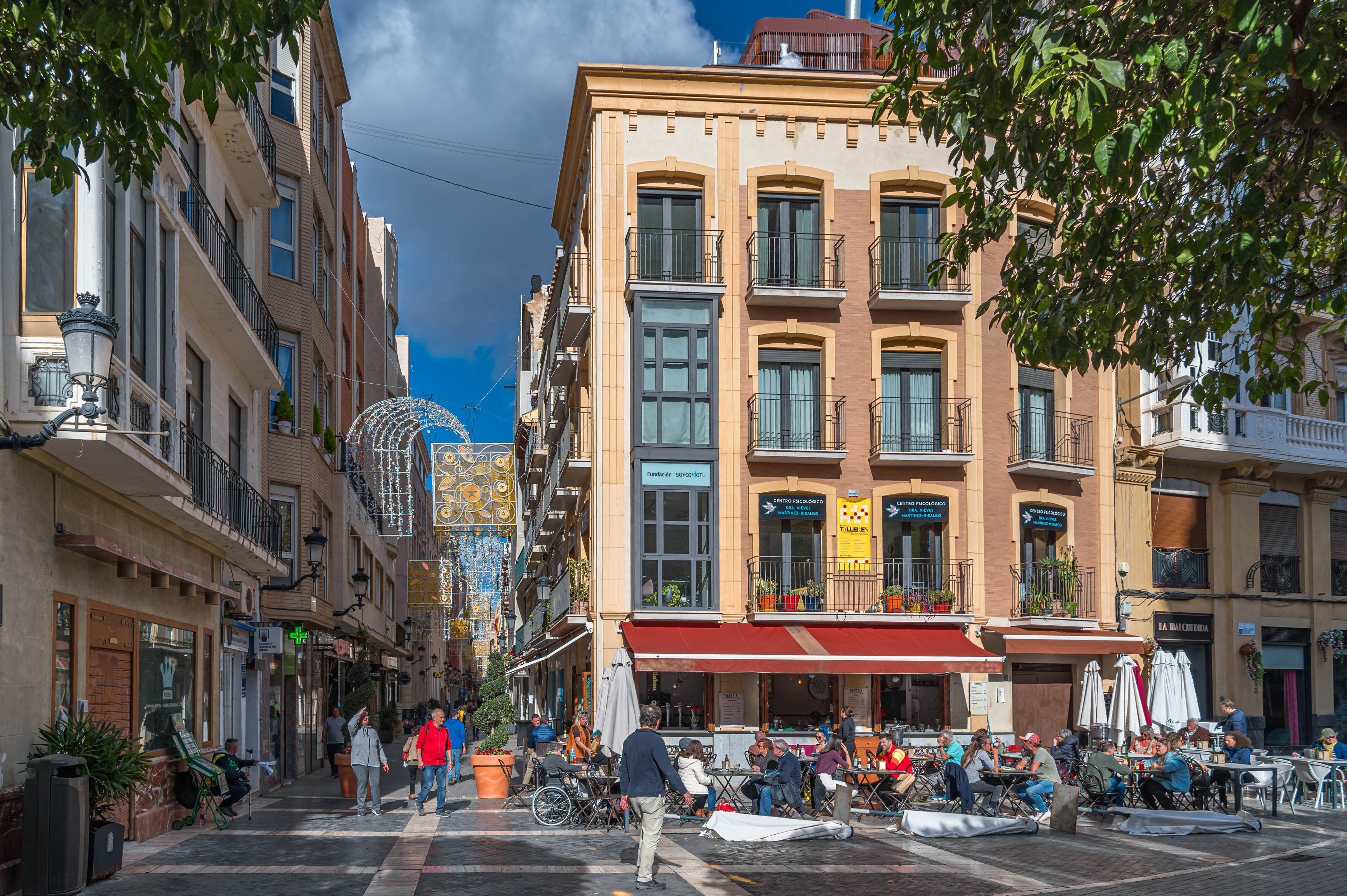
The Old Town is the most natural place to begin. Around the cathedral, Plaza de las Flores, Plaza Santa Catalina and the surrounding streets, restaurants and bars range from traditional taverns to more contemporary spaces. Many are rooted in local ingredients rather than fixed ideas of what a tourist meal should look like, which is exactly what makes Murcia so rewarding.
For classic tapas and bodega atmosphere, Los Zagales is one of the city’s obvious reference points. It is the kind of place to have on your radar for marineras, ensaladilla-style bites, fried tapas and the easy rhythm of ordering gradually rather than all at once. This is Murcia at its most sociable: lively, informal and best approached with curiosity.
Around Plaza de las Flores, Gran Bar Rhin is another traditional name worth noting, especially if you like the old Murcian style of eating informally around a busy square. It adds a different kind of texture to the tapas crawl: less polished, more rooted in the everyday rhythm of the city.
El Bolito, on Plaza Santa Catalina, is another useful reference point for casual tapas and fried fish. It is especially associated with cazo, little pieces of spiced fried hake, and fits naturally into a slow wander through the historic centre. It is the sort of place that makes sense as part of a tapas crawl rather than a long, formal meal.
For somewhere unfussy and local-feeling, Pepico del Tío Ginés is worth keeping on the list. It may not be the most polished-looking restaurant from the outside, but that can be part of the charm. Murcia Tourism includes it among the stops in its wider gastronomic route, and it suits readers who care more about freshness, flavour and a dining room that feels properly lived-in than sleek interiors.
For rice, Los Arroces de Segis gives you somewhere more substantial to consider. This is the kind of meal to build time around rather than squeeze in between sightseeing stops: rice, seafood, conversation and the kind of lunch that benefits from not having too much planned immediately afterwards.
If your trip takes you beyond Murcia city, the wider region brings seafood more sharply into focus. In Cartagena, La Mejillonera / Mejillonería Cañón on Calle Cañón is a useful coastal reference point for mussels, tapas and seafood in a small, family-run setting. It belongs to the Cartagena side of the food story rather than the city-centre Murcia one, but it shows how quickly the region’s cooking shifts once you move closer to the sea.
For traditional Murcian cooking in a more established restaurant setting, places such as La Pequeña Taberna and Restaurante El Churra are also worth considering. Both sit more comfortably in the “proper meal” category than the quick tapas-stop category, and can work well if you want to try local dishes without relying entirely on bar-hopping.
At the higher end, Murcia also has a growing contemporary dining scene. Pura Cepa is a useful name to check if you are interested in traditional recipes handled with a more modern touch, particularly alongside a stronger wine focus. It is also worth checking the current Michelin Guide listings before travelling if you want a more refined meal, tasting menu or modern interpretation of regional produce. Restaurant scenes change, so always check current menus, opening times and booking details before making plans.
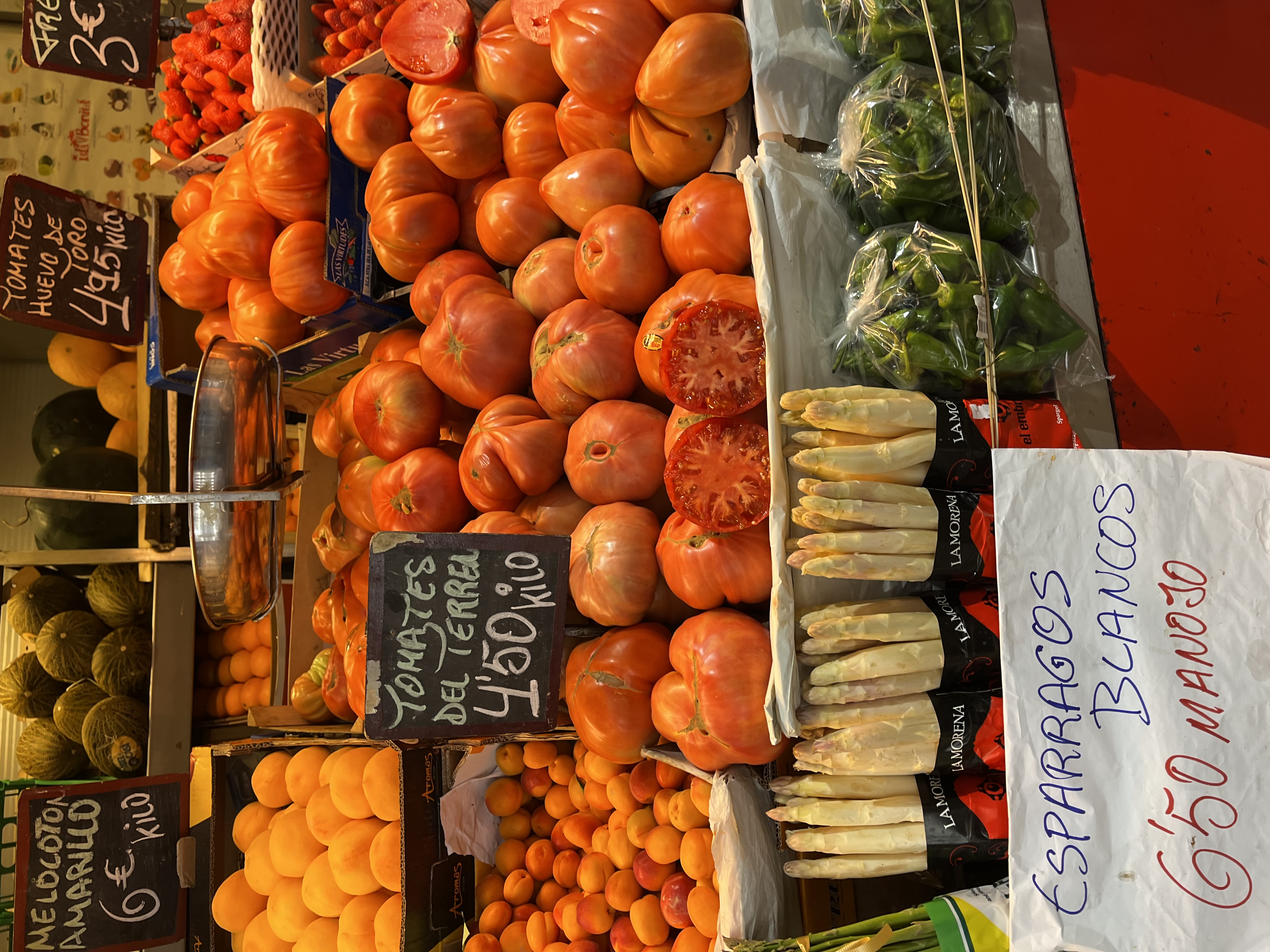
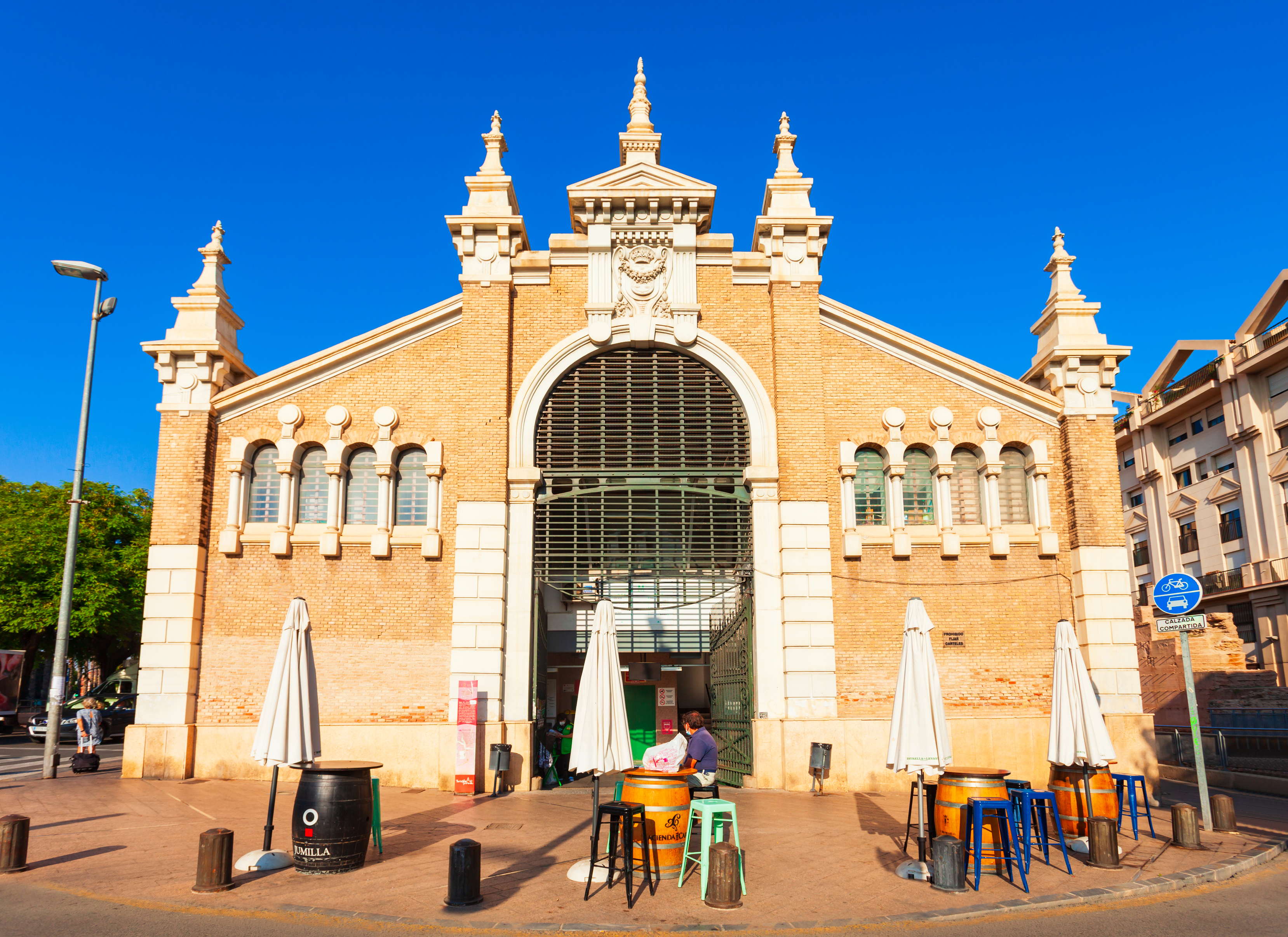
Markets add another layer again. Mercado de Verónicas is worth visiting even if you do not plan to eat there. Its stalls give you a clear sense of what defines the region: seasonal vegetables, fish, meat, cheeses, olives and the everyday ingredients that underpin so many of the dishes you will see later on the table.
The best approach is not to overplan every meal. Choose a few places you genuinely want to try, leave room for wandering, and pay attention to where local tables are full. Murcia’s food culture rewards a loose plan more than a rigid itinerary.
Photograph: Saiko3p (Dreamstime)
How to Eat Like a Local in Murcia
Part of understanding Murcia’s food culture is adapting to how it is eaten. Meals are rarely rushed, and the day tends to gather around lunch rather than dinner. If you are used to eating early, it is worth adjusting your expectations before you arrive.
Lunch is the main event, often beginning later than visitors from northern Europe might expect and stretching comfortably into the afternoon. Dinner starts late too, usually with a lighter, more gradual feel. This is not a city where food needs to be squeezed between attractions. More often, the meal is the point.
Sharing is central to the rhythm. Rather than ordering everything upfront, start with a couple of dishes and let the table build from there: a marinera, a plate of artichokes, something fried, perhaps a little salad or a dish you have seen carried past to another table. In Murcia, one good order often leads naturally to the next.
Photograph: Soniabonet (Dreamstime)
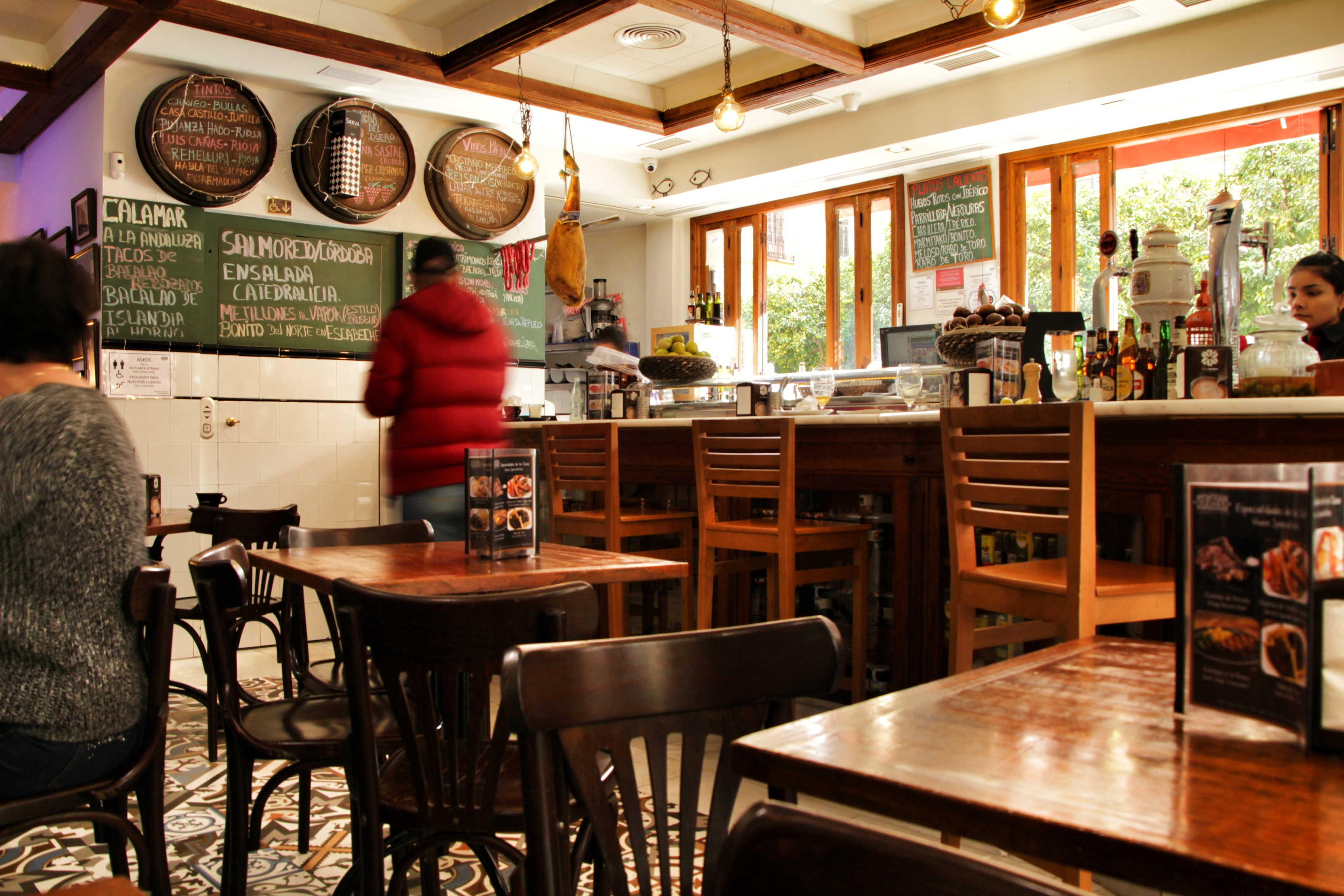
Sitting at the bar is as normal as taking a table, especially for tapas. It can also be the better option if you want to feel closer to the life of the room. Menus are useful, but so is looking around, noticing what people are ordering, and asking what is good that day. The best meals often come from paying attention.
It is also worth checking opening hours before setting out, especially for smaller restaurants, as kitchens may close between lunch and dinner and weekly closing days can vary.
A simple approach works best. Order slowly, share generously, and resist the urge to turn every meal into a checklist. Murcia is not a city that needs to be conquered dish by dish. It is better understood through repetition: another tapa, another glass, another slow lunch that lasts longer than planned.
Photograph: Valentin Lung Illes (Dreamstime)
Going Deeper: Food Experiences in Murcia
You do not need a formal tour or class to eat well in Murcia. Much of the pleasure comes from wandering through the Old Town, stepping into busy bars, visiting the market, and letting the day’s meals unfold at their own pace.
Bookable food experiences in Murcia are not as plentiful as they are in Spain’s more obvious city-break destinations, which is worth knowing before you start planning. That said, the right experience can still add useful context, particularly if it connects the food on the table with the region around it: the huerta, the coast, local wine, rice dishes, seafood, olive oil or traditional tapas.
If your trip also includes Cartagena, a guided walking tour with tapas and drinks can be a practical way to explore the coastal side of the region’s food culture. For more ideas, see the full guide to food and drink experiences in Murcia, including food tours, wine tastings, rural produce experiences and slower ways to explore the region through what you eat.
The key is not to force it. Murcia is a city where independent eating is part of the appeal. Visit Mercado de Verónicas, choose a few tapas bars or bodegas, leave space for a long lunch, and treat any guided experience as an extra layer rather than the foundation of the trip.
Photograph: Ana Lourenco (Pexels)
FAQ: What to Eat in Murcia
What food is Murcia known for?
Murcia is known for vegetable-led dishes from the huerta, seafood and rice dishes from the wider region, and distinctive tapas such as marinera. Traditional dishes to look for include zarangollo, ensalada murciana, pastel de carne, michirones, arroz al caldero and paparajotes.
What is the most famous dish in Murcia?
One of Murcia’s most recognisable dishes is the marinera, a crisp bread base topped with ensaladilla rusa and anchovy. Pastel de carne, a savoury meat pie with flaky pastry, is also closely associated with Murcia city, while arroz al caldero is one of the best-known rice dishes from the wider region.
What is a marinera in Murcia?
A marinera is a classic Murcian tapa made with a crisp breadstick-style base, ensaladilla rusa and a single anchovy on top. If it is served without the anchovy, it is often called a bicicleta. If it is topped with boquerón instead, it may be called a marinero.
What are paparajotes?
Paparajotes are a traditional Murcian sweet made by coating lemon leaves in batter, frying them, and finishing them with sugar and cinnamon. The lemon leaf itself is not eaten; it perfumes the batter and gives the dessert its distinctive citrus aroma.
Is Murcia good for tapas?
Yes, Murcia is excellent for tapas, especially if you prefer traditional bars, bodegas and local dishes over heavily tourist-focused dining. The Old Town, particularly around the cathedral, Plaza de las Flores and Plaza Santa Catalina, is a good place to begin.
Where should I eat traditional food in Murcia?
For traditional food in Murcia, look for tapas bars, tascas, bodegas, markets and long-established restaurants rather than only polished dining rooms. Places such as Los Zagales, Gran Bar Rhin, El Bolito, La Pequeña Taberna, Restaurante El Churra and Mercado de Verónicas are useful reference points, while rice restaurants such as Los Arroces de Segis are worth considering for a longer lunch.
What should I drink with tapas in Murcia?
A cold Estrella de Levante, Murcia’s local beer, is a classic choice with tapas. The wider region is also known for wine, particularly from areas such as Jumilla, Bullas and Yecla, so local wine is worth looking for if you want something more regional.
Is Murcia expensive for eating out?
Murcia can feel better value than many of Spain’s better-known city-break destinations, especially if you eat in traditional tapas bars, markets and neighbourhood restaurants. Higher-end restaurants and tasting menus are available too, but you do not need to spend heavily to eat well.
What time do people eat in Murcia?
Lunch is usually the main meal of the day and often starts later than visitors from the UK may expect. Dinner also tends to begin late and is often lighter or more gradual. For tapas, it is best to slow down, order a few dishes at a time, and let the meal unfold naturally.
Is Murcia worth visiting for food?
Yes, especially if you enjoy regional food cultures that feel rooted in place. Murcia is shaped by the huerta, the coast, rice traditions, tapas bars and a slower dining rhythm. It may not have the same international reputation as San Sebastián or Seville, but that is part of what makes it so rewarding for food-led travellers.
Photograph: Keith Mapeki (Unsplash)
Final Thoughts: Murcia Is a City to Taste Slowly
Murcia’s food does not rely on spectacle. Its strength lies in consistency, in the quiet confidence of ingredients that do not need to be overworked, and in a dining culture that prioritises time and ease.
What stays with you is not always a single standout meal, but the rhythm of eating itself. Markets in the morning. Tapas taken slowly at the bar. Long lunches that drift into the afternoon. Evenings that gather pace gradually, one plate at a time.
It is a way of experiencing a place through food without feeling as though anything has been staged for you. Murcia rewards curiosity, but it also rewards patience. Eat slowly, order widely, leave room for surprise, and the city begins to make sense.
Plan the rest of your time in Murcia
For a deeper look at the city, see the full guide to spending 3 days in Murcia, or use the guide to where to stay in Murcia to choose the best base for a short, food-led city break.
For more food-led planning, continue with the guide to food and drink experiences in Murcia, which covers tastings, tours, wine country, rural produce and coastal food experiences. For wider regional ideas, see the guide to day trips from Murcia and the seasonal Murcia festivals and cultural calendar.
For practical travel pieces that work across market mornings, tapas crawls, vineyard visits and coastal excursions, see the curated Culinary Travels packing and planning edit.
Stay in Touch
Culinary Travels publishes destination guides, seasonal recipes, and food-led travel features from the UK and beyond.
Follow for new articles and updated travel resources:
Facebook | Instagram | Pinterest
Newsletter
Receive new guides, recipes, and occasional travel planning notes by email: Subscribe here
Reader feedback and local recommendations are always welcome via the contact page.


©2026 Culinary Travels. Culinary Travels is written and edited by Georgina Ingham | Website designed by The Smarter Web Company
What Our Followers Say
"A highly complimentary article ... showcasing why the English Market remains one of Ireland's premier food destinations"
Cork City Council via Facebook
"Our list of things to do in Cork has just expanded hugely thanks to Culinary Travels."
Triskel Art Centre Cork, via Twitter
“Tried this last night and it was delicious!”
Reader feedback via Pinterest, Yangzhou Fried Rice Recipe
"Oh yum!!! I could eat one or two right now!"
Sami Tamimi, via Instagram, on Ma’amoul Cookies
"Georgina was great to work with, quick to respond, and is a excellent content writer - would highly recommend"
Nick S - Get Blogged
“A simple no-knead dough transformed into beautiful, rustic rolls.”
Reader feedback via Pinterest, No-Knead Ciabatta Rolls Recipe