
Blog


Cooking with Herbs: Comfort Food, Mediterranean Flavours & Simple Recipes

This feature was produced with the support of a commercial partner. Editorial control remains with the author. Some posts on Culinary Travels may contain affiliate links, meaning I may earn a small commission at no extra cost to you. I only recommend products, places and experiences that fit the editorial tone and standards of the site.
Update note: Originally published in February 2016 and created in collaboration with Schwartz as part of their #FlavourYourWay campaign celebrating the creativity of cooking with herbs and spices. This article was fully revised and retested in March 2026 to improve clarity and refresh the cooking guidance.
February, July or November, comfort food always has its place. When the weather turns grey and damp, or when the day simply calls for something nourishing and familiar, a meal cooked slowly and with care can transform the mood of an entire evening.
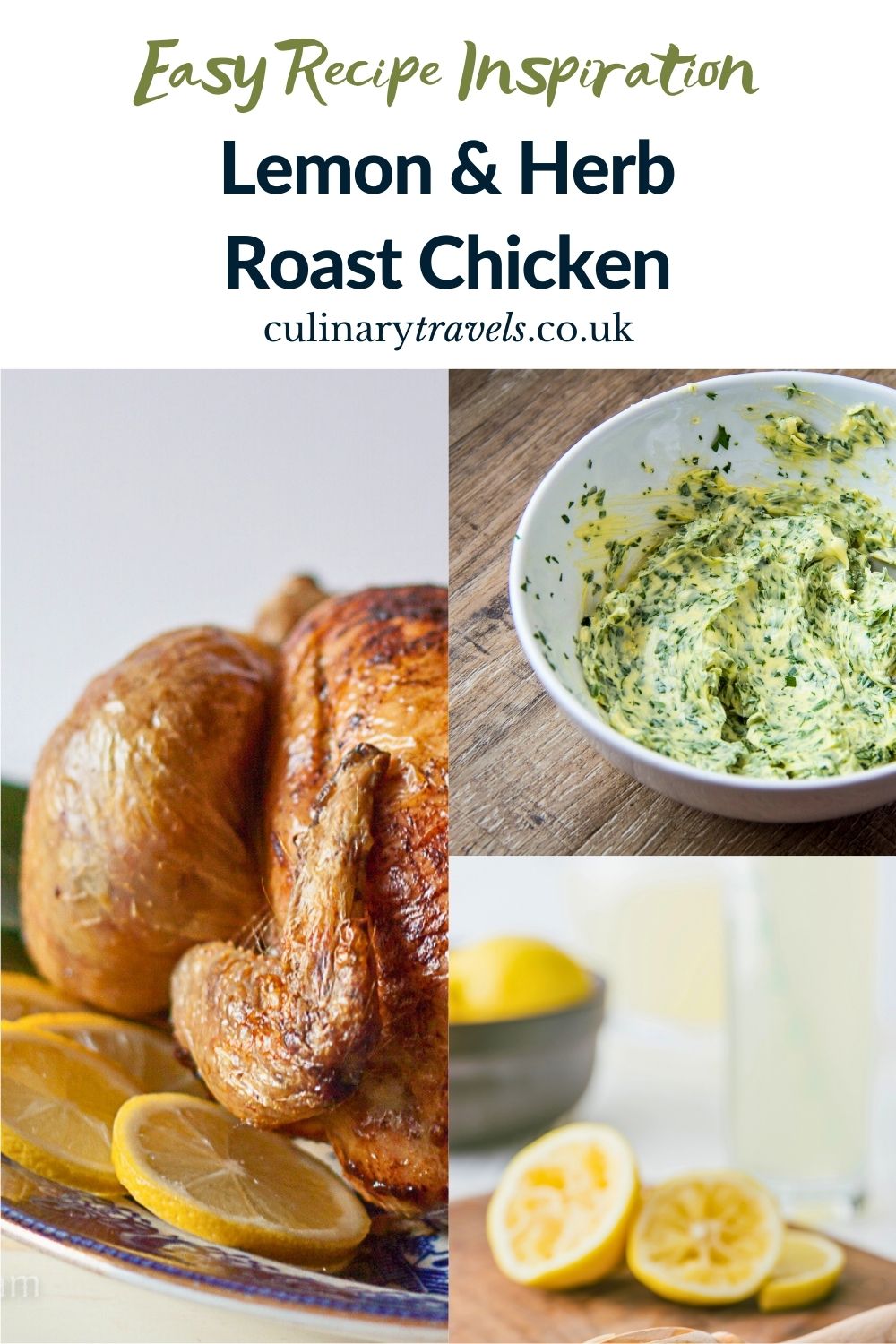
Few dishes embody that feeling quite like roast chicken. As Nigella Lawson once wrote in Feast: Food That Celebrates Life, “There are few things that can’t be made better by a chicken roasting in the oven.” The scent alone, with butter melting over golden skin, garlic softening and herbs releasing their fragrance into the warm air, has a way of making a house feel like home.
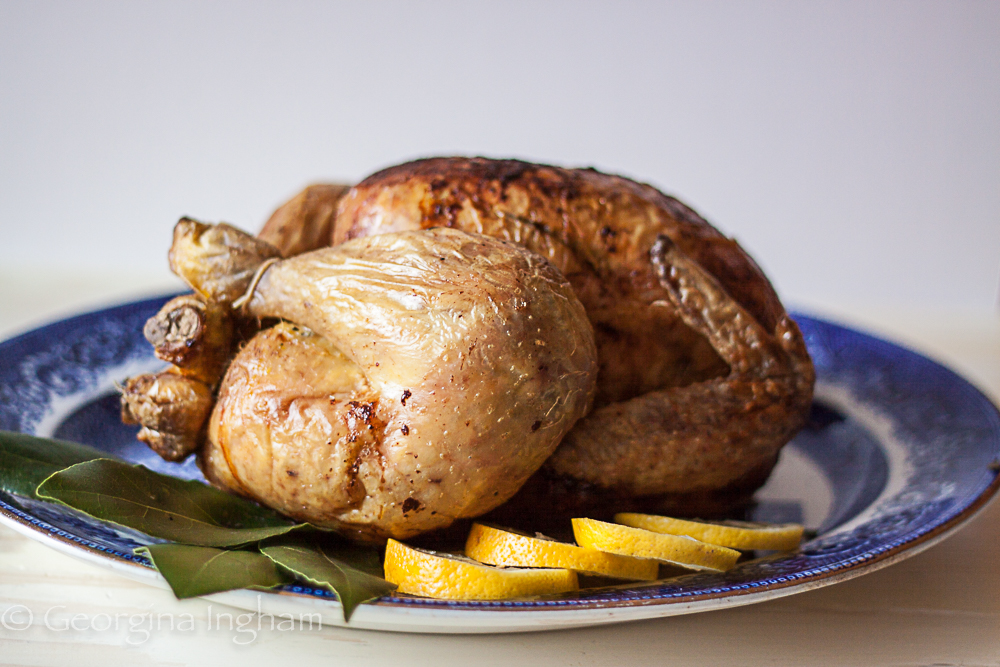
For me, herbs are the quiet magic behind a truly good roast. Lemon tucked into the cavity, bay leaves gently bruised, peppercorns, garlic and butter working together to build flavour slowly as the chicken cooks. It is simple cooking, but deeply satisfying.
Learning how to cook with herbs and spices is one of the simplest ways to transform everyday meals, from classic roast dinners to bright Mediterranean dishes.
In this guide
1) Why Herbs Transform Simple Cooking
2) The Comfort of a Proper Roast Dinner
3) Classic Roast Trimmings That Bring the Table Together
4) Making the Most of Roast Chicken Leftovers
5) Mediterranean Cooking and the Power of Oregano
Why Herbs Transform Simple Cooking
Fresh herbs are a joy when they are available, whether growing in the garden or on a kitchen windowsill. But dried herbs have their own place in the cupboard too, particularly when they retain the colour and fragrance of the plant they once were. Good dried herbs can be just as expressive as fresh ones when treated properly. When I first explored the idea for this article, originally created with Schwartz during their #FlavourYourWay campaign, I was reminded just how much difference a well-chosen herb can make.
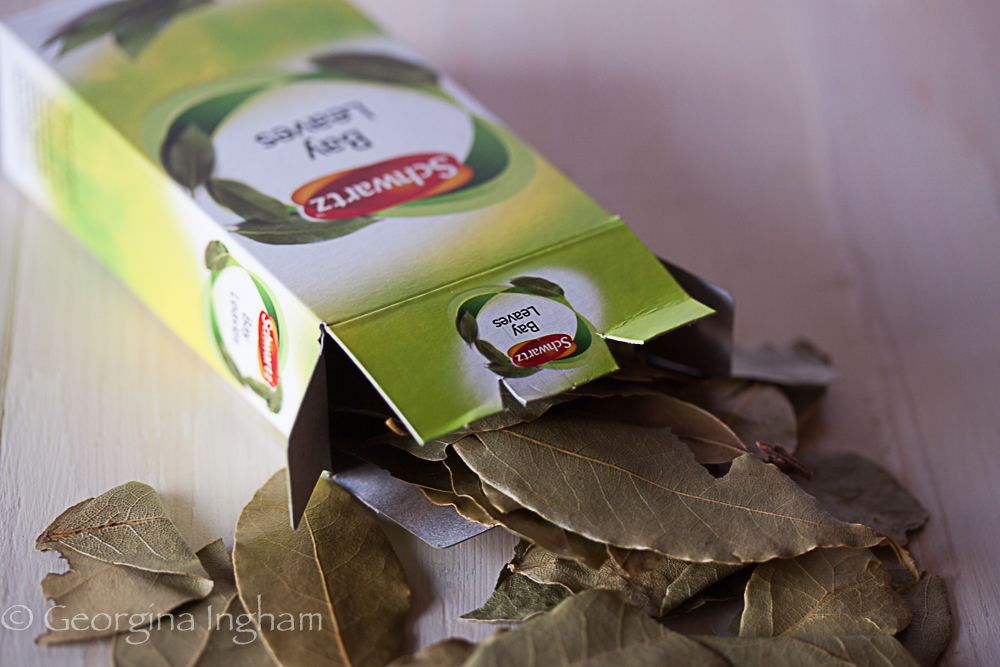
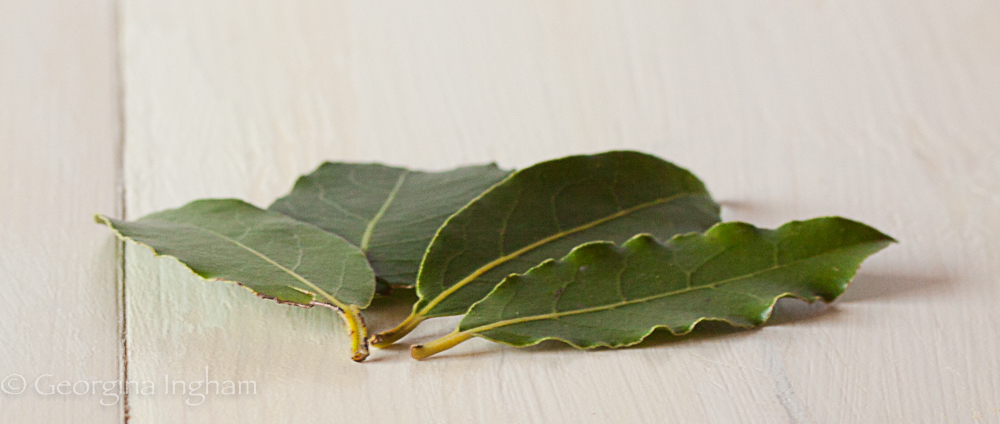
Bay leaves in particular have a long and rather distinguished culinary history. In ancient Greece and Rome, the branches of the bay tree (Laurus nobilis) were woven into wreaths used to crown victors in battle, sport and the arts. Even today, we use echoes of that tradition in language: the poet laureate, or the word baccalaureate, which refers to laurel berries and the successful completion of studies.
A leaf with that much history deserves to be treated properly in the kitchen. Crushing or tearing bay leaves, whether fresh or dried, helps release their volatile oils and allows their flavour to fully develop in slow-cooked dishes.
The Comfort of a Proper Roast Dinner
A roast chicken rarely arrives at the table alone. It is the centrepiece of a meal built from generous trimmings and quietly nostalgic flavours.
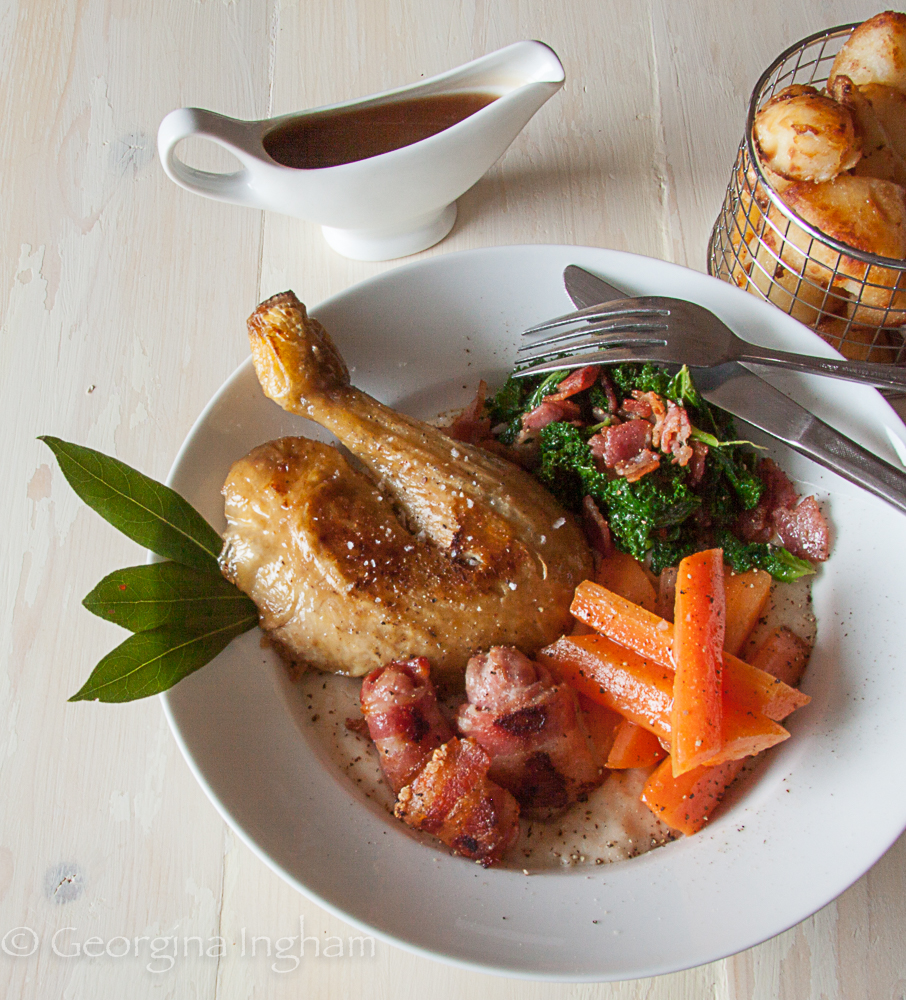
Crisp roast potatoes, greens cooked with smoky bacon and sweet carrots slowly braised in butter each play their part. The beauty of these dishes lies in their simplicity: good ingredients, gentle seasoning, and time enough to allow everything to cook properly.
Alongside the chicken, one traditional accompaniment remains almost sacred in many British kitchens: bread sauce.
Bread sauce is one of those dishes that manages to feel both humble and historic at the same time. According to 1001 Foods: The Greatest Gastronomic Sensations on Earth by Terry Durack, the French once joked that “the English have sixty religions but only one sauce”. Yet bread sauce actually has a far older heritage than the remark suggests. Its origins stretch back to medieval cooking, when bread was frequently used as a thickening agent long before flour-based sauces became standard.
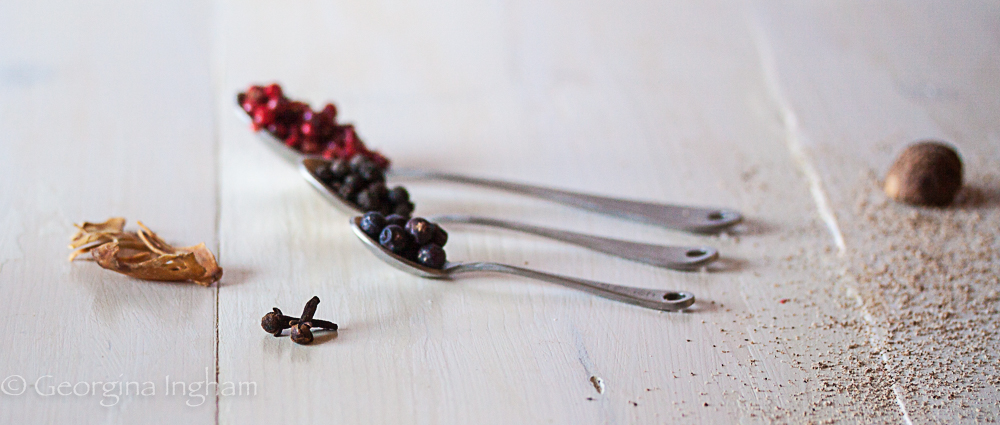
Milk infused with onion, bay leaf, clove and mace, gently thickened with breadcrumbs and finished with butter creates a sauce that is delicate, fragrant, and deeply comforting. Served with roast chicken or turkey, it feels almost inseparable from the meal itself.
Classic Roast Trimmings That Bring the Table Together
Part of the pleasure of a roast lies in choosing the trimmings that will share the table. For some cooks, that might mean Yorkshire puddings — though in my kitchen, they remain reserved strictly for beef. For others, it might be butter-glazed carrots, kale with crisp bacon, or potatoes roasted until golden and shatteringly crisp.
However the meal comes together, one rule remains constant: buy the best chicken you can reasonably afford. Free-range birds not only have better welfare standards but also tend to deliver a richer flavour. When possible, I buy from a local butcher or farm shop, though I realise that such luxuries are not available to everyone.
Making the Most of Roast Chicken Leftovers
A roast chicken rarely ends with the Sunday meal itself. In fact, some of the best dishes appear the following day.
Cold chicken tossed with a citrus dressing and fresh leaves makes a bright and refreshing lunch. Alternatively, the meat can be folded into comforting classics such as bubble and squeak, which is especially good when crisp bacon finds its way into the pan, or turned into a spicy curry.
If the leftovers are plentiful, stripping the remaining meat from the carcass and freezing it for another meal is a simple way to avoid waste. The bones themselves make excellent stock, simmered gently with vegetables and herbs to produce a rich base for soups, sauces or risottos. Homemade stock is far easier to make than many people assume, and the flavour it brings to future dishes is well worth the small effort involved.
Mediterranean Cooking and the Power of Oregano
Herbs don’t belong only to traditional British cooking. Travel through the Mediterranean, and they appear in entirely different but equally compelling forms.
In Greece, oregano reigns supreme. The word itself comes from the Greek meaning “joy of the mountains”, a fitting description for a herb that grows wild across hillsides and rocky slopes, perfuming the air with its pungent, sweet aroma.
Unlike many herbs, oregano often works best dried when used in cooking. Its flavour becomes deeper and more concentrated, perfect for seasoning grilled meats, seafood and vegetables.
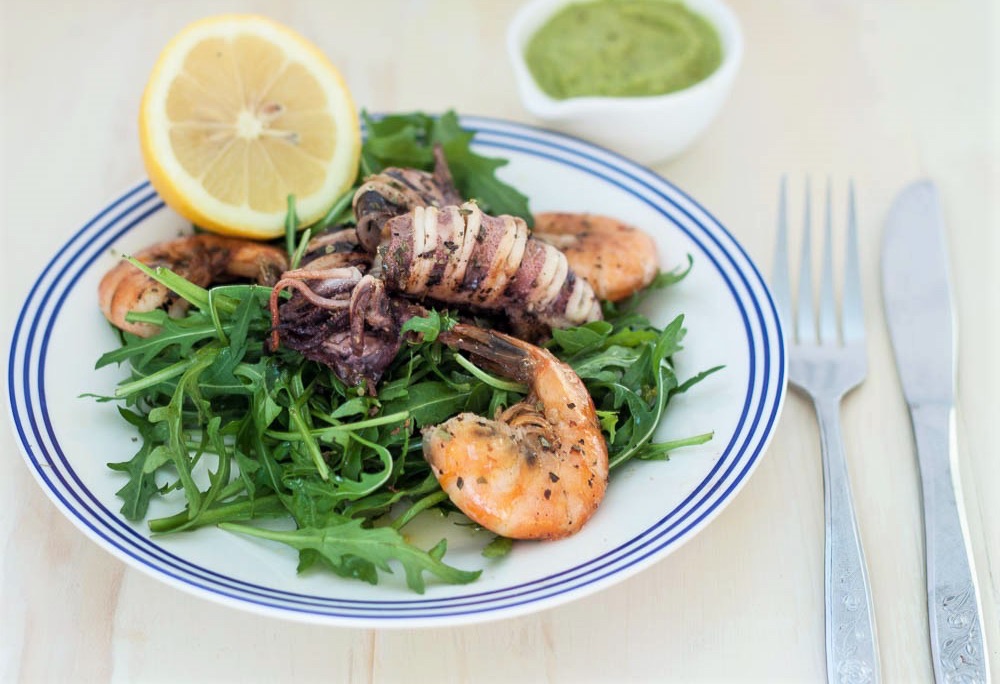
One of my favourite ways to use it is in a simple Greek-style seafood dish of calamari and prawns cooked quickly over high heat with lemon, olive oil and plenty of oregano. The flavours are bold but uncomplicated, the kind of cooking that celebrates the ingredients rather than disguising them.
Served alongside a simple rocket salad and crusty bread, it becomes the sort of meal that practically demands to be eaten outdoors.
If you have ever travelled through Greece, you will likely have encountered ladolemono, a bright lemon and olive oil dressing infused with oregano that appears at tables everywhere from seaside tavernas to family kitchens. Drizzled over grilled fish, seafood or salads, it captures the essence of Mediterranean cooking: fresh, seasonal ingredients, generous glugs of olive oil, and herbs used with confidence.
Herbs and Spices Around the World
Herbs and spices shape cuisines across the world in ways both subtle and dramatic. A single leaf, seed or dried flower can define the character of an entire dish.
In Indian cooking, warming spices such as cumin, coriander, turmeric and garam masala create the deep aromatic base of countless curries. Even something as simple as leftover roast chicken can be transformed with the right balance of spices, turning yesterday’s roast into an entirely new dish.
In the Nordic countries, spices appear in an entirely different context. Cardamom and cinnamon perfume sweet breads and pastries, bringing warmth to winter baking and filling bakeries with their unmistakable scent. A freshly baked cardamom bun carries the same comforting magic as a slow-cooked stew — proof that spices belong as much in the baking tin as they do in the roasting pan.
Across the Mediterranean, herbs such as oregano, thyme and rosemary define the flavour of everyday cooking. Scattered over grilled meats, stirred into tomato sauces or infused into olive oil, they bring brightness and balance to dishes built around simple ingredients.
Wherever you travel, herbs and spices tell the story of a place: the climate, the landscape, and the ingredients that grow there naturally. Learning to cook with them is less about following strict rules and more about understanding how they shape flavour.
Cooking With Herbs and Spices: Frequently Asked Questions
What is the difference between herbs and spices?
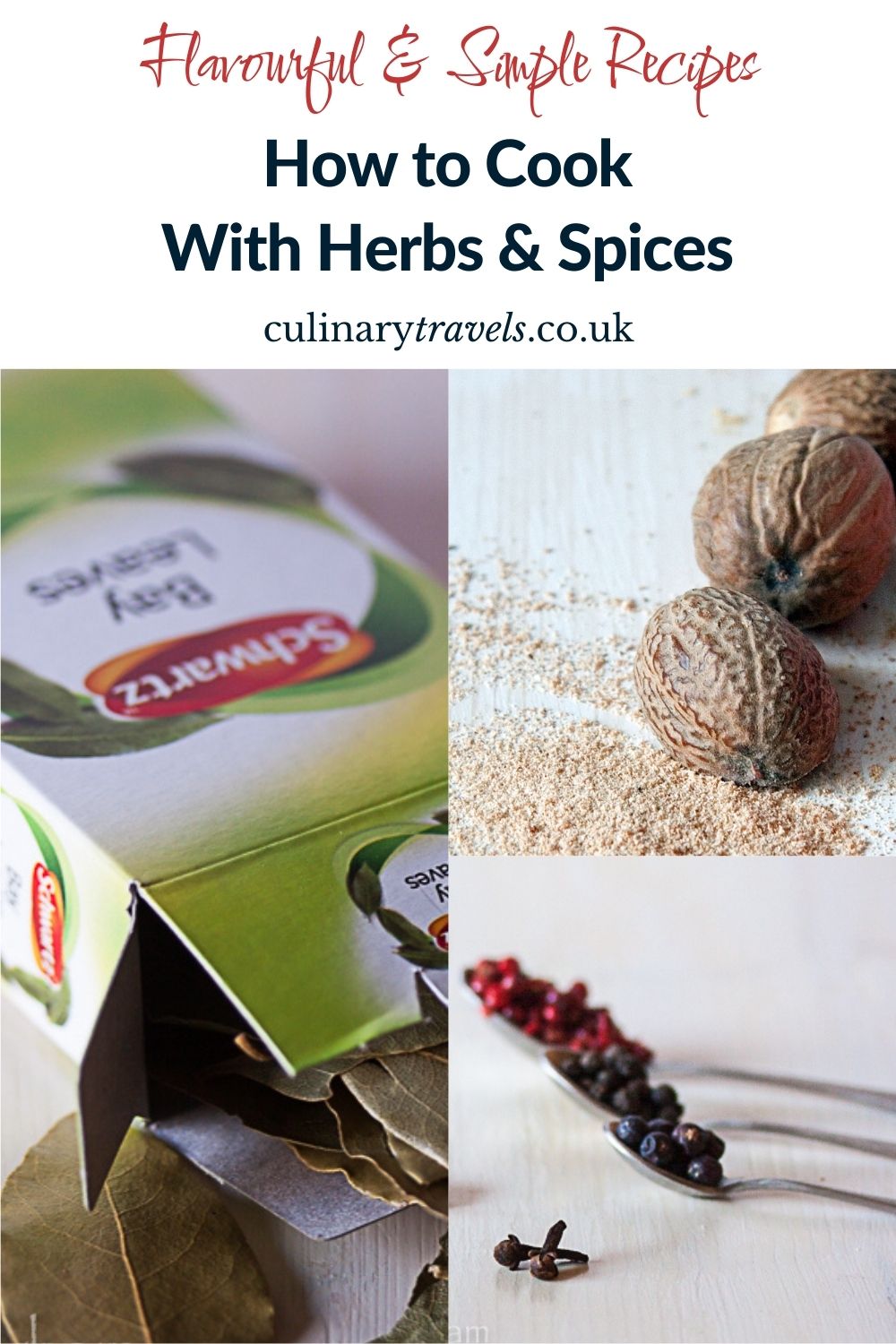
Herbs usually come from the leafy parts of plants, such as basil, thyme, oregano or bay leaves. Spices are typically made from other parts of the plant, seeds, bark, roots or dried fruits, such as peppercorns, cinnamon, nutmeg or cloves. Both are used to add depth and aroma to dishes.
Can dried herbs be used instead of fresh herbs?
Yes. Dried herbs are often more concentrated in flavour because the water has been removed. As a general guide, use about one-third the amount of dried herbs as you would fresh. For example, one teaspoon of dried oregano is roughly equivalent to one tablespoon of fresh oregano.
When should herbs be added during cooking?
It depends on the herb. Robust herbs such as bay leaves, thyme and oregano are usually added early so their flavour can develop slowly during cooking. More delicate herbs such as parsley, basil or chives are best added near the end to preserve their fresh aroma.
Why are bay leaves used in cooking?
Bay leaves add a subtle, savoury depth to dishes such as soups, sauces and roast meats. They release their flavour slowly as they cook, which makes them particularly useful in long-simmered dishes and roasts.
What herbs are commonly used in Mediterranean cooking?
Mediterranean cooking often relies on herbs such as oregano, thyme, rosemary and bay leaves. These herbs pair well with olive oil, lemon, seafood, vegetables and grilled meats, creating the bright, aromatic flavours typical of Greek and Italian cuisine.
Cooking With Herbs, Your Way
Whether scattered over a roast chicken, stirred through vegetables or whisked into a lemony dressing, herbs have an extraordinary ability to transform simple food into something memorable.
Sometimes that transformation is dramatic. More often, it is subtle, a quiet lift of flavour that turns an everyday dish into something worth lingering over.
Comfort food means different things to different people, but the common thread is always the same: food that brings warmth, familiarity and pleasure to the table.
And often, all it takes is a handful of herbs to make that happen.
Stay in Touch
Culinary Travels publishes destination guides, seasonal recipes, and food-led travel features from the UK and beyond.
Follow for new articles and updated travel resources:
Facebook | Instagram | Pinterest
Newsletter
Receive new guides, recipes, and occasional travel planning notes by email: Subscribe here
Reader feedback and local recommendations are always welcome via the contact page.
©2026 Culinary Travels. Culinary Travels is written and edited by Georgina Ingham | Website designed by The Smarter Web Company
What Our Followers Say
"Oh yum!!! I could eat one or two right now!"
Sami Tamimi
"Georgina was great to work with, quick to respond, and is an excellent content writer - would highly recommend collaborating with her!"
Nick S, Get Blogged
Our list of things to do in Cork has just expanded hugely thanks to Culinary Travels.
Triskel Art Centre Cork