
Blog


How to Make Blood Orange Curd That Stops You in Your Tracks

Some posts on Culinary Travels may contain affiliate links, meaning I may earn a small commission at no extra cost to you. I only recommend places and experiences that align with the values and tone of the site.
Blood orange season always feels like a small, dramatic flourish in the middle of winter. The days are still short, the skies still doing their best impression of damp cement, and then suddenly the kitchen fills with a sharp, almost floral citrus scent that cuts straight through it all. It’s cheering in a way that feels almost medicinal. This blood orange curd captures that moment and preserves it in a jar.
Anyone who regularly reads Culinary Travels will know I have a long-standing affection for bold citrus flavours. Citrus wakes food up. It sharpens, brightens, and gives even the simplest plate a sense of intent. Blood oranges take that one step further, offering depth as well as brightness, with a hint of bitterness that makes everything feel more grown-up.
Although we tend to associate citrus with summer holidays and warmer places, many citrus fruits are actually at their best in winter. Blood oranges, in particular, have a fleeting season that usually runs from late December to the end of March. That short window is part of their magic. Miss it, and you’re waiting another year.

What Is Curd?
Curd is a softly set preserve made by gently cooking fruit juice and zest with sugar, butter and eggs until thick, glossy and spoonable. It sits somewhere between a spread and a custard, rich but bright, indulgent without being heavy. Lemon curd is the most familiar version, but curd can be made with all sorts of citrus and fruits, blood oranges being one of the most rewarding.
The Secret to Perfect Curd
The key to a good curd is gentle heat and patience. Rushing the process or letting the mixture get too hot risks scrambling the eggs and dulling the flavour. I prefer to use a small whisk rather than a wooden spoon, as it keeps the mixture smooth and light while helping everything emulsify properly. The finished curd should feel heavy on the whisk and coat the back of a spoon thickly.
Why Blood Orange Curd Works So Well
This recipe started life as a classic lemon curd, but an overenthusiastic organic fruit delivery shifted the plan. Blood oranges are too beautiful to waste, with their ruby flesh, fragrant zest and slightly bitter edge. That bitterness is exactly what makes blood orange curd so appealing. It balances the sweetness and gives the curd depth, rather than just sharpness.
The result is vibrant in colour, silky in texture and perfectly balanced between tart and sweet. It feels indulgent, but never cloying.
Blood Orange Curd
Prep: 20 mins | Cook: 10 mins | Servings: 4 jars
A vibrant, tart yet silky smooth curd that celebrates winter blood oranges. Perfect on toast, sponges, hot cross buns, or even swirled into yoghurt.

Ingredients:
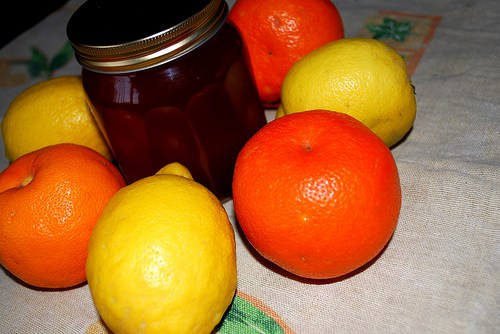
Zest and juice of 7 unwaxed blood oranges
Zest and juice of 1 unwaxed lemon
350g granulated sugar
200g salted butter, cubed
6 eggs
2 egg yolks
Instructions:
Put the orange zest, orange juice, lemon zest and juice, the sugar, and the butter into a heatproof bowl over a pan of simmering water, ensuring the bottom of the bowl doesn't touch the water.
Stir with a whisk occasionally until the butter has melted.
Lightly beat the eggs and yolks with a fork, then stir into the citrus mixture.
Cook over gentle heat, stirring regularly, for about 10 minutes until thick and custard-like, feeling heavy on the whisk.
Remove from the heat and stir occasionally as it cools.
Pour into sterilised jars and seal. Keep refrigerated for up to two weeks.
Ingredients That Make It Shine
Unwaxed fruit really matters here, as the zest is doing a lot of the heavy lifting. If unwaxed citrus isn’t available, you can remove most commercial wax coatings by scrubbing the fruit thoroughly under very warm water with a clean brush, then drying well before zesting. It’s not perfect, but it’s a useful workaround.
I also recommend using organic eggs where possible, particularly in a recipe like curd where eggs are front and centre. If organic isn’t an option, choose the highest welfare eggs you can comfortably afford. Better eggs tend to give a richer colour, better texture and, frankly, a clearer conscience.
Salted butter adds roundness and helps tame the sharp citrus notes, while the extra egg yolks give the curd its luxurious, custard-like texture. Small choices here genuinely add up to a better finished jar.

Flexibility and Flavour Variations
Once you’re comfortable with the method, this curd is easy to adapt. You can swap some of the blood orange juice for lemon if your oranges are particularly sweet, or add a splash of grapefruit for extra bitterness. The base technique stays the same, which makes this a useful recipe to return to whenever citrus season rolls around.

Serving Suggestions and Pairings
Blood orange curd is incredibly versatile. Spread thickly on toast, spoon it into a Victoria sponge, swirl it through yoghurt, or use it as a filling for cakes and tarts. Around Easter, it pairs beautifully with hot cross buns or a toasted hot cross bun loaf, ideally with a generous spoon of clotted cream. It also works surprisingly well alongside sharp cheeses, where the sweetness and acidity really sing.
Texture, Colour and Doneness – How to Know When It’s Ready
Curd is as much about observation as it is about timing. As it cooks, the mixture will shift from thin and glossy to thicker and satin-like. You’ll notice the whisk starting to leave soft trails through the curd, and the colour deepening slightly as it sets. When lifted, the curd should cling to the whisk rather than drip straight off. It will continue to thicken as it cools, so it’s better to remove it while it still feels just a touch looser than the finished texture you’re aiming for.
Storage, Shelf Life and Food Safety
Because curd contains eggs and butter, it should always be stored in the fridge. Pouring it into properly sterilised jars while still warm helps extend its life and keeps flavours fresh. Homemade blood orange curd will keep for up to two weeks when refrigerated and handled carefully. Always use a clean spoon when serving, and discard if there’s any sign of mould or off smells.
Unlike shop-bought versions, homemade curd isn’t designed for long-term cupboard storage, but that’s part of its appeal. It’s fresh, seasonal, and meant to be enjoyed while the flavour is at its peak.

Seasonality and Sourcing – Why Timing Matters
Blood oranges vary hugely depending on when and where they’re grown. Early-season fruit tends to be sharper and paler, while later fruit develops deeper colour and a more rounded flavour. Weather plays a role too; colder nights encourage that characteristic ruby hue. This natural variation means your curd may look and taste slightly different year to year, which is no bad thing. It’s a reminder that this is a seasonal preserve, rooted in a specific moment rather than a fixed industrial standard.
Common Curd Mistakes and How to Avoid Them
Overheating is the most common pitfall. Too much heat can scramble the eggs or give the curd a grainy texture. Keeping the heat gentle and steady prevents this. Using reactive pans or bowls can dull the flavour, so a stainless steel or heatproof glass bowl is best. When zesting, take care to avoid the white pith, which can introduce bitterness. Finally, taste as you go. Blood oranges vary, and adjusting sweetness slightly at the end is part of good cooking rather than failure.
Why This Recipe Works
This blood orange curd relies on balance. Whole eggs provide structure, while the extra yolks add richness and a velvety mouthfeel. The lemon juice isn’t there to dominate, but to lift and sharpen the blood orange flavour, especially when the oranges lean sweet. Salted butter rounds everything out, giving the finished curd depth rather than just brightness. It’s a flexible formula, but one that’s been tuned to make the most of this particular fruit.
When This Might Not Be the Right Recipe
If you’re looking for a very sweet, mild spread or something that will keep for months in a cupboard, this may not be the curd for you. Blood orange curd is gently bitter, clearly citrus-forward, and best enjoyed fresh. That assertive flavour is exactly what many people love about it, but it’s worth knowing what you’re making before you start.
Budget-Friendly Options and Zero Waste Magic
If you’re zesting and juicing a large batch of oranges, it’s worth using every part. Extra zest can be frozen and added straight from the freezer to cakes or biscuits later on. The pulped flesh can be simmered with a little sugar and water to make a quick syrup for drinks or desserts. Blood orange curd itself freezes well too, making it a smart way to extend a short season.

Frequently Asked Questions About Curd
Can curd be frozen?
Yes. Homemade curd freezes very well. Spoon it into airtight containers, leaving a little space for expansion, and freeze for up to three months. Defrost slowly in the fridge and stir well before using. The flavour and texture hold up beautifully.
How long does homemade blood orange curd keep?
Stored in sterilised jars and kept refrigerated, blood orange curd will keep for up to two weeks. Always use a clean spoon when serving to extend its life.
Why is my curd runny?
Curd thickens as it cools, so it’s worth letting it settle before judging. If it remains loose, it may not have cooked for long enough or the heat may have been too low. The curd should feel noticeably heavy on the whisk before it comes off the heat.
Can I make curd without a bain-marie?
You can cook curd directly in a saucepan, but a bowl set over gently simmering water gives much greater control. It reduces the risk of curdling and helps maintain a smooth, glossy texture.
Do I have to use unwaxed citrus for curd?
Unwaxed citrus is strongly recommended, especially when zest is involved. If you can’t find unwaxed fruit, scrubbing waxed oranges thoroughly under very warm water will remove most surface wax, making them suitable for zesting.
Are organic eggs necessary for curd?
Organic eggs aren’t essential, but they are ideal. Curd relies heavily on eggs for structure, colour and richness. If organic isn’t accessible, choose the highest welfare eggs you can afford for the best results.
Conclusion
Blood orange curd is one of those recipes that rewards a little attention and seasonal awareness. It makes the most of winter citrus at its peak and turns a brief moment in the calendar into something you can enjoy long after the fruit has disappeared from the shops. A jar in the fridge feels like a small act of defiance against grey days, and a reminder that good flavour is often a matter of timing.

Note: Originally published March 2016; updated January 2026.
✨ Stay Connected with Culinary Travels ✨
Loved this post? 🍴 Don’t let the conversation end here! Join me for behind-the-scenes kitchen moments, foodie adventures, and plenty of inspiration:
👉 Facebook | Instagram | Pinterest
💌 Got thoughts, questions, or your own foodie stories to share? I’d love to hear from you — just drop me a note through my contact form.
📬 Hungry for more?
Subscribe to my newsletter for exclusive recipes, travel tips, and behind-the-scenes foodie fun: Sign up here
🌍 Sharing is caring! If this post made you hungry for more, please pass it along. Every share helps this little corner of the internet grow, and I’m so grateful for your support. ❤️

©2026 Culinary Travels. Culinary Travels is written and edited by Georgina Ingham | Website designed by The Smarter Web Company
What Our Followers Say
"Oh yum!!! I could eat one or two right now!"
Sami Tamimi
"Georgina was great to work with, quick to respond, and is an excellent content writer - would highly recommend collaborating with her!"
Nick S, Get Blogged
Our list of things to do in Cork has just expanded hugely thanks to Culinary Travels.
Triskel Art Centre Cork