
Blog


The Ultimate Roast Potatoes
Some posts on Culinary Travels may contain affiliate links, meaning I may earn a small commission at no extra cost to you. I only recommend products, places and experiences that fit the editorial tone and standards of the site.
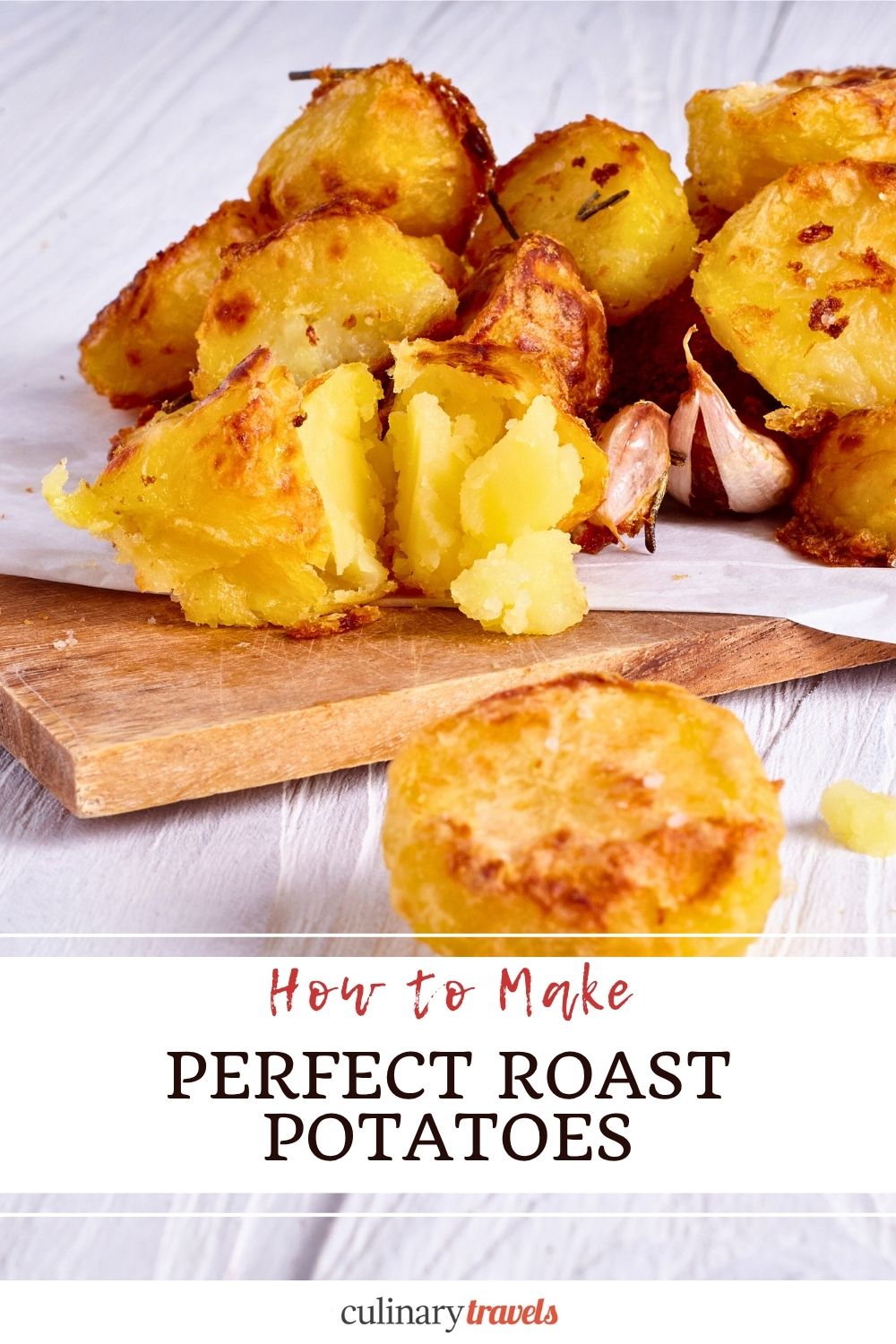
There are few things more satisfying than a properly made roast potato. Crisp on the outside, fluffy in the middle, well salted and deeply golden, they are the part of the roast dinner most likely to disappear first and the bit everyone quietly hopes there will be plenty of. Good roast potatoes are not complicated, but they do rely on a few small decisions made properly: the right potato, a good hot roasting tin, and enough rough handling to create those all-important craggy edges that turn irresistibly crisp in the oven.
This recipe is for the kind of roast potatoes that earn their place at the centre of the table rather than being pushed to the side as an afterthought. They are deeply savoury, gloriously crunchy, and exactly the sort of thing that makes a Sunday lunch feel complete.
Why you’ll love this recipe
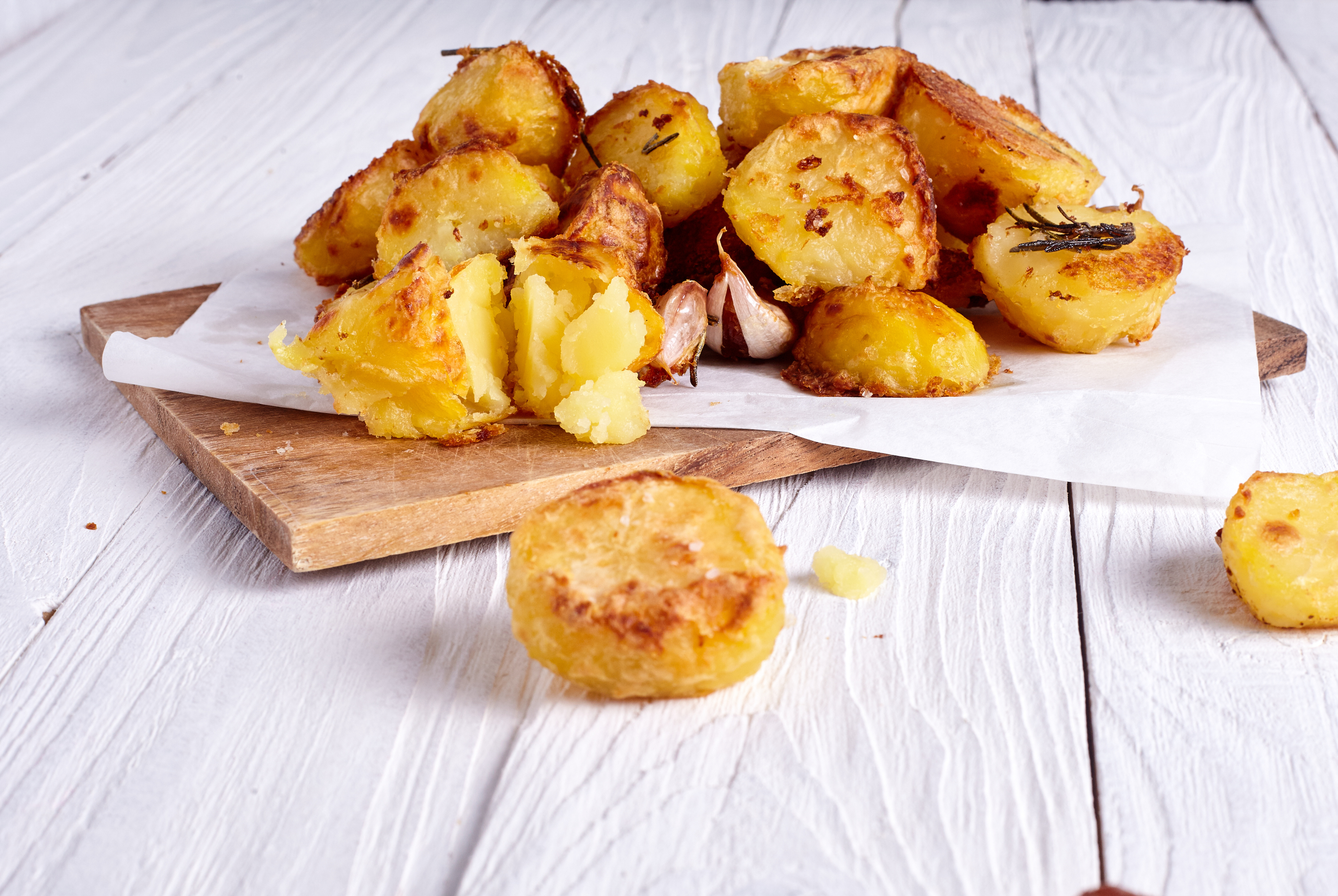
These roast potatoes are all about contrast. The outsides turn deeply golden and crisp, while the middles stay soft and fluffy, ready to soak up gravy without losing their texture entirely.
Once you understand the method, parboiling first, roughing up the edges and roasting in properly hot fat, the results are consistently good and far better than simply putting raw potatoes into the oven and hoping for the best.
Perhaps most importantly, they belong with almost everything. Serve them with roast chicken, beef, lamb or a vegetarian centrepiece, and they still feel like the part of the meal that people are most excited to see.
What makes great roast potatoes?
Great roast potatoes begin long before they go into the oven. Floury potatoes such as Maris Piper are ideal because they soften well during parboiling and develop that fluffy outer layer which later turns crisp in the hot fat.
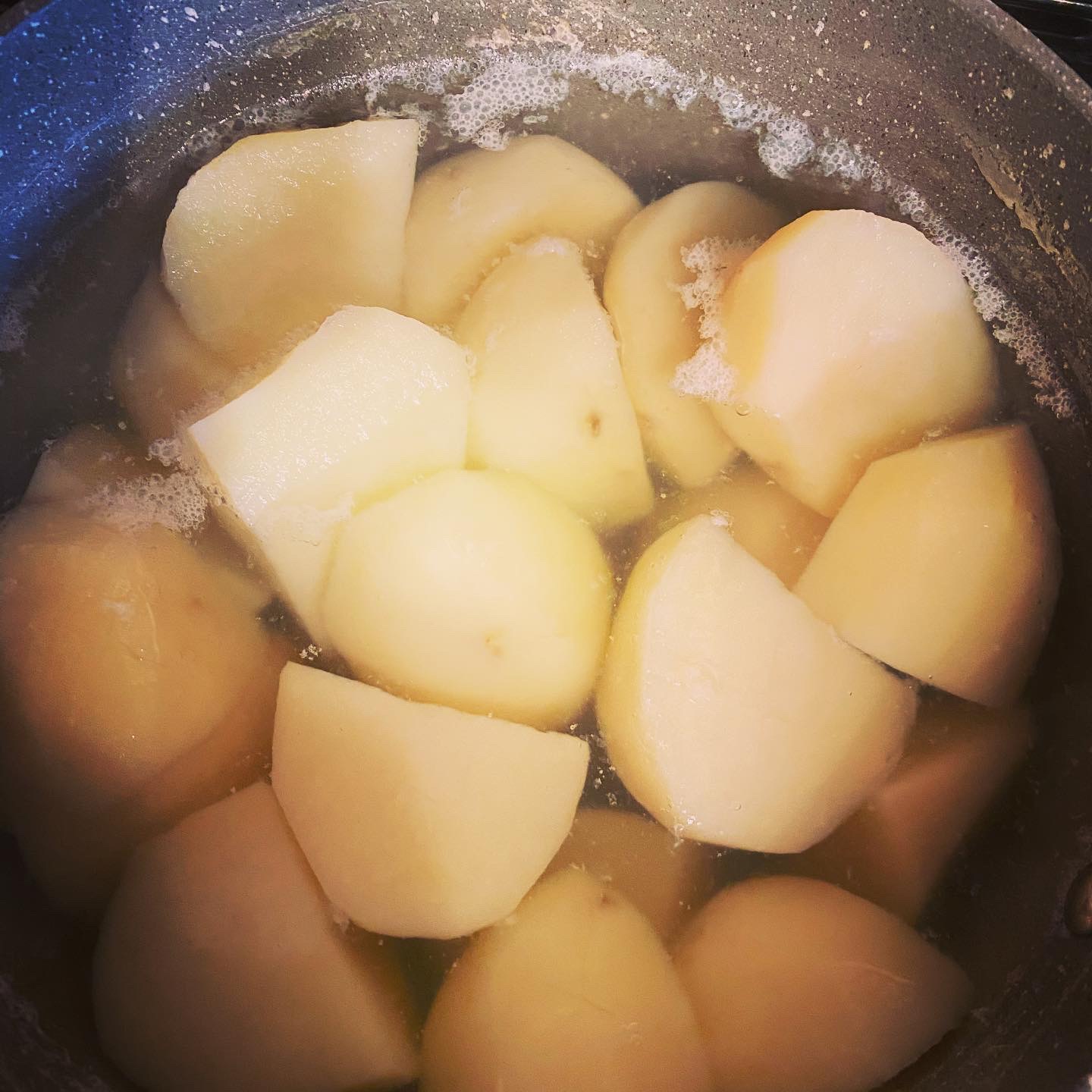
Parboiling is essential. It softens the potatoes just enough to rough up the surface, and those rough edges are exactly what create the crunch. A smooth potato rarely becomes a truly great roast potato.
The fat matters too. Whether you use goose fat, duck fat or a good roasting oil, it needs to be properly hot before the potatoes go into the tin. That initial sizzle helps the outside start crisping immediately rather than absorbing the fat and becoming heavy.
Finally, roast potatoes need space. If the tray is overcrowded, they will steam rather than roast, and no amount of hope or turning will rescue them from that fate.
The best fat for roast potatoes
The fat you choose for roast potatoes affects both flavour and texture. Some give a richer, more traditional finish, while others keep things lighter and a little less assertive. None is wrong, but each brings something slightly different to the tin.
Goose fat is perhaps the classic choice for many British roast dinners. It gives the potatoes a beautifully crisp finish and a rich, savoury flavour without overpowering them. If you want roast potatoes that feel deeply traditional and quietly luxurious, goose fat is hard to beat.
Beef dripping produces excellent roast potatoes too, deeply savoury and particularly well suited to roast beef. It brings a fuller, more robust flavour, and the potatoes often develop a wonderfully crisp, almost glassy exterior.
Chicken fat, or schmaltz, is a fine choice if you are roasting a chicken and want the potatoes to reflect the flavour of the rest of the meal. It gives them a deeply savoury finish and makes especially good sense when using the fat from the roast itself rather than introducing something separate.
Duck fat behaves similarly to goose fat, giving excellent crispness and plenty of flavour. It can feel a little more indulgent, but that is hardly a criticism where roast potatoes are concerned.
For a lighter option, olive oil works well, particularly if you want potatoes that still crisp nicely but feel a little less rich. It will not give quite the same traditional depth as animal fats, but it remains a very good and reliable choice. A neutral roasting oil such as sunflower or vegetable oil also works perfectly well.
If you are cooking a roast dinner, it often makes sense to use the fat from the meat itself. Potatoes roasted beneath a chicken, or in the same oven with some of the pan juices and fat added to their tin, take on extra flavour and tie the whole meal together beautifully.
Best potatoes for roasting
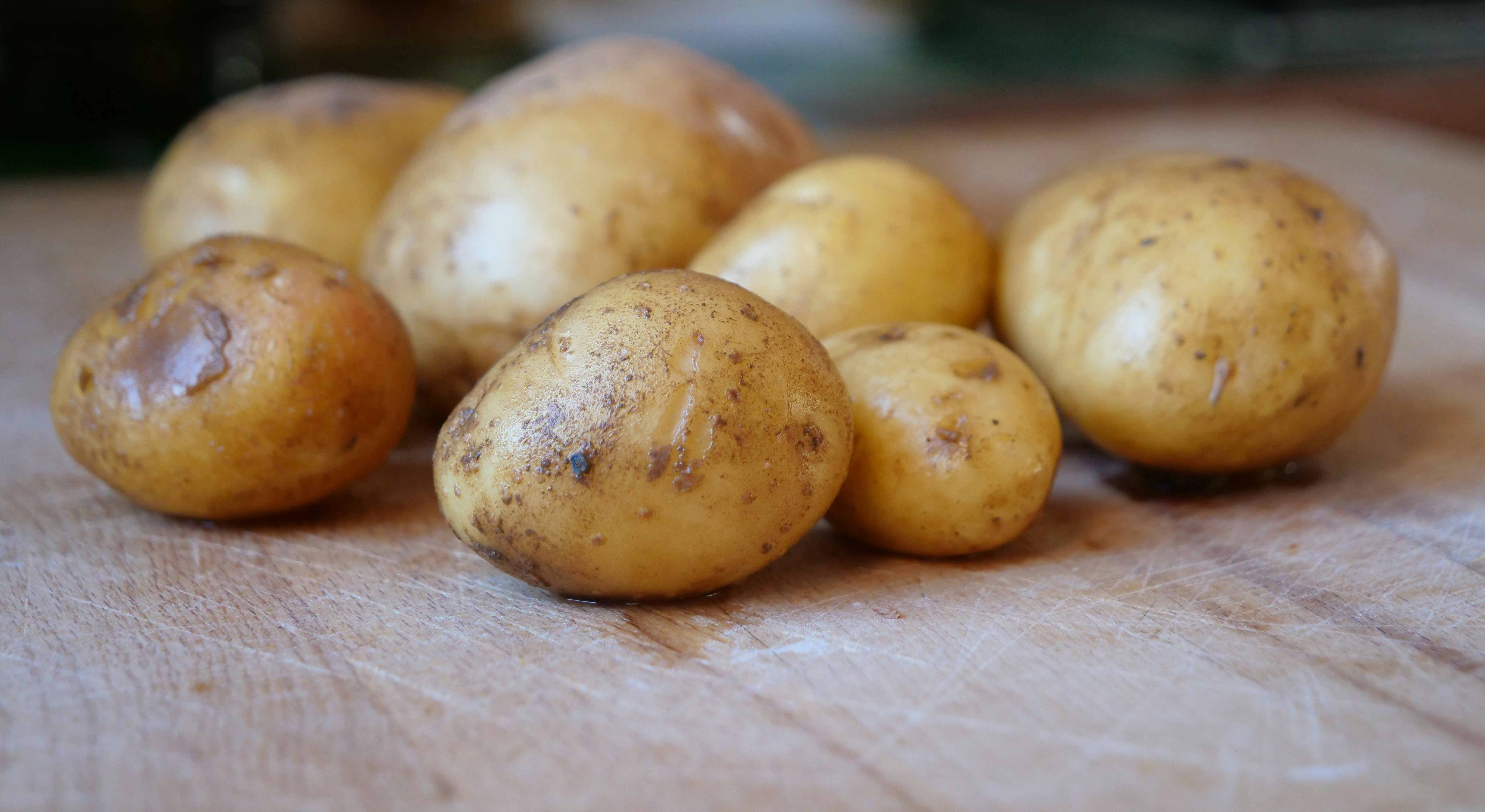
For truly good roast potatoes, a floury potato is the best place to start. Maris Piper is my usual choice because it gives exactly the texture you want: soft enough to rough up after parboiling, sturdy enough to hold its shape, and fluffy in the middle once roasted. King Edward is another excellent option, while in Ireland floury potatoes such as Kerr’s Pink and Golden Wonder also roast beautifully. For readers in the US, Yukon Gold is often the easiest alternative, though the finished texture is usually a little less fluffy than that of a true floury roasting potato.
I always peel my potatoes for roasting. Some people prefer to leave the skins on, and that can certainly work for more rustic traybakes or weeknight roasting, but for proper roast potatoes I find peeling gives a better result. The edges roughen more easily after parboiling, the surface crisps more evenly in the hot fat, and the finished texture feels more in keeping with the classic roast dinner version.
What you are looking for is a potato that will soften just enough when parboiled to create a floury outer layer. That roughened surface is what turns beautifully golden and crisp in the oven, while the centre stays soft and fluffy.
If all you can find is an all-rounder potato, they will still roast, but they are less likely to give you that dramatic contrast between shattering crust and cloud-like middle that makes roast potatoes worth the effort in the first place.
Recipe tips
Parboiling is not the stage to rush. The potatoes need to soften enough that the edges begin to break down slightly, but not so much that they collapse. You want them tender around the outside, still holding together in the middle, and ready to rough up when shaken.
Once drained, give the pan a firm shake with the lid on. That slightly battered, floury outer layer is what creates the crisp, craggy edges later on, and those rough edges are exactly where the magic happens.
Always heat the fat in the roasting tin before adding the potatoes. The sizzle when they hit the tin is the sound of a better roast dinner in the making. If the fat is merely warm rather than properly hot, the potatoes are more likely to absorb it than roast in it.
Do not overcrowd the tray. Roast potatoes need space around them so the heat can circulate properly. If they are packed in too tightly, they will steam rather than crisp, and no amount of hopeful turning will entirely solve that problem.
Turn them at least once during roasting, but do so with a little care. You want to preserve the craggy edges rather than knock them off.
If you are roasting them alongside meat, do not be afraid to let some of the meat juices and fat find their way into the tin. It ties the whole meal together and gives the potatoes an extra savoury depth that no packet seasoning can imitate.
Frequently Asked Questions
Why aren’t my roast potatoes getting crispy?
It comes down to one of four things: the potatoes were not parboiled enough, the fat was not hot enough, the tray was overcrowded, or the potatoes were not roughed up properly before roasting. Good roast potatoes need that floury outer layer and enough space in the tin to crisp rather than steam.
Do I need to parboil roast potatoes first?
Yes, if you want the classic roast-dinner texture. Parboiling softens the outside of the potatoes so that, once shaken, they develop the rough, craggy edges that turn crisp and golden in the oven. Skipping that step usually means a smoother, denser result.
What is the best fat for roast potatoes?
That depends on the flavour you want. Goose fat gives a rich, traditional finish, beef dripping makes deeply savoury roast potatoes, and chicken fat or schmaltz works beautifully alongside roast chicken. Olive oil is a good lighter option and still gives excellent results when properly heated.
What are the best potatoes for roasting?
A floury potato is best. Maris Piper is my usual choice, while King Edward, Kerr’s Pink and Golden Wonder are all excellent too. In the US, Yukon Gold is often the easiest alternative, though the finished texture is usually a little less fluffy than a true floury roasting potato.
Can I make roast potatoes ahead of time?
You can get ahead by peeling and parboiling the potatoes earlier in the day, then letting them dry before roasting later. Fully roasted potatoes are always best eaten fresh from the oven, when the outsides are at their crispest.
Should I peel potatoes for roasting?
I do. For proper roast potatoes, I find peeling gives a better texture and allows the edges to rough up more easily after parboiling. Some people prefer skins on for a more rustic style, but peeled potatoes give the more classic crisp-outside, fluffy-middle result.
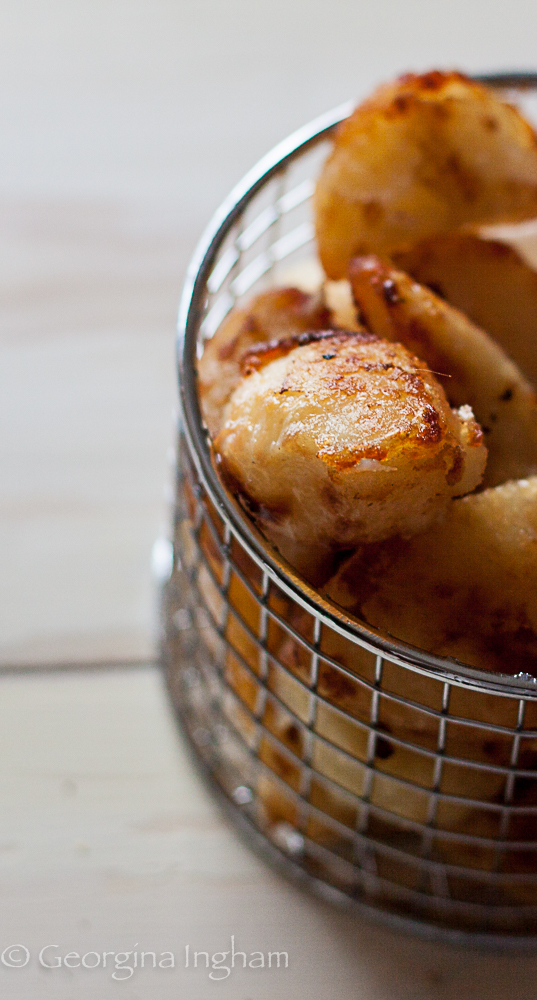
The Ultimate Roast Potatoes
A floury potato, properly parboiled, roughly shaken and roasted in hot fat, gives you exactly what you want: crisp, golden edges and a fluffy centre ready to catch every last bit of gravy.
Prep time: 15 minutes
Cook time: 45 minutes
Total time: 1 hour
Serves: 4
Ingredients
1kg Maris Piper potatoes
150g goose fat
Salt, for the water
Method
1. Peel the potatoes and cut them into evenly sized pieces. I usually cut each potato into three, trimming off each end so that you are left with two angled sides and a wedge-like centre piece. The aim is not neatness so much as creating plenty of edges to crisp up in the oven.
2. Preheat the oven to 220°C / 200°C fan
3. Put the potatoes into a pan of well-salted boiling water and parboil for around 5 minutes. They should be beginning to soften at the edges, but still holding their shape.
4. Drain the potatoes well, then return them to the empty pan. Put the lid on firmly and give the pan a good shake so the edges rough up slightly. This is what creates the floury outer layer that will later turn crisp and golden in the oven.
5. Meanwhile, put the goose fat into a large roasting tin and heat it in the oven until properly hot.
6. Carefully tip the potatoes into the hot tin and turn them in the fat so they are lightly coated all over. Spread them out in a single layer, making sure they have enough space to roast rather than steam.
7. Roast for around 45 minutes, turning once halfway through, until deeply golden, crisp and crunchy.
8. Lift the potatoes from the tin with a slotted spoon and drain briefly on kitchen paper if you wish, then serve immediately while piping hot.
Notes
Maris Piper is my first choice for roast potatoes, but King Edward, Kerr’s Pink and Golden Wonder also work beautifully. In the US, Yukon Gold is often the easiest alternative, though the texture will usually be a little less fluffy.
Goose fat gives a rich, classic finish, but beef dripping, chicken fat, duck fat or olive oil can all be used instead depending on the rest of the meal and the flavour you want.
If you want to push the flavour a little further, add a few lightly crushed garlic cloves and a sprig or two of rosemary or thyme to the fat during the last 15 to 20 minutes of roasting. The potatoes will pick up the scent beautifully, but adding them too early risks the garlic or herbs catching in the heat.
For the crispest results, do not overcrowd the tray and make sure the fat is properly hot before the potatoes go in.
Final thoughts
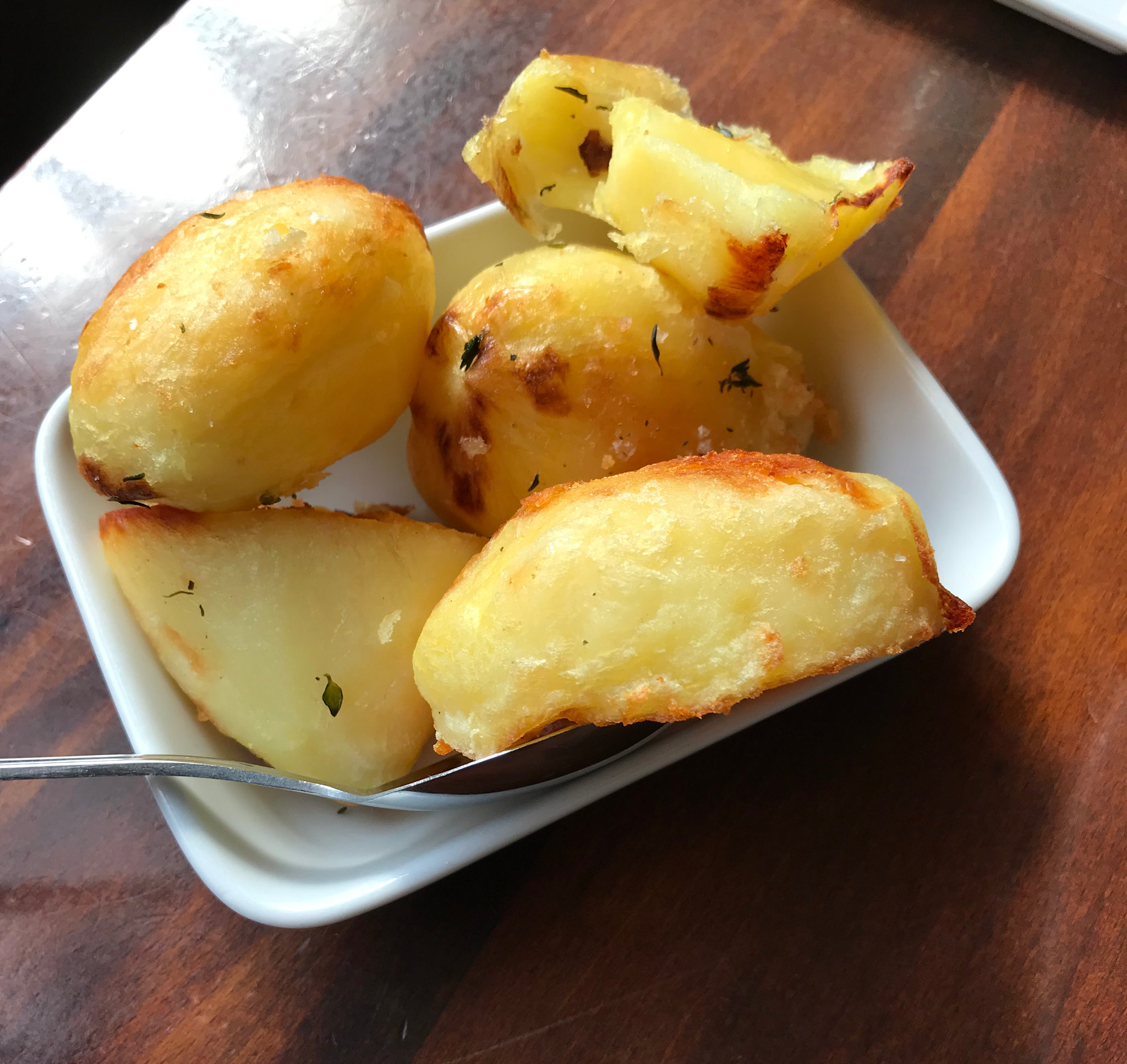
There is nothing complicated about good roast potatoes, but there is a world of difference between potatoes that are merely roasted and potatoes that are properly crisp, fluffy and worth reaching for first. A little rough handling, a hot tin, and the right fat do most of the work. The rest is patience, heat and a certain refusal to settle for pale, apologetic potatoes when something far better is possible.
If there is a true heart of the roast dinner, it is probably here.
Stay in Touch
Culinary Travels publishes destination guides, seasonal recipes, and food-led travel features from the UK and beyond.
Follow for new articles and updated travel resources:
Facebook | Instagram | Pinterest
Newsletter
Receive new guides, recipes, and occasional travel planning notes by email: Subscribe here
Reader feedback and local recommendations are always welcome via the contact page.
©2026 Culinary Travels. Culinary Travels is written and edited by Georgina Ingham | Website designed by The Smarter Web Company
What Our Followers Say
"Oh yum!!! I could eat one or two right now!"
Sami Tamimi
"Georgina was great to work with, quick to respond, and is an excellent content writer - would highly recommend collaborating with her!"
Nick S, Get Blogged
Our list of things to do in Cork has just expanded hugely thanks to Culinary Travels.
Triskel Art Centre Cork