
Articles


Where to Stay in Cornwall + a Realistic 5–7 Day Itinerary
Some posts on Culinary Travels may contain affiliate links, meaning I may earn a small commission at no extra cost to you. I only recommend products, places and experiences that fit the editorial tone and standards of the site.
Update Note: Originally published in October 2020 and fully updated in February 2026 to reflect current visitor information and travel guidance.
Cornwall looks small on a map. In practice, it rarely feels that way.
First-time visitors often try to see everything — St Ives, Land’s End, hidden coves, fishing villages — only to discover that distances are slow, roads are narrow, and choosing the wrong base can turn a relaxing holiday into hours of driving. Planning where to stay matters here more than in most UK destinations.
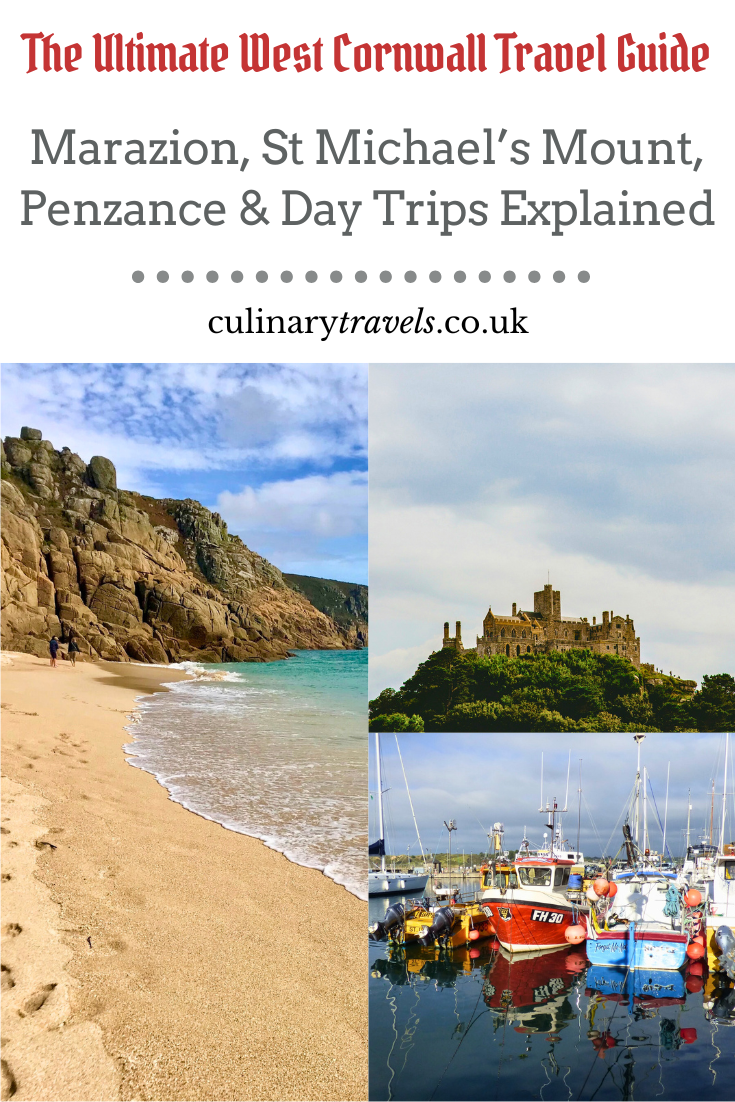
I’ve been visiting Cornwall since childhood, and have stayed in multiple areas of the county, including West Cornwall, the north coast and inland moorland villages, but on a recent trip we based ourselves in Marazion and explored West Cornwall from there. That decision shaped the entire experience: St Michael’s Mount was walkable, Mousehole and Penzance were easy evenings out, and even Land’s End was a comfortable half-day trip without constantly moving accommodation.
This guide explains how Cornwall actually works — where to stay, how long you need, what to expect from the driving, and how to structure a realistic 5–7 day trip, so you can plan confidently before booking.
Last updated February 2026 — routes, parking and visitor information checked.
Cornwall at a Glance
Best base for a first visit: West Cornwall (Mount’s Bay / Marazion or nearby Penzance)
Ideal trip length: 5–7 days to explore one region properly
Do you need a car? Strongly recommended — many beaches, coves and viewpoints sit beyond rail routes
Closest main rail station: Penzance (direct trains from London Paddington)
Driving reality: Distances are short but slow; 20–30 miles can take an hour in summer
Best months to visit: May–June and September for good weather with fewer crowds
Busiest period: School holidays and August, when parking and accommodation fill quickly
Good for: Coastal walks, harbour towns, food-focused trips and relaxed sightseeing rather than fast-paced touring
Understanding Cornwall Before You Visit
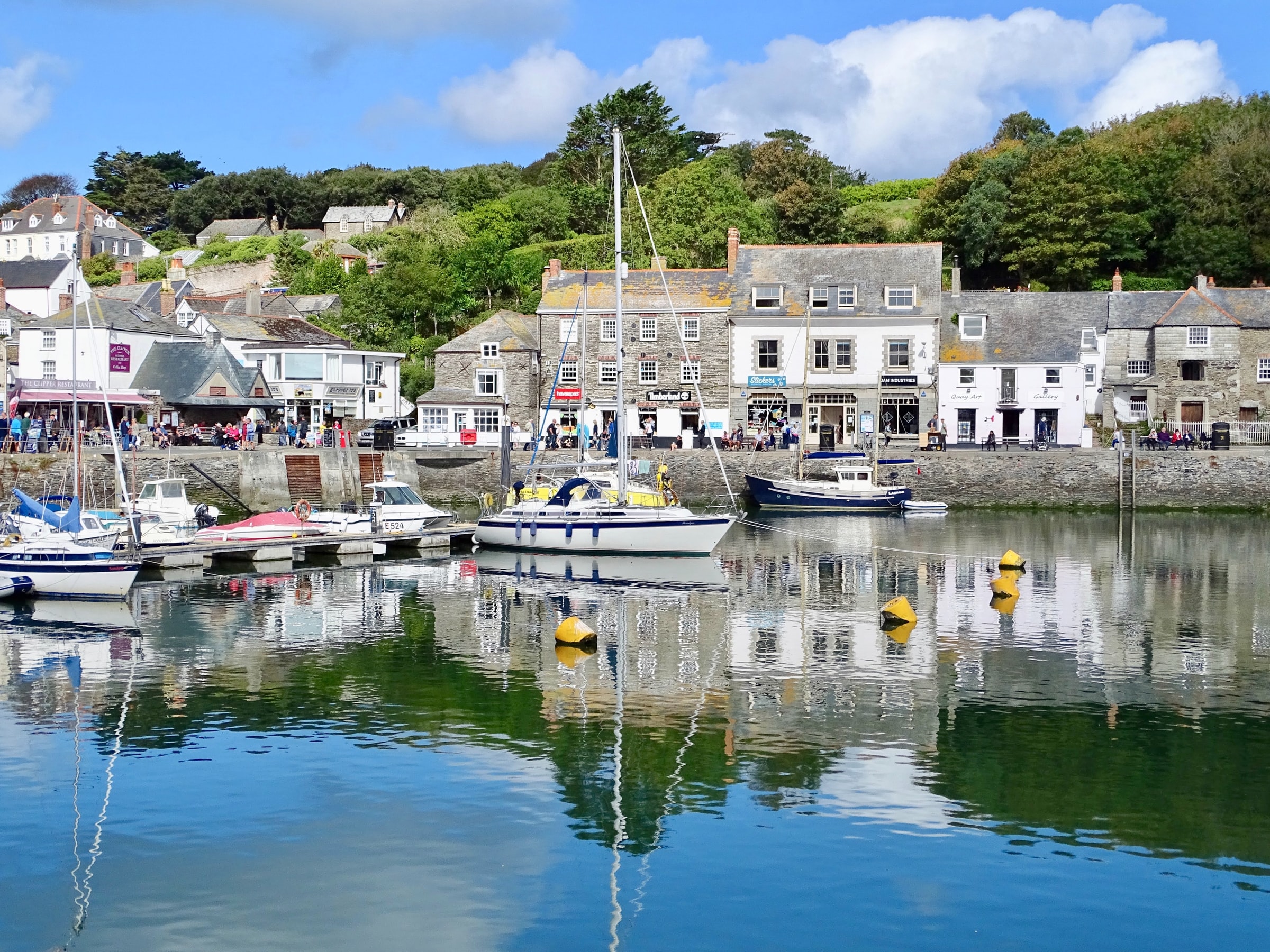
Cornwall is a peninsula rather than a single destination, and each part feels different. The north coast faces the Atlantic, with dramatic cliffs and surf beaches, while the south coast is calmer, with harbours and sheltered bays. The far west — around Mount’s Bay and the Penwith peninsula — has an unusually high concentration of historic landmarks within a relatively small area.
The mistake many first-time visitors make is assuming they can easily move between all these regions each day. In reality, travel times are slower than expected. Narrow lanes, coastal roads and summer traffic mean a journey that looks short on a map can take far longer than planned.
Because of this, Cornwall works best when you treat it as a series of smaller areas rather than a single checklist of sights. Choosing one base and exploring nearby places properly is far more enjoyable than trying to cross the county daily — and you won’t feel like you’ve missed anything by leaving some places for a future visit.
Getting Around Cornwall (Why Transport Planning Matters)
Cornwall is easy to reach, but it takes more planning to move around once you arrive.
Rail connections are good as far as Truro and Penzance, and travelling down by train is a genuinely beautiful journey, especially as the line reaches the coast in South Devon. Connections vary depending on where you start, so it helps to check journey times in advance — you can look up current routes and travel times here. However, most of the places people imagine visiting — small harbours, coves, headlands and rural beaches — sit well beyond the rail network. To explore properly, you will almost certainly want a car.
The surprise for many first-time visitors is how slow distances can be. On a map the county looks compact, but many roads are narrow lanes bordered by high hedges, with blind bends and passing places. It is completely normal to meet tractors, delivery vans or oncoming cars where only one vehicle fits. Sat-nav journey times are often optimistic, and a 20–30 mile drive can easily take an hour or more in summer.
The roads themselves are part of the character of the place — scenic and enjoyable when you allow for them, but stressful if you try to fit too many stops into one day. Cornwall rewards a different approach to travel: choose a base area and explore nearby places in clusters. Once you plan around this, the driving becomes part of the holiday rather than a daily race between locations. After the first day, the roads quickly become familiar and driving feels far less intimidating than expected. If you’re planning a longer UK journey, I’ve shared general road trip planning tips here.
Visiting Cornwall With a Dog
Many visitors assume Cornwall’s coastline automatically means dog-friendly beaches, but access varies more than expected.
Several beaches have seasonal restrictions during late spring and summer daytime hours, while others allow dogs only early morning and evening. It often depends on the specific beach rather than the town itself, and the rules are usually displayed on local council signage when you arrive.
We discovered this while staying in Marazion with our two dogs. Having multiple nearby walking options made a real difference, as it meant we weren’t relying on a single beach each day. When planning accommodation, it is worth checking that at least one reliably dog-friendly beach or coastal path is close by so your daily plans don’t depend on tide times or seasonal restrictions.
The easiest approach is to check the local council website for your chosen area before travelling — the information is clear once you know where to look, but it is easy to miss when planning.
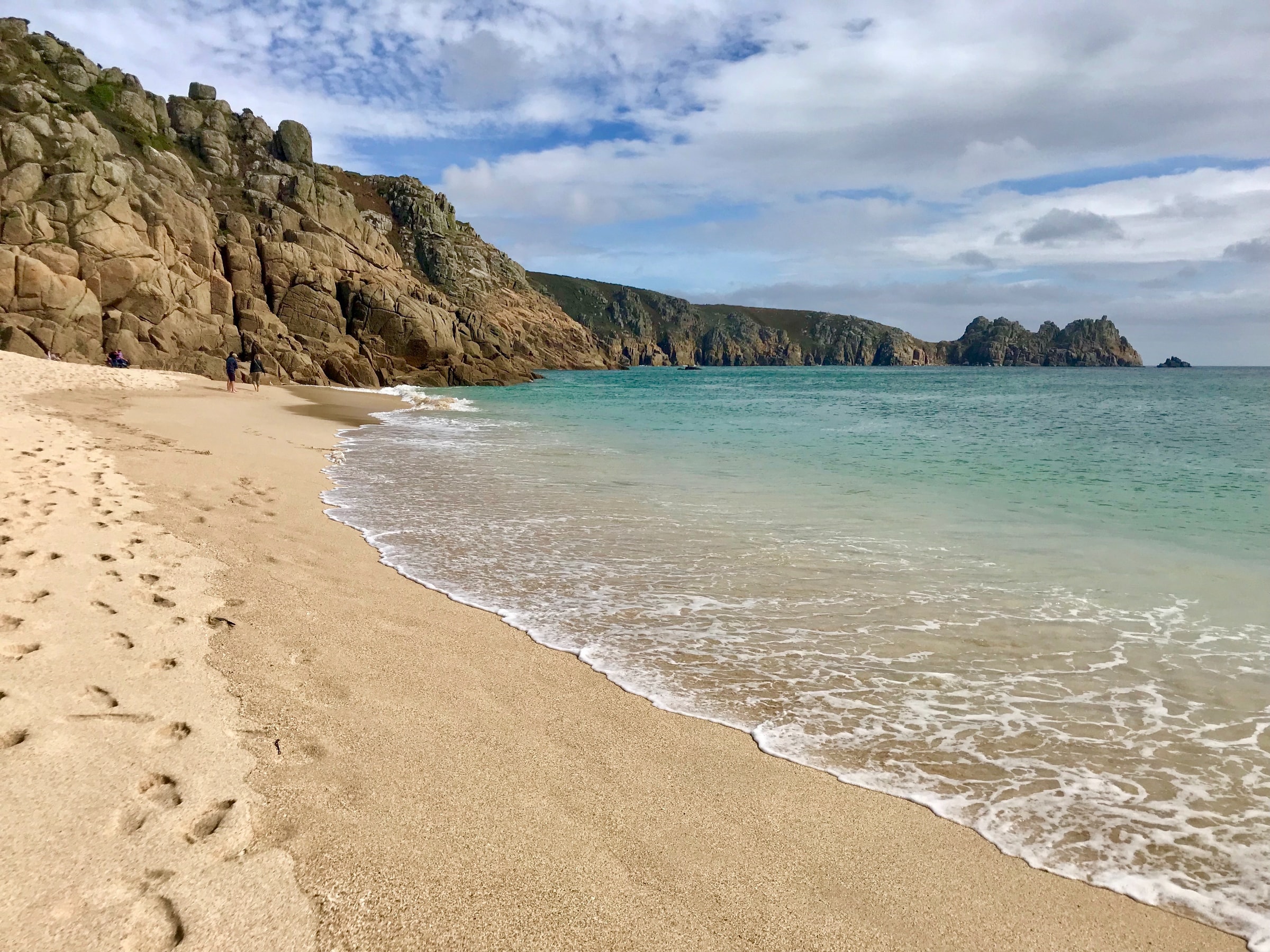
Where to Stay in Cornwall (and Why We Chose Marazion)
Choosing where to stay in Cornwall shapes the entire trip more than the attractions themselves.
The county is long and narrow, and travel times are slower than they appear on a map. Trying to cover the whole region from a single distant base often leads to long daily drives and rushed sightseeing. It works far better to choose one area and explore nearby places properly.
Broadly, Cornwall has three different “styles” of stay. The north coast is known for dramatic cliffs and surfing beaches, but it is busier and more exposed to Atlantic weather. The south coast is gentler, with sheltered water, harbours and fishing villages. Far west Cornwall, around Mount’s Bay and the Penwith peninsula, has the highest density of historic sites and viewpoints within a relatively small radius.
In simple terms, the best base depends on the kind of trip you want. If your priority is surfing beaches and dramatic Atlantic scenery, the north coast makes sense, but expect busier towns and more wind. If you prefer harbours, walking and calmer water, the south coast is gentler and easier to explore day to day. For a first visit focused on sightseeing rather than beach days, the far west works particularly well because many of Cornwall’s best-known landmarks sit within a short driving radius.
We based ourselves in Marazion, on the edge of Mount’s Bay, and it proved an ideal base for a first visit. If you want an overview of the village itself and current local information, the official visitor guide gives a good summary.
St Michael’s Mount is directly on the doorstep, and having a proper town like Penzance only a few minutes away mattered more than expected — somewhere to pick up supplies, have dinner and walk the promenade in the evening without another long drive. Villages like Mousehole became easy late-afternoon outings, and even Land’s End was a comfortable trip rather than an early-morning expedition. The advantage of choosing a base like this is not just convenience — it changes the pace of the trip. Instead of packing and moving accommodation every couple of nights, you can explore one part of Cornwall properly and still have time to enjoy the beaches, walks and coastal views along the way.
When planning, I compared accommodation across Mount’s Bay and the neighbouring villages first, then narrowed it down by parking and distance to the places we most wanted to visit. (This is the search tool I used to check availability in the area.)
Accommodation books quickly in summer and school holidays, so it is worth choosing a base area first and then looking for specific properties rather than the other way round.
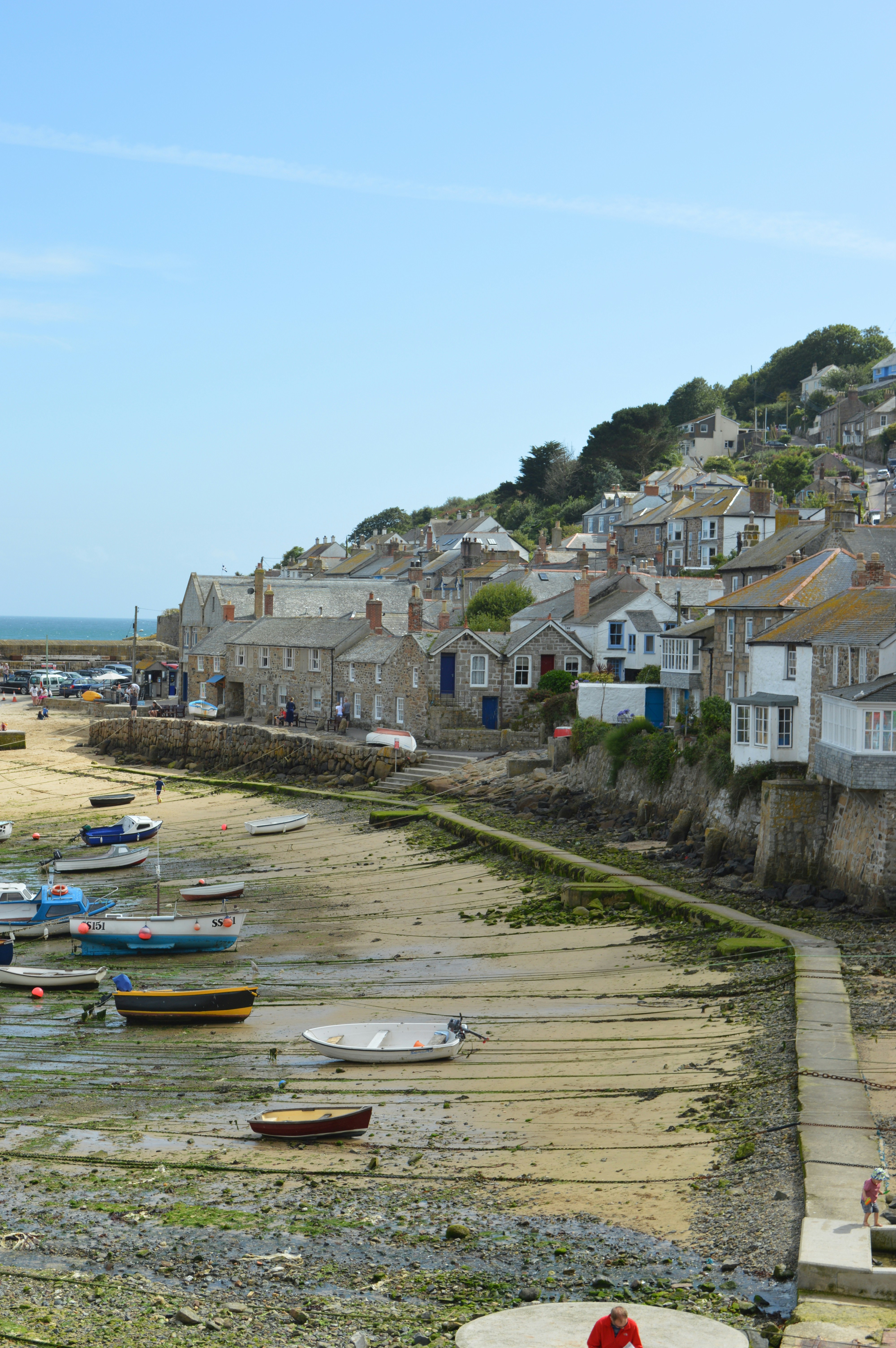
Best Time to Visit Cornwall
Cornwall can be visited year-round, but the timing changes how the trip feels and how much planning you need.
Late Spring (May–June)
Often the easiest time for a first visit. Days are long, coastal paths are bright with wildflowers, and towns are lively without peak-season crowds. Accommodation is easier to find and driving is noticeably calmer than in high summer.
Summer (July–August)
The warmest and liveliest period, with busy beaches and a holiday atmosphere. It’s ideal if you want a traditional seaside trip, but accommodation books early and roads, car parks and restaurants are at their busiest. Choosing a well-located base becomes particularly important at this time of year.
Early Autumn (September–early October)
One of the most rewarding seasons. Sea temperatures remain relatively mild, crowds thin out, and conditions are often settled. Walking, sightseeing and harbour towns are especially enjoyable, and it’s a good balance of atmosphere and practicality.
Winter (late October–March)
Quieter and more atmospheric, with dramatic seas and peaceful coastal walks. Some attractions and smaller restaurants reduce opening hours, but towns such as Penzance remain active and the coastline feels very different from summer visits. A good option if you prefer scenery and walks to beach days.
Whenever you visit, allow flexibility. The weather can change quickly, and planning a mixture of coastal walks, towns and indoor attractions makes the trip more enjoyable.
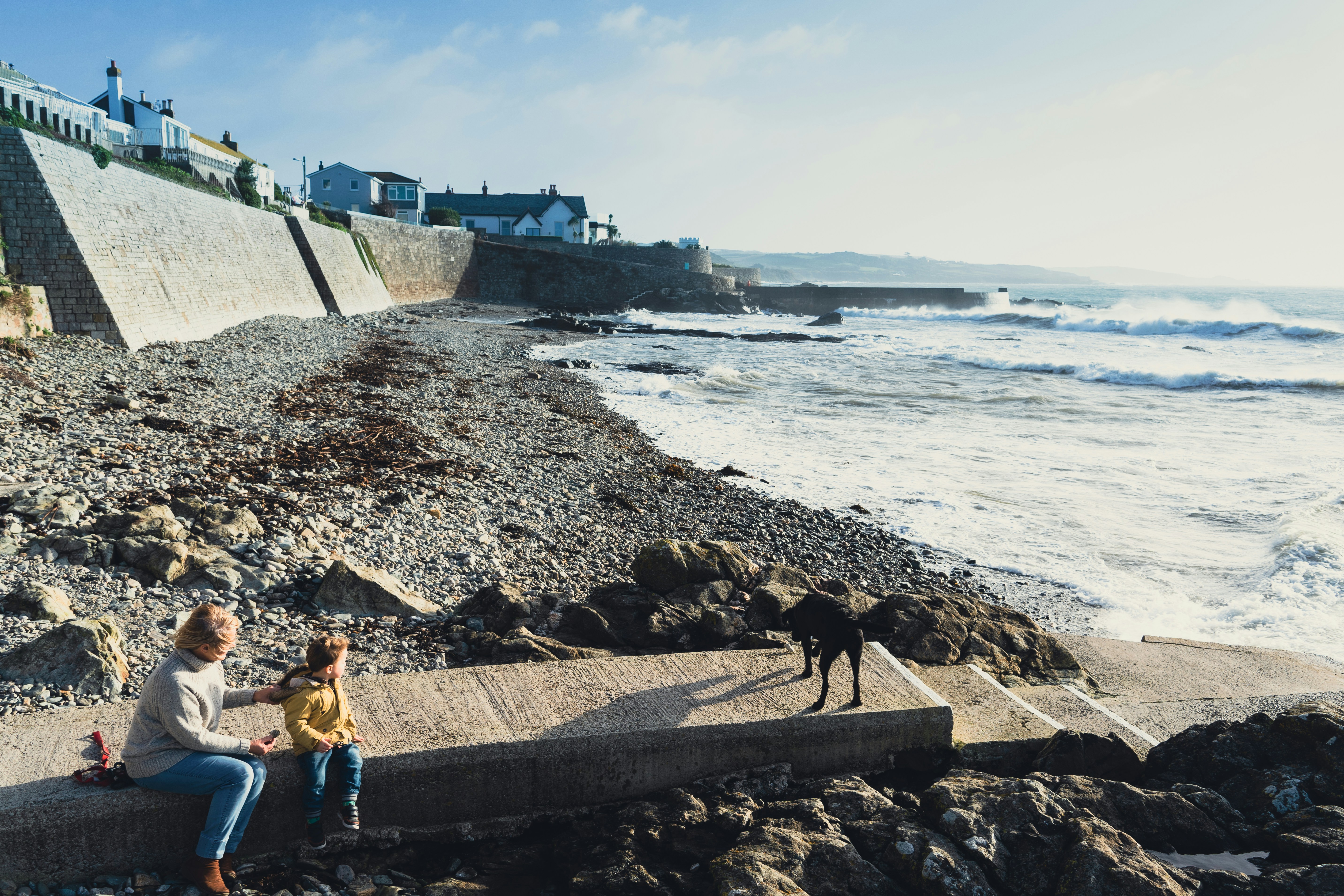
Which Cornwall Trip Suits You?
Cornwall works for many styles of travel, but the experience changes depending on what you want most from the trip. Choosing your base with this in mind makes planning much easier.
First-Time Sightseeing Trips
If this is your first visit and you want to see well-known landmarks, a base in West Cornwall works particularly well. St Michael’s Mount, Land’s End, harbour villages and coastal viewpoints all sit within a relatively short driving distance, so you spend more time exploring and less time travelling.
Relaxed Coastal Breaks
For slower days, harbour walks and gentle coastal scenery, the south coast is often the easiest option. Towns around Mount’s Bay allow evenings out, shorter drives and flexible plans if the weather changes.
Beach & Surf Holidays
Travellers focused mainly on beaches and surfing often prefer the north coast. The scenery is dramatic and the beaches are larger, but distances between towns are greater and conditions can be windier.
Walking & Scenic Drives
Visitors interested in walking routes and coastal paths can choose almost any area, but benefit from limiting daily distances. Planning one main outing each day and allowing time for viewpoints and small stops makes the trip far more enjoyable than trying to combine multiple distant locations. If you enjoy landscape walks rather than urban sightseeing, I’ve written about a very different kind of scenery in my Stanage Edge guide in the Peak District.
Most trips naturally mix several of these styles, but deciding which matters most before booking accommodation helps the whole holiday feel more relaxed.

Eating in Cornwall (What to Know Before You Go)
One of the nicest parts of a Cornwall trip is how closely food is tied to place. Small harbours, fishing towns and inland villages all have very different rhythms, and it helps to think about evening meals when choosing where to stay.
In Mount’s Bay, having Penzance nearby made a real difference. After days out, it was easy to head into town for dinner rather than facing another long drive on narrow roads. We also discovered how seriously locals take their pasties — queues at Philps Bakery in Marazion form early, and for good reason.
Further afield, Padstow is known for seafood restaurants, while fishing ports such as Newlyn offer informal meals right beside the harbour. Inland villages on Bodmin Moor tend to revolve around traditional pubs serving substantial food, which can be particularly welcome after coastal walks.
The practical lesson is to check opening days and book ahead in peak season. Many independent places close one or two days a week outside high summer, and popular places fill quickly during school holidays. Planning at least a couple of dinners in advance makes evenings far more relaxed, especially after a day spent exploring.

Common Mistakes First-Time Visitors Make
Many people enjoy Cornwall more once they understand how differently it works from a typical city break.
Trying to see both coasts in one day is the most common issue. Distances look small on a map, but narrow lanes and summer traffic make cross-county trips slower than expected.
Choosing accommodation before deciding which area to explore can also cause frustration. A well-located base matters more here than squeezing in an extra attraction.
Arriving at St Michael’s Mount without checking tide times catches out many visitors — access changes throughout the day and can affect how long you spend there.
Not booking evening meals in busy periods is another surprise. Harbour towns can feel lively during the afternoon but have limited restaurant availability later in the day.
Finally, many visitors simply plan too much. Cornwall rewards slower exploration, and leaving space in the schedule often leads to the most memorable parts of the trip.
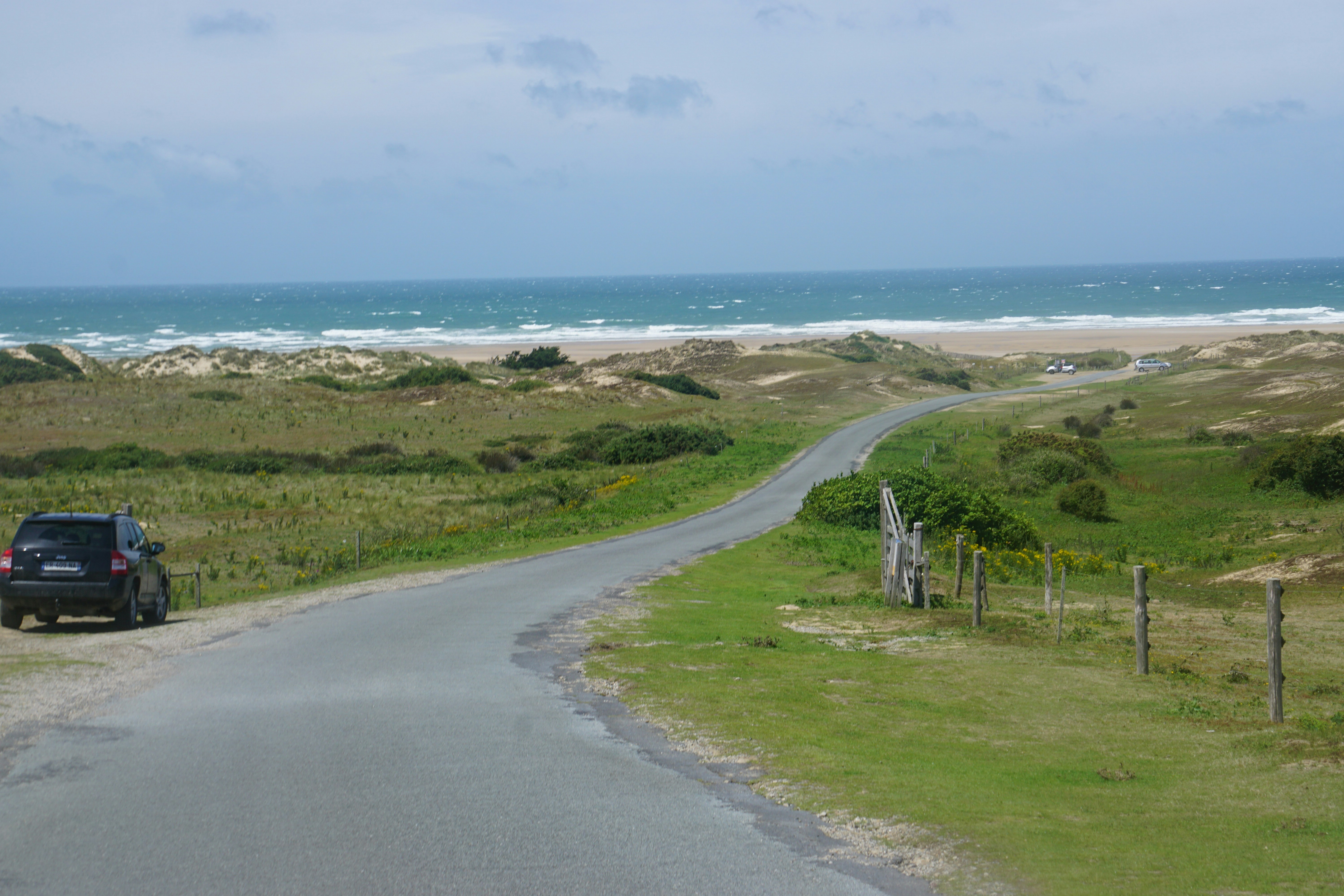
A Realistic 5–7 Day Cornwall Itinerary
Cornwall is best explored in small areas rather than trying to cross the county every day. For a first visit, a 5–7 day trip works well when you group places geographically. Think in terms of relaxed days with one main outing and time left over, rather than trying to fit several major stops into each day. It’s a similar principle to planning a Scottish road trip — distances look manageable on a map but experience improves dramatically when you slow the pace.
West Cornwall (Mount’s Bay & the Penwith Peninsula)
This is where we spent most of our time based in Marazion, and it works particularly well at the start of a trip while you find your bearings.
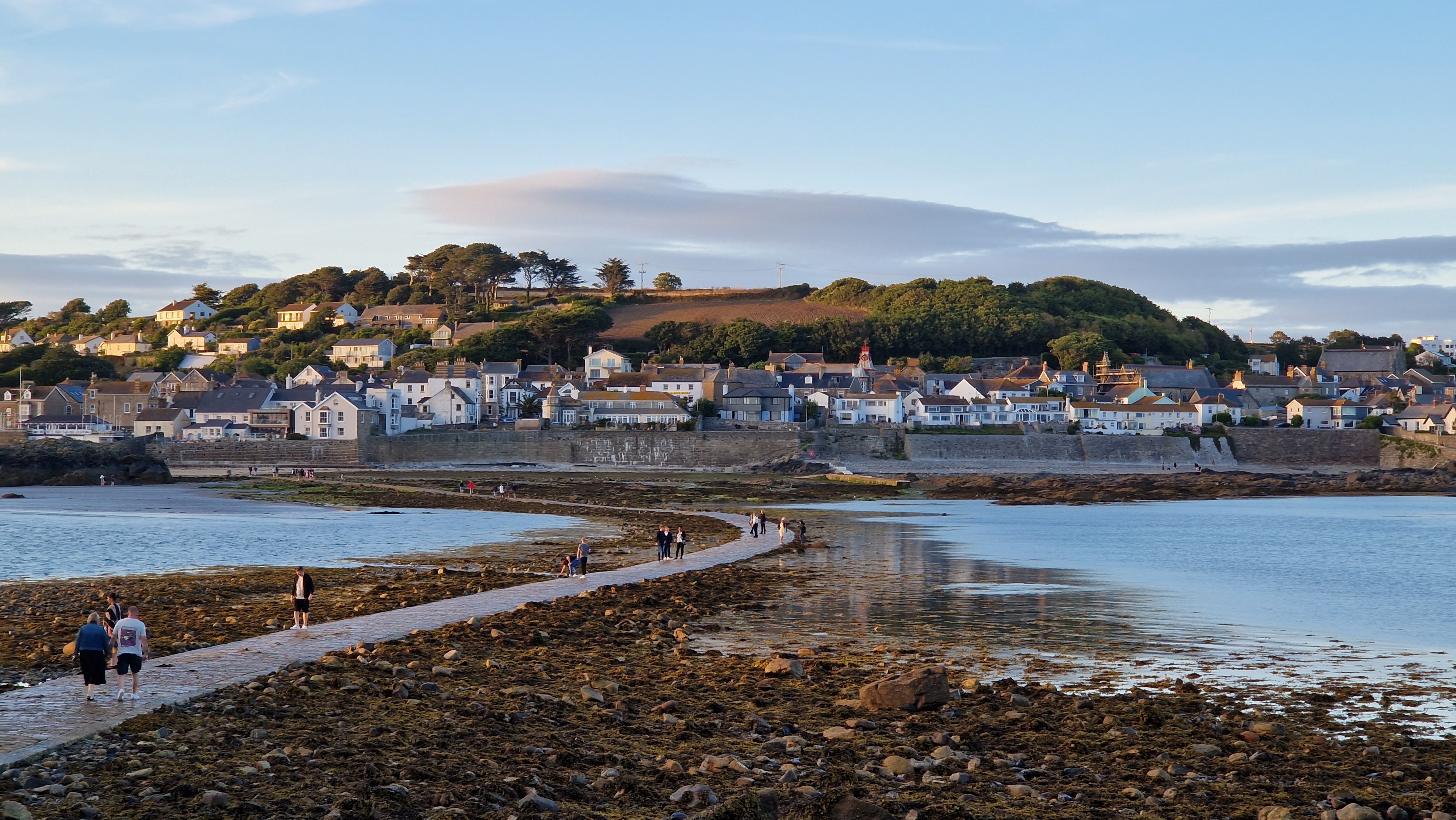
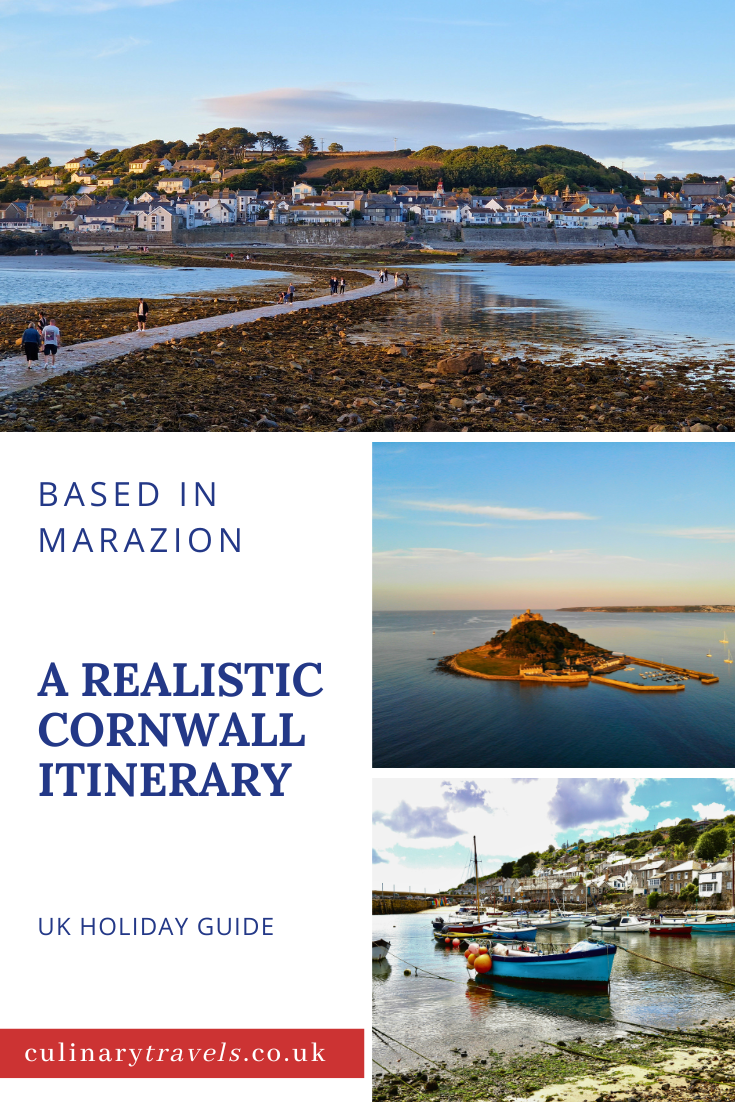
St Michael’s Mount is a natural first outing. Check the tide times in advance: at low tide you can walk across the causeway, while at high tide small boats run to the island. Allow a half day rather than trying to combine it with several other attractions — the gardens, harbour and views across Mount’s Bay are best enjoyed slowly. You can check current opening information and access details on the official National Trust visitor page.
Nearby, Penzance works well for supplies and evening meals, and Mousehole is ideal for a short late-afternoon visit when the harbour quietens. Land’s End is most enjoyable when paired with a short coastal walk rather than treated as a quick photo stop. Even a short stretch of the coast path quickly leaves the visitor complex behind and reveals the dramatic Atlantic scenery.
An Inland Day (Bodmin Moor & the Eden Project)
After a couple of coastal days, an inland excursion provides a welcome contrast. Bodmin Moor feels wilder and quieter, with open views, grazing animals and historic sites scattered across the landscape. It’s a good option on clearer days when visibility is best.
The nearby Eden Project makes a natural partner for this day and is particularly useful if the weather turns. The biomes provide shelter while still feeling like a day out rather than a fallback plan, and booking a timed entry in advance avoids queues during busy periods.
North Coast or Harbour Town Day
If time allows, spend one day seeing a different side of Cornwall. Towns such as Padstow or a section of the Camel Trail offer estuary scenery and flatter walking or cycling routes. This works best as a single longer outing rather than combined with other distant stops.
This map shows the key places mentioned in the itinerary and how they cluster by region once you’ve chosen a base.
Distances can look intimidating plotted like this, but most days involve short local drives once you’re based in one area.
Places We Explored From Our Base
St Michael’s Mount
The advantage of staying in Marazion is that St Michael’s Mount becomes part of the daily rhythm rather than a major excursion. At low tide you can walk across the causeway, while at high tide small boats ferry visitors across the water. Checking tide times beforehand makes a real difference — arriving on foot feels completely different from arriving by boat, and it’s worth planning the day around that.
Mousehole
A short drive from Marazion, Mousehole works best as a late-afternoon visit when the harbour quietens and day visitors have left. The narrow streets and cottages are easier to enjoy without trying to combine it with longer journeys, and it becomes an easy evening outing rather than a scheduled stop.
Land’s End
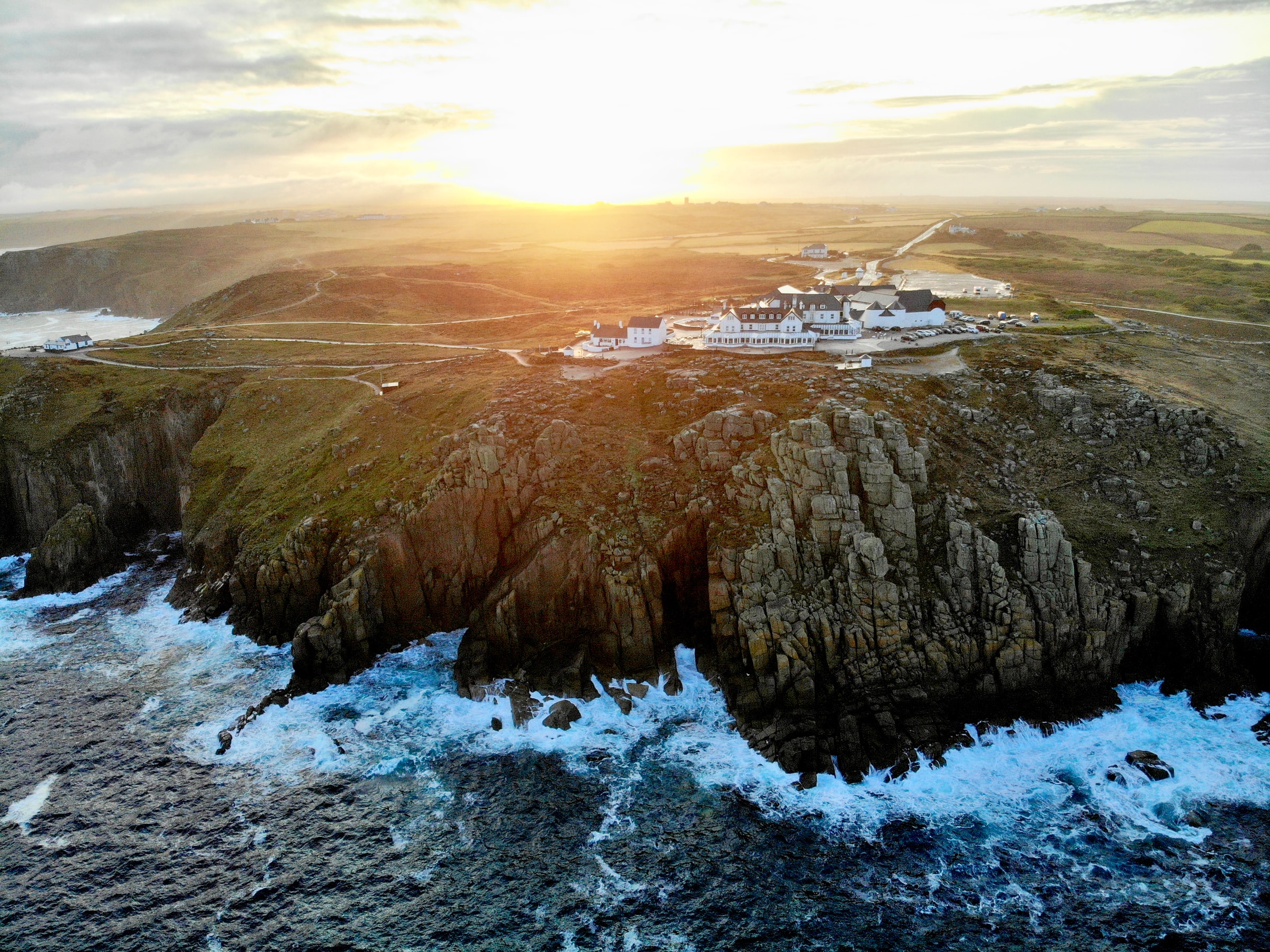
Land’s End is busier than many expect around the main viewpoint, but walking even a short distance along the coast path quickly changes the experience. Within minutes the shops disappear and you’re left with cliffs, seabirds and the Atlantic stretching west. Treat it as a coastal walk rather than a quick photo stop and it feels completely different.
Penzance
Penzance quickly became part of the practical side of the trip — somewhere to pick up supplies, have dinner and stroll the promenade in the evening. Having a proper town so close to the base removed the need for long evening drives and made the holiday feel much less rushed.
Eden Project
We visited the Eden Project as our inland day, and it worked particularly well as a contrast to the coast. The biomes are large enough to feel like a full outing rather than a short attraction, and it’s an excellent option if the weather turns. Booking a timed entry in advance helped avoid queues during busy periods, ... and this is where I checked availability before our visit.
Bodmin Moor & Jamaica Inn
We passed through Bodmin Moor on the journey home and it gave a completely different sense of Cornwall — open, windswept and quiet compared to the harbours below. Stopping at Jamaica Inn made a natural break in the drive and showed how quickly the landscape changes once you leave the coast.

Practical Tips for Visiting Cornwall
Cornwall is an easy place to enjoy once you understand its rhythms.
Parking can be limited in smaller harbours and popular beaches, especially in summer, so arriving earlier in the day makes a noticeable difference. Many towns rely on pay-and-display car parks rather than street parking, and some fill quickly in peak season. Carrying a bank card or coins for machines is useful, as not every location has reliable phone signal for apps. Many car parks are council-run rather than private, and the is helpful to check before travelling.
It is also worth booking restaurants ahead during school holidays and warmer months. Independent places often close one or two days a week outside peak season, and harbours that feel busy in the afternoon can be unexpectedly quiet in the evening simply because visitors didn’t realise reservations were needed.
Weather changes quickly. You can have bright sunshine on the coast and mist on the moor within the same afternoon, so a light waterproof layer is more useful than you expect even in summer. Checking tide times is equally helpful if you’re planning coastal walks or visiting St Michael’s Mount. Packing flexible layers makes a big difference — I’ve put together a practical eco packing guide here.
Mobile reception can be patchy in rural areas and along parts of the coast path, so it helps to screenshot directions or parking locations before setting out.
Finally, allow time. Cornwall is at its best when you stop trying to see every landmark and instead explore one stretch of coastline properly. A slower pace — beach walks, harbour evenings and short drives rather than long crossings — is what turns the trip from a checklist into a holiday.
Why a Slower Cornwall Works Best
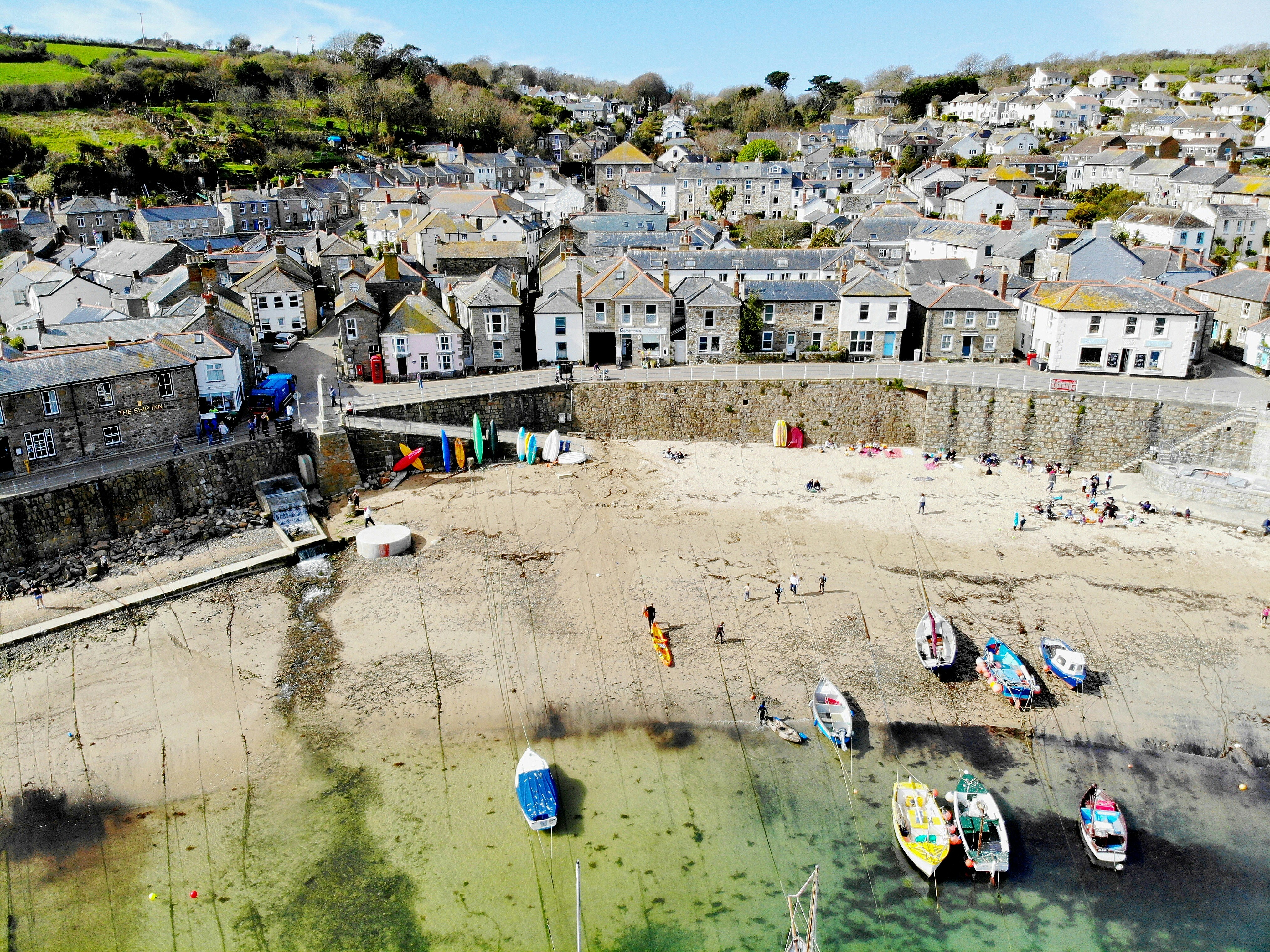
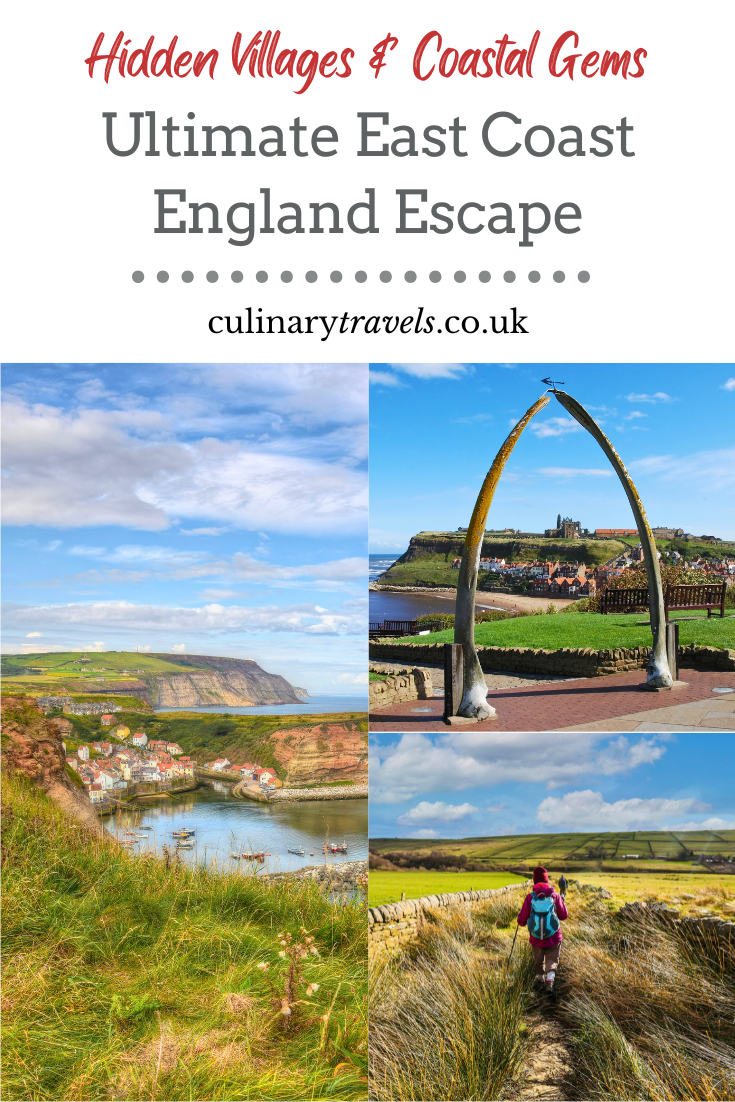
Cornwall rewards a slower approach. Once you stop trying to reach every landmark and instead spend time in one area, the days settle into an easy rhythm of coastal walks, harbour evenings and short scenic drives. We left having seen far less of the county than we first planned, but with a much clearer sense of it — and already discussing what we would return to next time. Planning a single base and allowing time around each outing made the trip feel like a holiday rather than an itinerary. The same slower style of exploring works well in other parts of England too — I found it particularly noticeable when travelling around North East England, where distances look short but days work better when grouped into areas.
If you’re planning more UK trips, you can browse all my destination guides in the travel section here. I’ll also be adding more Cornwall locations and walks over time, and this guide will be updated as they’re published.
Cornwall Travel FAQs
How many days do you need in Cornwall?
For a first visit, 5–7 days works well. This allows time to explore one main area properly, take at least one inland excursion, and still have relaxed evenings. Shorter trips are possible, but it is better to focus on one part of the county rather than trying to cross Cornwall every day.
Do you need a car in Cornwall?
In most cases, yes. Trains reach towns such as Truro and Penzance, but many beaches, villages and coastal viewpoints are beyond the rail network. Having a car makes it much easier to explore at your own pace and avoids long connections between buses.
Where is the best area to stay in Cornwall for a first visit?
A base in West Cornwall, around Mount’s Bay or the Penwith peninsula, works particularly well because several major landmarks sit within a short driving distance. Other areas suit different trips — the north coast for surfing and dramatic scenery, or the south coast for calmer harbours and walking.
Is Cornwall expensive to visit?
Accommodation is the main cost, especially in summer and school holidays. Visiting outside peak season, booking in advance and choosing a single base rather than moving frequently can make a trip much more affordable. Costs vary hugely by accommodation choice, which is why choosing the right base first often matters more than the specific property.
When is the best time of year to visit Cornwall?
Late spring and early autumn often offer the best balance of good weather and fewer crowds. July and August are lively and warmest but also the busiest. Even in summer, conditions can change quickly, so packing for mixed weather is sensible.
Are Cornwall beaches dog friendly?
Some are, but rules vary by beach. Many beaches have seasonal daytime restrictions in summer while allowing dogs early morning and evening. Checking the local council guidance for your chosen area before travelling avoids surprises.
Is Cornwall suitable for a rainy day holiday?
Yes. Attractions such as the Eden Project, museums, galleries and harbour towns provide alternatives when the weather turns. Planning a flexible itinerary helps you swap coastal walks for indoor visits if needed.
Some photographs in this guide are illustrative and sourced from licensed image libraries where my own photographs were unavailable.
Stay in Touch
Culinary Travels publishes destination guides, seasonal recipes, and food-led travel features from the UK and beyond.
Follow for new articles and updated travel resources:
Facebook | Instagram | Pinterest
Newsletter
Receive new guides, recipes, and occasional travel planning notes by email: Subscribe here
Reader feedback and local recommendations are always welcome via the contact page.

.png)
©2026 Culinary Travels. Culinary Travels is written and edited by Georgina Ingham | Website designed by The Smarter Web Company
What Our Followers Say
"A highly complimentary article ... showcasing why the English Market remains one of Ireland's premier food destinations"
Cork City Council via Facebook
"Our list of things to do in Cork has just expanded hugely thanks to Culinary Travels."
Triskel Art Centre Cork, via Twitter
“Tried this last night and it was delicious!”
Reader feedback via Pinterest, Yangzhou Fried Rice Recipe
"Oh yum!!! I could eat one or two right now!"
Sami Tamimi, via Instagram, on Ma’amoul Cookies
"Georgina was great to work with, quick to respond, and is a excellent content writer - would highly recommend"
Nick S - Get Blogged
“A simple no-knead dough transformed into beautiful, rustic rolls.”
Reader feedback via Pinterest, No-Knead Ciabatta Rolls Recipe