
Blog


North East England Travel Guide: Things to Do, Coastal Towns & Itinerary
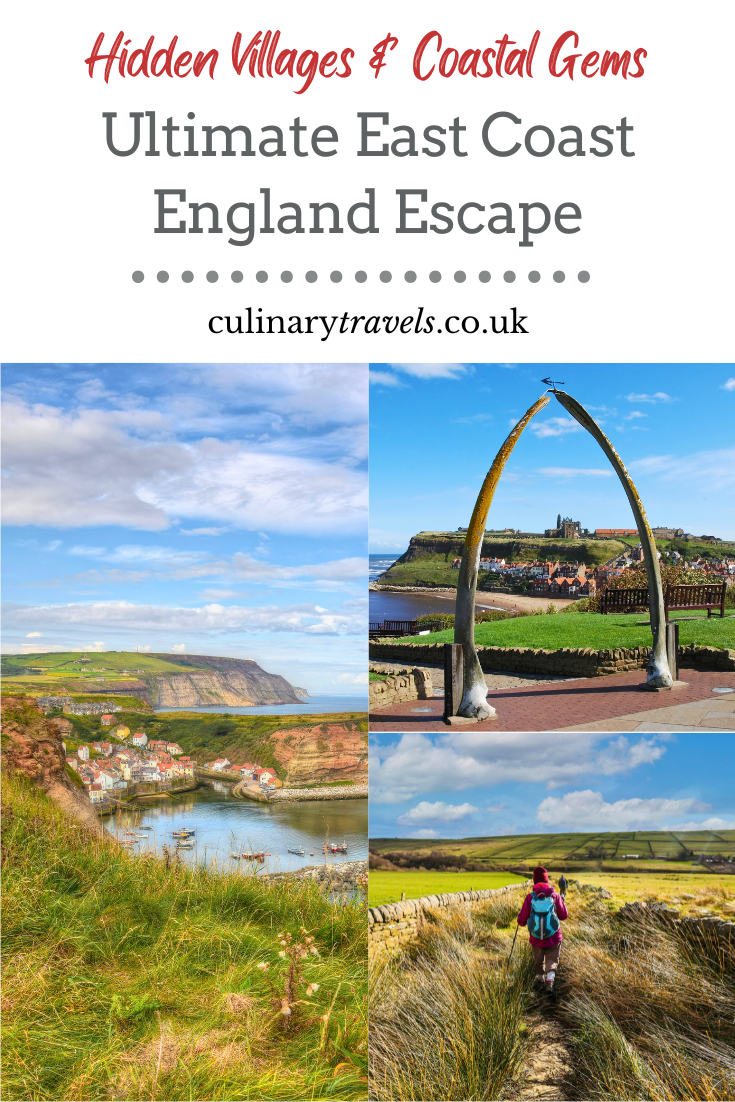
This feature was produced with the support of a commercial partner. Editorial control remains with the author. Some links on Culinary Travels are affiliate links. This means I may earn a small commission at no extra cost to you if you choose to book through them. I only recommend places and experiences that genuinely fit the style and content of the site.
North East England is a coastline built for slow travel — wide beaches, sea air that smells faintly of salt and seaweed, fishing villages clinging to cliffs, and long walking paths where the North Sea feels vast and elemental. While this stay formed part of a commercial collaboration, the wider destinations featured — including Whitby, Saltburn and the North York Moors — are places I’ve returned to for years, long before this article, and I’ve drawn on that familiarity to help readers plan a realistic visit.
Stretching from Teesside through County Durham and into Northumberland, this region offers some of England’s most atmospheric landscapes: ruined abbeys above crashing waves, working harbours filled with fishing boats, and sweeping moorland just a short drive inland.
Whether you want long coastal walks, historic towns, wildlife reserves, or simply a restorative weekend by the sea, the North East rewards unhurried exploration. Distances are short, scenery changes quickly, and it is entirely possible to begin the morning watching seabirds over the cliffs and end it with fish and chips beside a harbour.
This guide brings together places to visit, coastal routes, and practical planning tips so you can shape a trip that suits your pace — from day trips to a longer touring itinerary.
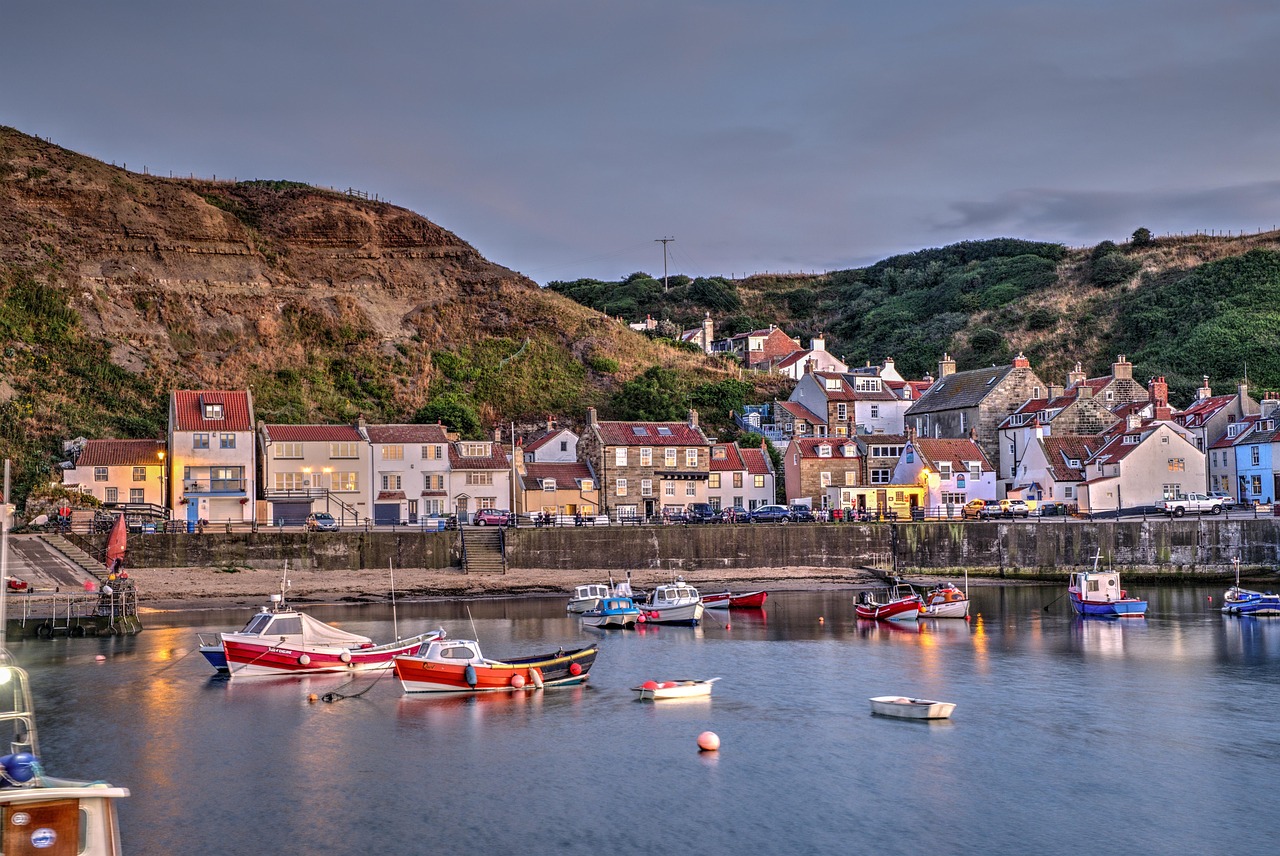
Why Visit the North East Coast of England?
The North East coast offers something increasingly rare in England: dramatic scenery without heavy crowds. From Teesside through County Durham and up into Northumberland, the coastline shifts quickly between working harbours, long sandy beaches, and high cliffs shaped by centuries of North Sea weather.
Travellers often default to Cornwall for dramatic coastlines, but the North East offers a similar sense of scale with far fewer crowds. This is a region where small distances produce very different experiences. Within a single day you can walk beside ruined abbeys overlooking the sea, watch fishing boats return to harbour, explore a market town, and still have time for a sunset beach walk. Inland, the North York Moors and Northumberland countryside sit only a short drive away, making it an ideal base for a varied short break.
Historically the coast has been shaped by fishing, mining, and maritime trade, and many towns still carry that character. Independent cafés, traditional fish and chip shops, and small museums often tell the story of the area better than any attraction. Rather than one headline destination, the North East works best as a slow-travel route, where the journey between places becomes part of the experience.
For travellers, this balance is the appeal: scenic walks, accessible heritage sites, wildlife reserves, and traditional seaside towns without the intensity of larger resort areas. Whether visiting for a weekend or building a longer coastal itinerary, the region rewards unhurried exploration.
How to Get to North East England
Reaching the North East coast is straightforward, whether you prefer driving, rail travel, or flying. The region is well connected, and once you arrive, distances between towns and coastal highlights are short enough to explore comfortably over a few days.
By Car
Driving offers the most flexibility and is often the easiest way to explore smaller villages and coastal viewpoints. The A1(M) is the main north–south route linking London and the Midlands to Durham and Newcastle, while the A19 provides a useful alternative closer to the coast. Once you leave the motorway network, coastal roads and rural routes quickly become more scenic, with beaches, harbour towns, and walking routes appearing only minutes apart.
By Train
The East Coast Main Line makes rail travel particularly convenient. Direct services connect London with Durham and Newcastle in around three hours, and both stations act as good bases for exploring the surrounding coastline. Middlesbrough also provides access to the southern part of the region and onward bus connections to coastal towns and nearby countryside. Travelling by train can be especially enjoyable here, as parts of the route pass open countryside and glimpses of the North Sea.
By Air
Newcastle International Airport is the main gateway to the region, offering domestic and international connections. Durham Tees Valley Airport serves the southern part of the North East and Teesside. From either airport, car hire or rail links make it easy to continue to coastal towns, national parks, and rural areas.
Practical Tip
If you are planning to visit multiple coastal towns, a car makes the trip significantly easier, particularly for reaching beaches, walking routes, and smaller villages where public transport can be limited. Rail works well for a city-based stay with day trips, while buses connect many of the larger towns along the coast.
About the Area – Counties & Highlights
County Durham
County Durham combines industrial heritage, cathedral cities, and an increasingly restored coastline. Durham city is the cultural heart of the county, where the Norman cathedral and castle sit high above the River Wear. The riverside paths provide one of the most scenic city walks in England, while the compact centre is filled with independent cafés, bookshops, and traditional pubs.
Along the coast, former mining villages have gradually been reclaimed by nature. Beaches at Seaham, Blackhall Rocks, and Crimdon now offer wide sands, coastal walking routes, and wildlife habitats. The Durham Heritage Coast footpaths connect dramatic cliffs with open views across the North Sea, making the area particularly appealing for walkers and photographers. Parts of the Durham coast are designated conservation areas supporting seabirds and coastal habitats.
Teesside & the Southern Coast
The Teesside area offers access to both coastline and countryside. From the market town of Guisborough, walking routes quickly lead into the North York Moors National Park, while a short drive east brings you to the sea. Saltburn-by-the-Sea is one of the region’s most characterful coastal towns, known for its Victorian pier, cliff lift, surfing beach, and long promenade.
Nearby Redcar provides a more traditional seaside atmosphere, and the coastal paths between towns are popular for gentle day walks with sea views throughout. This stretch works particularly well as a base for exploring both moorland scenery and coastal landscapes within the same trip.
Northumberland Coast
Further north, the scenery becomes more expansive. The Northumberland coastline is known for wide beaches, dunes, and castles rising directly above the sea. Bamburgh Castle dominates one of the most striking shorelines in England, while nearby Seahouses acts as a departure point for boat trips to the Farne Islands, famous for puffins and grey seals.
Holy Island (Lindisfarne) offers a unique experience, accessed via a tidal causeway that disappears beneath the sea twice daily. Timing a visit around the tide tables turns the journey itself into part of the adventure.
North York Moors Hinterland
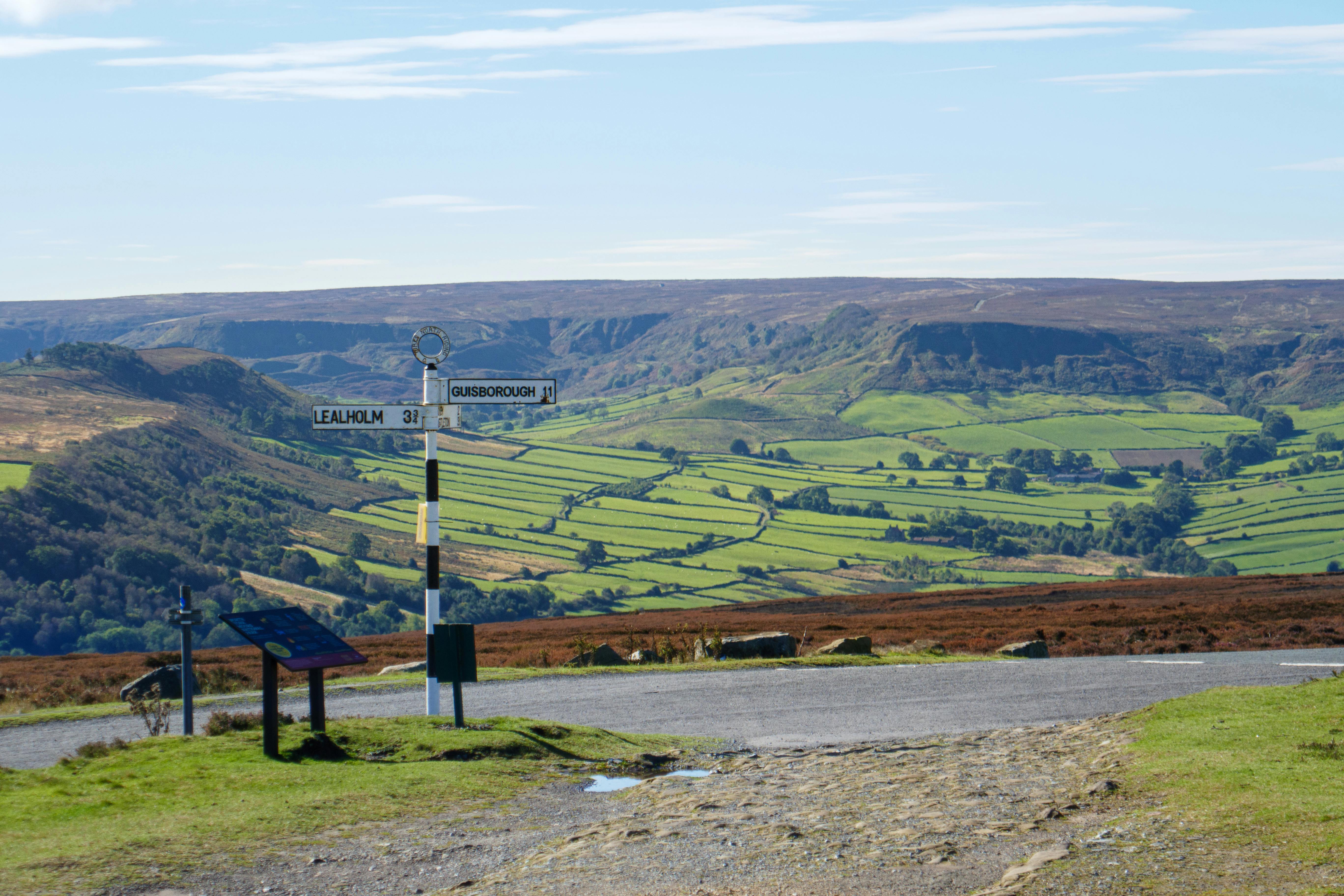
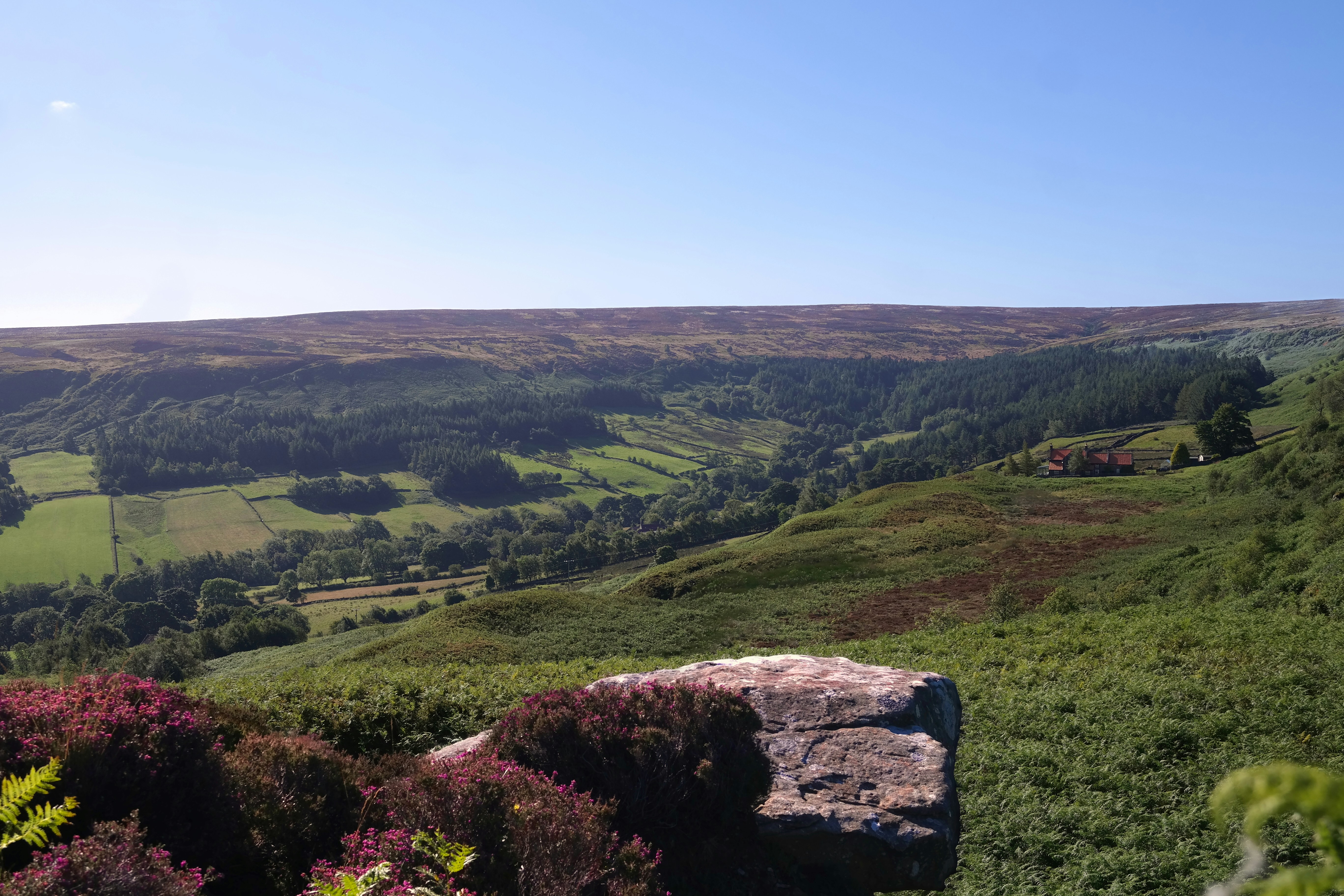
Just inland from the coast, the North York Moors National Park provides heather moorland, forest walks, and panoramic viewpoints. Routes such as the Cleveland Way National Trail link moorland and coastline, allowing walkers to combine cliffs, beaches, and upland scenery within a single itinerary. Small villages and historic market towns throughout the moors offer traditional tearooms, bakeries, and locally sourced produce.
Where to Stay on the North East Coast
The region offers a wide range of accommodation depending on the type of trip you want to plan. Coastal towns such as Whitby, Saltburn-by-the-Sea, Seahouses, and Alnmouth provide traditional seaside guesthouses and small hotels within walking distance of the beach. Market towns including Guisborough and Alnwick work well for visitors who prefer a quieter base with easy access to both countryside and coast.
Self-catering cottages are particularly popular in this part of England, especially for longer stays or walking holidays, while city stays in Durham or Newcastle suit short breaks built around restaurants, culture, and day trips to the coast.
Featured Listing (Campaign Partner)
Tocketts Mill Country Park, near Guisborough on the edge of the North York Moors, offers lodge and holiday home accommodation in a countryside setting. The park sits a short drive from Saltburn-by-the-Sea and the Cleveland Way coastal path, making it a practical base for exploring both the moors and the coastline.
The accommodation includes holiday lodges, caravans, and longer-stay holiday homes. Facilities and availability vary seasonally, so it is best to check details directly with the provider. View accommodation details and information
Note: This listing is included as part of a commercial collaboration and is clearly marked for transparency. It is not required to follow the itinerary above, and readers may wish to compare several accommodation options to find the best fit for their trip.
Where to Eat on the North East Coast
Food along the North East coast is rooted in place and tradition. Fishing ports and farming communities still influence what appears on menus, and many towns are known as much for their cafés and bakeries as for their scenery.
Seaside towns such as Whitby and Saltburn-by-the-Sea are ideal for classic fish and chips eaten beside the water. Freshly landed cod, haddock, and crab appear regularly, and harbourfront cafés often serve simple seafood dishes that reflect the day’s catch. Early mornings are particularly atmospheric, when bakeries open and the scent of warm pastries mixes with the sea air.
Durham offers a different style of dining, with historic pubs and small restaurants tucked along cobbled streets and riverside paths. Here you are more likely to find slow-cooked meats, seasonal vegetables, and traditional puddings. Local produce, including cheeses and baked goods from nearby farms and market towns, appears widely across menus.
For a relaxed option, local delis and markets make it easy to assemble a picnic. Fresh bread, regional cheeses, smoked fish, and fruit travel well and can be enjoyed along the coast or on moorland viewpoints. Many walking routes pass benches or sheltered spots overlooking the sea, turning a simple lunch into one of the most memorable meals of the trip.
Insider tip: arrive early in Whitby or Seahouses before the day visitors appear. Watching fishing boats return to harbour while cafés prepare for the day gives a much better sense of the working coastal communities that shape the region’s food culture.

Ideas for Different Types of Travellers
Family Trips
The North East coast works particularly well for families because distances are short and activities vary widely. Beaches at Saltburn and Bamburgh provide space for sandcastles and rock pooling, while boat trips to the Farne Islands (seasonal) offer the chance to see seals and seabirds. Heritage attractions such as Durham Cathedral and coastal castles add interest for older children, and farm parks and wildlife centres throughout the region provide relaxed day outings.
Solo Travel
Solo visitors often find the region easy to explore. Coastal walking paths, small towns, and frequent train connections between Durham, Newcastle, and coastal stops make independent travel straightforward. Early morning harbour walks, photography along cliff paths, and café stops in market towns suit an unstructured itinerary and allow plenty of quiet time alongside gentle exploration.
Romantic Breaks
Couples are drawn to the atmosphere of the coastline, particularly outside peak summer months. Sunset walks on wide beaches, drives through moorland scenery, and evenings in historic towns create a relaxed pace that suits a short escape. Whitby’s historic streets, riverside Durham, and stargazing in darker rural areas all offer memorable shared experiences without needing a tightly planned schedule.
Outdoor & Adventure Activities
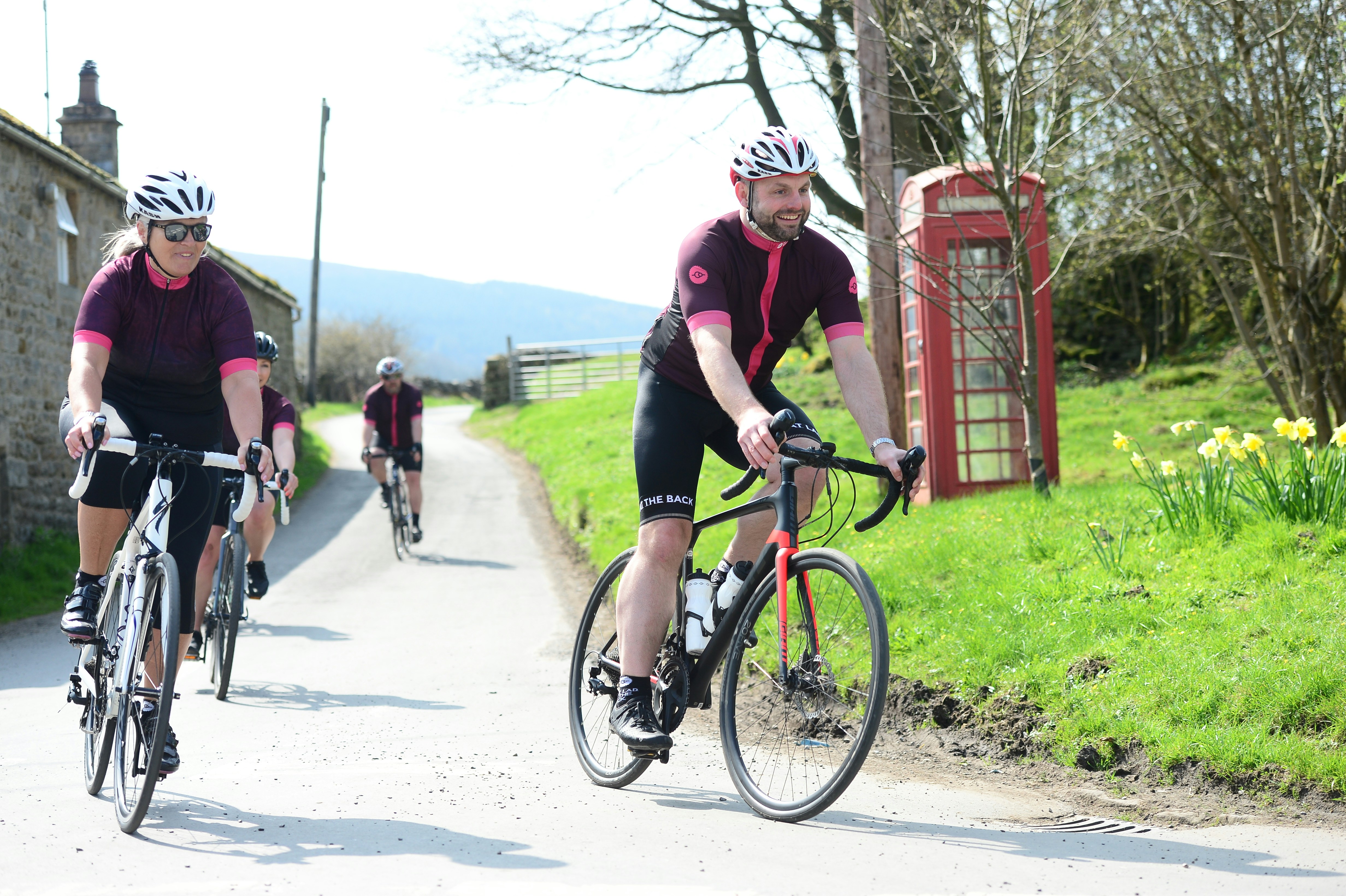
For active travellers, the region provides more variety than many expect. The Cleveland Way National Trail links cliffs and moorland for long-distance walking, while shorter coastal paths suit day hikes. Saltburn has a long-standing surfing community, and the Tees Barrage White Water Centre offers kayaking and rafting sessions for beginners and experienced paddlers alike. Cycling routes, open water swimming spots, and seasonal wildlife watching add further options throughout the year.
Because towns, countryside, and coastline sit close together, most visitors can mix several styles of trip in a single stay — a morning walk, an afternoon heritage visit, and an evening meal in a nearby town without significant travel time.
Best Time to Visit the North East Coast
The North East coast changes character with the seasons, and choosing when to travel can shape the type of trip you experience. Each time of year offers different scenery, activities, and atmosphere.
Spring (March–May)
Spring brings quieter towns, fresh coastal air, and wildlife returning to the shoreline. Clifftop paths begin to green, seabirds nest along the coast, and walking routes are comfortable without summer crowds. It is one of the best times for relaxed exploration, photography, and visiting historic sites before peak season begins.
Summer (June–August)
Summer is the busiest period, when beaches, harbours, and seaside towns feel lively and energetic. Whitby, Saltburn-by-the-Sea, and Bamburgh see their warmest weather, and long daylight hours make it easy to combine coastal walks, cafés, and sightseeing in a single day. Visiting early morning or late evening often provides a quieter experience and softer coastal light.
Autumn (September–November)
Autumn is often considered the most atmospheric season. Heather covers nearby moorland in purple tones, coastal paths are calmer, and temperatures remain comfortable for walking. Wildlife activity increases along the shoreline and the sea often appears more dramatic, making it a rewarding time for walkers and photographers.
Winter (December–February)
Winter offers a quieter, reflective experience. Bracing coastal air, empty beaches, and peaceful towns create a very different trip from summer visits. Historic streets, museums, and traditional pubs become particularly inviting after a cold seaside walk.
Whenever you visit, the compact distances between towns and countryside mean you can adapt plans easily — coastal walks, heritage sites, and scenic drives all sit within a short journey of each other.
Local Events & Festivals
Throughout the year, coastal towns host events that reveal the character of the region beyond its scenery. These gatherings often provide the most memorable experiences, particularly outside peak summer travel.
Whitby Goth Weekend, held in spring and autumn, transforms the historic harbour town with live music, themed markets, and elaborate costumes. The contrast between the medieval streets and the festival atmosphere makes it one of the most distinctive events on the English coast.
Seaside regattas take place in several coastal towns during the warmer months, celebrating the area’s maritime traditions with sailing displays, lifeboat demonstrations, and harbour festivities. In late summer and early autumn, local food and harvest festivals appear across market towns and villages, featuring regional produce, baking, crafts, and community gatherings.
Checking local event calendars before travelling can shape an itinerary: visiting during a festival brings energy and activity, while travelling between them offers a quieter, more reflective coastal experience.

Cultural Highlights – Arts, History & Local Craft
Beyond scenery, the North East coast has a strong cultural identity shaped by maritime trade, mining history, and religious heritage. Durham Cathedral regularly hosts concerts and exhibitions, while Whitby’s museums and heritage sites explore the town’s seafaring past and its association with Gothic literature.
Saltburn-by-the-Sea reflects the Victorian seaside era, with its historic pier, cliff lift, and small galleries showcasing photography and coastal art. Across the region, market towns and villages host craft fairs, seasonal markets, and community events where local makers sell ceramics, textiles, and handmade goods.
Evening performances in small theatres, live music in pubs, and storytelling events in village halls offer a quieter way to experience the area. These cultural stops work particularly well alongside coastal walks or sightseeing days, adding variety to an itinerary without requiring long travel distances.

Exploring the Area – Outdoor Adventures & Walks
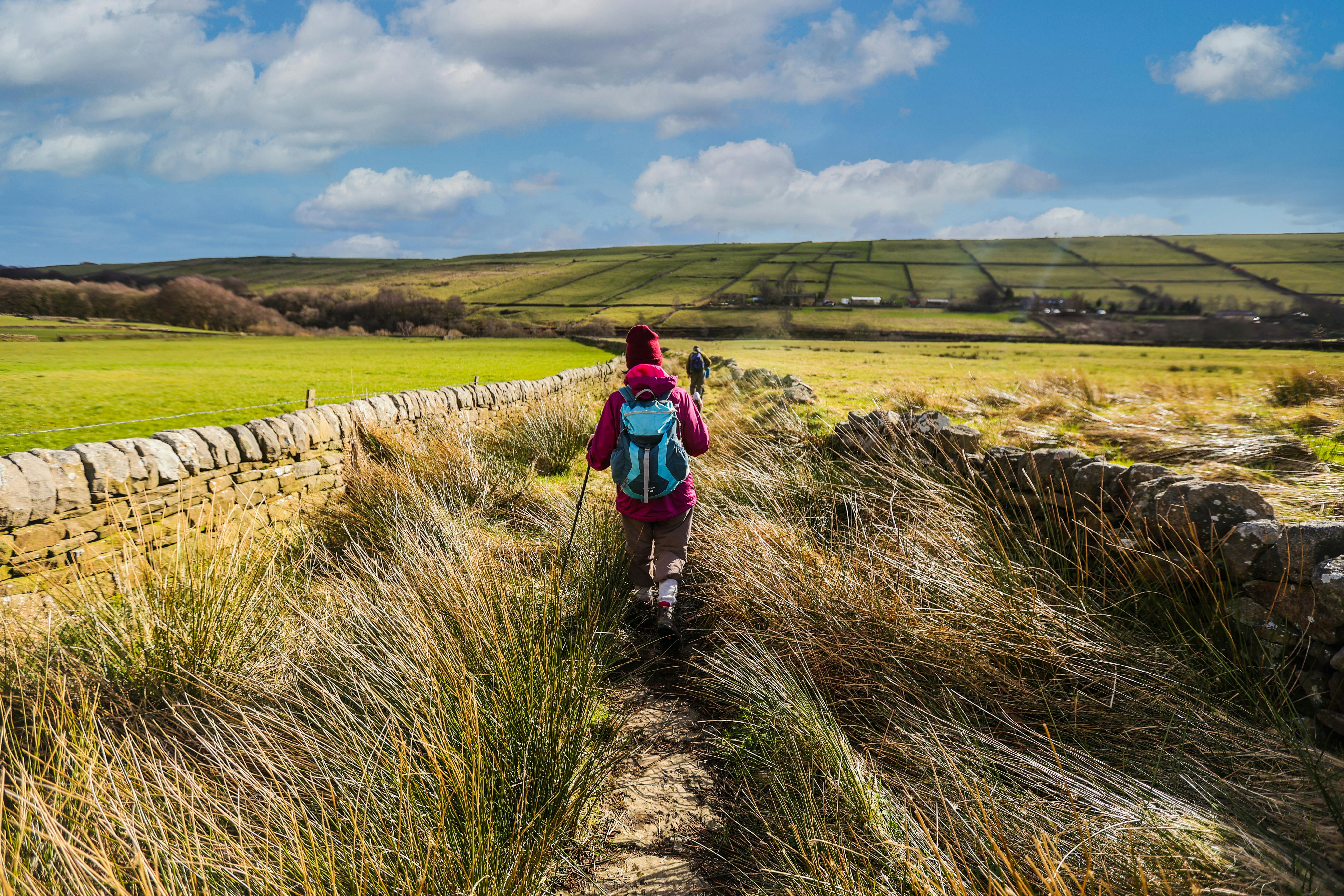
The North East coast is particularly rewarding for walkers because landscapes change quickly within short distances. Coastal paths, sandy beaches, and moorland routes can all be reached within the same day, allowing visitors to tailor activity levels to the weather and their energy.
When people visit the North East coast for the first time, they underestimate how walking-focused it becomes — clifftop paths, moorland routes and long viewpoints. If you enjoy this style of landscape walking, my Stanage Edge guide shows a similar kind of open, accessible hiking terrain in another part of England.
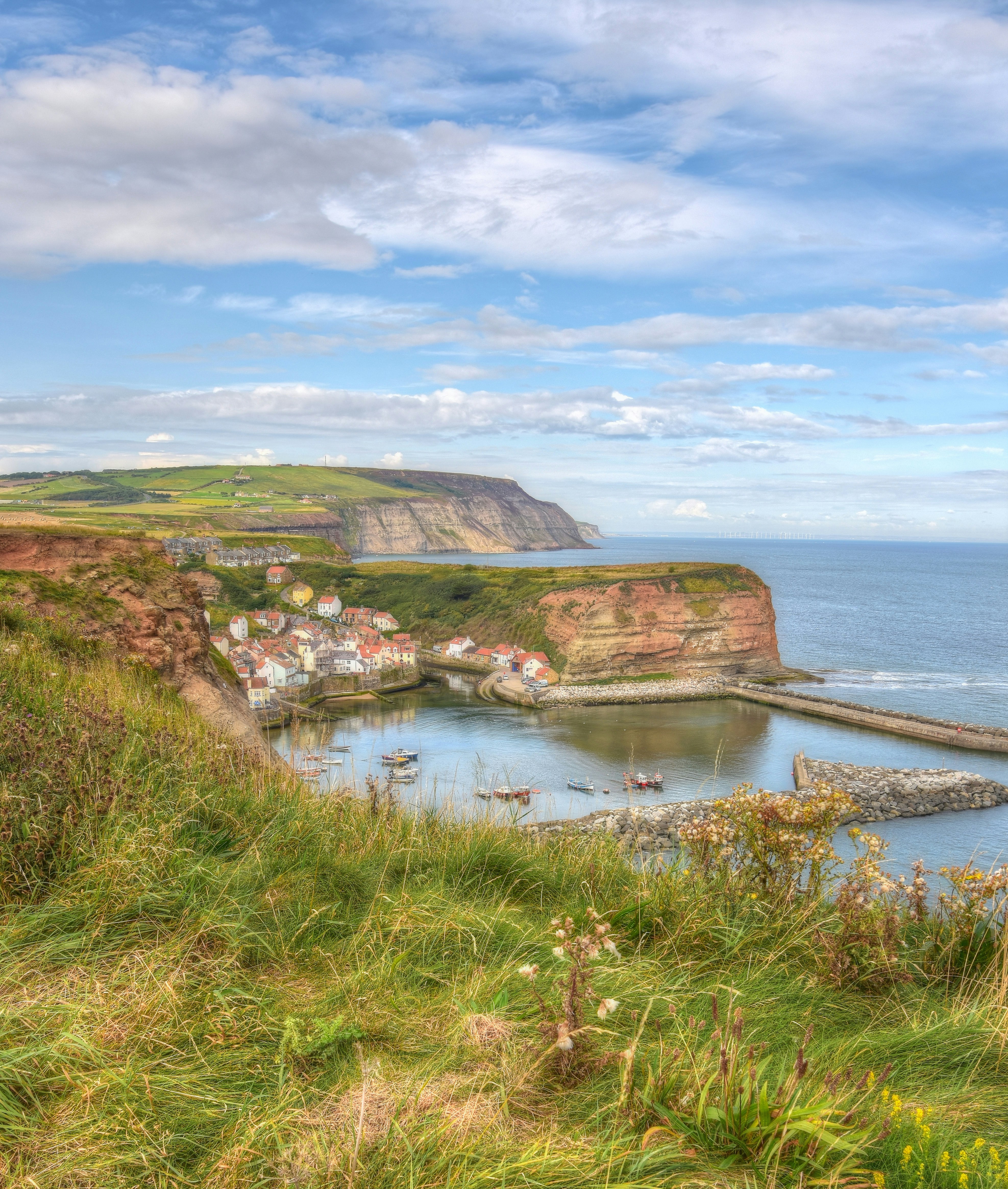
The Cleveland Way National Trail is one of the region’s best-known routes, linking moorland scenery with cliff-top coastal walking. Sections near Saltburn-by-the-Sea and further north toward Staithes and Whitby offer wide sea views, seabirds, and changing tides below the cliffs. Shorter stretches of the trail work well as half-day walks.
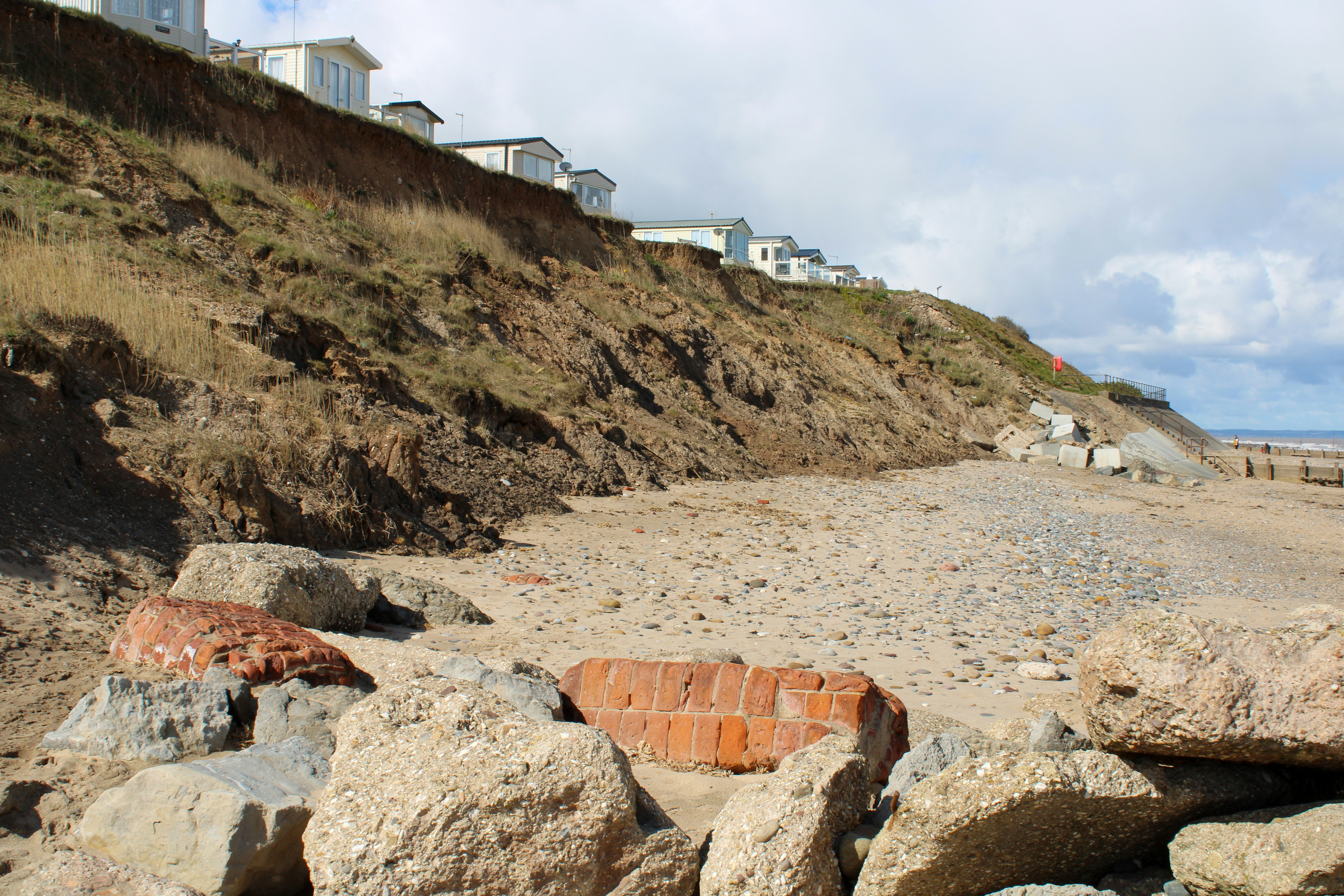
Beaches provide gentler exploration. Saltburn’s long shoreline is popular for fossil hunting and photography, while quieter stretches of coast reward slow wandering and wildlife spotting. Early morning and late afternoon are often the most atmospheric times, when the sea light changes and towns are quieter.
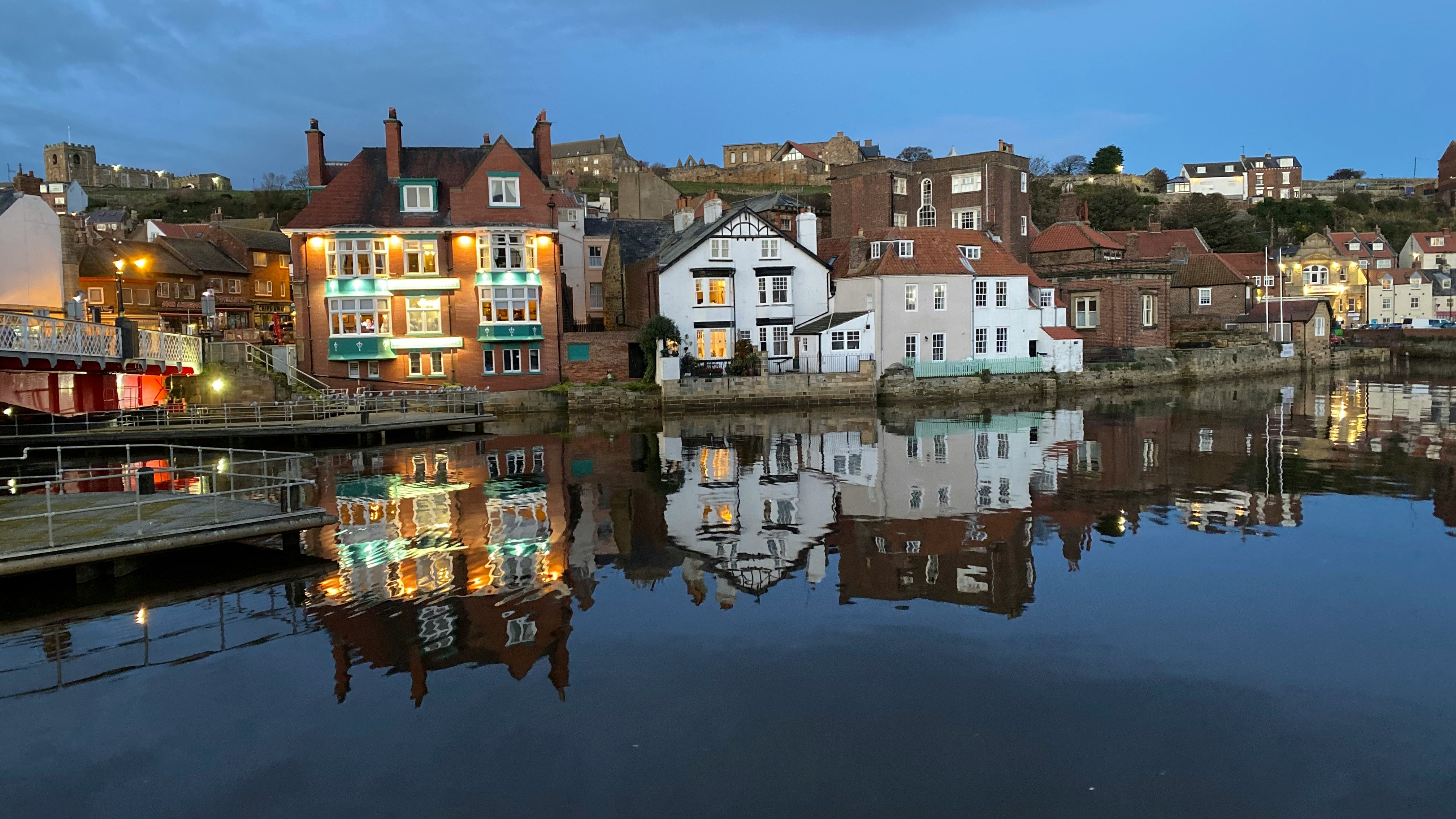
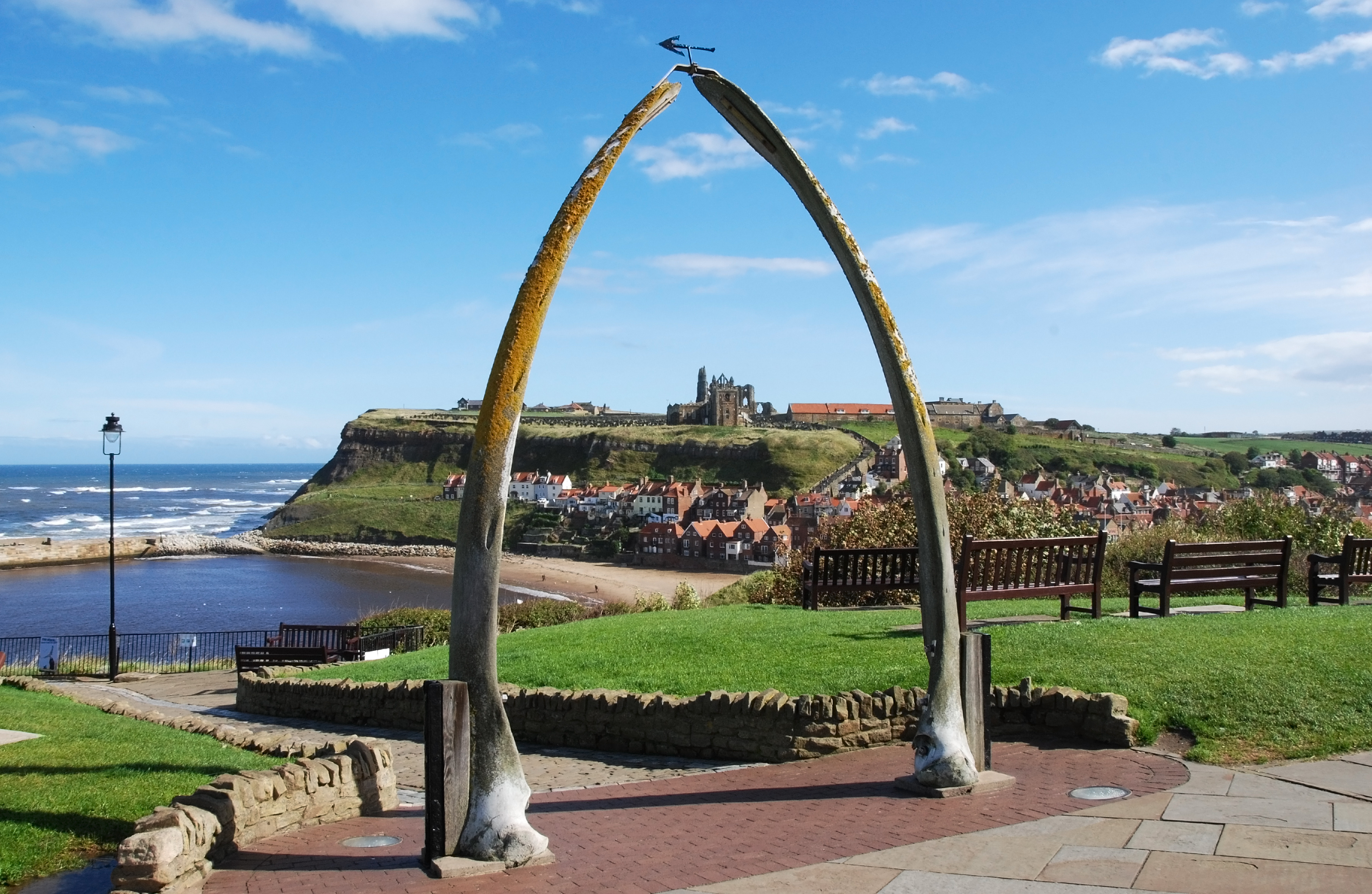
Whitby combines walking with history. The climb to the abbey via the 199 steps gives panoramic views over the harbour, and the surrounding streets are easy to explore on foot. Nearby villages and market towns offer additional routes, small cafés, and places to pause between walks.
Inland, the North York Moors National Park introduces heather moorland, woodland paths, and open viewpoints. Short circular trails are widely available, making it easy to experience the landscape without undertaking a full-day hike.
Practical tip: coastal weather changes quickly. Layers, sturdy footwear, and checking tide times before beach walks help ensure a safer and more comfortable experience.
Travel Tips – Safety, Money & Practical Advice
Travelling in North East England is straightforward, but a little preparation makes exploring the coast and moors more comfortable.
Safety
The region is generally safe for visitors, including walkers and solo travellers. Coastal weather can change quickly, however, and tides move fast along some beaches. Tide times along this coast matter, particularly below cliffs and at bays such as Robin Hood’s Bay, so it’s worth checking official forecasts before setting out.
Money & Spending
Most cafés, restaurants, and shops accept cards, though smaller kiosks and seasonal stalls may still prefer cash. Local markets are good places to try regional produce, including baked goods, seafood, and cheeses, and having small change can be useful in smaller towns.
Local Etiquette
Coastal communities are welcoming but often quieter than major tourist resorts. Simple courtesies — greeting shopkeepers, respecting queueing customs, and keeping dogs under control near livestock and wildlife — are appreciated. When visiting beaches or moorland, follow local signage and leave gates as you find them.
Transport & Navigation
A car makes it easier to reach beaches, viewpoints, and villages not served frequently by public transport. Roads can be narrow in rural areas, so allow extra time and use passing places considerately. Rail links between Durham, Newcastle, and coastal towns work well for city-based stays with day trips.
Health & Practical Essentials
Major towns such as Durham and Middlesbrough have hospitals, pharmacies, and supermarkets. Mobile signal can be patchy on the moors and in some coastal stretches, so downloading offline maps before long walks is sensible. It also helps to travel prepared with water, snacks, and basic first-aid supplies when exploring more remote paths.
With realistic planning and flexible timing, visitors can comfortably combine coastal walks, heritage visits, and local food stops in a single trip.
Packing Essentials – Clothing & Gear
Conditions on the North East coast can change quickly, particularly where open sea air meets higher moorland ground. Layers work best: a light base layer, warmer mid-layer, and a waterproof outer jacket allow you to adapt throughout the day.
Sturdy walking shoes or boots are recommended for cliff paths and uneven trails, while trainers are usually sufficient for promenades and town exploration. A hat and gloves can be useful even outside winter months when coastal winds pick up.
For beach visits and picnics, a small blanket, reusable containers, and a water bottle make longer stops more comfortable. Walkers may also find a small backpack helpful for snacks, water, and spare clothing. Binoculars or a camera are worthwhile additions, particularly for wildlife watching along the coast and in nearby countryside.
Day Trips & Hidden Gems
The compact distances along the North East coast make it easy to explore several places within a single stay. Many towns and landscapes sit less than an hour apart, allowing flexible day trips depending on weather and interests.
Saltburn-by-the-Sea is a classic coastal stop. Its Victorian pier extends into the North Sea, and the long beach is popular for walking and fossil hunting. Independent cafés and bakeries line the town centre, making it a comfortable place to pause between coastal walks.
Tip: the cliff-top path above the town provides wide views across the bay and is particularly atmospheric early or late in the day.
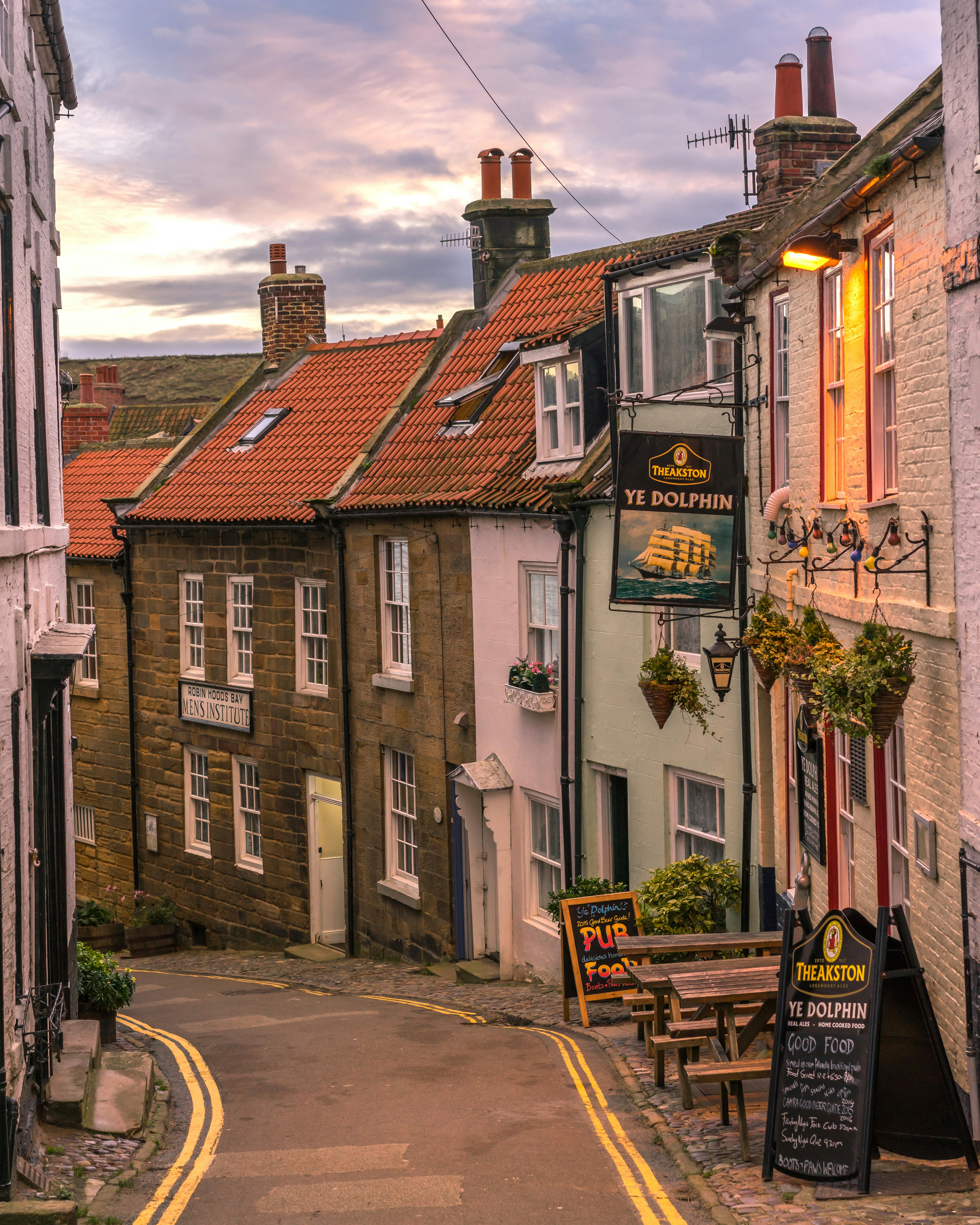
Whitby combines history with dramatic scenery. The climb to the abbey via the 199 steps offers sweeping views over the harbour, and the surrounding streets are filled with small shops and historic buildings. Visiting early in the morning or outside peak season provides a quieter experience.
North York Moors National Park lies just inland and offers a different landscape entirely. Heather moorland, wooded valleys, and small villages provide walking routes for all levels. Short circular walks allow visitors to experience the scenery without committing to a full-day hike.
Market towns and villages around the coast add variety to an itinerary. Places such as Guisborough and smaller villages nearby offer local bakeries, independent shops, and quiet streets suited to a slower afternoon between coastal stops.
Because travel times are short, visitors can easily combine a morning walk, a heritage site, and an afternoon by the sea in a single day, shaping plans around weather and personal pace.

Shopping – Markets, Local Specialities & Tips
Local markets and independent shops are part of the rhythm of travelling in North East England. Many towns still centre weekly life around small traders, and browsing them offers a simple way to understand the region beyond its scenery.
County Durham
Historic market towns host regular food markets and farm shops where regional produce appears seasonally. Cheeses, baked goods, preserves, and locally reared meats are common finds, and conversations with stallholders often lead to useful local recommendations.
Teesside & Coastal Towns
Coastal communities such as Saltburn and nearby towns feature bakeries, delis, and fishmongers selling fresh seafood and takeaway treats ideal for a beach walk. Smoked fish, pastries, and simple sandwiches travel well and suit a relaxed coastal day.
North Yorkshire & the Moors
Villages around the North York Moors include craft shops, galleries, and small producers selling handmade goods and regional food. Whitby in particular offers smoked fish, sea-salt products, and locally made crafts connected to maritime traditions.
Making the Most of Local Shopping
- Visit early in the day when markets are quieter and produce is freshest.
- Build a simple picnic from local bread, cheese, fruit, or smoked fish and enjoy it on a coastal walk or scenic viewpoint.
- Ask stallholders for suggestions; locals often know viewpoints, walking routes, and cafés not listed in guidebooks.
Shopping here becomes part of the travel experience rather than an errand, adding flavour and small discoveries to each day of exploring.
Local Nightlife - Evenings on the North East Coast
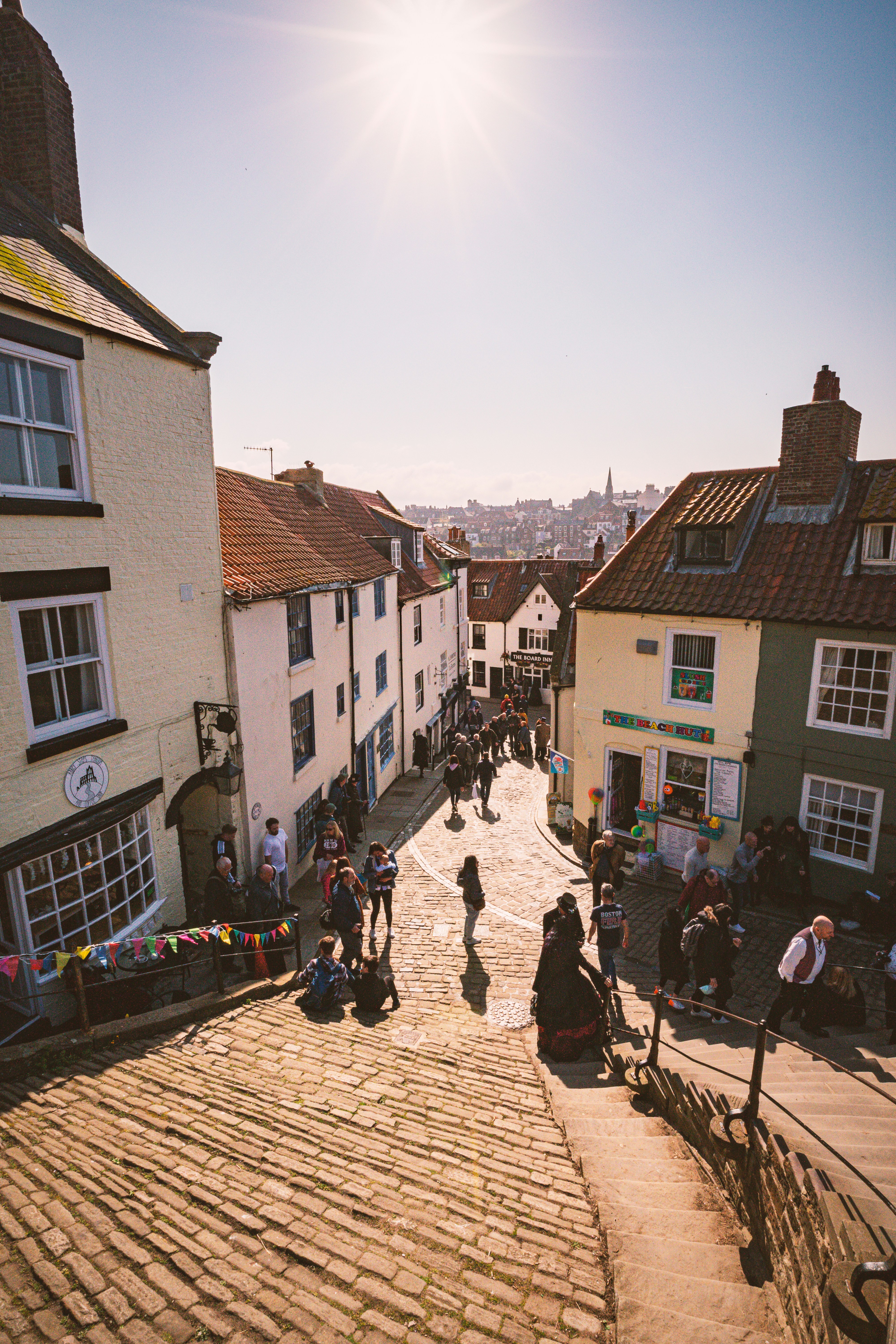
Evenings along the North East coast tend to be relaxed rather than high-energy. After a day of walking or sightseeing, most towns shift into a slower rhythm of harbour strolls, pub conversations, and small live music venues.
County Durham
Durham offers some of the liveliest evenings in the region, with historic pubs along cobbled streets and riverside paths. Many venues host live music, quizzes, and local ales, creating an atmosphere that feels sociable without being hectic.
Coastal Towns
Whitby and Saltburn-by-the-Sea provide classic seaside nights. Harbour pubs, small restaurants, and late-evening walks along the promenade make for an easy end to the day. Live folk music and seasonal events are common, especially during warmer months.
Quiet Evenings
Smaller towns and villages favour a quieter pace. Sunset walks, sea views, and a drink in a local pub are often the highlight rather than organised nightlife. Clear nights can be especially memorable, with dark skies over the coast and countryside.
Tip
Even if nightlife is not a priority, staying out for sunset is worthwhile. The changing light over the sea and the gradual quiet of the towns often become one of the most memorable parts of a visit.
Whether lively or peaceful, evenings here mirror the region itself: informal, welcoming, and closely tied to the landscape.

Accessibility – Walkability, Beaches & Transport
Getting around the North East coast
The North East coast is relatively easy to explore, with many towns designed around harbours and promenades rather than long distances. Visitors can tailor activities to their comfort level, mixing gentle walks with sightseeing and rest stops.
Walkability
Many coastal towns are compact and pedestrian-friendly. Promenades, harbour paths, and town centres allow visitors to explore without long walks between key sights. Cliff-top routes and countryside trails are available for more active visitors, while shorter level paths exist in most towns.
Beaches & Coastal Access
Several beaches provide accessible entry points, including promenades and gradual paths from nearby parking areas. Saltburn-by-the-Sea in particular offers step-free access to parts of the seafront, while other beaches have a mix of steps and sloping approaches depending on terrain and tide.
Tip: checking tide times helps ensure easier walking conditions, as some stretches of beach become narrow at high tide.
Transport Links
Rail services connect Durham, Newcastle, and Middlesbrough, with bus routes linking many coastal towns. Public transport works well for visiting major locations, though rural villages and walking trailheads can be harder to reach without a car. Drivers will find parking available near most beaches and viewpoints, particularly outside peak summer periods.
Practical Advice
Combining short walks with local transport or short drives allows visitors to experience a range of landscapes without overexertion. Planning routes in advance and allowing extra time for weather changes makes travel more comfortable.
With a little planning, visitors can enjoy beaches, towns, and countryside scenery at a pace that suits their mobility and travel style.

Sustainable Travel – Eco-Friendly Tips
Exploring the North East coast responsibly
The coastline and moorland landscapes of North East England are shaped by weather, wildlife, and long-standing local communities. Travelling thoughtfully helps protect these environments and preserves the character that makes the region appealing.
Accommodation Choices
When booking accommodation, consider smaller guesthouses, locally run stays, or places that highlight energy efficiency and responsible sourcing. Choosing independently operated businesses supports the local economy and often provides a more personal travel experience.
Transport & Exploration
Walking, cycling, and using rail services are effective ways to reduce environmental impact. Many coastal towns can be explored on foot, and trains connect major locations such as Durham and coastal stops. Combining public transport with short walks also reduces parking pressure in smaller villages.
Local Food & Seasonal Eating
Eating locally sourced food is one of the simplest sustainable choices. Markets, bakeries, and small cafés frequently use regional produce and seasonal ingredients. Bringing a reusable bottle and takeaway container can also reduce waste during day trips.
Sustainable packing choices such as reusable cutlery, shopping bags, and refillable water bottles are especially useful for walking days and picnics.
Respecting Nature
Stick to marked paths on cliffs and moorland, keep dogs under control near wildlife and livestock, and take litter away with you. Some areas restrict access during bird nesting or lambing seasons, so following local signage helps protect fragile habitats.
Community & Culture
Supporting independent shops, local guides, and small attractions helps maintain the communities that care for the coastline. Even simple actions — shopping locally, using local transport, and visiting outside peak times — reduce strain on popular areas.
Travelling responsibly allows visitors to enjoy the landscape while ensuring it remains welcoming and unspoilt for future travellers.
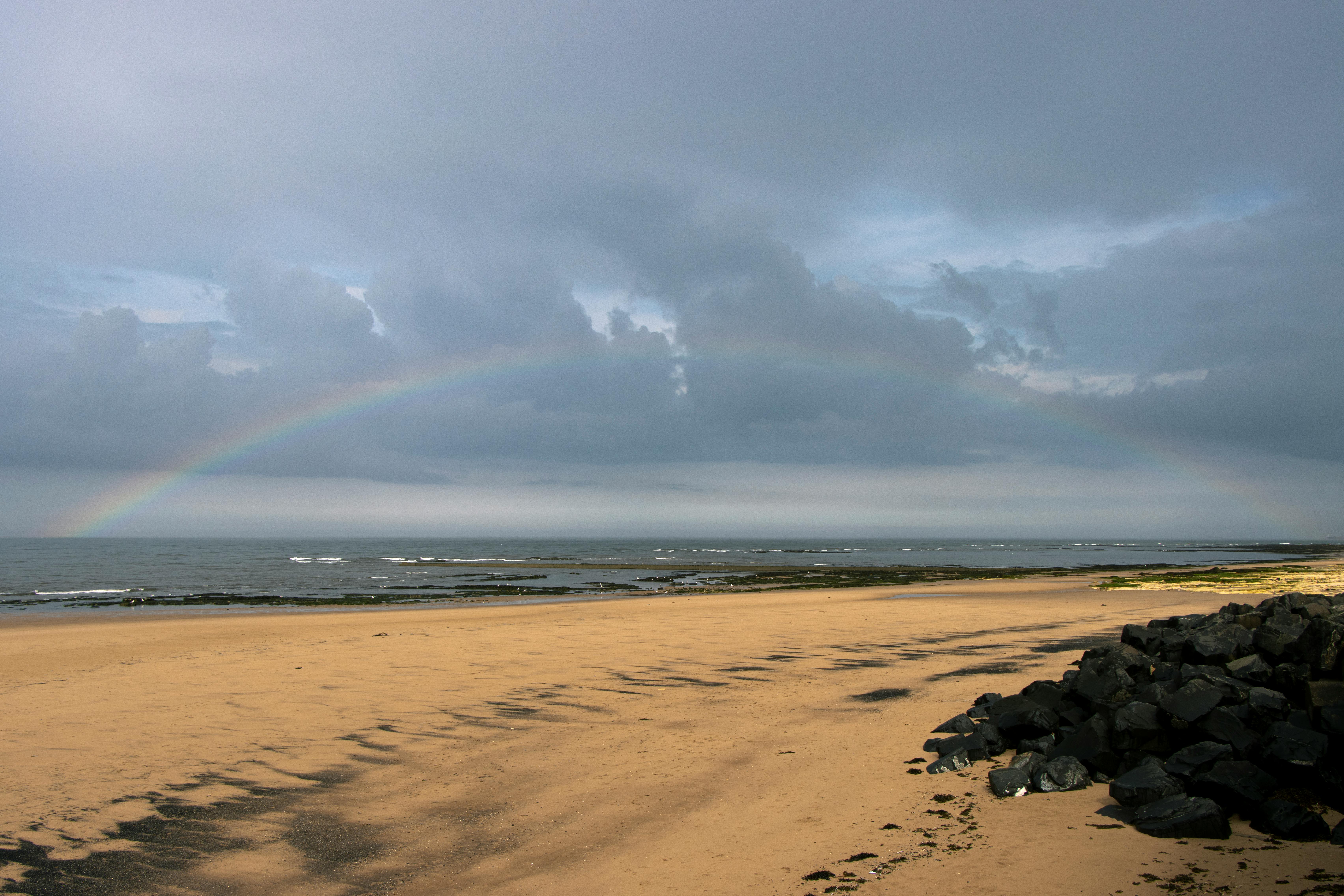
Photography & Scenic Spots
Where to capture the North East coast
The coastline offers constantly changing light and weather, making it particularly rewarding for photographers and casual visitors alike. Early morning and late afternoon often provide the softest light and quieter conditions.
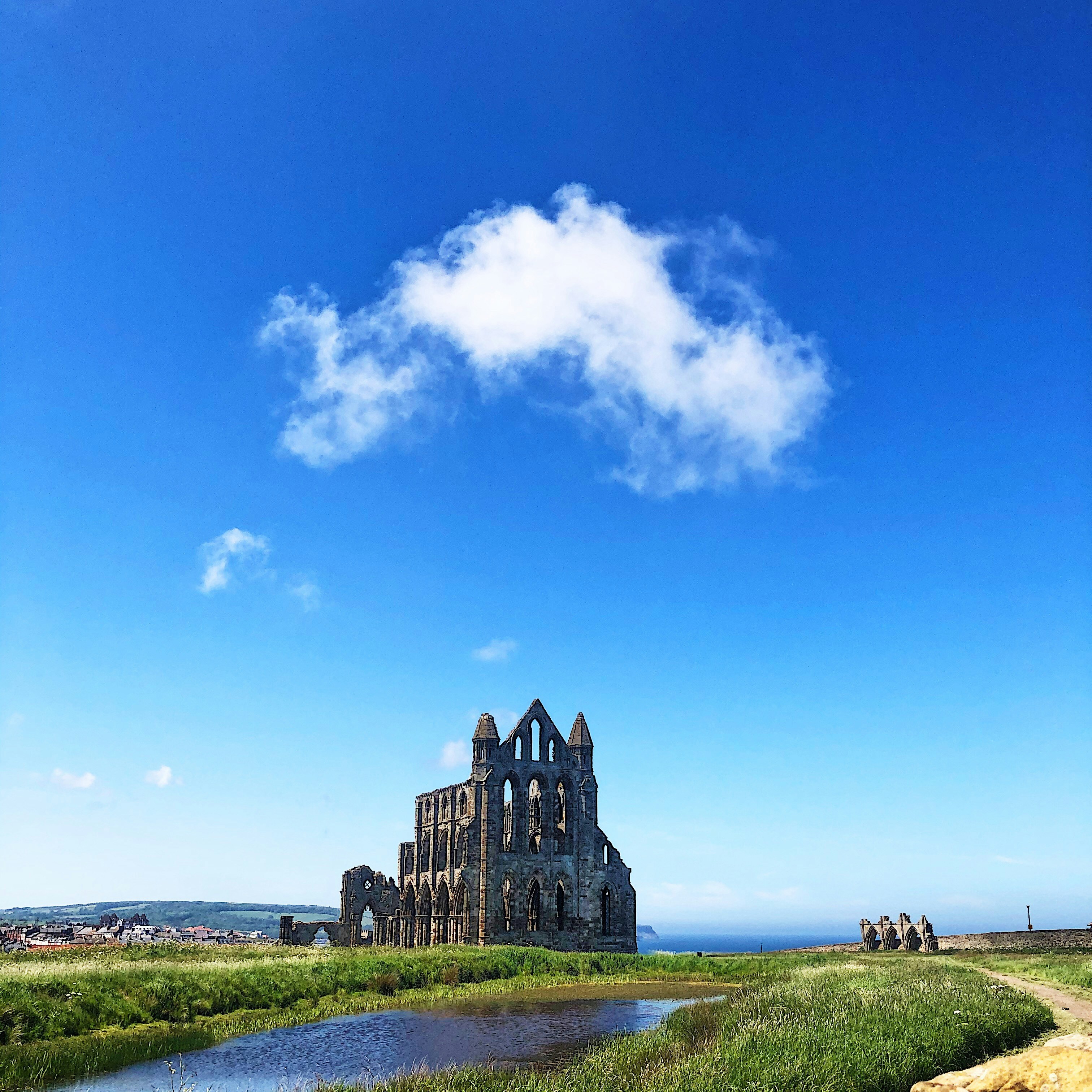
Saltburn-by-the-Sea works well for sunrise photography, especially along the pier and promenade where the sea reflects the early light. Whitby Abbey and the harbour provide dramatic silhouettes at sunset, particularly when viewed from the steps leading up to the headland. The Abbey ruins are managed by English Heritage and can be visited year-round.
Inland viewpoints along the North York Moors reveal wide skies and layered hills, while coastal paths offer cliff-top perspectives of the North Sea. Wildlife watchers may also find seabirds and seals along certain stretches of coast depending on the season.
Markets, harbour streets, and small town centres add human detail to landscape shots, giving variety beyond scenic views alone.
Tip: coastal weather changes quickly, so patience often rewards photographers with shifting clouds, mist, and unexpected colour in the sky.
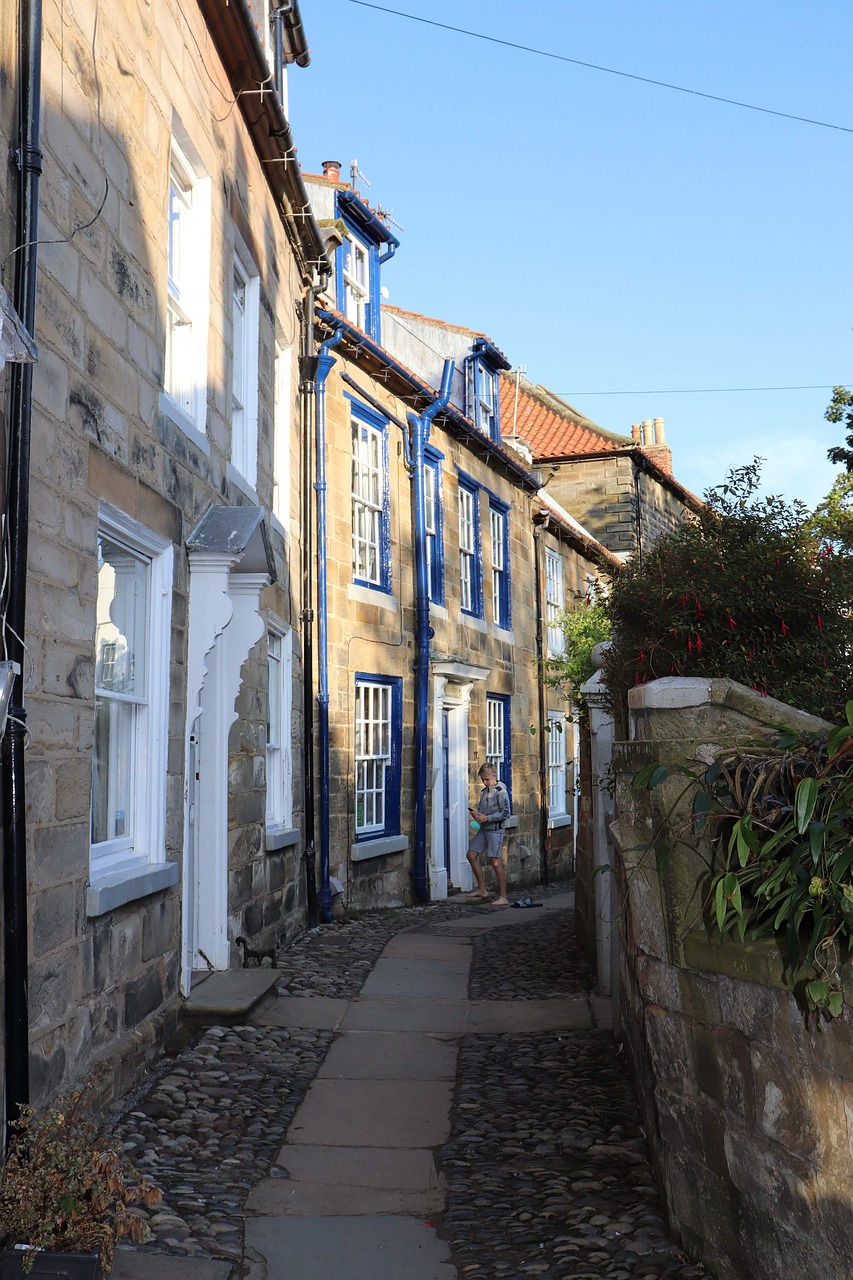
Use the interactive map below to understand travel distances and group towns into realistic day trips.
5 Days on the North East Coast – Suggested Itinerary
A relaxed route combining coast, countryside, and historic towns.
Day 1 – Arrival & Durham
Begin in Durham to ease into the region. Walk along the River Wear, visit Durham Cathedral, which is a UNESCO World Heritage Site and forms part of the historic peninsula above the River Wear. Explore the compact historic centre. Spend the evening in a traditional pub or riverside restaurant before settling into your accommodation.
Day 2 – Saltburn-by-the-Sea & Coastal Walks
Head to Saltburn-by-the-Sea for a classic coastal day. Walk the pier and promenade, explore the beach, and try fossil hunting along the shoreline. A short section of the Cleveland Way coastal path offers sea views without a long hike.
Day 3 – Whitby & Abbey Views
Spend a full day in Whitby. Climb the 199 steps to the abbey, explore the harbour and narrow streets, and enjoy seafood or traditional fish and chips by the water. Early morning or late afternoon visits are quieter and especially atmospheric.
Day 4 – North York Moors National Park
Travel inland into the North York Moors for moorland scenery and walking routes. Choose a short circular walk or scenic drive, stopping in villages or viewpoints along the way. A picnic or tearoom stop works well after time outdoors.
Day 5 – Market Towns & Departure
Use the final day to explore a smaller town such as Guisborough or nearby villages. Visit local shops, bakeries, or galleries, and enjoy a relaxed walk before beginning your journey home.
This itinerary can be adjusted depending on weather, travel style, and where you choose to stay, as most locations sit within comfortable driving distance of each other.
Quick Planning Information
Typical trip length: 2–5 days works well for a first visit, though a week allows a slower pace and more walking routes.
Nearest major cities: Durham and Newcastle provide the easiest rail access to the coast, with frequent connections onward to smaller towns. Rail is often the simplest way to reach the region, particularly if you’re travelling from elsewhere in the UK, and checking routes and times in advance makes planning far easier.
Driving times: Many coastal towns sit within 30–60 minutes of each other, making day trips easy without changing accommodation. Having a car makes a significant difference here, particularly for reaching the moors and smaller villages — you can compare local hire prices here.
Tide awareness: Always check local tide times before walking below cliffs or planning beach walks, as some areas narrow significantly at high tide.
Mobile signal: Expect patchy reception on parts of the moors and some coastal stretches; offline maps are useful for longer walks.
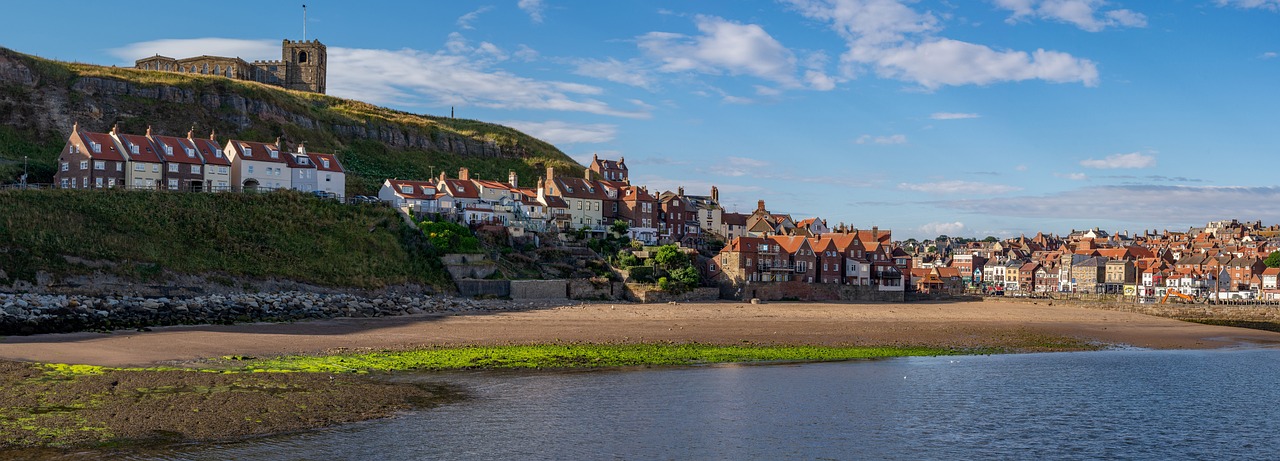
FAQs – Visiting the North East Coast of England
Practical questions when planning a trip
When is the best time to visit?
Late spring through early autumn offers the mildest weather and longest daylight hours. Summer brings lively seaside towns, while autumn is quieter and particularly scenic on coastal paths and moorland walks.
How do I get there?
Major rail routes connect London and other UK cities to Durham and Newcastle, with onward travel by car or bus to coastal towns. Driving provides the most flexibility for exploring smaller villages and viewpoints.
Are the beaches and walks suitable for families?
Yes. Many towns have promenades, accessible beaches, and shorter walking routes suitable for a range of abilities. Some cliff paths and moorland trails are steeper, so sturdy footwear is recommended.
Is public transport usable for sightseeing?
Public transport works well between larger towns and cities. However, reaching rural walking routes or smaller villages is easier with a car or organised day trips.
What kind of food is typical in the area?
Fresh seafood, traditional baked goods, local cheeses, and hearty pub meals are common. Markets and small cafés often highlight regional produce and seasonal ingredients.
What should I pack?
Layers, a waterproof jacket, and comfortable walking shoes are essential. Coastal winds and weather can change quickly, even outside winter.
Is the region good for short breaks?
Yes. Many major sights are close together, making the area suitable for weekend trips as well as longer stays.
Are there activities beyond beaches?
Historic towns, abbeys, coastal walking routes, wildlife watching, and countryside scenery all offer variety beyond seaside visits.
Is the area suitable for solo travellers or couples?
The relaxed pace, walkable towns, and range of accommodation options make it comfortable for solo travel and quiet getaways.
How can I travel responsibly?
Use public transport where possible, support local businesses, follow marked paths, and respect wildlife and tide warnings along the coast.
Wrapping Up Your North East Coast Adventure
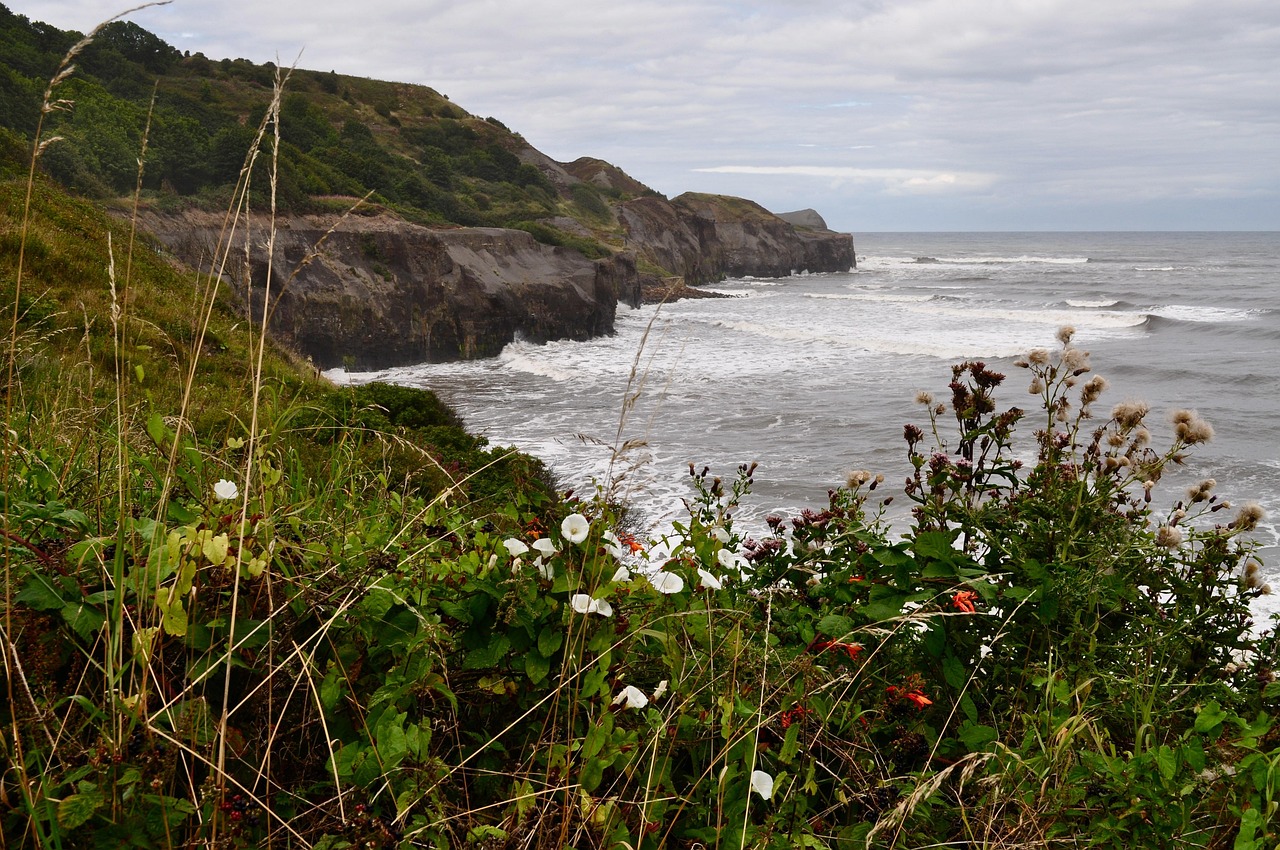
For many travellers, a first visit to the North East coast is only an introduction. The variety of scenery — harbours, beaches, moorland, and historic towns — makes it difficult to see everything in a single trip, and each season brings a different atmosphere.
Some visitors return for coastal walking routes, others for heritage sites, wildlife watching, or simply the slower pace of the towns. Because distances are short and landscapes change quickly, future visits can easily focus on new areas while still feeling familiar.
Whether you came for history, scenery, or time outdoors, the appeal of the region often lies in its balance: accessible but uncrowded, dramatic yet peaceful. The North East coast rewards unhurried exploration, and many travellers find themselves planning their next journey before the first has quite finished.
Image & Update Note: This article was originally published 11 December 2025 and was editorially updated 12 February 2026 to improve travel guidance, clarity, and accuracy. Some images used in this guide are stock photography sourced from licensed providers to illustrate locations and atmosphere. Where specific venues are named, they are included as part of the wider destination guide and not as evidence of a hosted stay.
Stay in Touch
Culinary Travels publishes destination guides, seasonal recipes, and food-led travel features from the UK and beyond.
Follow for new articles and updated travel resources:
Facebook | Instagram | Pinterest
Newsletter
Receive new guides, recipes, and occasional travel planning notes by email: Subscribe here
Reader feedback and local recommendations are always welcome via the contact page.


.png)
©2026 Culinary Travels. Culinary Travels is written and edited by Georgina Ingham | Website designed by The Smarter Web Company
What Our Followers Say
"Oh yum!!! I could eat one or two right now!"
Sami Tamimi
"Georgina was great to work with, quick to respond, and is an excellent content writer - would highly recommend collaborating with her!"
Nick S, Get Blogged
Our list of things to do in Cork has just expanded hugely thanks to Culinary Travels.
Triskel Art Centre Cork