
Blog


Road Trip Essentials: Preparing for a Comfortable and Stress-Free Long Drive

This feature was produced with the support of a commercial partner. Editorial control remains with the author. Some posts on Culinary Travels may contain affiliate links, meaning I may earn a small commission at no extra cost to you. I only recommend products, places and experiences that fit the editorial tone and standards of the site.
Update Note: Originally published January 2026 and updated February 2026 to improve clarity, update practical travel guidance, and add transparency around the brand collaboration.
A road trip always sounds simple until you actually begin one. The distance looks manageable on a map, the car feels fine on short errands, and packing takes five unhurried minutes the night before. Then hour three arrives. Someone is hungry but not for service-station food, the driver is more tired than expected, a phone battery is sliding toward 4%, and the temperature inside the car is somehow both stuffy and cold.
Long drives rarely go wrong because of dramatic breakdowns. They unravel because of small discomforts accumulating — fatigue, poor planning, low batteries, or the quiet assumption that a car used for daily life will behave the same way over several continuous hours on the motorway. Preparing properly isn’t about packing more; it’s about removing friction so you can actually enjoy the places you stop rather than simply recovering from the journey.
This article was created in collaboration with Elite Wheels, which prompted me to think about something drivers often overlook: the car itself. Before playlists, snacks, or scenic detours, the most useful preparation is a basic vehicle check. Sustained motorway driving exposes things short trips never do — tyre pressure differences, worn tread, fluid levels, lighting, and windscreen visibility. You don’t need upgrades before a road trip, but you do need readiness, and a ten-minute check at home prevents a surprising amount of travel misery.

Why Food Shapes the Route
Most road trips are planned around distance, but experienced travellers quietly plan around meals.
After two or three hours of continuous driving concentration dips in ways drivers rarely notice in the moment. You aren’t dramatically tired, just slightly slower to react, a little less patient, and more prone to small mistakes. Often what you actually need is not coffee but food. A proper stop resets attention far more effectively than pushing on toward the next junction.
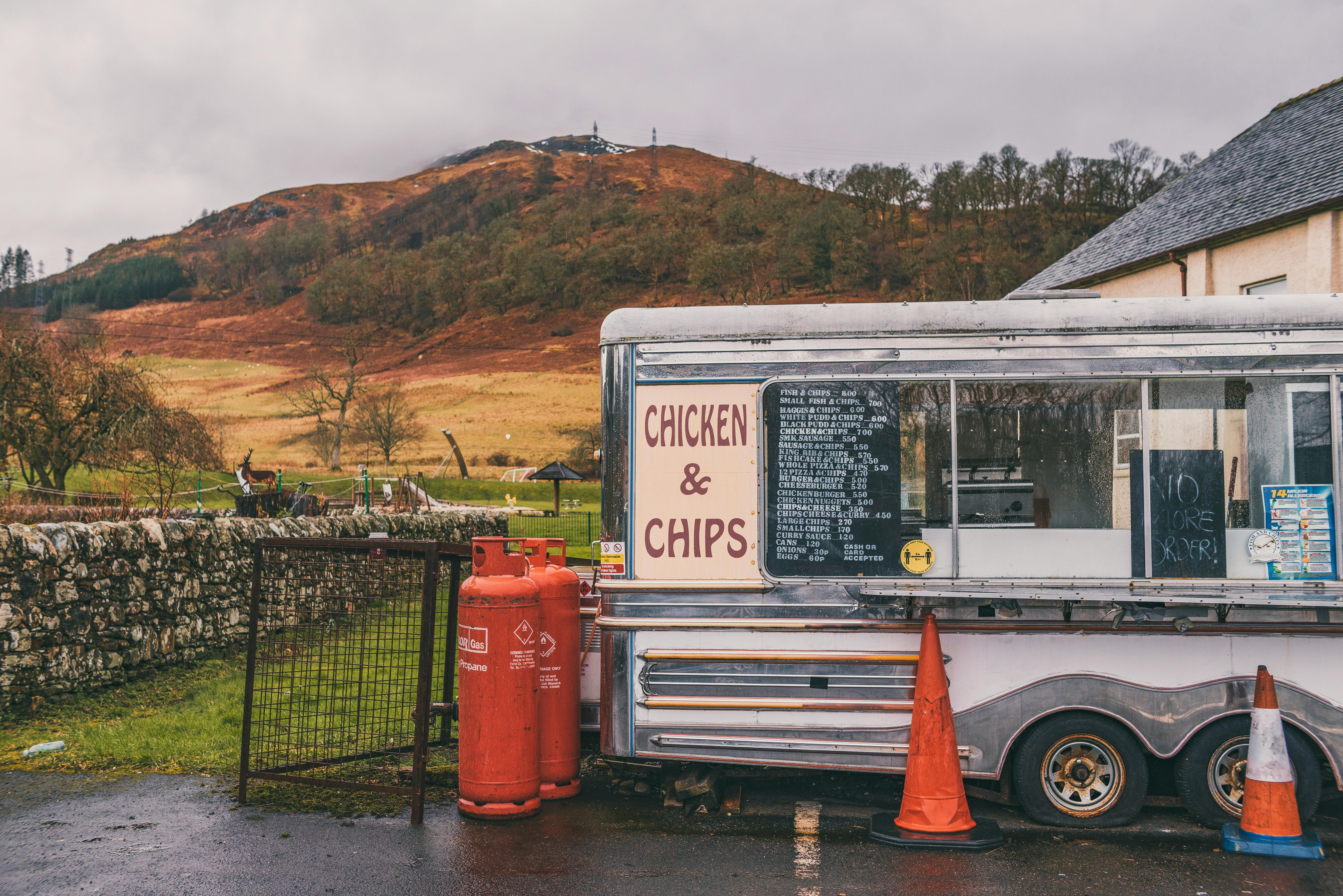
This is why the best journeys rarely follow the fastest route exactly. A small town bakery, a farm café, or a harbour chippy does more than provide lunch — it breaks the drive into manageable stages. You step out of the car, walk, refocus your eyes on distance rather than the fixed horizon of a motorway, and return to the wheel noticeably more alert.
Keeping a few simple supplies in the car helps you stay flexible. Water, fruit, and something sustaining prevent the “service station panic purchase” that leaves you either still hungry or too sluggish to drive comfortably. The aim isn’t to schedule every stop, but to give yourself options so you can pause when you need to rather than when the fuel light dictates.
Road trips become memorable not because you drove continuously, but because you allowed the journey to breathe, stopping to explore a place through its markets and local dishes — something I found especially true while wandering Murcia's food scene. A well-timed food stop isn’t a diversion from the trip — it is part of how the trip works.
When Comfort Fades into the Background
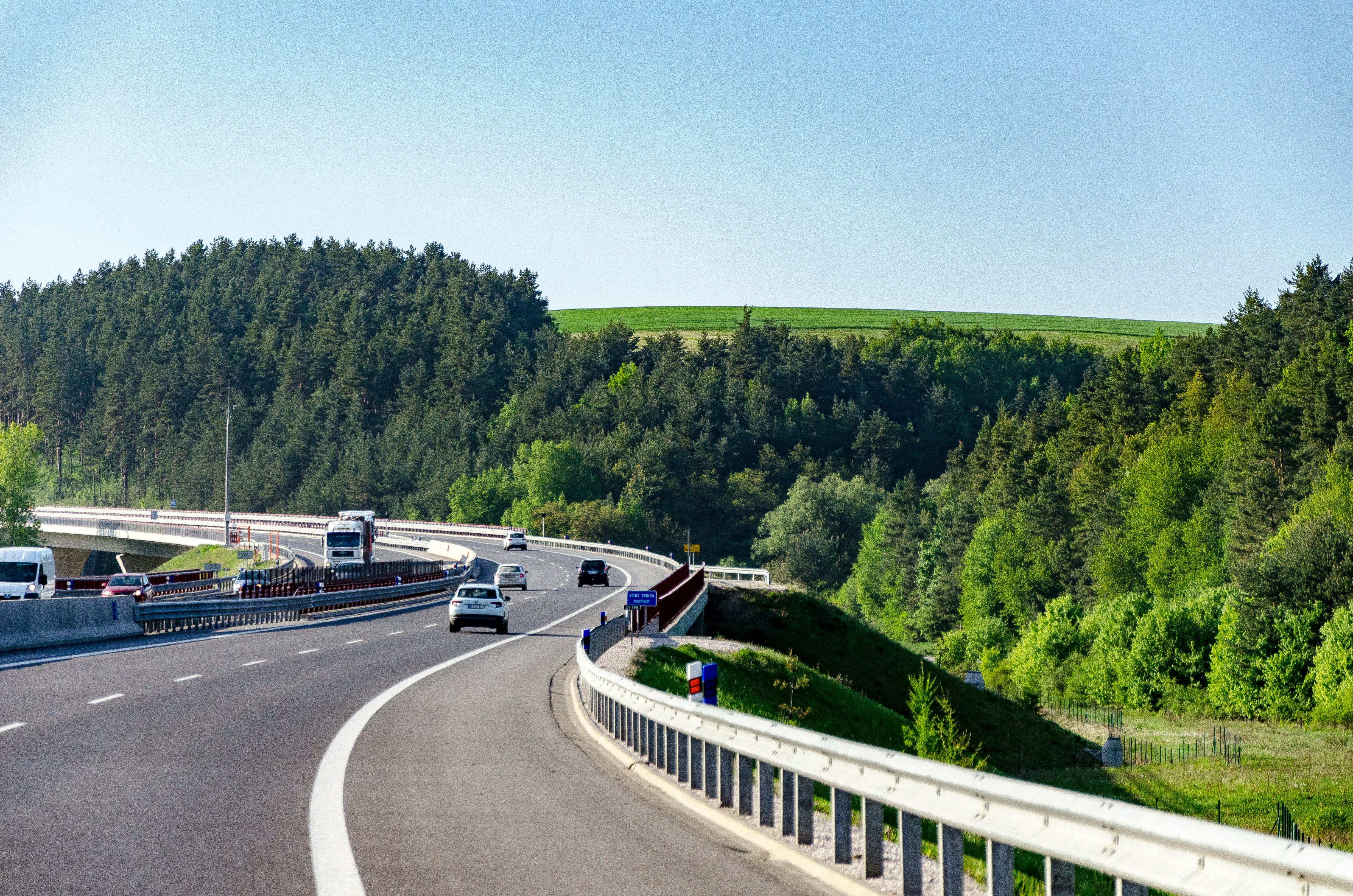
Most long drives don’t become tiring because of the distance. They become tiring because of small, constant strain. A seat slightly out of position, low-level vibration through the steering wheel, road noise that never quite stops, or a cabin that is either too warm or slightly stuffy will wear you down long before you realise it is happening.
Good preparation makes the difference. Before a long journey, a few simple checks matter more than any accessory: tyre pressure, tread condition, fluid levels, clean windows, and working lights. Cars used mainly for short local trips often feel fine day to day but reveal minor issues only after several continuous hours at motorway speed. Correct tyre pressure alone can noticeably reduce steering effort and driver fatigue.
This article was created in collaboration with Elite Wheels, but the most useful takeaway is not about upgrades. Condition matters more than size. Balanced wheels, healthy tyres, and proper alignment affect comfort and handling far more than appearance. In practice, a well-maintained standard setup will make a longer drive easier than an expensive change made purely for looks.
Comfort inside the car matters just as much. Adjust the seat so your knees are slightly bent, your shoulders remain against the seat back, and your hands rest lightly on the wheel rather than holding it up. A short stop every two to three hours works well for most travellers. Fresh air and a short walk restore alertness better than staying seated, as driver fatigue builds gradually even when you don’t feel especially tired.
When the car is prepared properly, you stop thinking about it. The journey becomes quieter, conversations feel easier, and you arrive feeling as though you travelled — not endured.
Packing with the Journey in Mind
Most road trip discomfort doesn’t come from distance. It comes from needing something you brought but cannot reach.
A waterproof buried in the boot when rain starts, sunglasses packed into a suitcase during sudden glare, or snacks sealed beneath luggage quickly turn small inconveniences into unnecessary stress. Packing well is less about neatness and more about access. The car should work like a small living space: what you might need during the drive belongs in the cabin, and what you will only need overnight can stay in the boot.
Create a simple hierarchy. Within reach of a seat should be water, a small snack, tissues, phone charging cables, and a light layer for changing temperatures. British weather makes this especially useful — a warm motorway can end in a cold coastal car park an hour later. When these items are easy to reach, stops stay relaxed and the journey flows naturally. It’s also worth checking basic travel health advice before longer journeys, particularly if you’re crossing borders or driving for extended hours.
The boot benefits from structure, not perfection. Group items together so you can remove only what you need rather than unloading everything at each stop. Shoes in a bag, overnight items together, and fragile food packed separately prevent the familiar ritual of repacking in a lay-by while trying to remember where everything went.
There is also a safety reason for thoughtful packing. In sudden braking, loose objects move with surprising force. Even a water bottle can roll under pedals or distract a driver at the wrong moment. A clear footwell and secured luggage make the car feel calmer because it actually is calmer.
Dress for the drive as much as the destination. Comfortable layers, breathable fabrics, and shoes that are easy to change make long stretches of sitting far less tiring. When you are physically comfortable, you arrive with energy to enjoy the place you travelled to rather than needing recovery time first.
Often the simplest improvement is bringing less than you expect and choosing items deliberately — a lighter bag is easier to manage at every stop and makes spontaneous detours far more appealing.
Packed this way, the car stops demanding attention. You are not searching, rearranging, or negotiating clutter — you are simply travelling.

Scenic Routes That Ask You to Slow Down
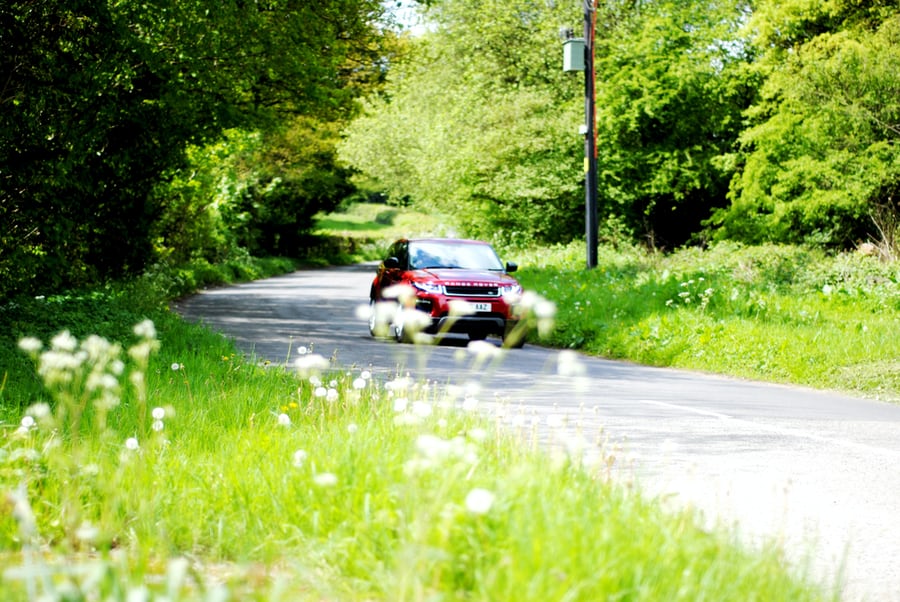
The roads people remember are rarely the fastest ones. They are the smaller routes — coastal lanes, market-town high streets, and rural roads where hedgerows narrow your view and the journey stops feeling like a timetable.
Driving changes here. You pay more attention, not less. Speeds drop naturally, bends arrive closer together, and the landscape begins to dictate the pace instead of the sat-nav. A slower road often feels more relaxing precisely because it requires focus in shorter, gentler stretches rather than hours of steady motorway concentration.
What matters is not a particular piece of equipment but predictability. A well-maintained car, clear windows, good tyres, and sensible speed allow you to look outward occasionally rather than constantly correcting the vehicle. On unfamiliar roads especially, comfort comes from visibility and control, not performance.
These routes also create better breaks. You notice a bakery, a harbour, or a walking path because you are moving slowly enough to see them. Stops stop feeling like interruptions and start feeling like discoveries — a short walk, a coffee, a viewpoint you would never have reached from a dual carriageway.
The paradox of a road trip is that slowing down often makes the journey feel easier. You arrive less tired, remember more of the places you passed through, and the drive becomes part of the travel rather than simply the distance between destinations.

Why Seasonal Travel Changes the Drive
A long drive in summer is not the same journey in winter, even on the same road. Conditions alter how the body and the car behave long before they create obvious danger.
Winter driving is affected less by snow than by visibility. Low sun sits directly in a driver’s eye line during morning and late afternoon, fog reduces depth perception, and wet roads lengthen braking distances more than most drivers expect. A clean windscreen, working lights, and a little extra following distance often matter more than speed itself — especially if you’ve packed a few simple winter travel essentials before setting off.
Summer brings a different challenge: fatigue. Warm cabins, bright light, and steady motorway speeds encourage drowsiness even when you do not feel tired. Regular breaks, water, and fresh air become part of safe driving rather than comfort. Many drivers push further in good weather and arrive more exhausted precisely because the journey felt easy.
Autumn and spring sit somewhere between the two. Fallen leaves can be as slippery as ice after rain, and rapidly changing temperatures mean you may begin a journey in sunshine and finish it in cold damp air. Carrying a light layer, checking the forecast, and allowing flexibility in timing make these trips far calmer.
Seasonal awareness changes the experience of a road trip. Instead of reacting to conditions, you anticipate them. The journey feels smoother not because the road has changed, but because you have adjusted to it — and you arrive ready to enjoy the place you travelled to rather than needing to recover from the drive.

Cabin Comfort: The Details That Make the Journey Easier
Comfort on a long drive starts before the engine turns on. Take a minute to adjust the seat so your back is supported, mirrors minimise blind spots, and the steering wheel sits within relaxed reach. Small posture improvements prevent the gradual stiffness that often appears halfway through a journey and is usually blamed on distance rather than positioning.
If possible, share the driving. Even a short change of driver resets concentration and reduces fatigue far more effectively than pushing through tiredness. When travelling alone, regular pauses matter just as much — a short walk, fresh air, and a drink of water restore alertness better than simply sitting in a parked car.
Inside the cabin, simplicity works best. Keep charging cables accessible, carry water, and bring a light layer or blanket for changing temperatures. Audio helps with monotony: a podcast, audiobook, or familiar music keeps the mind engaged on long stretches of motorway where steady conditions can encourage inattention.
These details seem minor individually, but together they change how a journey feels. When the car is prepared, the essentials are within reach, and breaks happen before tiredness builds, the drive becomes manageable rather than draining. You arrive not simply relieved to have stopped driving, but ready to step out and begin the part of the trip you were looking forward to.

When the Road Becomes the Experience
The best road trips balance planning with flexibility. A few simple preparations — checking the car, packing accessibly, allowing time for proper breaks — create space for spontaneity rather than replacing it. When practical worries are handled early, you are free to follow a handwritten sign to a bakery, pause at a harbour you hadn’t planned to visit, or stop simply because the view feels worth noticing.
Travel rarely goes wrong because of one major problem. It becomes stressful when small inconveniences accumulate: hunger, fatigue, clutter, uncertainty about the car, or pushing too far in one stretch. Remove those and the drive changes character. You stop managing the journey and start participating in it.
Road trips are remembered not for the miles covered but for the moments between them — a quiet coffee beside the car, conversation that stretches longer than expected, or the relief of arriving with energy still left to explore. Preparation doesn’t make a trip rigid; it makes it generous. With the essentials quietly taken care of, curiosity has room to lead, and the road becomes part of the travel rather than the effort required to begin it.
If you’d like an example of how this kind of slower travel works in practice, my Cornwall road trip itinerary shows how choosing a base and exploring outward avoids spending the holiday constantly driving.

Travelling Together (or Alone)
A road trip changes character depending on who shares the car. Planning works best when it follows people rather than distance.
Families benefit from shorter driving stretches. Children rarely struggle with the journey itself but with being still for too long, so breaks become part of the plan rather than interruptions. A small town park, a harbour walk, or even a fifteen-minute stop somewhere with space to move often improves the next two hours of driving far more than pushing on toward a later destination.
Solo travellers face a different challenge: concentration. Long quiet stretches can feel peaceful, but steady roads and engine noise can also encourage drowsiness. Regular pauses, fresh air, and a short walk keep attention sharp. Many solo drivers find a podcast or audiobook helps maintain alertness by giving the mind something to actively follow.
Groups of friends introduce logistics. Shared playlists, conversation, and spontaneous detours make the drive enjoyable, but clear expectations help — agree roughly how long you will drive between stops and who will navigate so the driver can focus on the road rather than directions.
For any group, thoughtful packing helps. Keep essentials within reach: water, snacks, tissues, sun protection, and a light layer for changing weather. A small cool bag is surprisingly useful, especially on food-focused trips, letting you carry bakery finds or local produce without rushing to your accommodation.
If possible, alternate drivers on longer journeys. Even a short change resets concentration and reduces fatigue. When driving alone, build those same pauses into the day instead — a coffee, a viewpoint, or a brief walk achieves a similar reset.
The aim isn’t to control every mile but to match the journey to the people taking it. When the pace suits the travellers, the car stops feeling like transport and becomes shared time — conversation, quiet reflection, or children discovering somewhere new — and the drive becomes part of the trip rather than something to get through.

Vehicle Prep Checklist
Before any long drive, a few minutes spent checking the car prevents a surprising number of problems later. Most journeys don’t go wrong because of major failures, but because small issues appear far from home and become stressful at the worst moment.
Start with the tyres. Check pressure when they are cold and make sure tread depth is healthy and even across the tyre. Incorrect pressure affects fuel use, steering effort, and braking distance more than most drivers expect, especially in wet conditions. While preparing this article in collaboration with Elite Wheels, I was reminded that condition matters far more than size — secure, correctly fitted and balanced wheels and healthy tyres contribute more to comfort than any upgrade.
Next, look at visibility. Clean the windscreen inside and out, top up washer fluid, and confirm all lights are working. Long drives often finish in dusk or darkness even if they begin in daylight, and clear vision reduces fatigue as much as it improves safety.
Check fluids: engine oil, coolant, and brake fluid where accessible. These take only a moment but prevent overheating or warning lights partway through a journey. If the car has not travelled far recently, a short local drive beforehand can reveal issues while you are still close to home.
Brakes and steering should feel predictable. If the car pulls, vibrates noticeably at speed, or makes new noises, it is worth resolving before departure rather than hoping it will settle during the trip.
Finally, carry simple essentials. A reflective vest, warning triangle where required, a small first-aid kit, phone charging cable, torch, and bottled water cover most minor roadside situations. These are rarely needed, but reassuring when they are.
A prepared car changes the entire feel of a journey. Instead of listening for problems or worrying about warning lights, you can focus on the drive itself — the stops you choose, the food you discover, and the places you decide to linger.
Taking Your Car Abroad
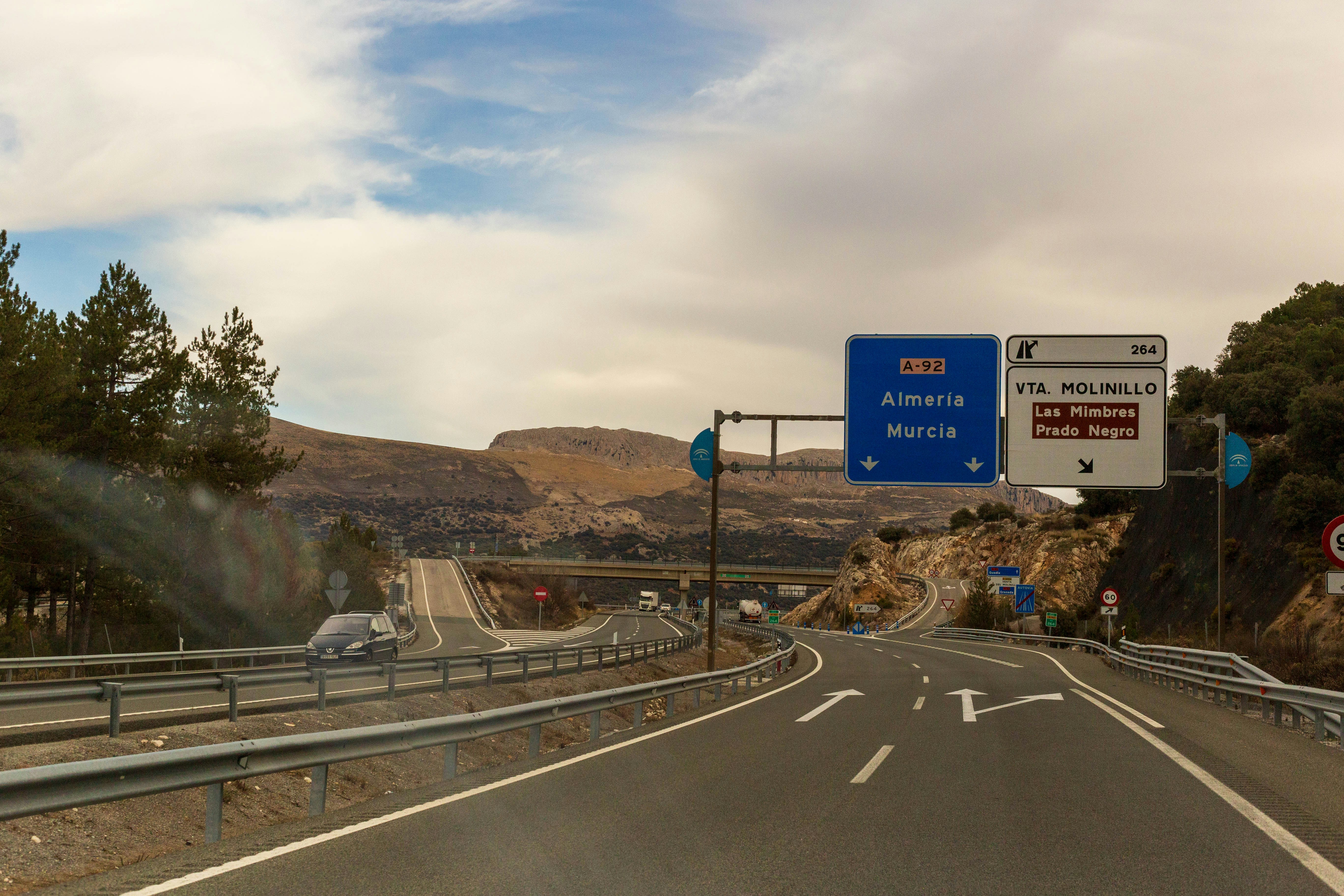
Driving your own car overseas adds freedom, but driving abroad also adds responsibility. A few checks before departure prevent problems that are difficult to solve once you are already on the continent.
Start with documents. Carry your driving licence, vehicle registration (V5C), and insurance details, and confirm your policy covers European travel. Many insurers include basic cover automatically, but it is worth checking the length of stay allowed. It is also sensible to keep emergency contact numbers and breakdown cover information somewhere accessible rather than packed in luggage, and to review the official guidance on driving abroad before departure.
Different countries have specific equipment rules. In much of Europe you are expected to carry a reflective vest and warning triangle, and in some places these must be reachable from inside the car. Headlamp beam deflectors are required when driving on the right, and certain mountain regions in winter require snow chains or winter tyres during marked periods. Cities in France, Italy and Spain may operate low-emission or restricted traffic zones, so checking your route in advance avoids accidental fines.
Plan for the practicalities of the drive itself. Motorways in France, Spain and Italy commonly use toll roads, so keep a payment card or small cash available at the barrier. Distances can be longer between service areas than in the UK, making fuel planning more important than it first appears.
A simple vehicle check before leaving matters even more abroad than at home. Confirm tyre condition and pressure, fluid levels, lights, and wipers before the journey. If a warning light appears once you have crossed a border, solving it becomes far more complicated.
Pack a small accessible bag for the cabin: water, snacks, phone charging cables, travel adapters, and basic first-aid supplies. These make delays or queues far easier to manage, particularly around ports, tunnels, or busy holiday traffic.
Once the practicalities are handled, the advantages appear quickly. You are free to stop in a village market, detour to a coastal harbour, or pause at a roadside bakery without worrying about schedules or luggage transfers. Preparation doesn’t remove spontaneity — it protects it. When you know the legalities and the car are taken care of, the journey becomes exploration rather than navigation.
FAQs: Road Trip Essentials
What should I check on my car before a long road trip?
Start with tyres: correct pressure and healthy tread matter more than almost anything else in wet or motorway conditions. Then check engine oil, coolant, and washer fluid levels, and make sure all lights and wipers are working. Clean windows improve visibility and reduce fatigue. Inside the car, adjust your seat and mirrors properly and keep water, a phone charger, and a small emergency kit within reach.
How can I make long drives more comfortable for passengers?
Plan breaks before people become tired or irritable. A short stop every two to three hours works well for most travellers. Fresh air and a short walk restore alertness better than staying seated. Share driving if possible, and keep the cabin temperature moderate — cars that are too warm make everyone sleepy surprisingly quickly.
Are larger alloy wheels necessary for comfort?
No. Comfort on long drives comes mainly from tyre condition, correct pressure, seat position, and regular breaks. Well-maintained standard wheels are perfectly suitable for long journeys. The most important thing is that the tyres are in good condition and the car drives predictably without vibration or pulling.
How should I pack my car?
Pack by access rather than neatness. Items needed during the drive — water, snacks, tissues, cables, and a light layer — should be reachable from a seat. Heavier luggage belongs low and secure in the boot so it cannot shift during braking. A clear footwell and secured items make the car safer and noticeably calmer to travel in.
Can I take my car abroad for a road trip?
Yes, but check documents first. Carry your driving licence, registration document, and insurance details, and confirm your policy covers European travel. Many countries require a reflective vest and warning triangle, and some areas use toll roads or low-emission zones. A quick vehicle check before departure avoids complicated problems once you are far from home.
How do I make food stops part of the journey?
Treat stops as planned pauses rather than delays. After a couple of hours of driving, concentration naturally dips, and a proper break with food and a short walk restores alertness. Choosing a small town, bakery, or harbour instead of only motorway services turns the pause into part of the travel rather than a disruption.

Conclusion: Making the Road Your Destination
A successful road trip rarely depends on distance. It depends on preparation. A quick vehicle check, accessible packing, sensible breaks, and a little awareness of weather and daylight remove most of the small stresses that turn driving into something tiring rather than enjoyable.
Once those practicalities are handled, the journey changes character. You notice places you would otherwise pass: a quiet village at sunrise, a bakery worth stopping for, a viewpoint that invites you to pause rather than press on. You arrive with energy left to explore because the drive has supported the trip instead of competing with it.
Whether travelling along a coastline or through open countryside, the road becomes part of the experience rather than simply the distance between destinations. A little preparation gives spontaneity room to exist — and that is what turns a drive into a journey you actually remember.

Image credit: Some photographs in this feature are illustrative and sourced from licensed stock photography providers.
Stay in Touch
Culinary Travels publishes destination guides, seasonal recipes, and food-led travel features from the UK and beyond.
Follow for new articles and updated travel resources:
Facebook | Instagram | Pinterest
Newsletter
Receive new guides, recipes, and occasional travel planning notes by email: Subscribe here
Reader feedback and local recommendations are always welcome via the contact page.



©2026 Culinary Travels. Culinary Travels is written and edited by Georgina Ingham | Website designed by The Smarter Web Company
What Our Followers Say
"Oh yum!!! I could eat one or two right now!"
Sami Tamimi
"Georgina was great to work with, quick to respond, and is an excellent content writer - would highly recommend collaborating with her!"
Nick S, Get Blogged
Our list of things to do in Cork has just expanded hugely thanks to Culinary Travels.
Triskel Art Centre Cork